Summer Solstice 2026: All about the longest day of the year and the science behind it

The summer solstice is an annual occurrence that happens when one particular hemisphere experiences its longest day and shortest night of the year. It occurs at the exact moment when the Sun reaches its maximum apparent northward or southward position in the sky, or its highest declination in technical terms. The reason behind this is Earth’s tilted axis. The summer solstice marks the beginning of the astronomical summer in the Northern Hemisphere. Subsequently, the Southern Hemisphere experiences astronomical winter during the same time. People from different cultures and regions all over the world celebrate the summer solstice. They do so via gatherings, midsummer festivals, and various other rituals.
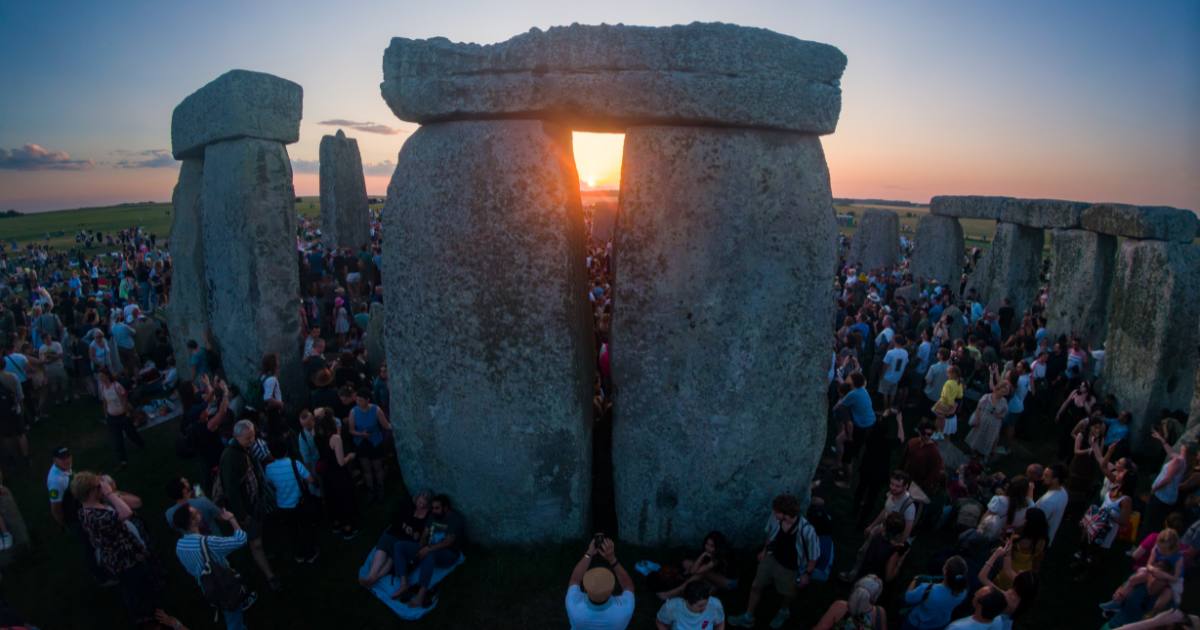
What is a Summer Solstice?
The word ‘solstice’ comes from a mixture of two Latin words: ‘Sol’ meaning ‘Sun’ and ‘sistere’ meaning ‘standing still.’ During the Northern Hemisphere's summer solstice, the Sun is positioned farthest north, reaching a declination of 23.5 degrees from the celestial equator. This means it sits directly overhead at the terrestrial latitude of 23.5 degrees, which we call the Tropic of Cancer. From this point onwards, the Sun pauses its apparent northward movement before its path begins shifting back towards the south.
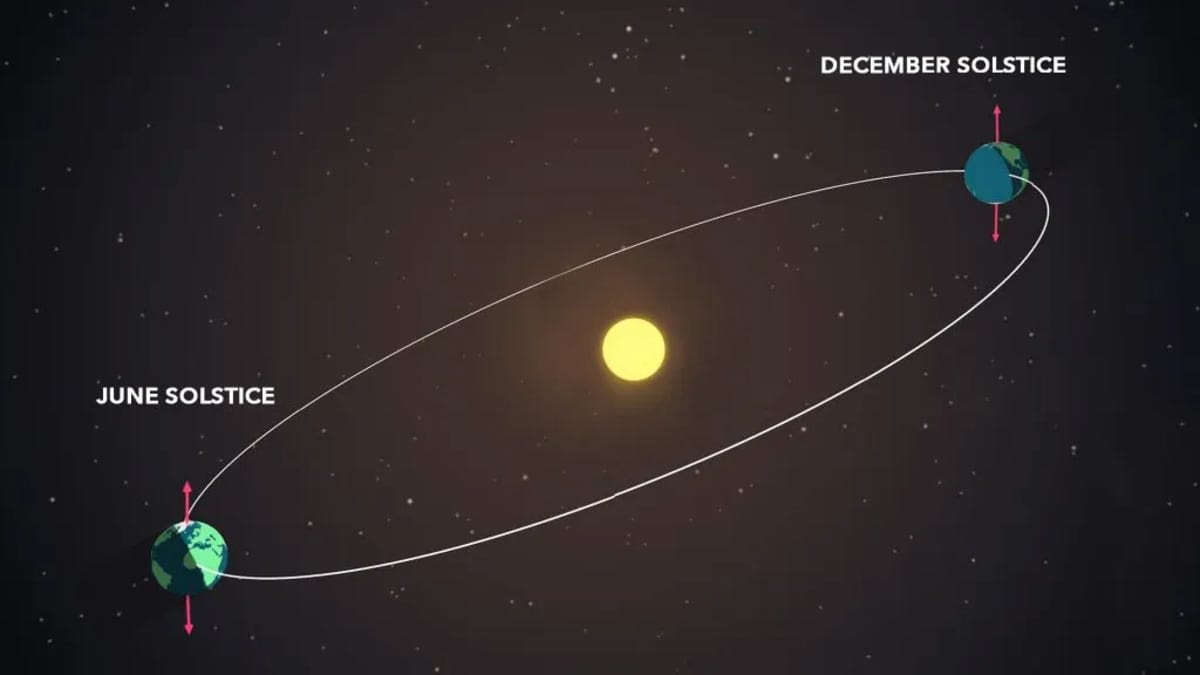
When the Northern Hemisphere is at its maximum tilt towards the Sun due to the Earth’s axial tilt, the exact length of daylight on any location in this hemisphere varies based on the latitude of that particular area. For example, Cleveland in Ohio typically receives about 15 hours of daylight during the summer solstice, but places located closer to the equator get approximately 12 hours of daylight. Meanwhile, in regions north of the Arctic Circle, the Sun remains visible above the horizon for a full 24 hours, giving rise to the famous 'midnight sun'.
When does a Summer Solstice occur?
There are two solstices each year (June and December). Each of them is experienced simultaneously worldwide but interpreted differently in both hemispheres. For example, people living in the Northern Hemisphere will experience the summer solstice on June 21, 2026, at 4:24 AM EDT or 0824 GMT. On the contrary, for those in the Southern Hemisphere, the summer solstice takes place on December 21, 2026, at 3:50 PM EST or 2050 GMT.
This happens because the Earth's axial tilt causes the hemispheres to experience opposite seasons throughout the year. When the Northern Hemisphere experiences the longest day, the Southern Hemisphere celebrates the winter solstice in June, marking the shortest day and longest night for the region. Meanwhile, despite the summer solstice marking the longest day, it is rarely the hottest day. Because Earth's landmasses and oceans take time to absorb and radiate heat, most regions in the Northern Hemisphere experience their scorching temperatures weeks after the summer solstice.
More on Summer Solstice
For a major part of the world, the summer solstice also marks the first day of summer. But in other regions, the phenomenon of the Sun reaching its highest point in the sky happens in the middle of the summer season. It is for the same reason that locals in countries like Norway and Sweden celebrate the summer solstice with a local holiday known as Midsummer's Day, which falls on June 24.
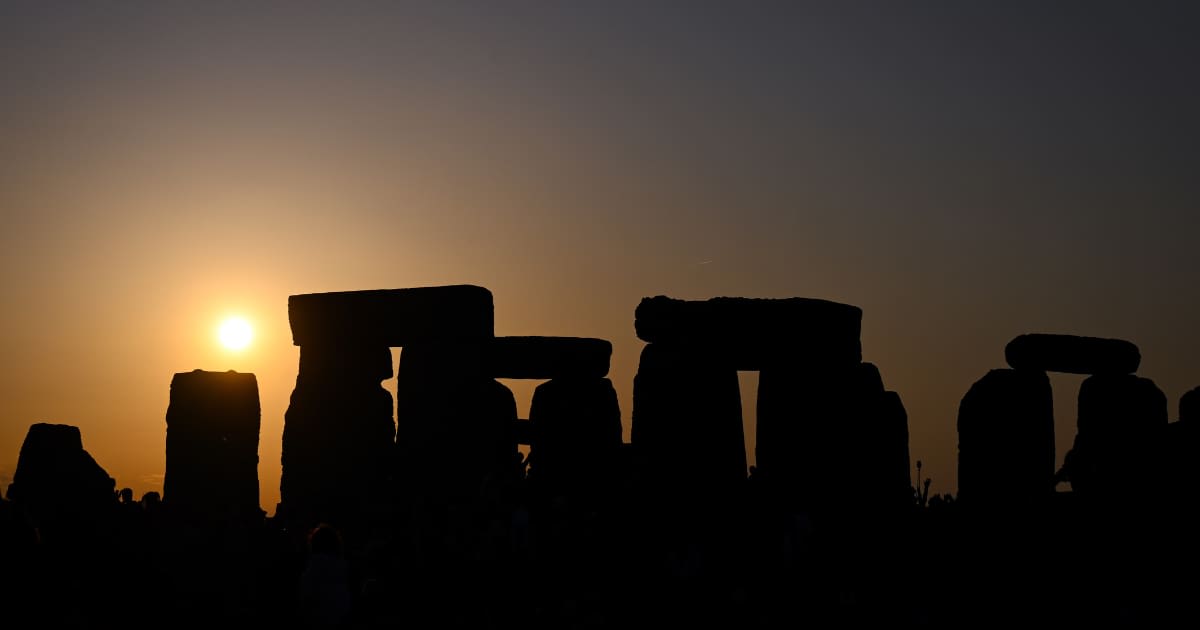
In ancient times, the summer solstice had a crucial impact on people. Ancient civilizations carefully tracked the sky and the changes in weather and seasons. They built monuments that aligned perfectly with the position of the Sun during the solstice. A perfect example of such a structure is Stonehenge; during the summer solstice, key features of the monument align with the rising Sun. Likewise, in several other communities, the summer solstice served as an important guide for travel, planting, harvesting, and more.
More on Starlust:
NOAA’s SOLAR-1 is now operational—and it's changing how the U.S. watches space weather
Total Solar Eclipse 2026: Date, time, viewing locations, and safety measures—all you need to know