Large Hadron Collider, detector of 'God particle,' will be out of action for 4 years, starting today
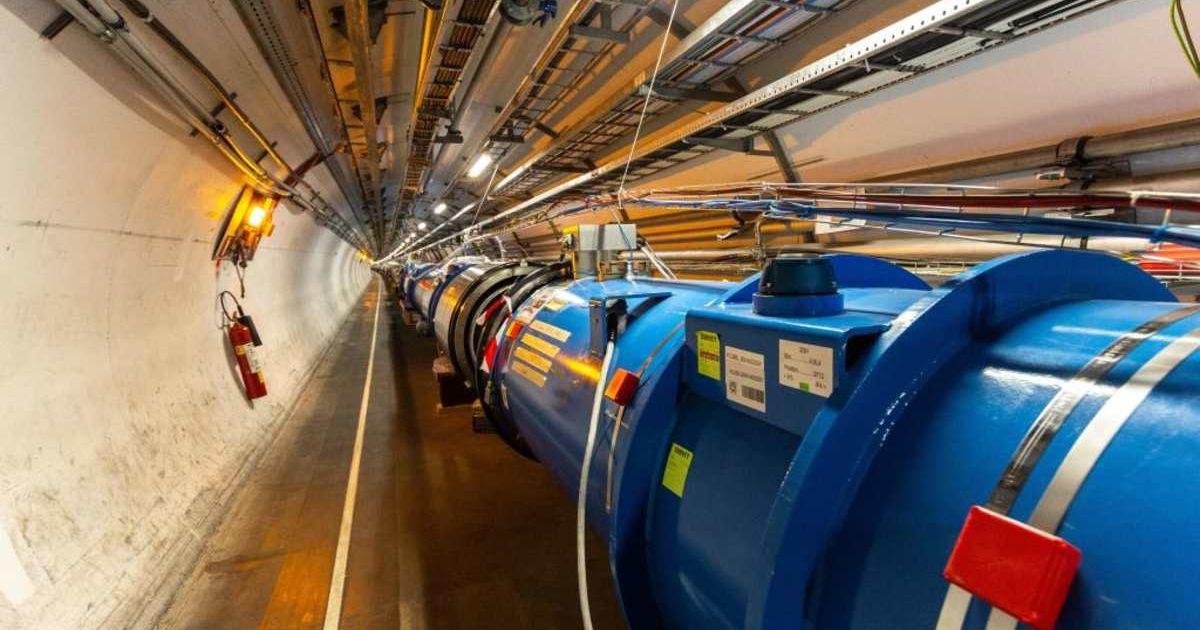
The Large Hadron Collider (LHC), the world’s largest and most powerful particle accelerator, will be on a 4-year-long hiatus starting today, June 29, 2026. During this period, the collider, located at the CERN lab near Geneva, will undergo upgrades that will enhance its precision and enable higher-intensity particle collisions. The upgraded particle accelerator, which will be named the High-Luminosity LHC (HL-LHC), is expected to begin operations in June 2030.
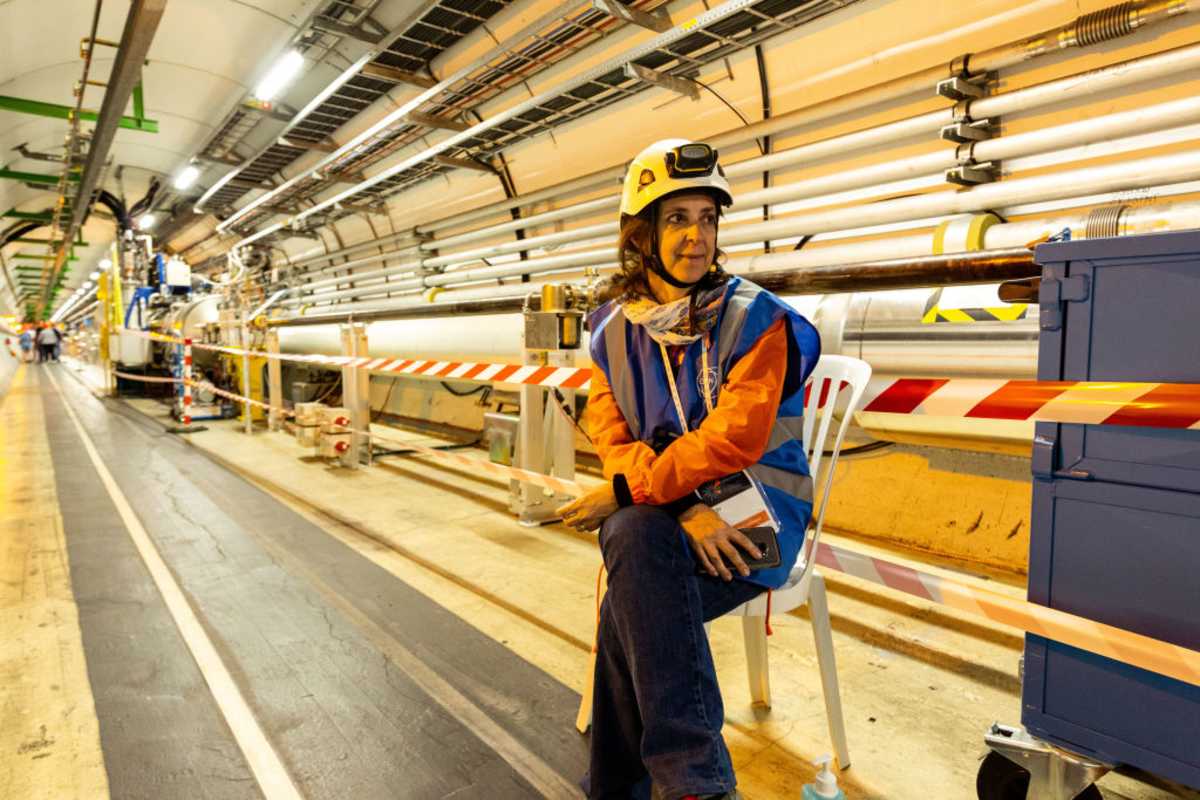
Inside the LHC, which began its operation on September 10, 2008, high-energy particle beams traveling at near-light speed in opposite directions across separate ultrahigh vacuum tubes collide with each other. For this, the 27-kilometer-long circular tunnel, sitting 100 meters beneath the Franco-Swiss border, has superconducting electromagnets that are chilled to -271.3°C and create a strong magnetic field that allows electricity to pass without creating any resistance. There are thousands of different magnets that help guide the beams along the tubes. A particular kind of magnet also brings the particles closer together to increase the chances of collisions.
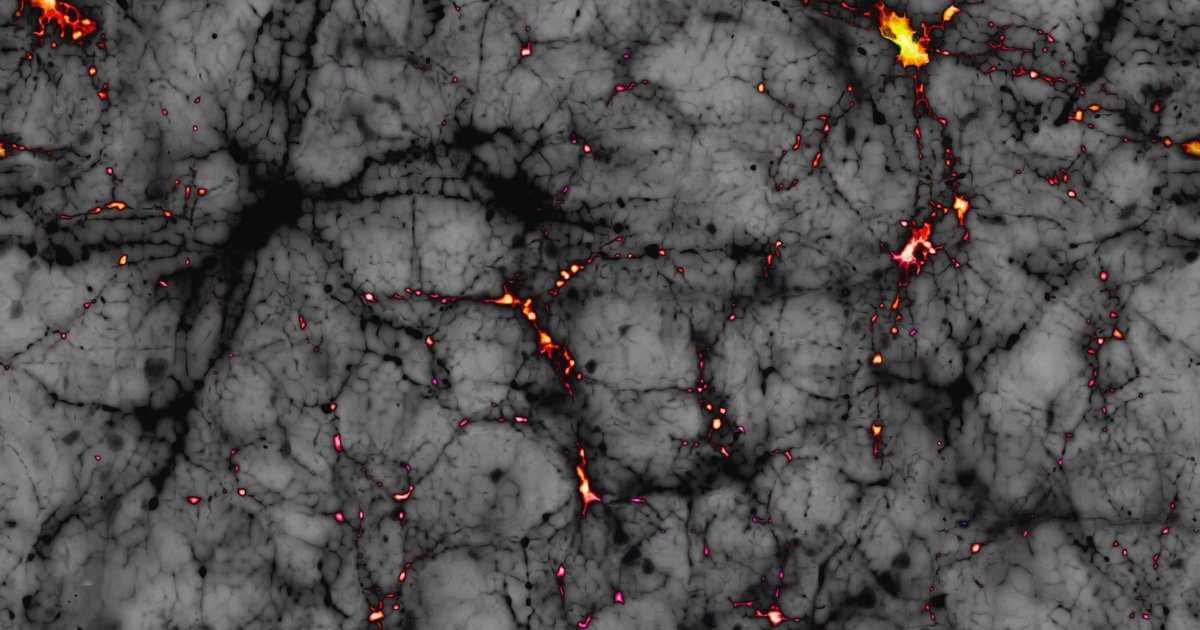
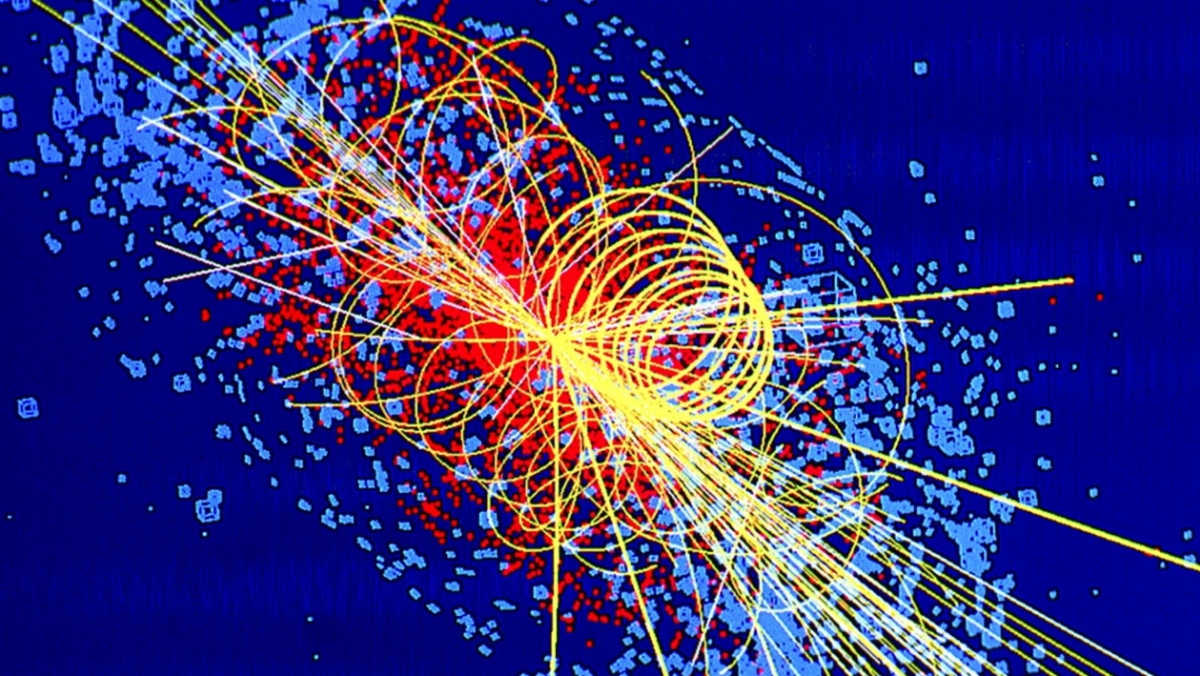
To date, the biggest achievement of the LHC is the detection of the Higgs boson, a particle named after Nobel Laureate physicist Peter Higgs and Indian physicist S. N. Bose. More popularly known as "the God particle," it is the fundamental particle of the Higgs field, which gives mass to other fundamental particles like electrons. As for the upgraded version of the LHC, which will run for about a decade, it is expected to help scientists better understand dark matter, which makes up about 80% of the matter of the universe and yet remains one of its most enduring mysteries. The cost of the upgrade would be $1.5 billion, which will come from CERN membership fees plus funds contributed by the United States, Japan, Canada, and China. One of the main changes in its design will be the replacement of devices in 1.2 kilometers of the 27-kilometer circular tunnel. New superconducting magnets that will boost the number of collisions will also be installed. Currently, the LHC sees 60 collisions each time two packets of particles meet inside the detectors in the tunnel. Once the upgraded version becomes operational, this number will hover between 120 and 140.
"We still have lots of physics questions without answers. There are still many discoveries to be made," the HL-LHC project chief Markus Zerlauth told reporters. The HL-LHC will create billions of collisions per second that will generate huge amounts of data. It is very difficult to store such massive data in real time. So, the task of choosing the most promising collisions will be given to artificial intelligence (AI). But "AI does not replace physicists," insisted Nedaa-Alexandra Asbah, a research physicist at CERN's ATLAS experiment, which helped discover the Higgs boson using the LHC. "It is a powerful tool that helps us make better use of the data."
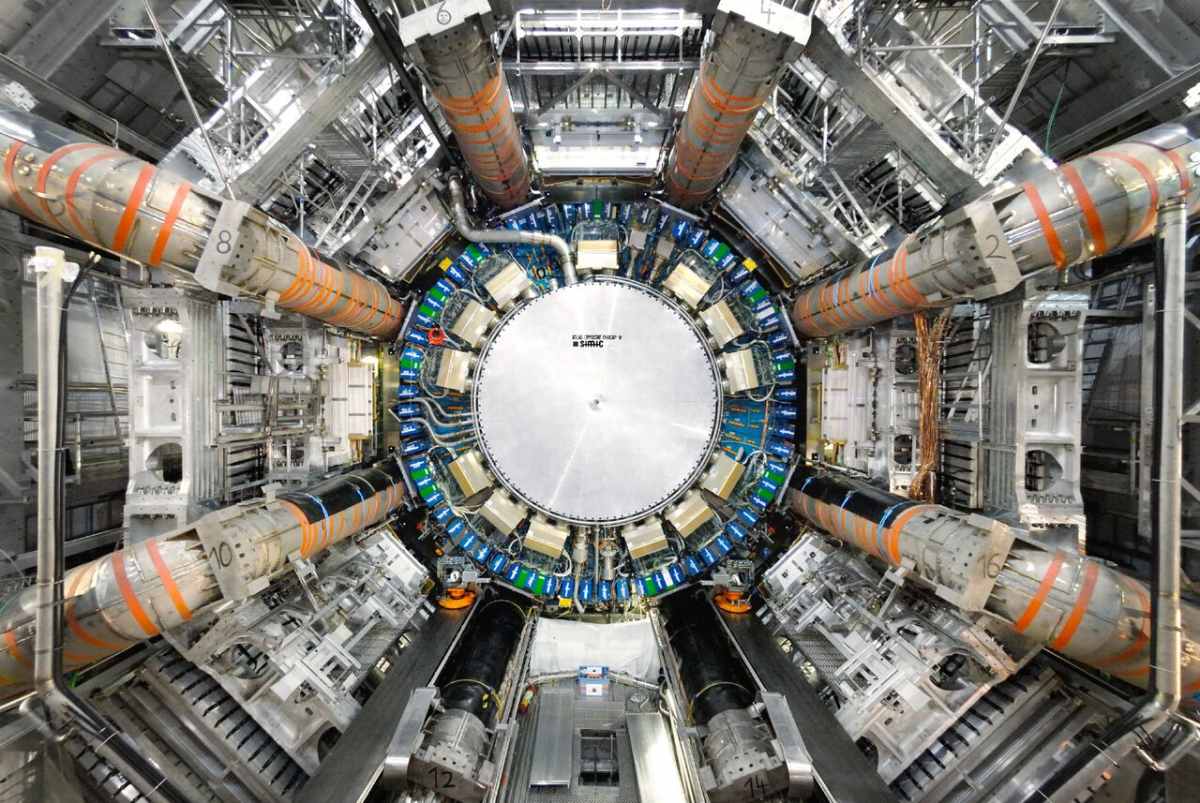
CERN physicists think that the upgraded version of the LHC will be more powerful to spawn a greater number of Higgs bosons. The number could hit 380 million as opposed to 55 million detected since 2008, when the LHC began its work. The lab hopes to produce two Higgs bosons simultaneously, which would be a first, and see them interact. This, Asbah said, "may provide clues about how our universe evolved shortly after the Big Bang."
More on Starlust
Scientists trace 'ghost particle' event to distant galaxy trillions of times brighter than Sun