Japan's Hayabusa2 probe to attempt one of the closest asteroid flybys in history—date, other details
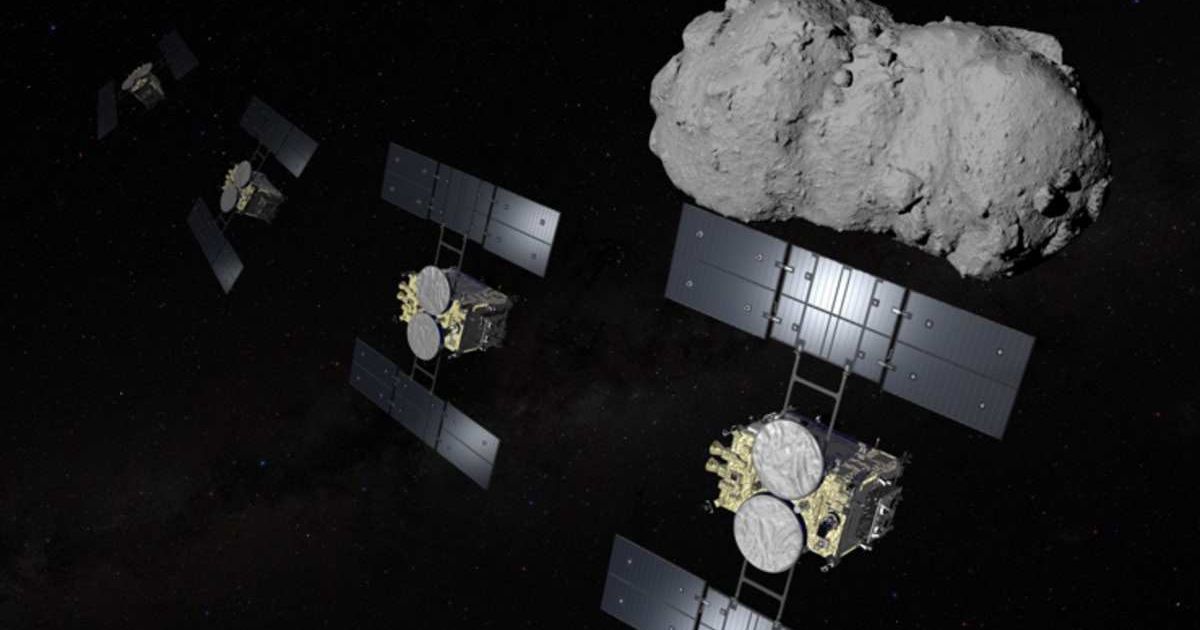
Japan's Hayabusa2 sample-return spacecraft is on target to make one of the closest asteroid flybys ever attempted on July 5, 2026, when it will come just 0.62 to 6.2 miles of its target, a 1,470-foot-wide near-Earth asteroid by the name of Torifune. Rather than being a necessity, this historically close pass is a deliberate technology demonstration, with JAXA aiming to test advanced, high-precision navigation techniques by getting as close to the target as possible without slamming into it.
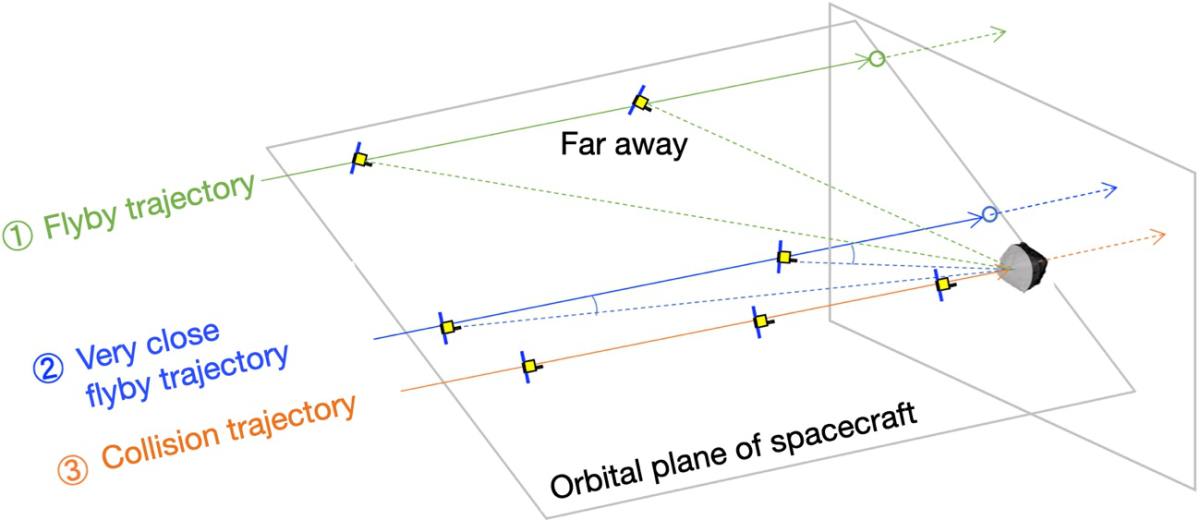
Satoshi Tanaka of the Japanese Aerospace Exploration Agency (JAXA) announced the upcoming milestone flyby during a presentation at the 35th Meeting of the NASA Small Bodies Assessment Group on June 11, 2026, as per a report by Space.com. During the high-speed encounter, Hayabusa2 will fly past Torifune at a 3.3 miles per second, nearly 19,200 kilometers per hour. This extreme velocity of the flyby means scientists will only have a very limited time window to collect valuable data and imagery from Torifune. Because Hayabusa2 was originally designed to slowly orbit asteroids rather than perform high-speed flybys, the spacecraft cannot rotate fast enough to track Torifune as it zooms past. Consequently, observations of the asteroid ill only be possible as the spacecraft approaches it, right up until closest approach.
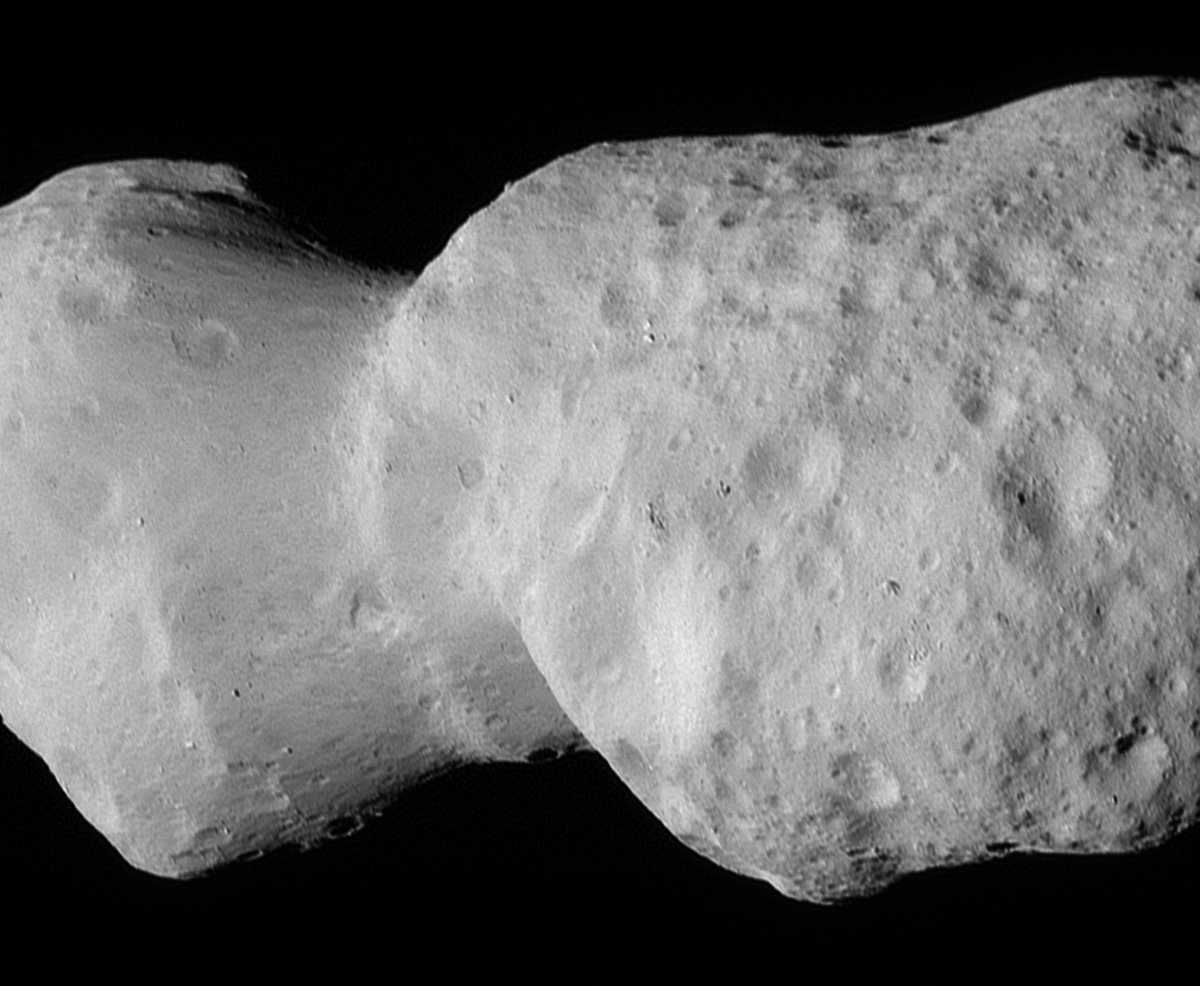
While the primary goals of the JAXA mission were already met when Hayabusa2 successfully returned samples from the asteroid Ryugu to Earth in 2020, the Japanese space agency extended the mission due to the better-than-expected condition of the probe. However, scientists stressed that targeting Torifune (previously designated 2001 CC21) is still a highly risky operation because such a flyby had not been accounted for during the spacecraft's design. There is also considerable uncertainty regarding the asteroid's true size and structure, with experts suggesting it could even be a contact binary system, meaning it's composed of two separate bodies joined together after a low-velocity collision. Such a process is also known to have occurred during the formation of the asteroid Donaldjohanson, which NASA's Lucy mission flew past in 2025.
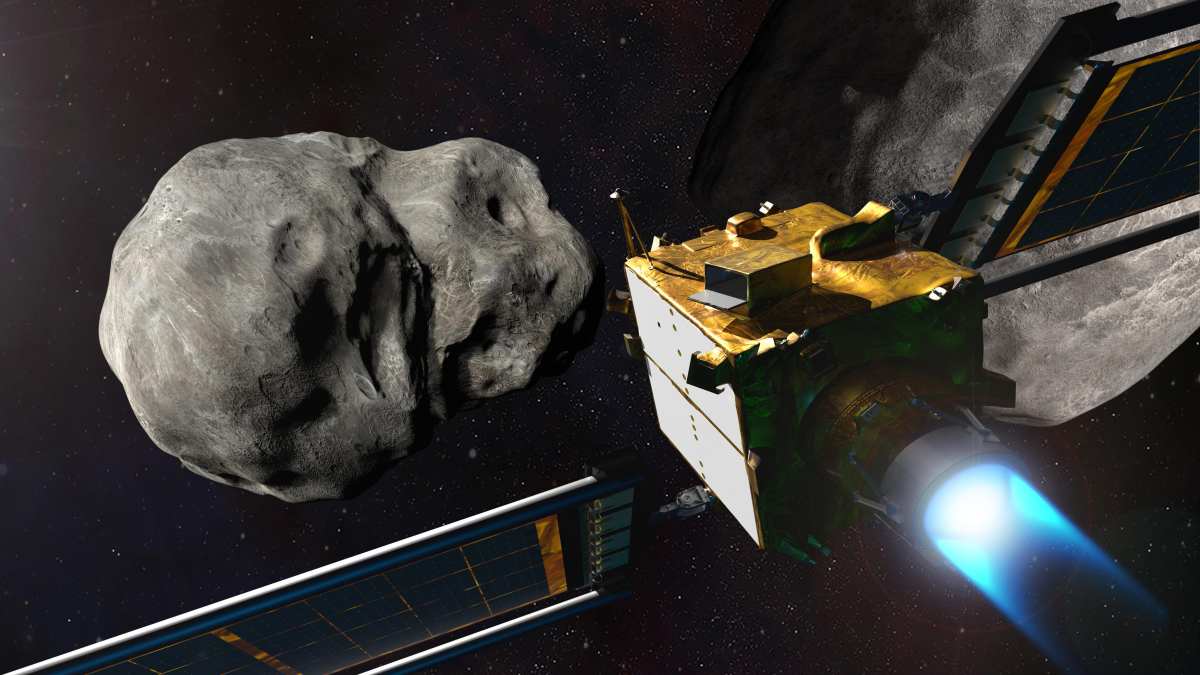
Besides the expansion of our understanding of planetary science, the rapid-reconnaissance nature of this flyby will also serve as a test for future planetary defense initiatives. Researchers hope the automated navigation methods demonstrated during the close-up encounter with Torifune can establish a blueprint for how to gather data about an asteroid's physical characteristics on short notice. Such data could prove crucial should the need ever arise to intercept a threatening asteroid with a kinetic impactor—a strategy successfully demonstrated by NASA using the DART mission in 2022.
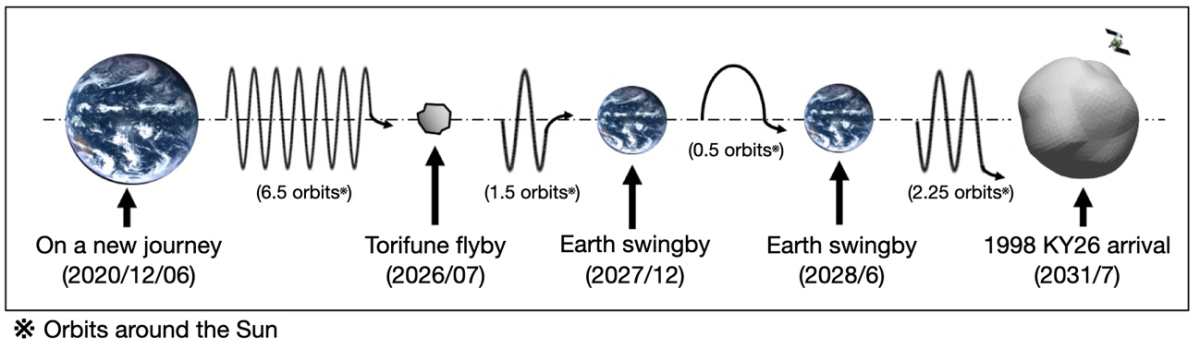
Looking further ahead, the long voyage of Hayabusa2 will extend well beyond this weekend's Torifune flyby. After cruising deeper into space, the probe is also slated for a rendezvous with the asteroid 1998 KY26 in 2031. This asteroid is understood to be just 36 feet wide, which would make it the smallest asteroid ever visited by a spacecraft. JAXA is also considering touching down on the surface of the minuscule world.
More on Starlust:
After Bennu, scientists find all DNA and RNA building blocks in asteroid Ryugu samples