New astonishing images from DART asteroid impact reveal shocking force of debris plume
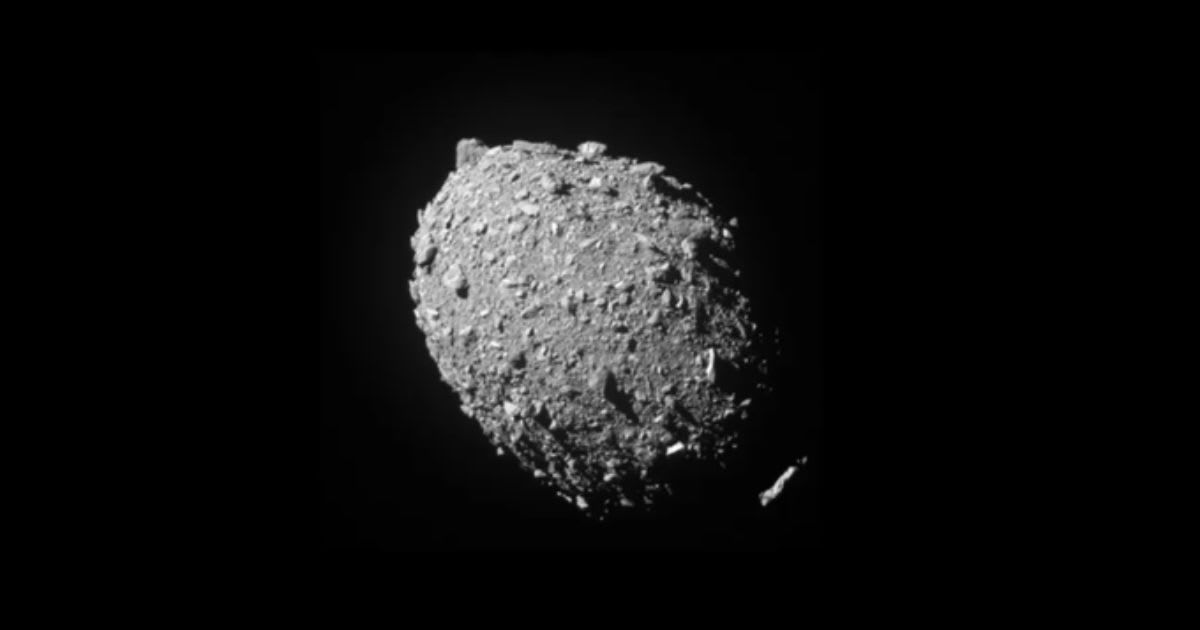
New images and data from a shoebox-sized satellite have provided scientists with unprecedented details about NASA's 2022 DART mission, revealing that the impact with an asteroid was far more effective than previously thought due to a massive plume of debris, according to the US space agency.
Remember when we crashed a spacecraft into an asteroid?
— NASA (@NASA) August 21, 2025
Scientists studied images from LICIACube, the Italian Space Agency's satellite, and found that 35.3 million pounds of rubble spewed from the asteroid, having a dramatic effect on its trajectory: https://t.co/aoFWCYItiZ pic.twitter.com/eNY71Icc09
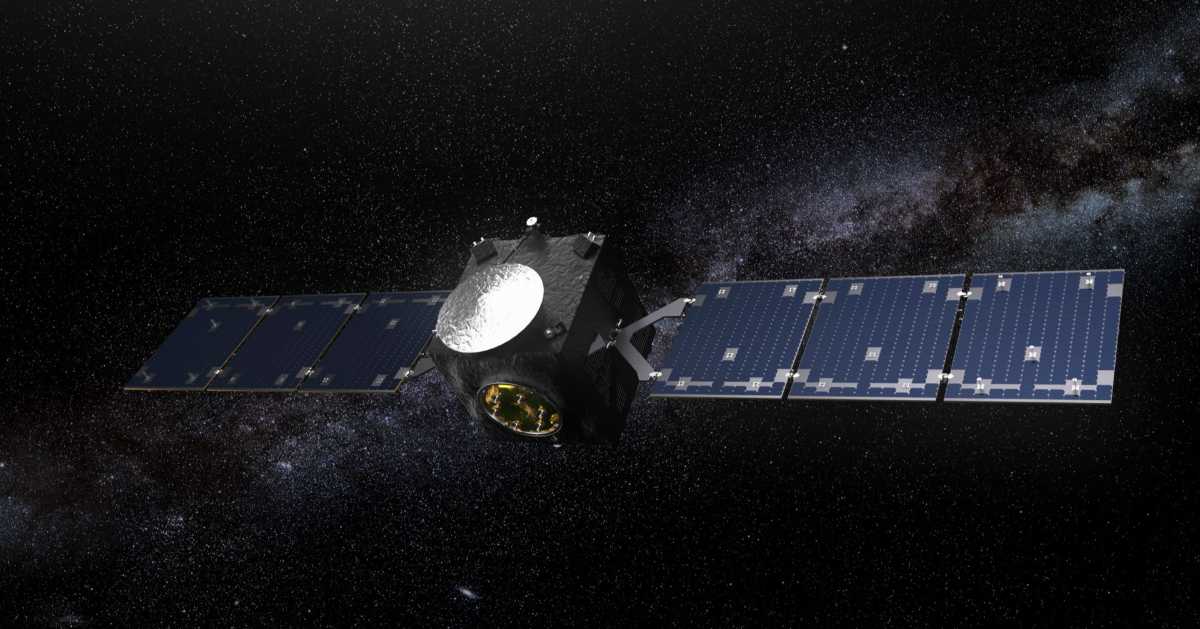
Per a study published on August 21 in the Planetary Science Journal, a satellite named LICIACube captured images of the moment the Double Asteroid Redirection Test (DART) spacecraft collided with the asteroid Dimorphos in September 2022. These images, taken from just 53 miles away from the asteroid's surface, are the only on-site observations of the historic event and have led to a critical new understanding of asteroid deflection.
The DART mission set out to study whether changing an asteroid’s motion in space through kinetic impact – that is, crashing into it – was a viable technique to use if an asteroid on a collision course with Earth were ever discovered. Learn more: https://t.co/hsWW8Y5Qeg
— NASA (@NASA) August 21, 2025
NASA and Italian Space Agency (ASI) scientists now estimate that the impact ejected 35.3 million pounds of dust and rock, a mass 30,000 times greater than the DART spacecraft itself. This significant debris plume acted like a "short burst from a rocket engine," according to lead study author Ramin Lolachi of NASA’s Goddard Space Flight Center, giving the asteroid a far greater push than the initial collision alone.
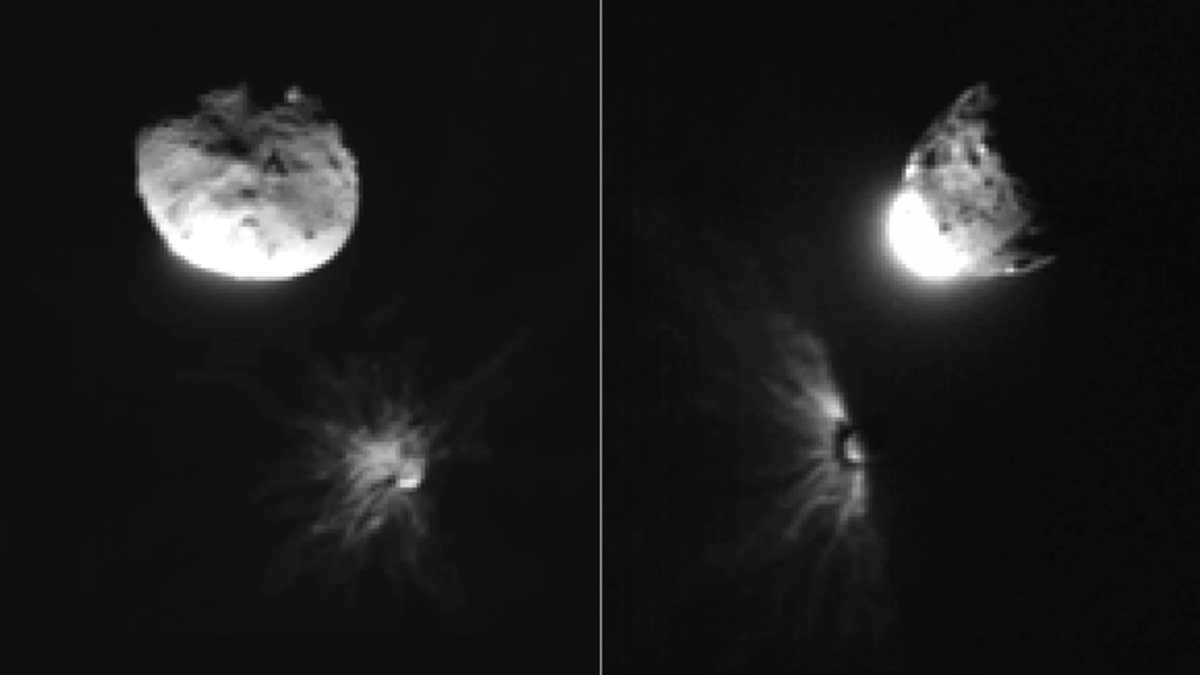
This finding is a breakthrough for planetary defense. The DART mission was designed to test whether a spacecraft could alter an asteroid's trajectory. Dimorphos, a "rubble-pile" asteroid, is composed of a loose collection of rocky material. The mission successfully shortened its orbit by 33 minutes, and scientists now understand that the debris plume was a primary factor in this dramatic change.
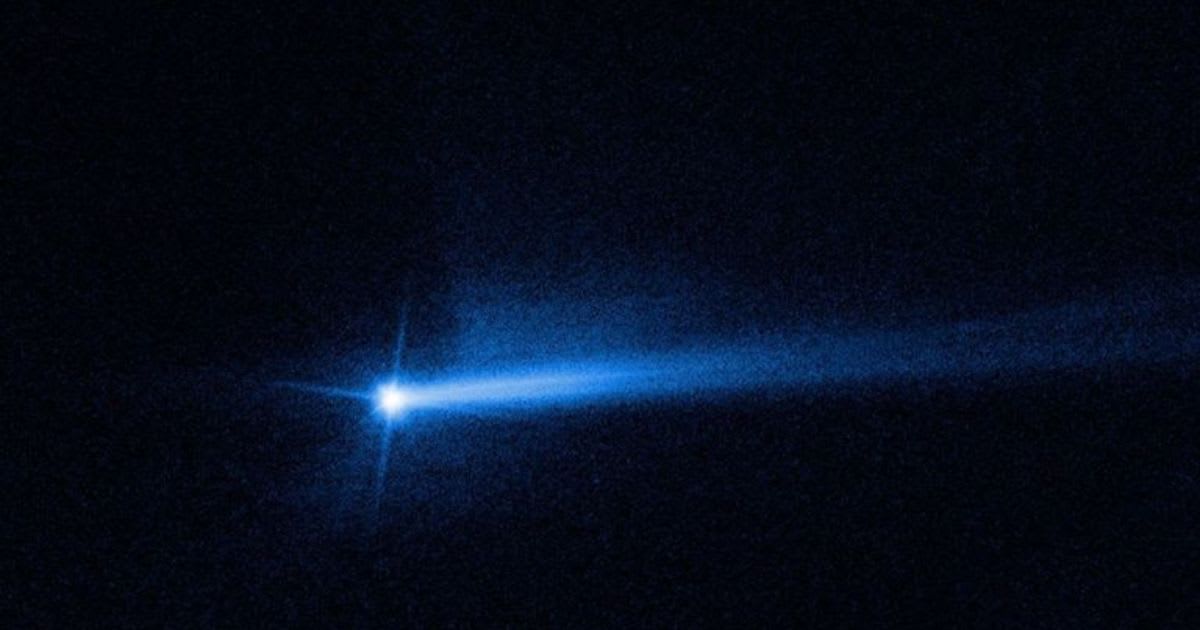
"This extra push from the debris plume is critical to consider when building future spacecraft to deflect asteroids from Earth,” said Dave Glenar, a planetary scientist at the University of Maryland, Baltimore County, who participated in the study. The LICIACube satellite, contributed by ASI, detached from the DART spacecraft 15 days before the collision. It had a brief 60-second window after the impact to capture a series of 18 images, flying past the debris at 15,000 miles per hour. The proximity allowed LICIACube to capture detailed, multi-angle views of the dust cloud.
By analyzing the way sunlight reflected off the plume, researchers determined it was composed mostly of larger particles, a millimeter or more in size. Using models and data from other asteroid missions, they estimated that nearly 45% of the total ejected mass was so dense it was hidden from view. While the DART mission proved the effectiveness of kinetic impact, scientists warn that every asteroid is different. Timothy Stubbs, a planetary scientist at NASA Goddard, noted that asteroids with denser, more tightly packed material might react differently. “Every time we interact with an asteroid, we find something that surprises us, so there’s a lot more work to do,” Stubbs stated. “But DART is a big step forward for planetary defense.”
In a unique tribute to their success, seven scientists and engineers from the Johns Hopkins Applied Physics Laboratory (APL) who made the DART mission a success have been honored with asteroids named after them, as per Johns Hopkins APL. The decision was announced in a June 2023 bulletin from the International Astronomical Union's (IAU) Working Group for Small Bodies Nomenclature. The DART mission, which cost a modest $325 million, was designed, built, and operated by APL. Its success in demonstrating a kinetic impactor as a viable defense against potential asteroid threats has paved the way for future planetary defense missions, proving that a low-cost approach can have a monumental impact.