Hayabusa2’s final target is faster and 3 times smaller than expected—is touchdown still possible?
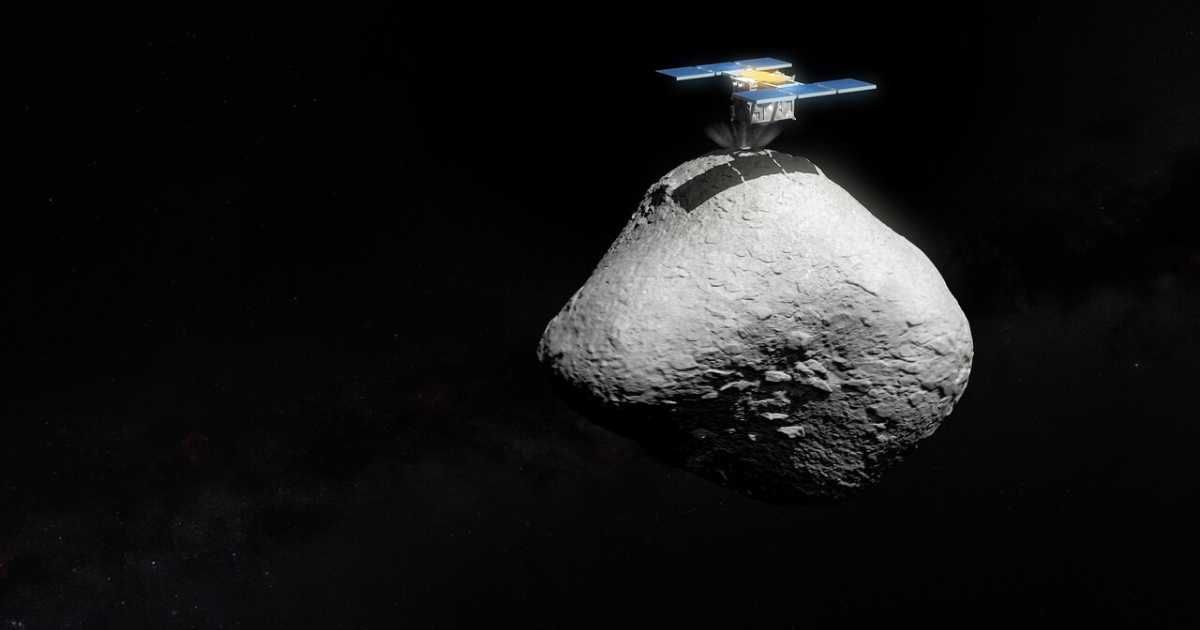
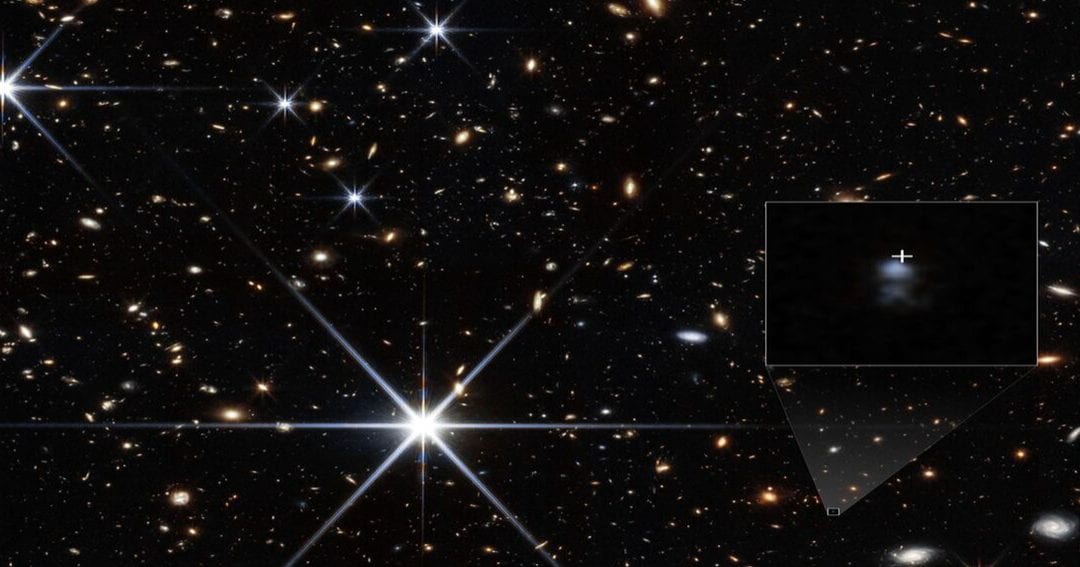
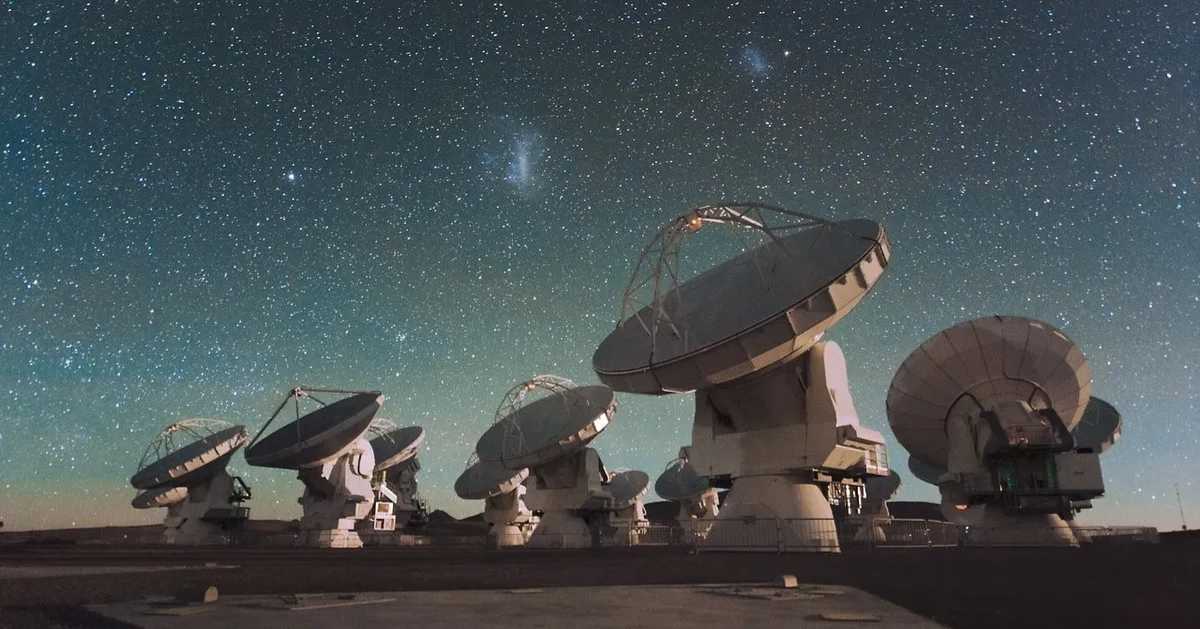
New research indicates that the asteroid 1998 KY26, the final target for Japan's Hayabusa2 extended space mission, is significantly smaller and rotates much faster than initial projections. The European Southern Observatory's (ESO) Very Large Telescope and other global observatories provided critical data for the findings, which could pose new challenges for the 2031 rendezvous, as per ESO.
A study published in Nature Communications revealed that the asteroid, previously estimated to be 30 meters in diameter with a 10-minute rotation, is in fact only 11 meters wide and spins at roughly five minutes per rotation. “One day on this asteroid lasts only five minutes!" said astronomer Toni Santana-Ros, the lead researcher from the University of Alicante, Spain.
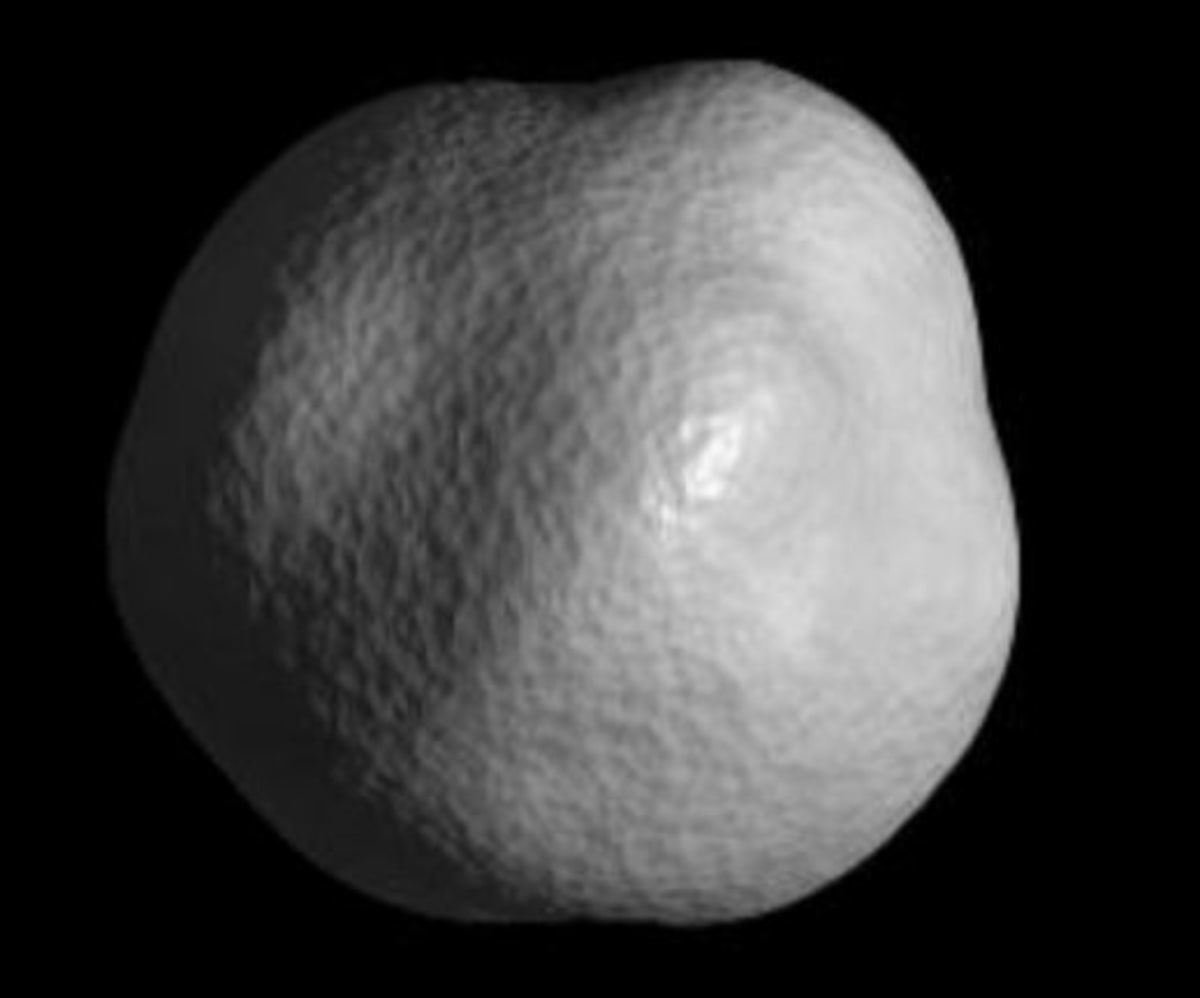
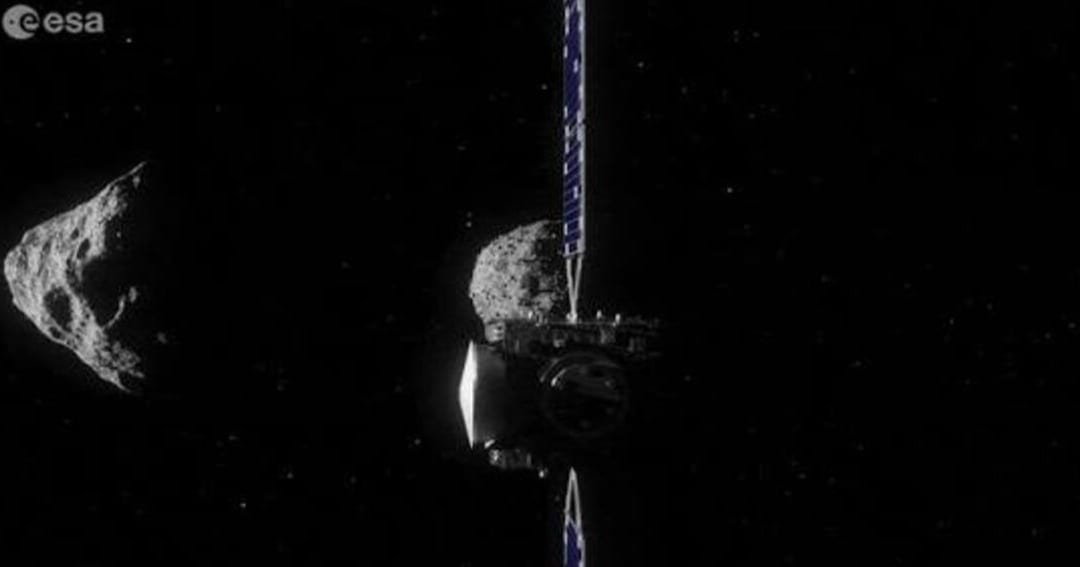
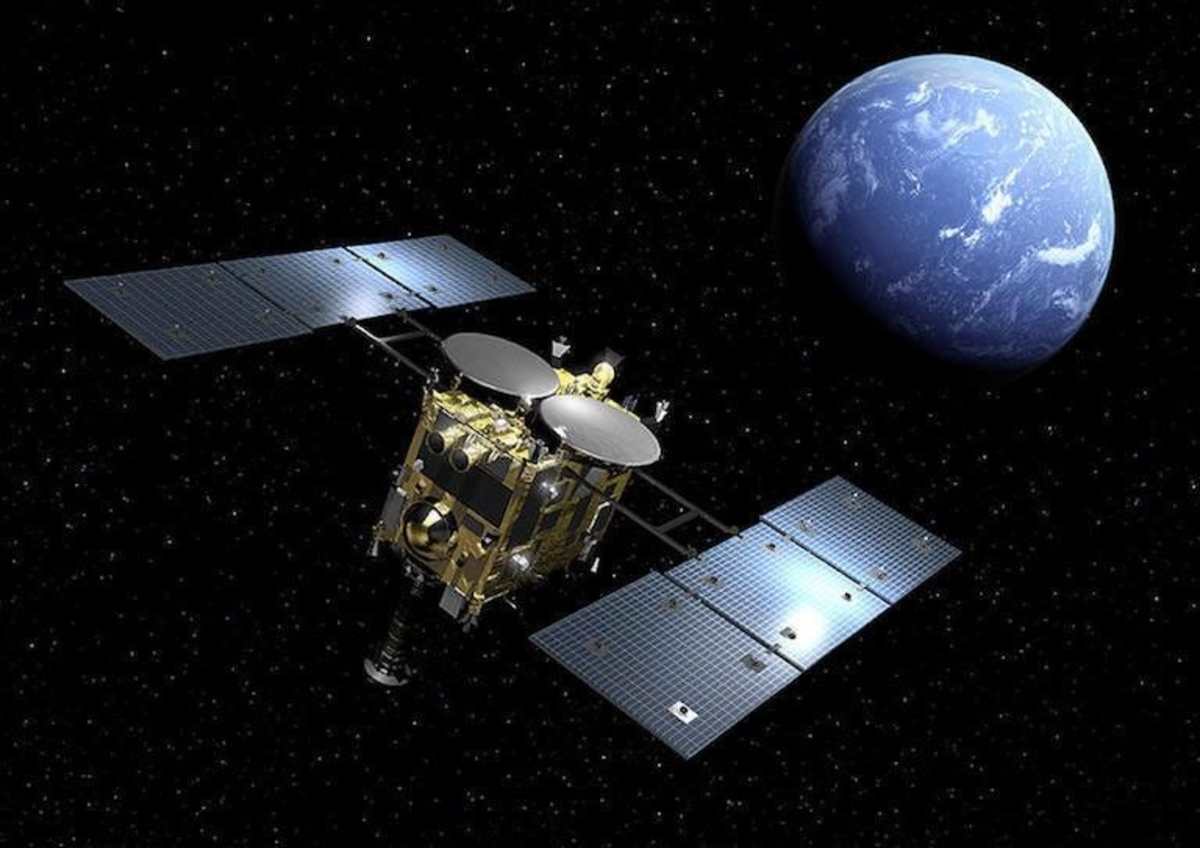
This is the first time a space mission will attempt to encounter such a small celestial body. The Hayabusa2 spacecraft, which successfully returned samples from the 900-meter asteroid 162173 Ryugu in 2020, was extended for a new mission to study the smallest asteroids. Scientists warn that the new size and speed data will make the planned "touchdown" maneuver, where the spacecraft briefly makes contact with the surface, more difficult. "The smaller size and faster rotation now measured will make Hayabusa2’s visit even more interesting, but also even more challenging,” said co-author Olivier Hainaut, an astronomer at ESO.
The research also offers insight into the asteroid's composition, suggesting it may be a solid chunk of rock with a bright surface. However, scientists are not ruling out the possibility that it is a "rubble pile" of loosely held-together material. The findings from this research could influence how future missions approach similar small, near-Earth asteroids. The new findings are not only a scientific milestone but also hold profound importance for humanity. By successfully characterizing and potentially visiting a decameter-sized asteroid, the Hayabusa2 mission provides a crucial precedent for planetary defense.
The Hayabusa2 mission's new challenge with 1998 KY26 comes after a remarkable series of achievements during its original mission to asteroid Ryugu. In 2019, the spacecraft performed two successful touchdowns, collecting both surface and subsurface material, according to JAXA. It also deployed an impact device to create the first-ever artificial crater on an asteroid.
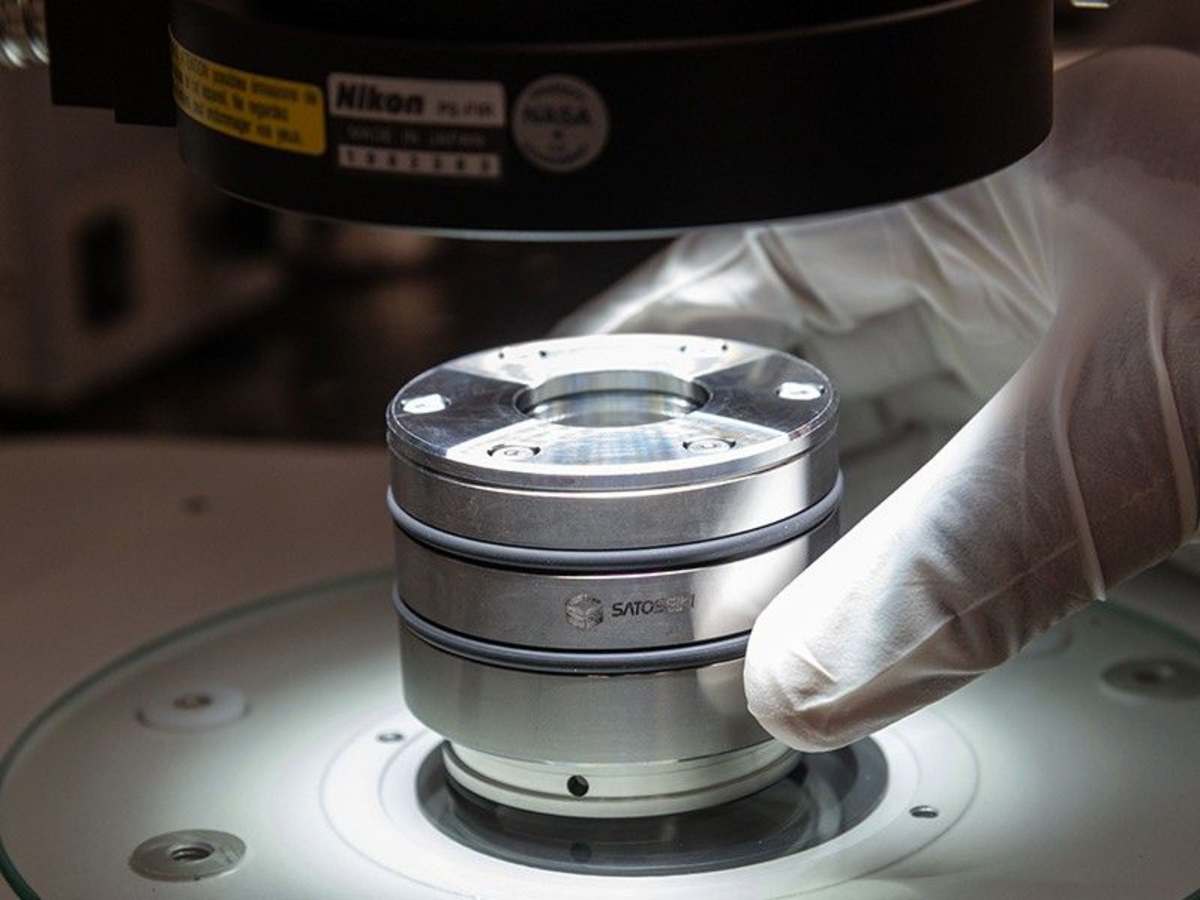
The spacecraft departed Ryugu in late 2019, returning a sample capsule to Earth in December 2020. The capsule contained a surprisingly abundant 5.4 grams of material, far exceeding the initial goal of 0.1 grams. Preliminary analysis of these samples has been highly promising, revealing a treasure trove of information that could shed light on the early formation of our solar system. Researchers discovered organic compounds, including amino acids, and even water within the collected material. These findings provide unprecedented opportunities for scientists worldwide.
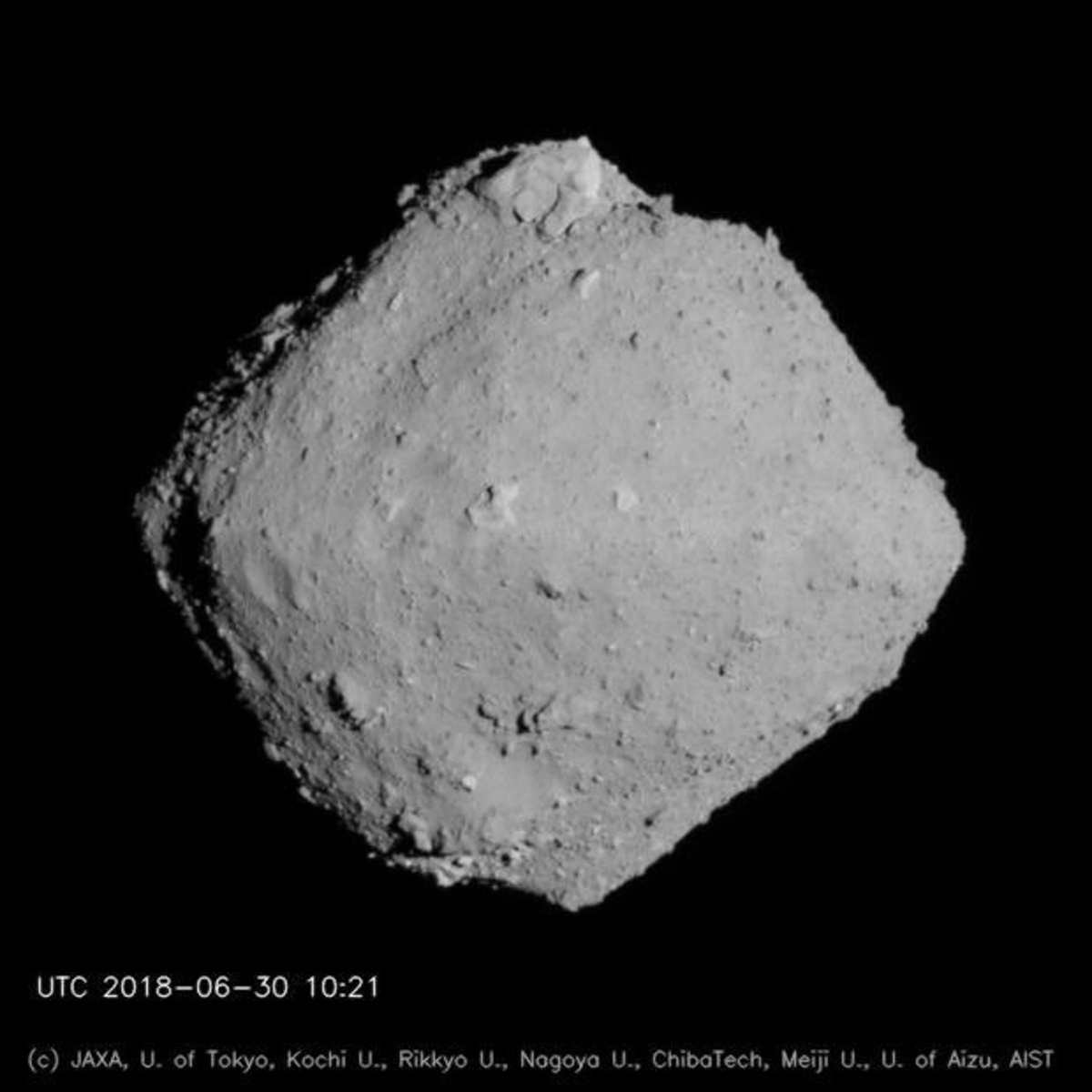
Now on its extended journey, Hayabusa2 is set to continue its exploratory mission. It is scheduled for a flyby of asteroid 2001 CC21 in 2026, with the ultimate rendezvous with 1998 KY26 planned for 2031. Furthermore, collaborative analysis of the samples from both Hayabusa2 and NASA's OSIRIS-REx mission is slated to provide a deeper understanding of our cosmic origins.
More on Starlust
'God of Chaos' asteroid would be visible to the naked eye in a once-in-a-millennium celestial event
A 'quasi-moon' asteroid has been orbiting Earth for 60 years—and scientists are just finding out