Blue Origin's New Glenn is moving to historic NASA facility as it prepares for Artemis missions
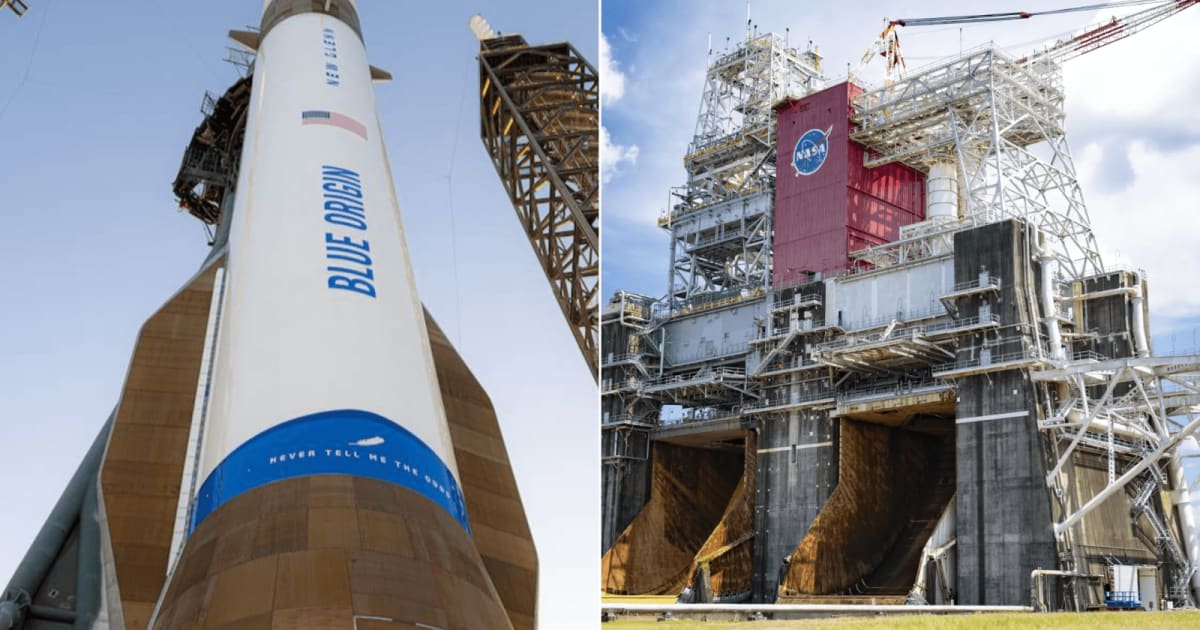
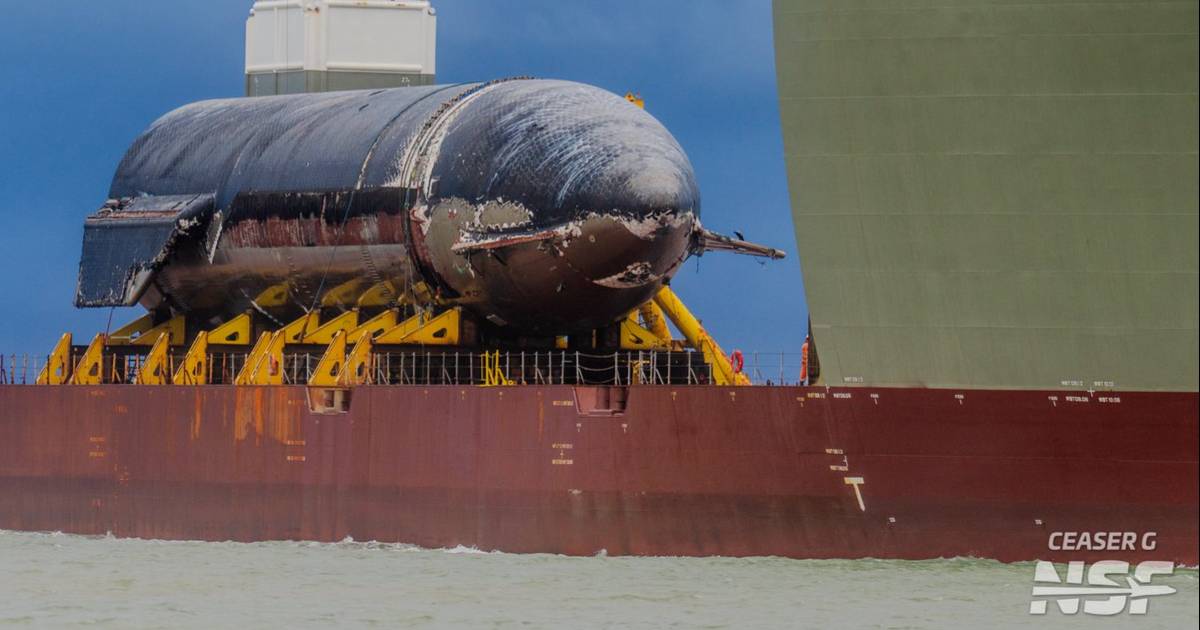
NASA and Blue Origin have taken another step forward in their mission of returning humans to the Moon. Blue Origin's CEO Dave Limp, in an update shared on an X post this Wednesday (September 9), announced that a New Glenn upper stage, GS2, was being prepared to be moved to NASA's Stennis Space Center, near Bay St. Louis, Mississippi, where it will undergo hotfire testing at the B-2 test stand. The test will be a significant step in the validation of New Glenn's upper stage performance and will play a role in accomplishing NASA's mission of returning humans to the Moon through its Artemis campaign.
The next GS2 is loaded up and now preparing to head to @NASAStennis for vehicle hotfire testing, the first of our second stages to be tested at the historic B-2 stand. Proud to test at Stennis, where Mississippi has powered American spaceflight for decades. The Blue team and our… pic.twitter.com/w8r01PhWht
— Dave Limp (@davill) September 9, 2026
The agreement between NASA and Blue Origin for New Glenn second stage testing at the B-2 stand was made earlier this year, and testing is scheduled to start this fall to facilitate Artemis missions in 2027 and beyond. "To support upcoming testing at Stennis, NASA will provide the engineers, equipment, and building services needed to design, build, and install parts that will prepare the B-2 for second stage testing of the rocket named in honor of the late NASA astronaut John Glenn, the first American to orbit Earth," the space agency had said in its announcement of the agreement.
The B-2 test stand was built with the purpose of testing the Saturn V rocket stages that delivered astronauts to the Moon as part of the Apollo program in the late 1960s and early 1970s. Later, the stand was used in NASA's Space Launch System Green Run testing program in 2020-2021 before the Artemis I mission. The upcoming test will, however, be the first instance of a New Glenn second stage undergoing testing at the stand. The stage is fuelled by two BE‑3 engines that use liquid hydrogen and liquid oxygen propellants. Each of these engines produces 200,000 pounds of thrust in vacuum.
Blue Origin's role in NASA's Artemis program
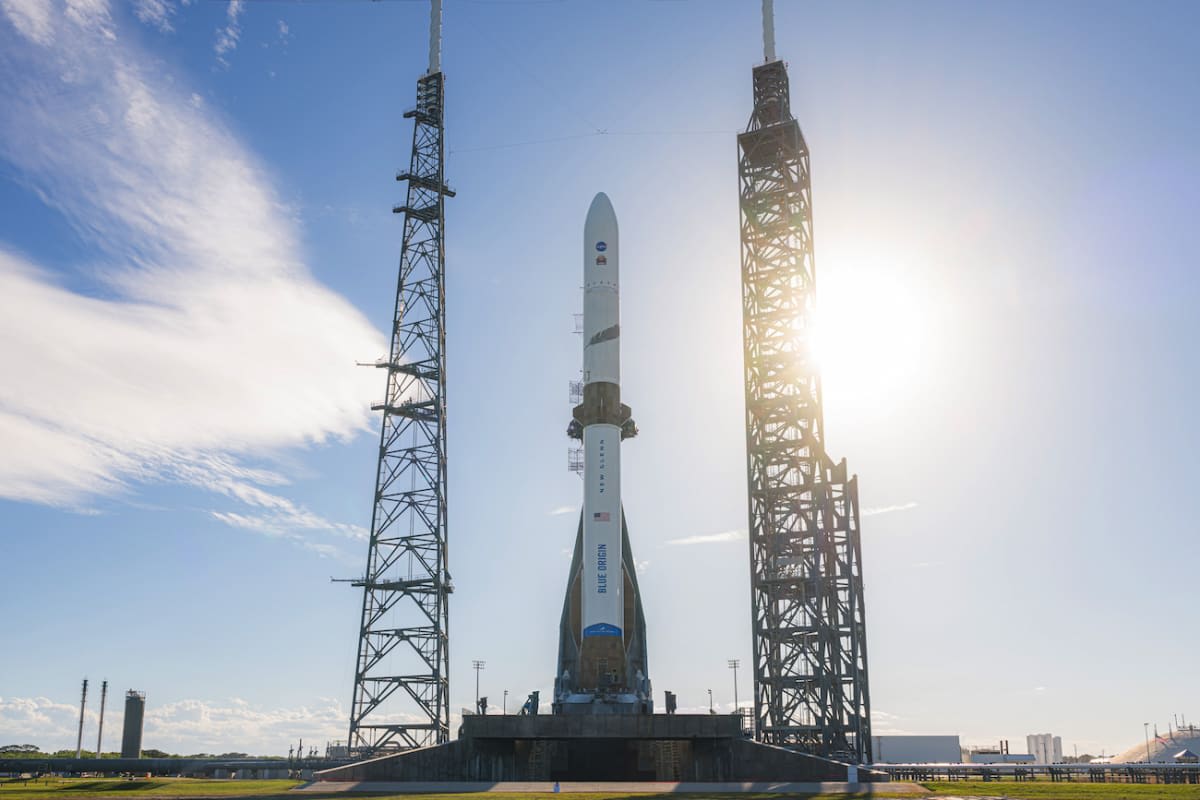
New Glenn will launch the Blue Moon Mark 2 human landing system pathfinder, also designed by Blue Origin, to low-Earth orbit as part of the Artemis III mission scheduled for next year. NASA's crewed Orion spacecraft will rendezvous and dock with this test article, allowing the astronauts to board it and test its various systems. This mission, which will also involve a Starship human landing system pathfinder from SpaceX, is aimed at reducing risks for when one of the two commercial landers attempts to return astronauts to the lunar surface during Artemis IV, scheduled for 2028.
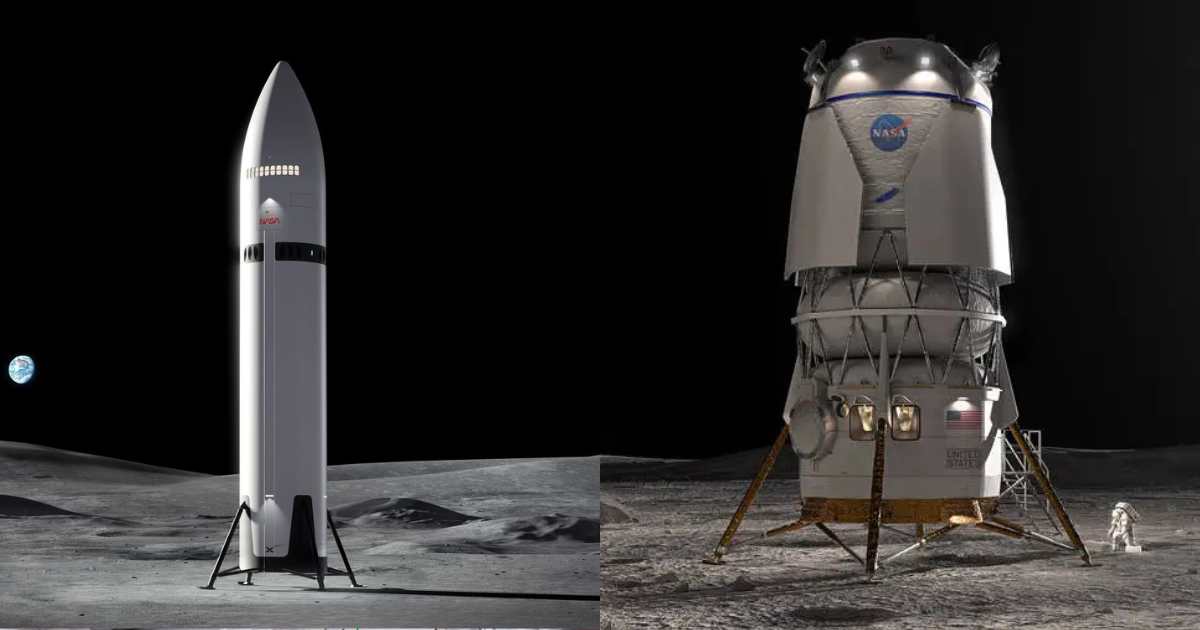
The New Glenn rocket was also supposed to launch Blue Origin's Blue Moon Mark 1 Endurance lander this fall to deliver NASA payloads to the lunar South Pole as part of the agency's Moon Base initiative. But it's unlikely that Blue Origin will be able to meet the deadline, given New Glenn hasn't yet returned to flight following its explosion during a hotfire test in May.
More on Starlust
Stream NASA's Moon base construction in 4K: Blue Origin's Lunar Express could make it possible
NASA gives Blue Origin four years to complete high-speed communications network around Mars