Rocket Lab protests NASA’s $700 million contract awarded to Blue Origin to build a Mars orbiter
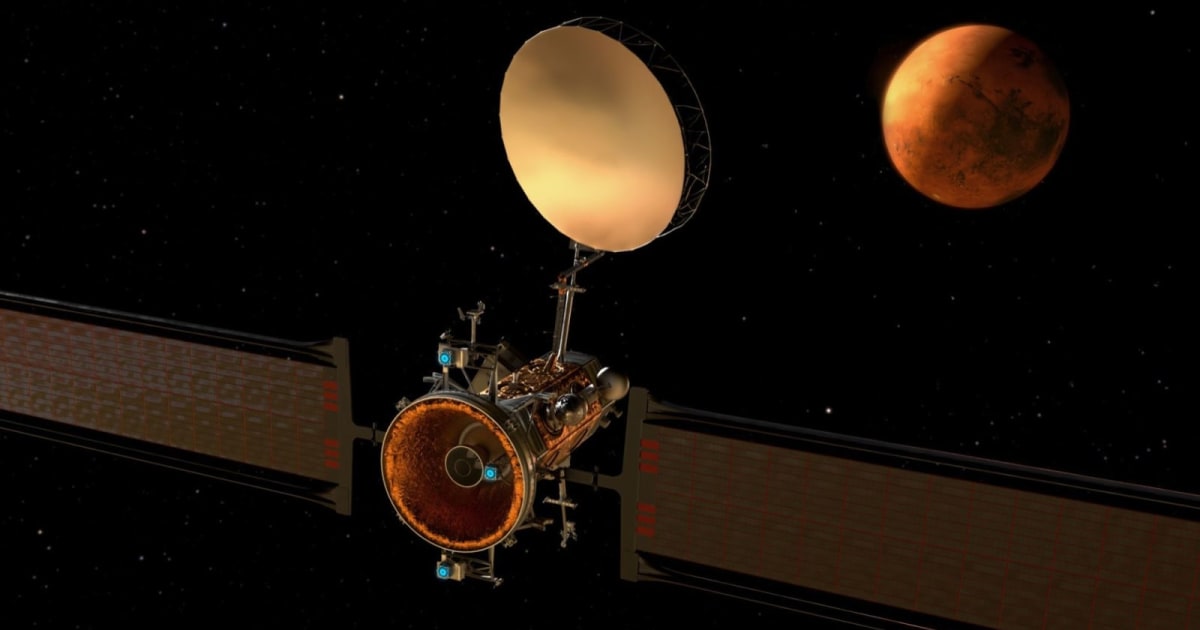
Rocket Lab has challenged NASA’s decision to award a multi-million contract to Blue Origin to build an orbiter for Mars. In a statement released Saturday, the company said it has filed a formal protest with the Government Accountability Office, accusing NASA of being incorrect about its review of Rocket Lab’s proposed orbiter and calling for a fair competition.
Rocket Lab has filed a formal protest with the Government Accountability Office challenging NASA’s award decision for the Mars Telecommunications Network.
— Rocket Lab (@RocketLab) September 11, 2026
NASA’s award decision appears to be inconsistent with the eligibility criteria mandated by Congress. In addition, the… pic.twitter.com/g48AWgiIoR
On September 1, NASA announced that it has offered Blue Origin $700 million to build a Mars Telecommunications Network (consisting of a single orbiter) which will enable high-bandwidth communications and navigation services for current and future Mars missions. It will serve as a bridge between Earth and Mars in terms of data transfer, a job currently being done by Mars Odyssey and the Mars Reconnaissance Orbiter. NASA expects the orbiter to be delivered no later than December 31, 2028 and be operational at Mars by 2030.

When NASA was inviting proposals for the orbiter from private companies, the US Congress had reportedly mandated an eligibility criteria. Rocket Lab has indicated that NASA bypassed that criteria while deciding on the final candidate. “NASA’s award decision appears to be inconsistent with the eligibility criteria mandated by Congress. In addition, the agency’s punitive review of Rocket Lab's technical volume was inconsistent, making incorrect assertions and conclusions,” Rocket Lab said in its statement. “Procurement standards exist to ensure fair competition and protect public investment. We are pursuing this review to ensure those standards are upheld for critical infrastructure that will underpin American exploration at Mars for decades to come,” it further said.
Blue Origin’s Mars Telecommunication Orbiter (MTO) is currently under production at the company's dedicated facility in Huntsville, Alabama and it’s being designed to deploy multiple payloads and ultimately support America’s Mars exploration program. "MTO is the backbone of America's Mars exploration program for the next decade and beyond and will provide the reliable communications capacity that will keep future robotic and human missions connected to each other and to Earth," Tory Bruno, president, Blue National Security, had stated after NASA’s procurement offer. "This awarded contract is a testament to the Blue Origin team that has been building Blue Ring with exactly this kind of mission in mind. We're ready, and so is the hardware."
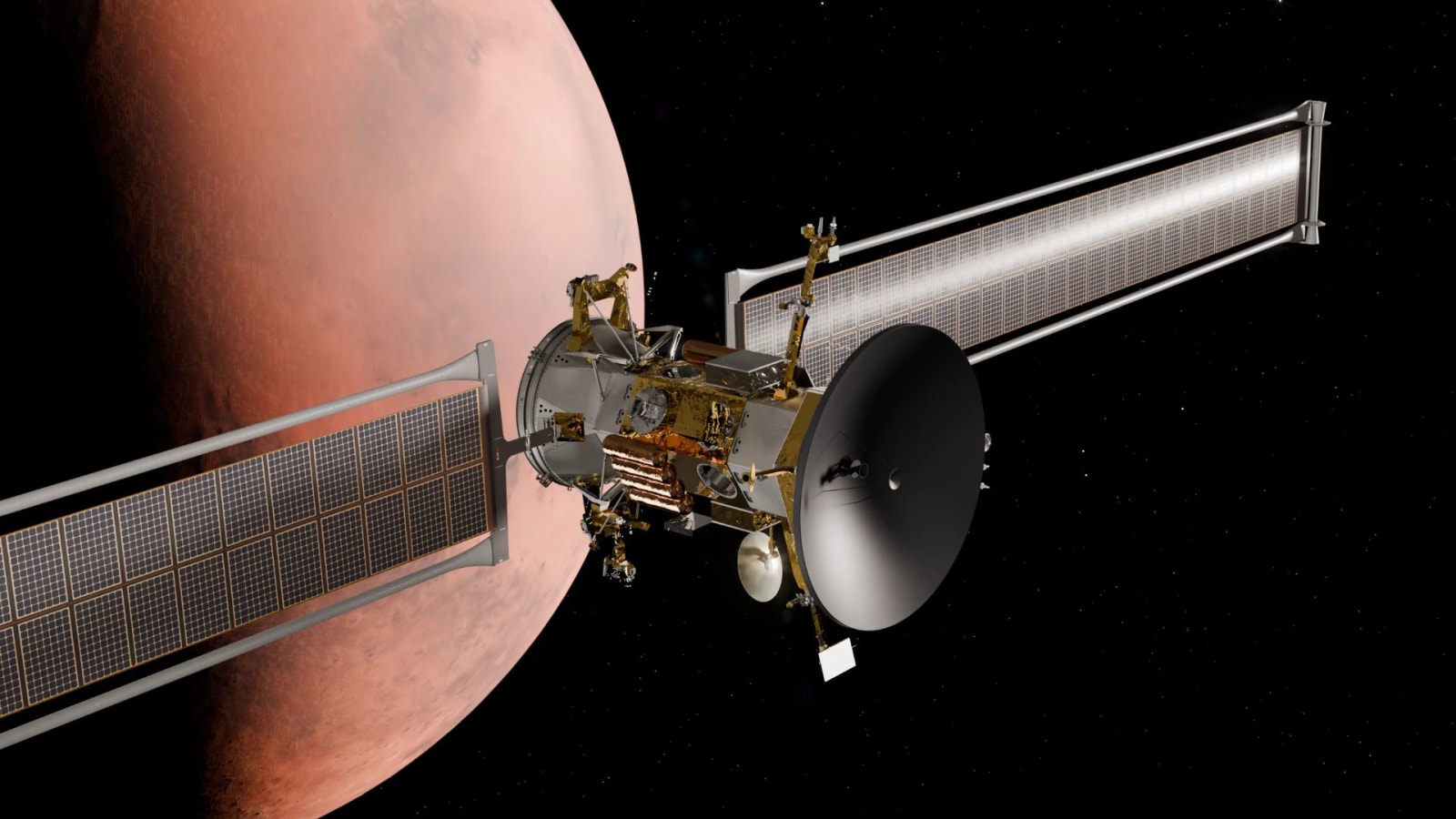
Rocket Lab, on the other hand, also claims its MTO is ready, has been tested for Mars and meets all critical demands necessary to build the communications network. Interestingly, Blue Origin was also once at the doorsteps of the GAO. In 2021, it had filed a complaint against NASA over a $2.9 billion contract awarded to SpaceX for building a crewed Moon lander for the Artemis Program. After the complaint was shot down, Blue Origin sued NASA in the US Court of Federal Claims but lost the case.
More on Starlust
China to beat NASA? Tianwen-3 plans to bring back Mars samples by 2031 to search for signs of life
Indian scientists propose BHEEM—a Mars habitat double the size of ISS designed to launch on Starship