ISRO to launch NVS-03 navigation satellite aboard GSLV rocket on October 30; how to watch live
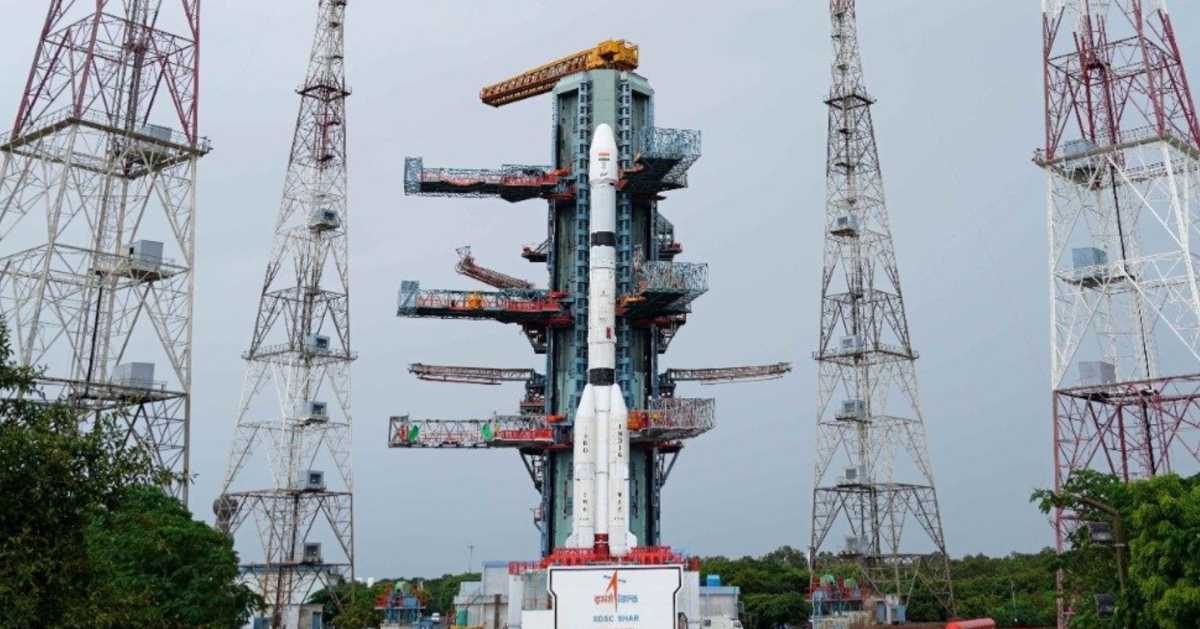
The Indian Space Research Organization (ISRO) is all set to launch its next mission tomorrow. Named the GSLV-F18/NVS-03 mission, it is scheduled to lift off at 2:21 pm EDT (11:51 pm IST) on October 30 from the Satish Dhawan Space Center in Sriharikota with a navigation satellite. This satellite, being launched atop the Geosynchronous Satellite Launch Vehicle (GSLV) rocket, will be placed in a geosynchronous transfer orbit and is meant to strengthen India’s indigenous navigation system, NavIC (Navigation with Indian Constellation). India’s NavIC is designed to provide accurate navigation services to users in India as well as the region extending about 1,500 km (932 miles) beyond the Indian landmass.
GSLV-F18, India’s Geosynchronous Satellite Launch Vehicle mission, will carry the NVS-03 navigation satellite. Launch: 30th October 2026, 23:51 hours IST Watch live: 30th October 2026, 23:20 hours IST onwards https://t.co/Mbllc4lcM2 Mission details: https://t.co/6YvrbYjFJI #GSLVF18 #NVS03 #ISRO #NavIC
— ISRO (@isro) October 28, 2026
Meanwhile, the upcoming mission will launch the third satellite in the second-generation navigation satellite system. According to ISRO’s statement, the NVS-03 satellite “carries [an] indigenous atomic clock, along with the procured atomic clocks. It also includes [an] L1 signal in addition to [the] existing L5/S signals with coverage over [the Indian] land mass and a region extending 1,500 km around the Indian geopolitical boundary.”
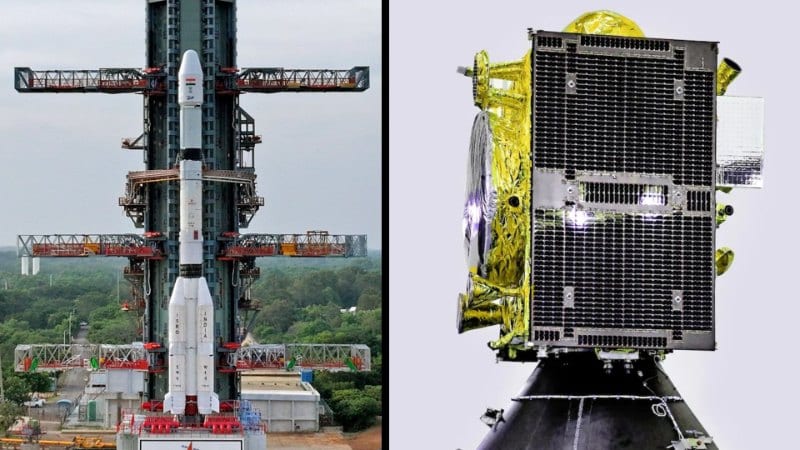
The NVS-03 mission will mark the 20th flight for the GSLV rocket. This three-stage launch vehicle measures 164 feet tall (50 meters) and has the capacity to transport up to approximately 4,960 pounds (2,250 kg) to a geosynchronous transfer orbit and 13,227 pounds (6,000 kg) to low Earth orbit. The rocket will place the NVS-03 satellite in a 105 by 23,005 mile (170 by 37,023 km) elliptical orbit around Earth. The upcoming launch will be ISRO’s first attempt to restore NavIC’s capabilities since a failure in January 2025. While the rocket correctly placed the previous NVS-02 satellite in a geosynchronous transfer orbit, it failed to raise its altitude to the intended position due to issues in the propulsion system. ISRO has planned to launch a few more NVS satellites (with NVS-04 and NVS-05 next) to replace and augment the aging navigation constellation.
How to watch the launch live?
The live webcast of the launch will begin 30 minutes prior to the scheduled liftoff. You can stream it live on ISRO’s YouTube channel.
Another major ISRO mission in 2026
Apart from satellites, ISRO is also aiming to launch the first uncrewed test mission of the Gaganyaan program. The agency has almost completed all tests related to the mission, which is targeted for launch in late 2026. Under Gaganyaan, ISRO will send three Indian nationals on a three-day mission to low Earth orbit and back on an Indian spacecraft. Earlier this month, it completed a series of key separation tests of the Crew Module (CM) and the Service Module (SM), validating critical elements for the separation of the two modules during atmospheric reentry in the terminal stages of the mission. ISRO has planned three uncrewed test flights before launching astronauts to space. One of these test flights will include a female humanoid robot capable of monitoring module parameters, issuing alerts, and executing life support operations.
More on Starlust
SpaceX conducts a six-engine static fire test of Ship 42 ahead of Starship Flight 15; watch video
Watch: SpaceX launches 27 Starlink satellites on its 117th Falcon 9 mission of 2026