ISRO bounces back with successful launch of Earth imaging satellite aboard GSLV rocket
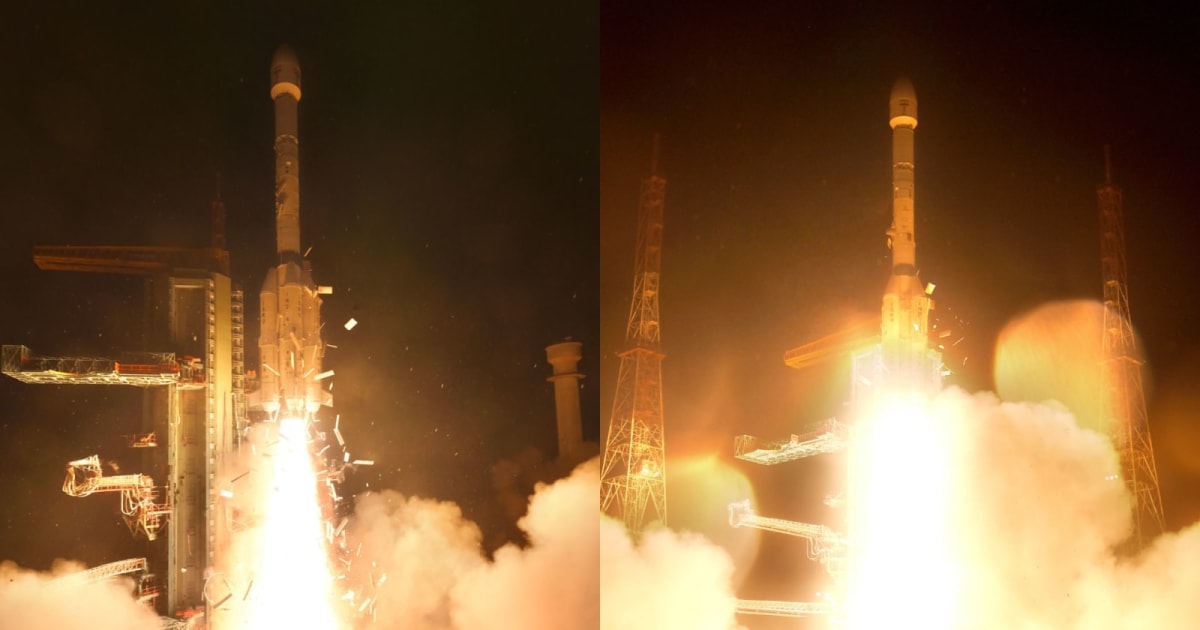
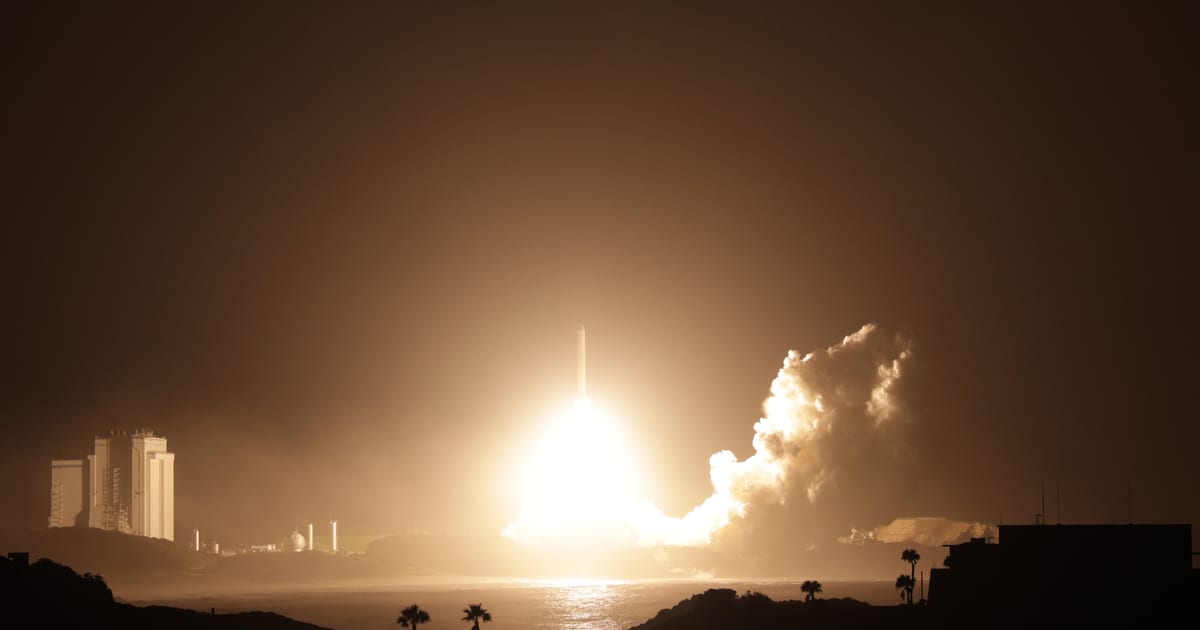
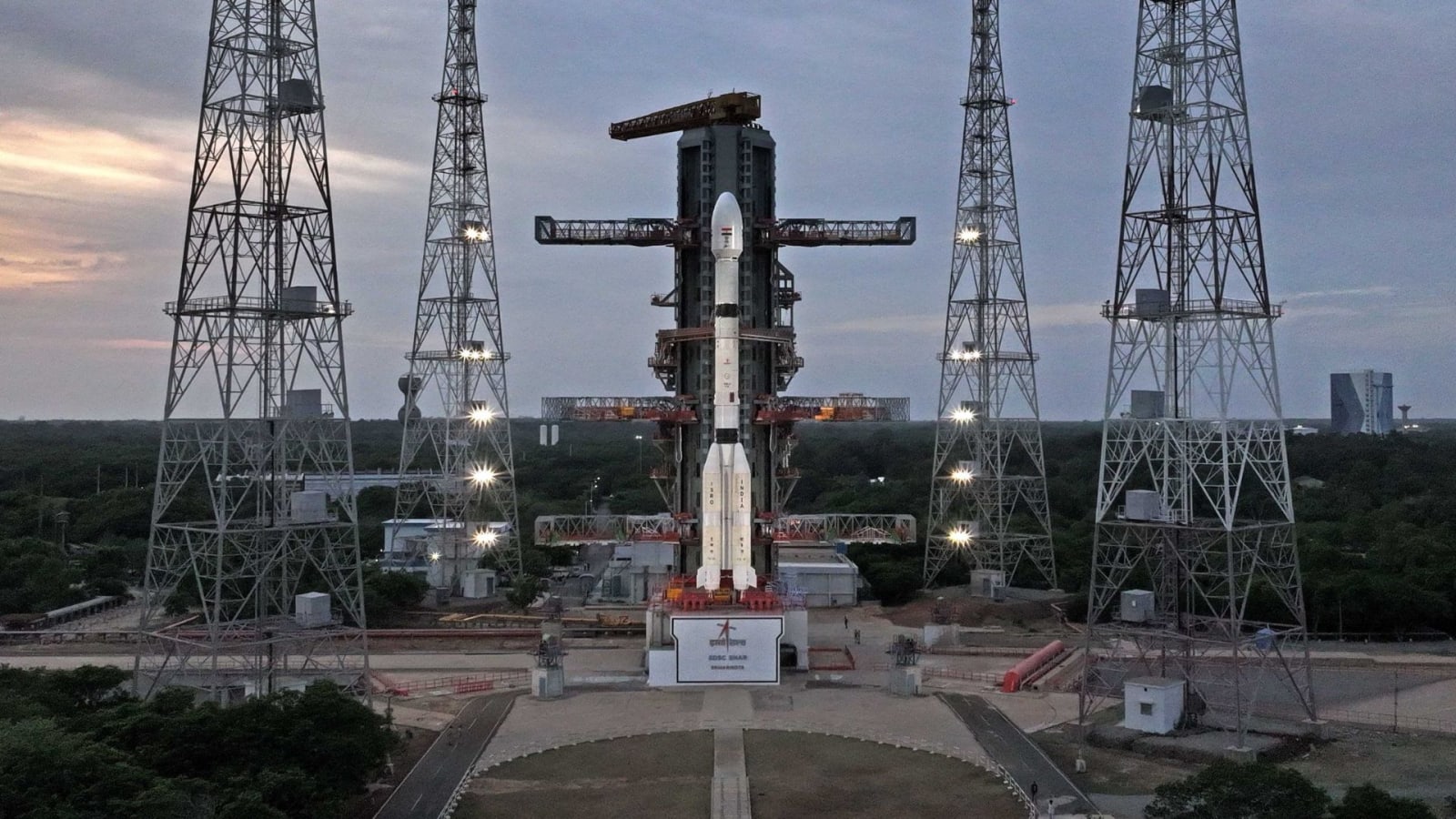
ISRO, on Thursday, ended its launch drought by successfully placing an Earth-imaging satellite into a geosynchronous orbit for the first time. The EOS-05 satellite launched atop the GSLV (Geosynchronous Satellite Launch Vehicle) rocket at 5:25 pm EDT (2:55 am IST on September 4) from the Second Launch Pad at Satish Dhawan Space Centre, Sriharikota. Shortly after launch, ISRO announced that the satellite had been deployed in the intended orbit. “The GSLV-F17 vehicle has placed the EOS-05 satellite into a Sub-Geosynchronous Transfer Orbit (Sub- GTO),” the space agency said in a statement.
Another giant leap for India in Space!
— Dr Jitendra Singh (@DrJitendraSingh) September 3, 2026
Kudos to Team @isro on the successful launch of GSLV-F17/EOS-05.
EOS-05 is a state-of-the-art Earth Observation satellite and India’s first imaging satellite from Geosynchronous Orbit, enabling advanced imaging across visible, infrared,… pic.twitter.com/1HHJrWM7ze
The 2,367 kg satellite (5,218 pounds), also called Gisat-1A, was initially placed in a sub-geosynchronous transfer orbit (sub-GTO). From this point, the satellite will use its propulsion system to raise itself to the planned geosynchronous orbit at about 36,000 kilometers (approximately 22,300 miles). This is a popular destination for weather satellites, as at this altitude, their orbital speeds synchronize with the rotation of Earth, allowing them to hover over the same patch of land, unlike low-Earth orbit satellites, which can only take brief shots of a particular region until they get to revisit it on a subsequent pass.
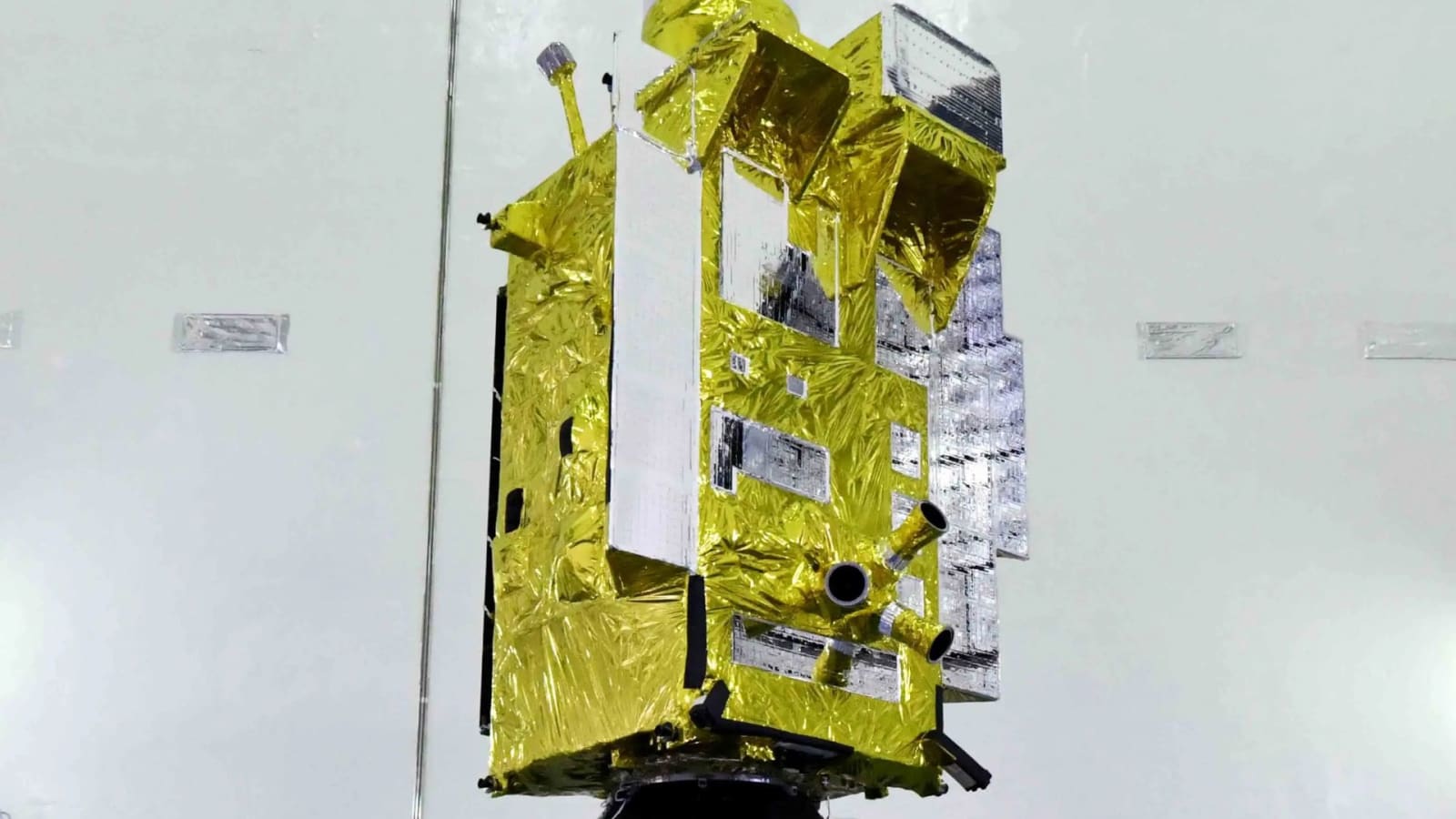
According to the Times of India, the EOS-5 satellite reportedly carries two multi-spectral imagers, one of which, sporting a spatial resolution of 42 meters per pixel, is the highest resolution camera ever placed in geostationary orbit. With these imagers on board, the satellite will be monitoring weather, tracking cyclones, floods, and forest fires, aiding agriculture and disaster response, and keeping an eye on Indian border areas. Dr. Jitendra Singh, India's Minister of State for Science said that the EOS-05 will enable "advanced imaging across visible, infrared, multi-spectral and hyperspectral bands."
With the success of the GSLV, ISRO has finally redeemed itself from the back-to-back failures it suffered in 2025 and 2026. The first failure came in May last year, when the PSLV (Polar Satellite Launch Vehicle), which also had an observation satellite onboard, deviated from its path after an anomaly in the third stage of the rocket. A few months later, in January this year, the PSLV launched again with the EOS-N1 military satellite but ran into trouble again at the end of the third stage engine burn. The rocket had 15 other payloads from private companies and institutions, all of which were lost as the mission failed.
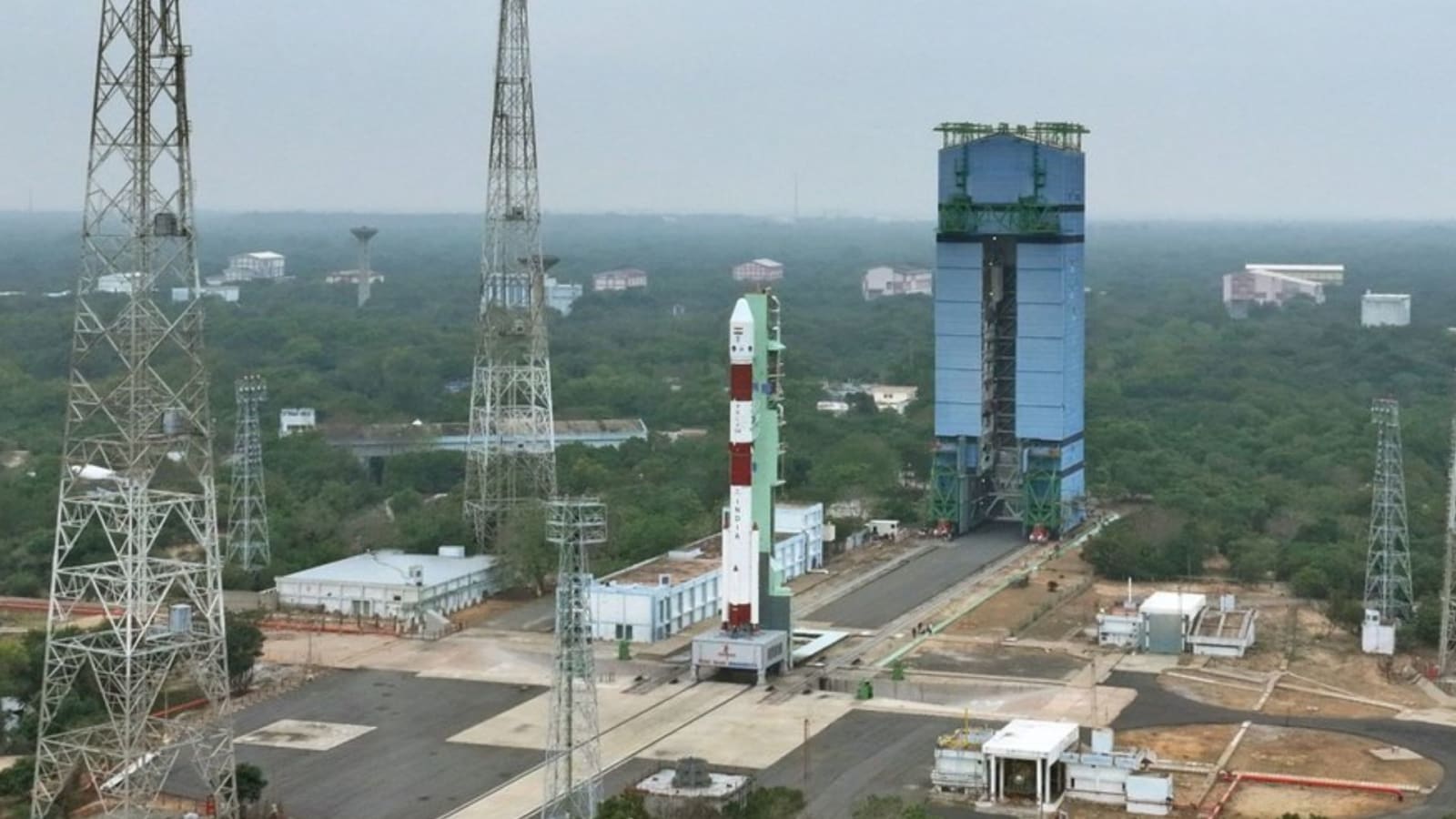
These back-to-back setbacks made a major dent in the reputation of the 145.7-foot-tall (44.4-meter) PSLV, which is referred to as "the workhorse of ISRO" and is the same rocket that has launched several key missions for India, such as Chandrayaan-1 to the Moon, the Mars Orbiter Mission, and the Aditya-L1 to study the Sun. The GSLV rocket, meanwhile, which flew on its 19th mission on Thursday, is often called the "naughty boy" inside ISRO because of its track record of six failures to date. So it's kind of ironic that it was the one to redeem the space agency after its "good boy" failed to impress.
More on Starlust
Indian scientists propose BHEEM—a Mars habitat double the size of ISS designed to launch on Starship