International Space Station’s Canadarm2 malfunctions; to be repaired via a spacewalk later this month
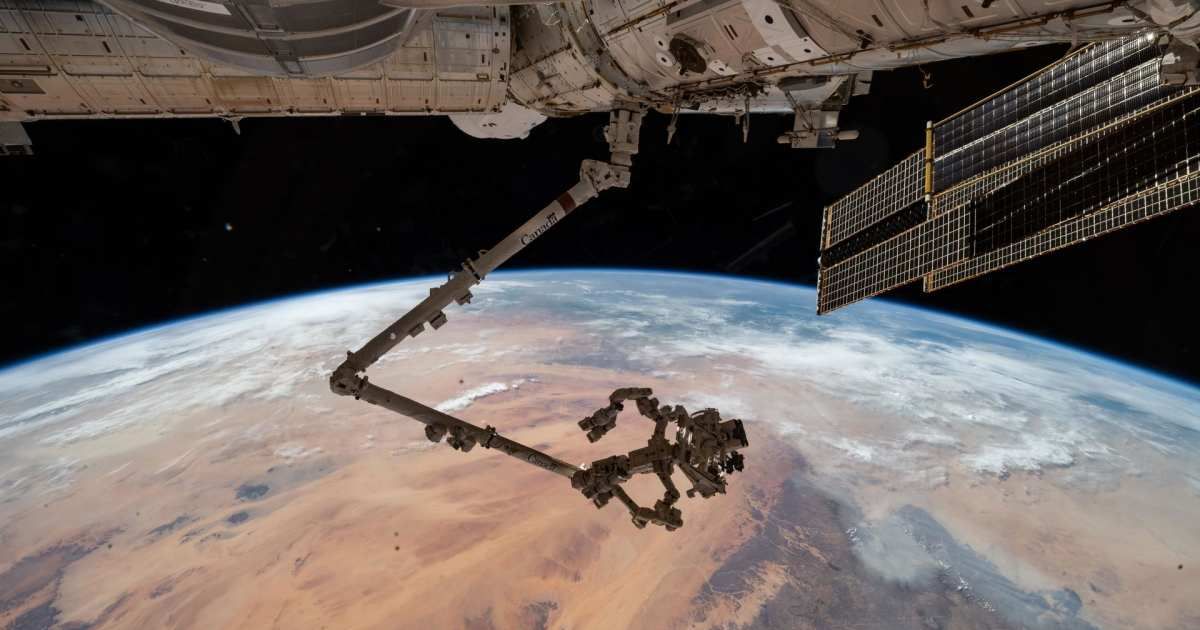
Canadarm2, the robotic arm on board the International Space Station, malfunctioned during routine operations on May 27, revealed NASA on Wednesday, June 10. The agency confirmed that the robotic arm's wrist joint had seen a higher than optimal motor current, necessitating the halting of its operations until the issue is fixed. NASA has earmarked June 30 as the date for performing the requisite repairs on the 25-year-old arm. This will be done via a spacewalk performed by some of the members of the Expedition 74 crew currently living and working at the orbital outpost.
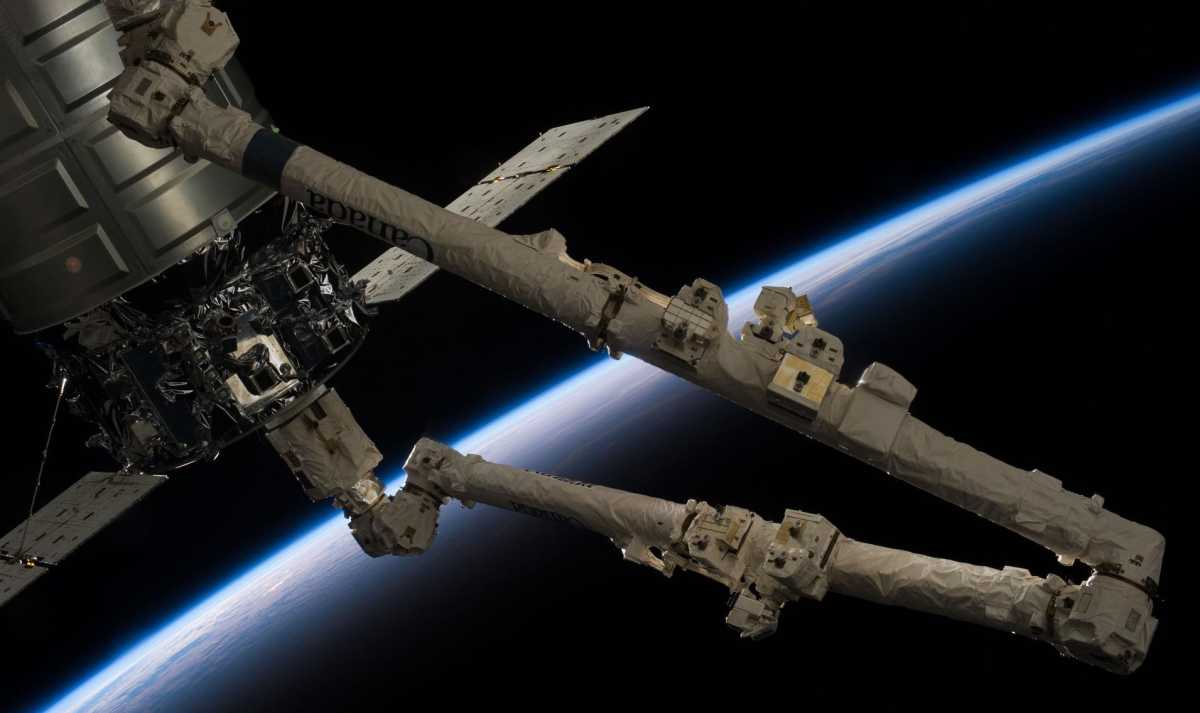
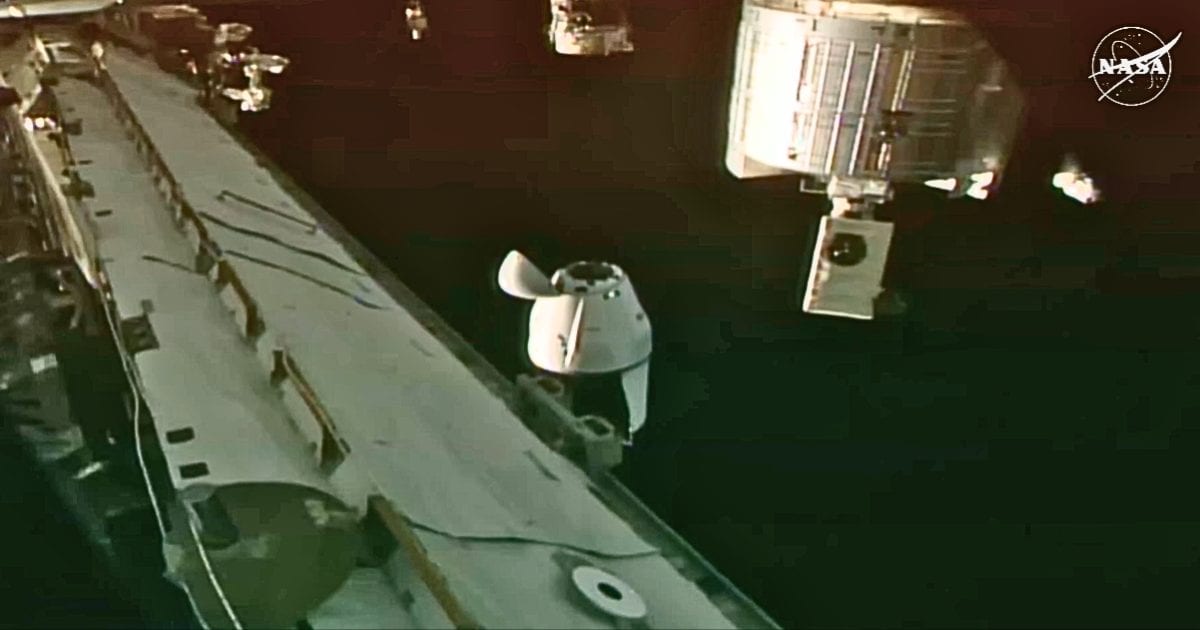
Repairing the 57.7-foot-long robotic arm will involve the replacement of the wrist joint with another spare unit, which is already at the ISS. This course of action was decided after NASA worked in tandem with the Canadian Space Agency to identify the cause of the robotic arm's unexpected movement anomaly. At the moment, Canadarm2 is in a safe configuration. Fixing the Canadarm2 as early as possible is important, as it serves not only to perform station maintenance but also to capture and dock visiting vehicles to the orbital laboratory. In fact, it captured a Cygnus XL cargo spacecraft meant for Northrop Grumman's 24th Commercial Resupply Services mission that brought vital supplies for the astronauts back in April.
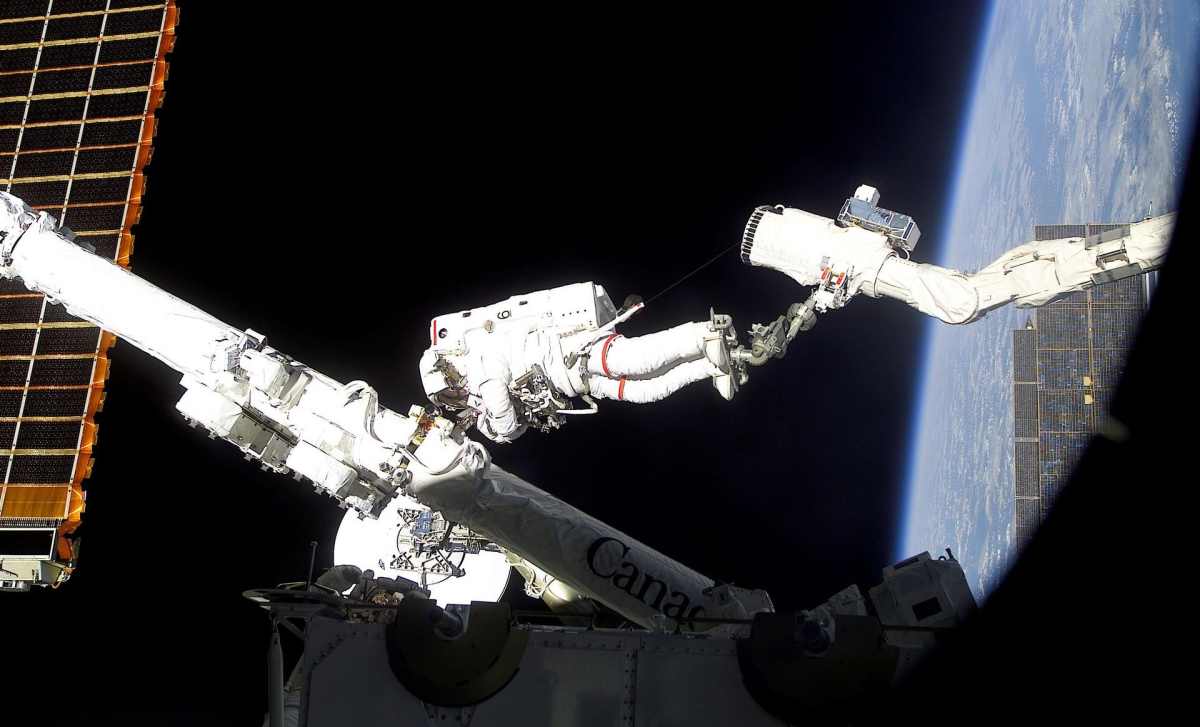
This is not the first time that a Canadarm2 wrist joint has experienced an issue since the 3,300-pound-heavy robotic arm was installed by CSA's Chris Hadfield and NASA's Scott Parazynski in 2001, having been brought aboard Space Shuttle Endeavour. A little over a year after its installation, the French Space Agency's Philippe Perrin and NASA astronaut Franklin Chang-Diaz were tasked with the repair of the wristroll joint. Similar to CSA and NASA's plan for the upcoming repair work, a replacement of the joint by another unit was performed by the duo, who screwed in six bolts and finished the task by restoring the robotic arm's power, video, and data connections.
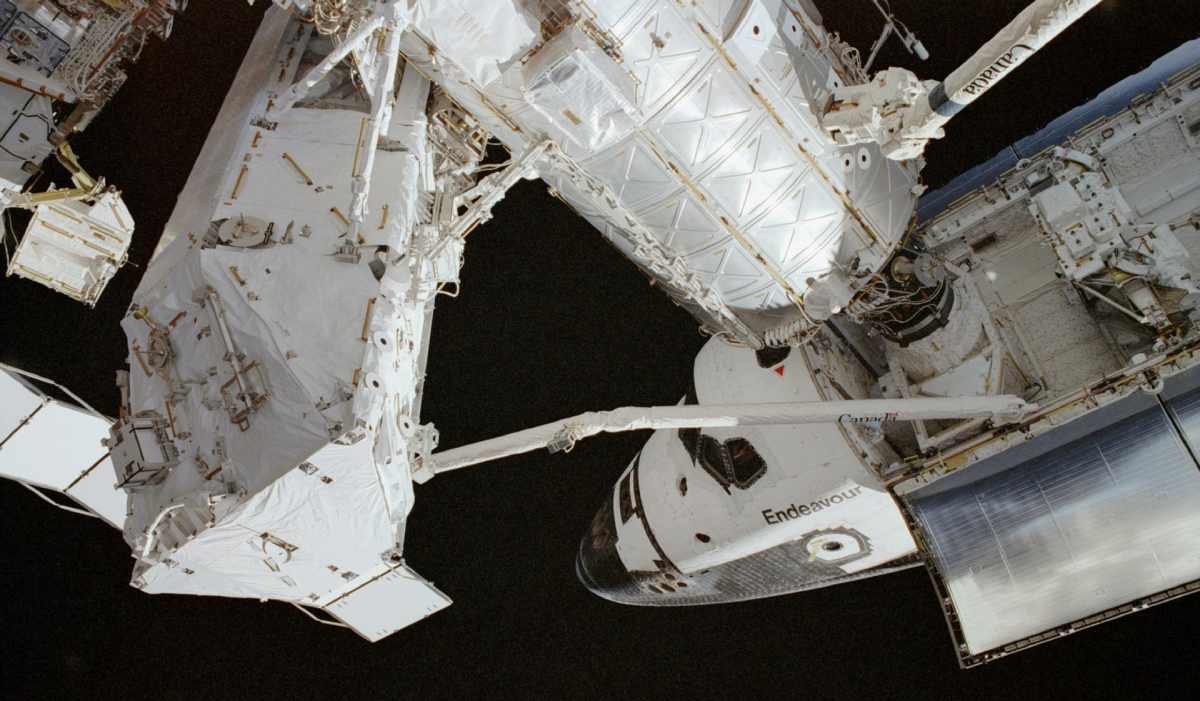
Canadarm2 is one of CSA's most valuable contributions to the space station's capabilities, having been involved extensively in the assembly of the orbiting laboratory. It has the capability to be attached at either of its ends, which allows it to be anchored to various points on the exterior of the station. Each end has a Latching End Effector (LEE)—an identical hand that has cables that enable the arm to firmly hold on to objects or latch itself to the station.
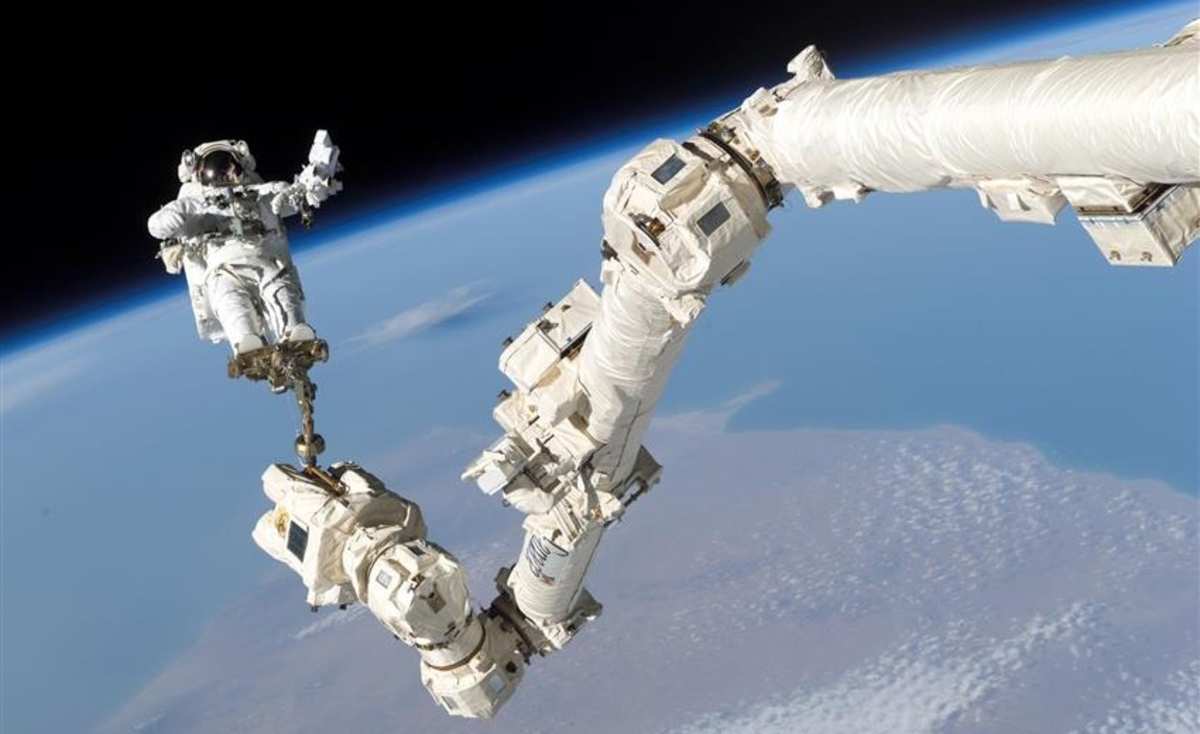
The Canadarm2, which provides seven degrees of freedom, was designed as an upgrade over its predecessor, the Canadarm, which used to provide six degrees of freedom. CSA had also planned for the development of another iteration of the arm for NASA's Artemis program. Canadarm3 was planned for installation at the Gateway lunar orbital outpost, which is currently on hold after decision-makers decided to prioritize the Moon Base on the surface. As for the Canadarm2, the restoration of its operations will be previewed in the lead-up to the spacewalk by NASA, with the announcement of the astronauts to perform it pending. Canadarm2 was designed to be repaired in orbit and will finally cease operations alongside the ISS when the latter de-orbits in 2030.
More on Starlust
Chinese startup Sustain Space tests robotic arm for orbital re-fueling in space
Expedition 74 cosmonauts complete 279th spacewalk in support of ISS—here’s everything they did