Apollo Moon samples suggest meteorites did not exactly fill Earth's oceans
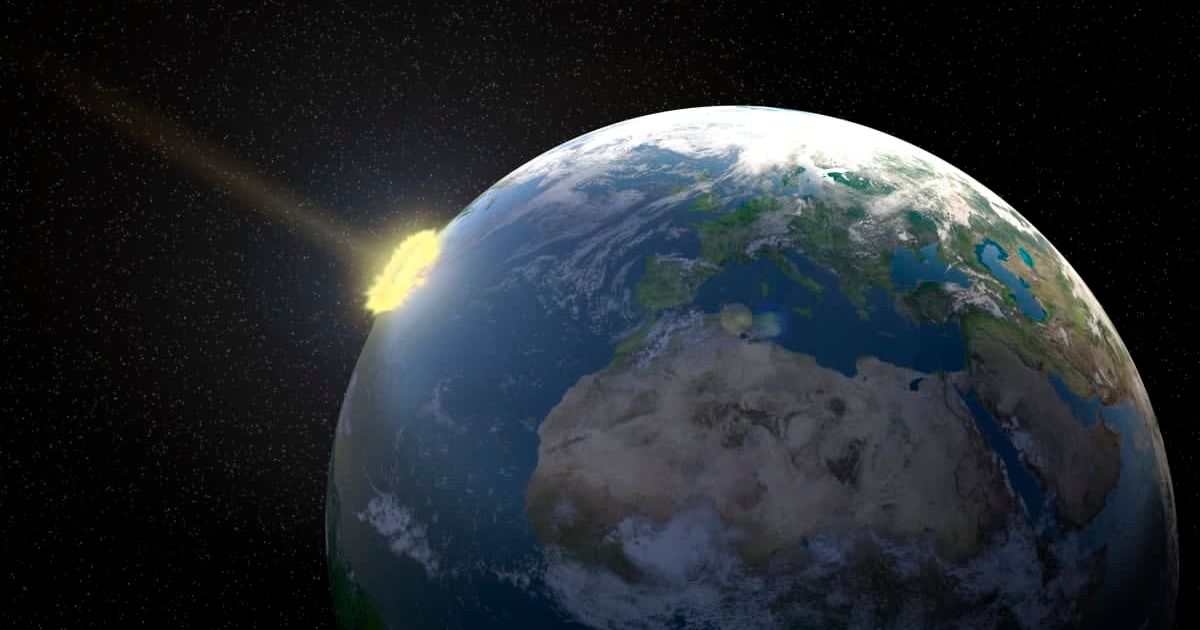
Studies so far suggested that a major source of water on Earth may have been meteorites that slammed into our planet in the early days of the solar system. A new NASA study published in the Proceedings of the National Academy of Sciences that analyzed Apollo samples, however, suggests otherwise. Led by Tony Gargano, a postdoctoral fellow at NASA's Johnson Space Center and the Lunar and Planetary Institute, the study claims that water delivered by meteorite impacts from 4 billion years ago only accounts for a small fraction of Earth's water content.
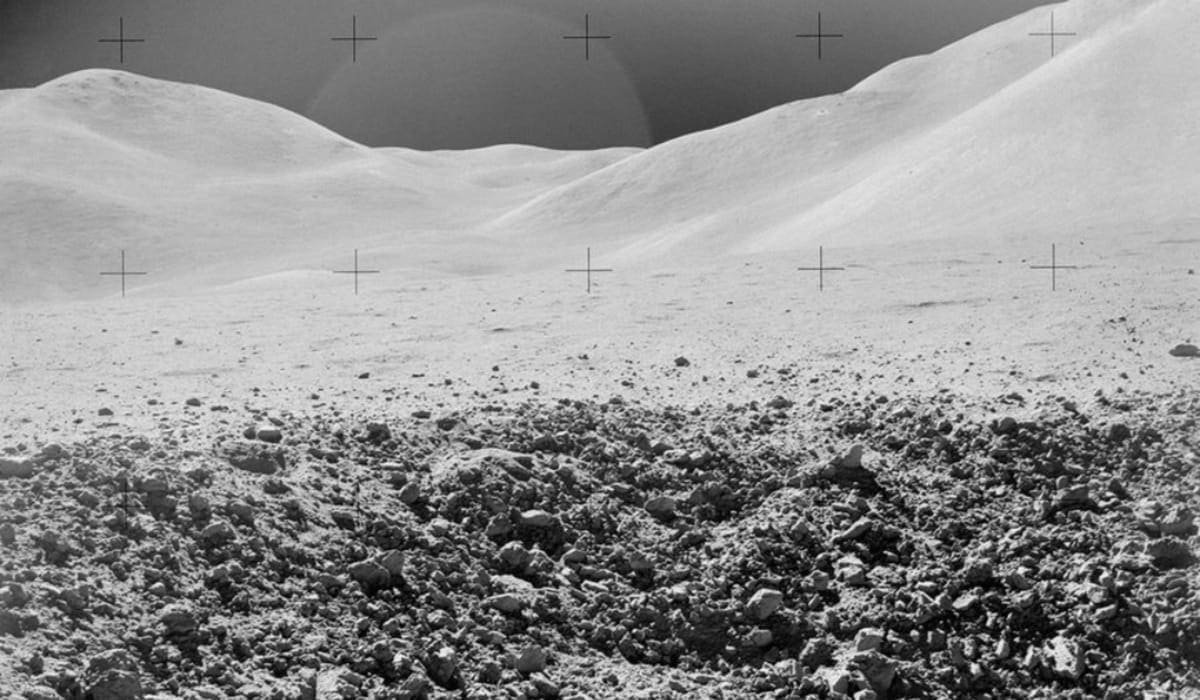
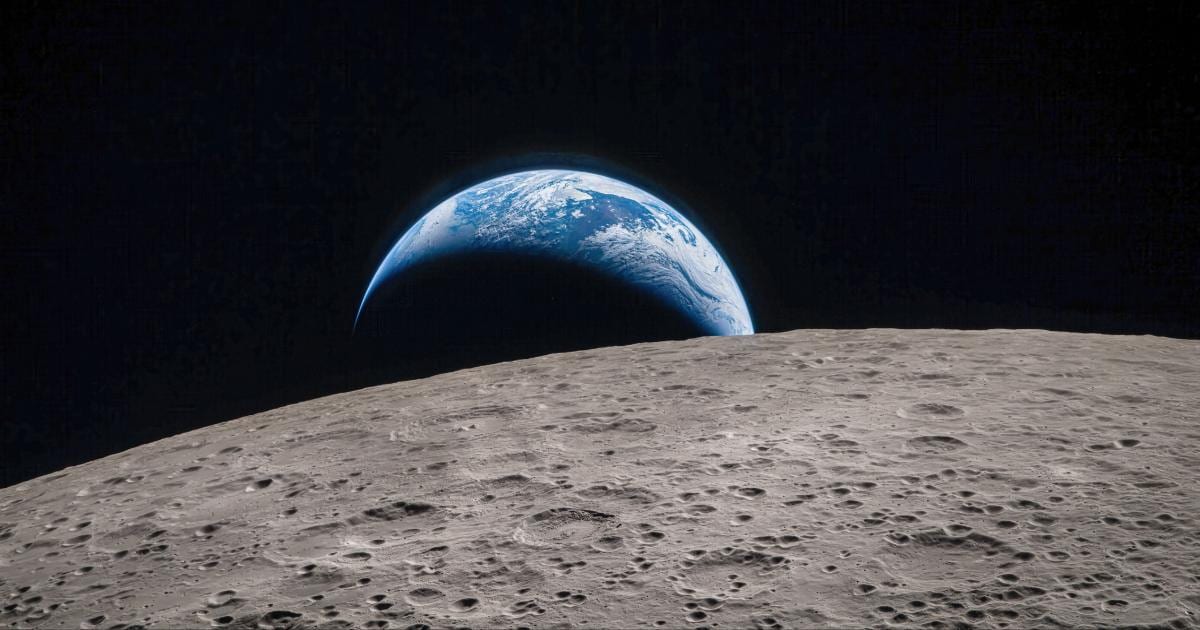
While the Earth's dynamic crust and fluctuating weather make it difficult to trace the impacts that it experienced billions of years ago, the Moon preserves its own history quite well, thus acting like an archive for the Earth-Moon system as a whole. That being said, accessing said archive is no cakewalk. Traditional methods of regolith analysis focus on "metal-loving elements," which run the risk of getting corrupted by repeated impacts on the Moon, thus making it hard to detect what the meteorites contained originally.
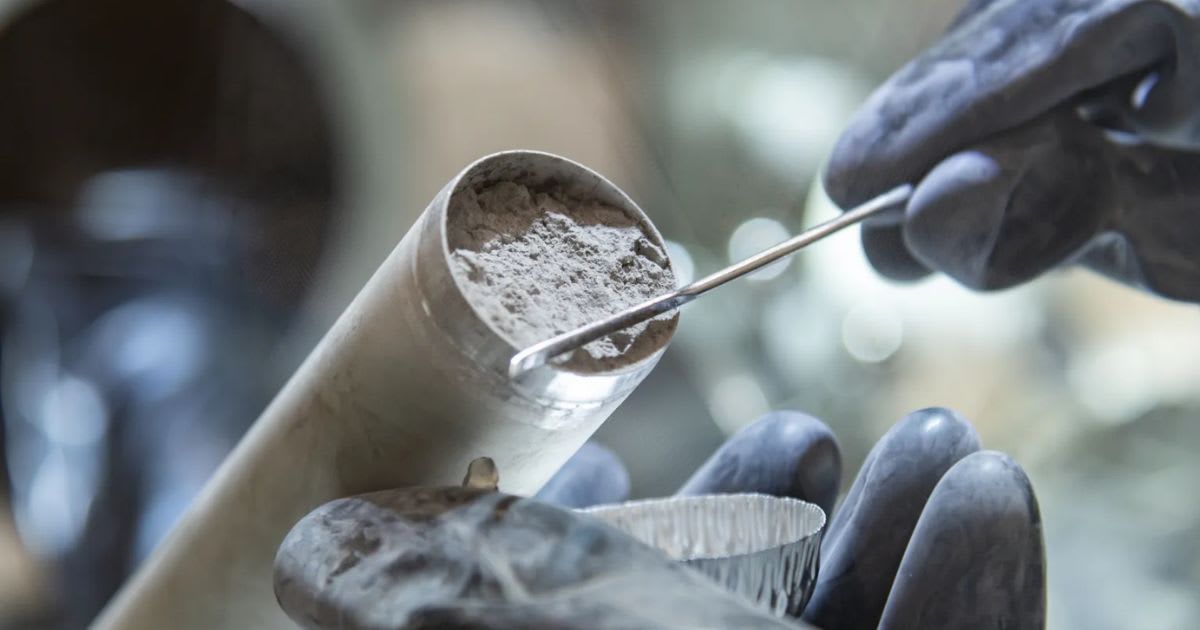
To circumvent this problem, the researchers turned to triple oxygen isotopes, which are extremely accurate "fingerprints," because of the ability of oxygen—the dominant element by mass in rocks—to remain unaltered by external impacts. As a result, they offer a much clearer picture of what the meteorites that hit the Earth-Moon system were composed of. From the measurement of these oxygen isotopes, it was found that a minimum of ~1% by mass of the dusty lunar surface has material brought by meteorites with high carbon content, which were partially vaporized upon impact with the surface of the Moon. Knowing these properties allowed the research team to figure out how much water these meteorites had within them.
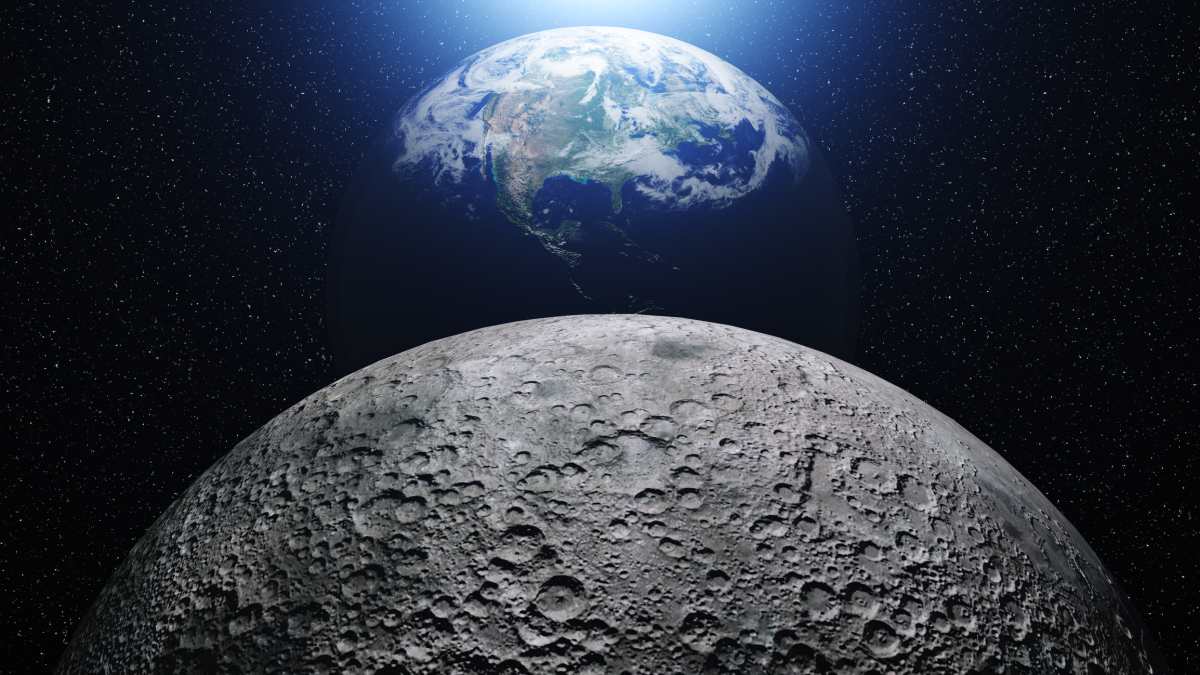
"The lunar regolith is one of the rare places we can still interpret a time-integrated record of what was hitting Earth’s neighborhood for billions of years," explained Gargano, per a NASA press release. "The oxygen-isotope fingerprint lets us pull an impactor signal out of a mixture that’s been melted, vaporized, and reworked countless times." Upon being scaled up by about 20 times to factor in the higher rate of impacts on Earth, the model showed that the water from the meteorites accounted for a very small part of the water found in Earth's oceans. "Our results don’t say meteorites delivered no water," said Justin Simon, study co-author and planetary scientist at NASA Johnson's Astromaterials Research and Exploration Science Division. "They say the Moon’s long-term record makes it very hard for late meteorite delivery to be the dominant source of Earth’s oceans."
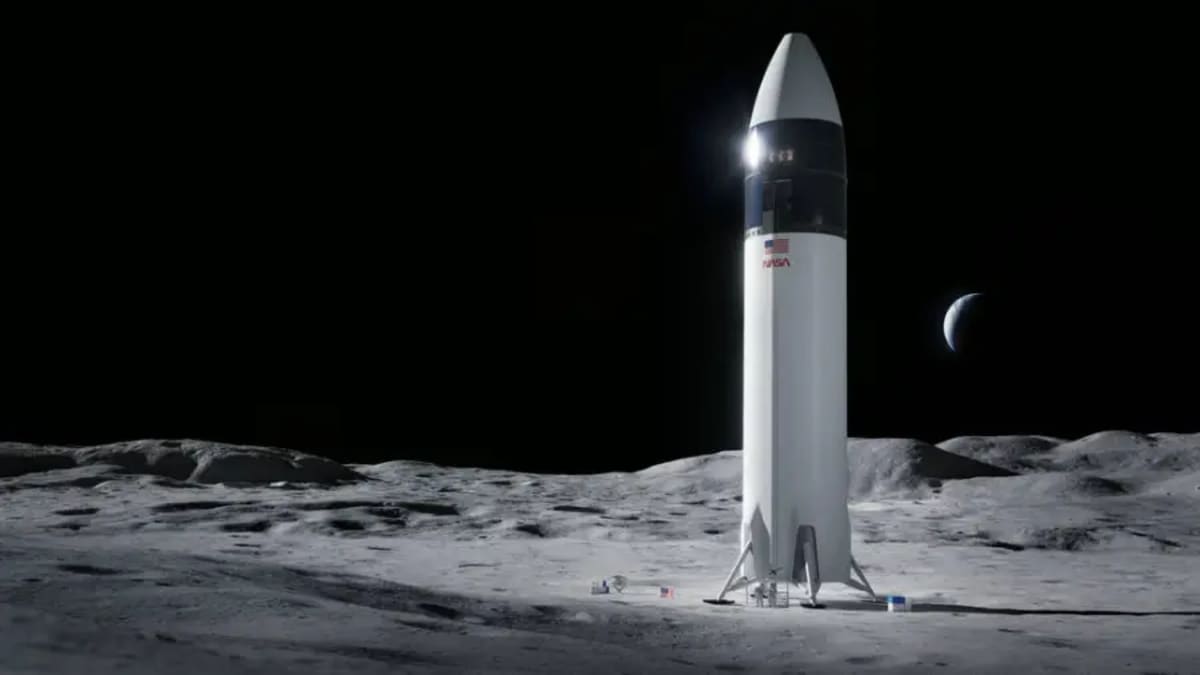
While the water delivered by meteorites is rather small in the context of Earth, it is far from insignificant for the Moon, whose accessible water content is found in small, permanently shadowed regions at the poles. These poles are two of the coldest places not just on the Moon but in the entire solar system. They will open up new doors in terms of resources for lunar exploration once the Artemis III mission gets humans back on the Moon's surface. After all, while the Apollo samples brought to Earth over 50 years ago continue to be valuable, they represent only a small portion of the lunar soil.
More on Starlust
Lunar landers could accidentally ruin the hunt for biological building blocks on the Moon
NASA's Artemis missions timeline: What happens after Artemis II?