ESA rover Rosalind Franklin, designed to look for molecules of life on Mars, passes a stress test
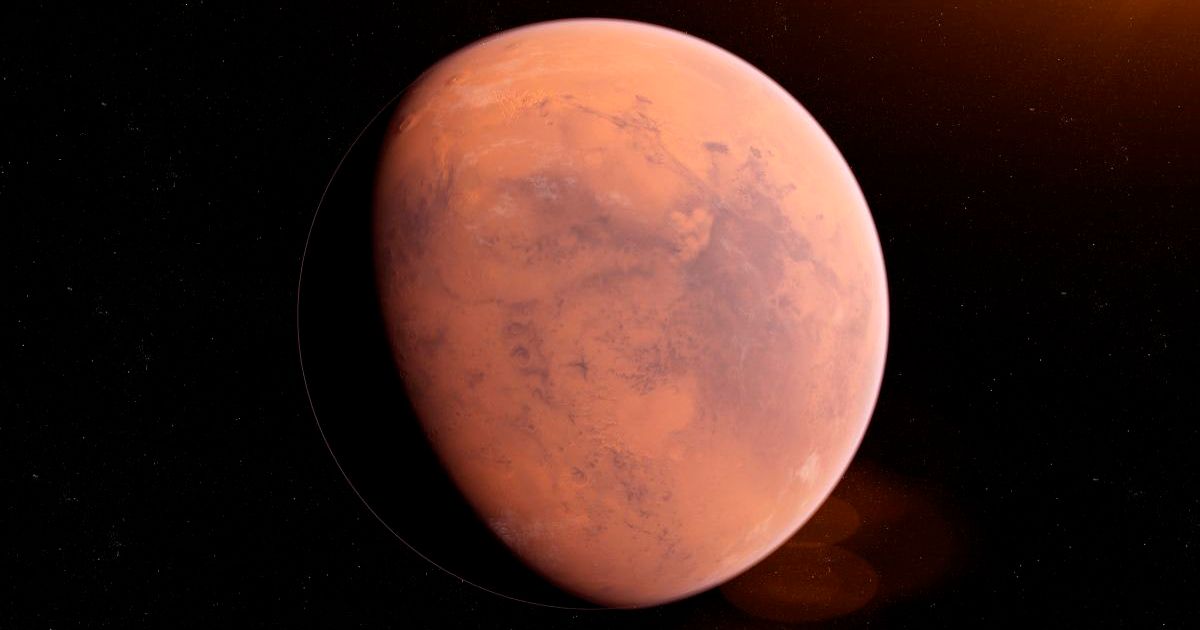
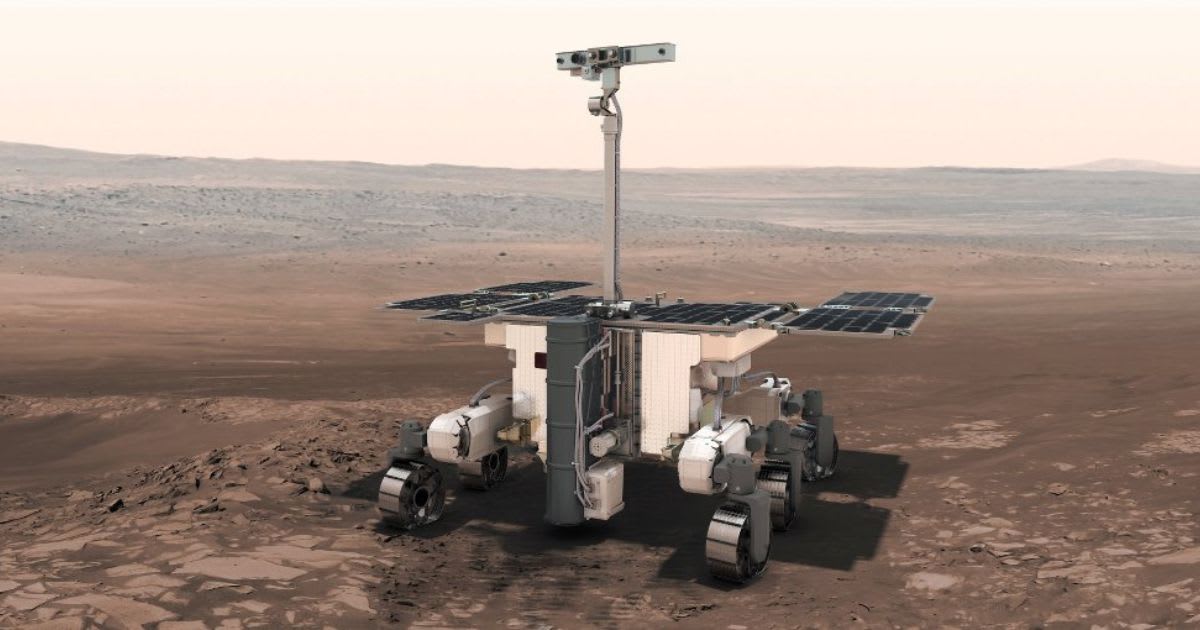
Billions of years ago, Mars was a warm and wet world with a dense atmosphere, and the Red Planet might have been hospitable to microbial life, too. While NASA rovers have already detected organic molecules in Martian rocks, none of them thus far have been conclusively linked to life. Now, to continue the search, the European Space Agency (ESA) is preparing a rover named Rosalind Franklin that will reach Mars by 2030. This rover has been specially engineered to hunt for the chemical fingerprints of life. Ahead of its actual mission, a research team from the Max Planck Institute for Solar System Research (MPS), the University of Göttingen, and Côte d’Azur University in Nice recently exposed the rover to a new stress test by allowing it to hunt for such molecules in a meteorite that fell in Australia. They described their test results in a paper published in Earth and Planetary Science Letters.

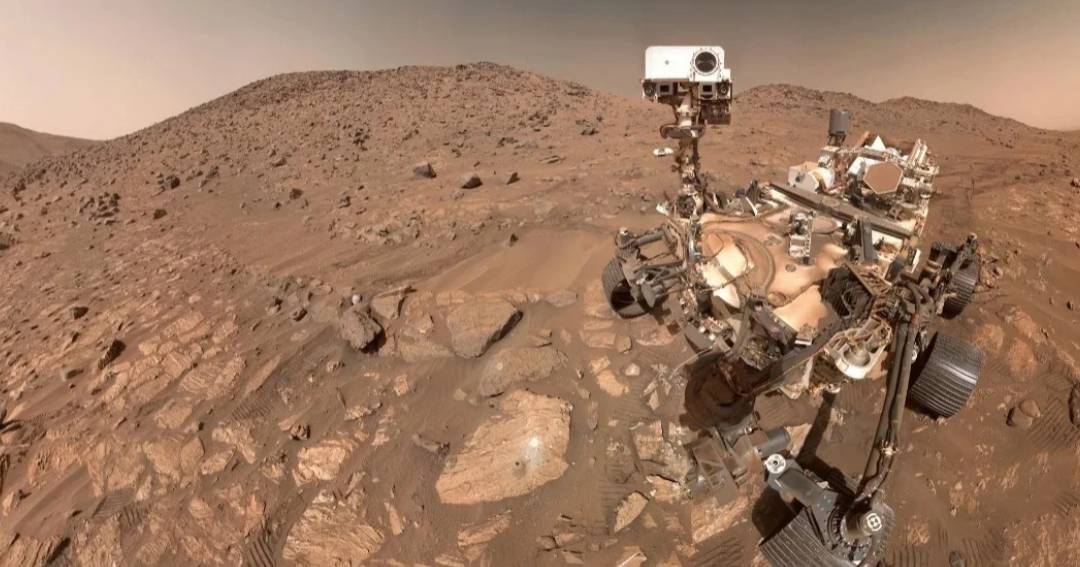
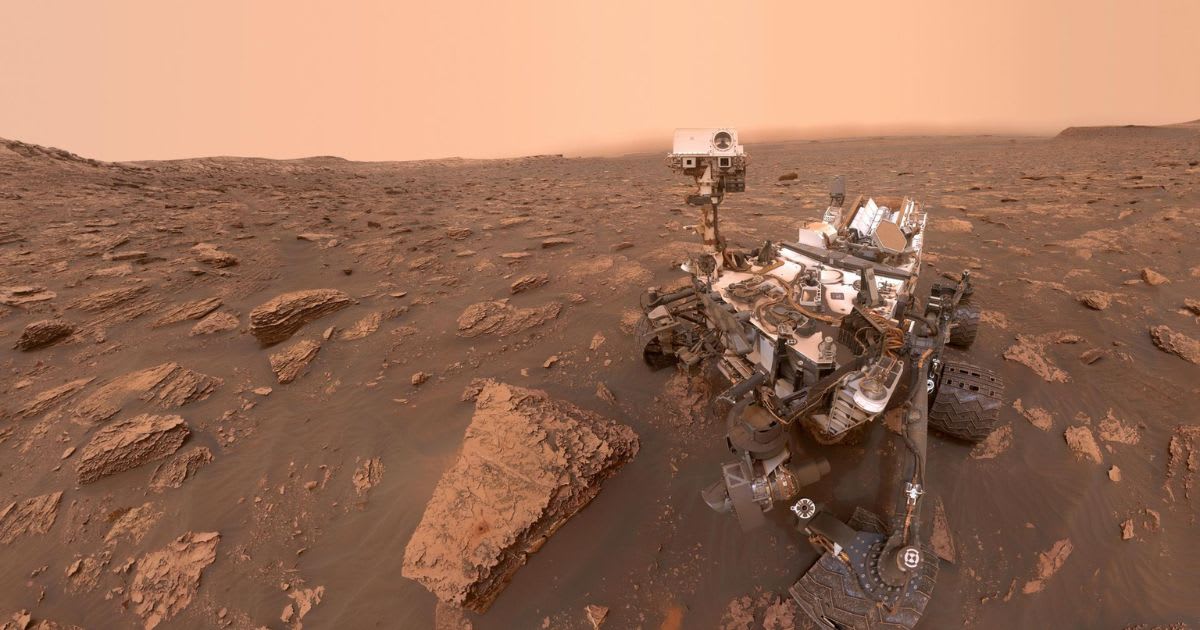
To date, several NASA rovers have wandered across Mars, inspecting rocks and searching for molecules of past life. But how could future rovers distinguish the organic molecules of long-extinct organisms from those produced by lifeless, geological processes? Scientists have pinned their hopes on two stable hydrocarbons—pristane and phytane—which come from living organisms on Earth and are common constituents of petroleum. “If life once existed on Mars, then molecules like pristane and phytane represent important molecular biosignatures that could have survived to this day,” said MPS scientist and lead author Guillaume Leseigneur in a statement.
Pristane and phytane stand out as signs of life because they are chiral. This means that they can exist in different configurations, known as enantiomers, which mirror each other like the fingers of your left and right hands. “Chirality is a valuable tool in the search for past extraterrestrial life,” said co-author Uwe Meierhenrich of Côte d’Azur University. With regard to the same, living organisms are remarkably picky and almost exclusively use one specific configuration over the other. Conversely, non-biological processes produce an equal, 50/50 mix of both forms. Such rules are true on Earth and should also apply to any alien life, scientists hypothesize.

The Rosalind Franklin rover carries the Mars Organic Molecule Analyzer (MOMA), an instrument that can distinguish between organic molecules of different chirality. MOMA, built as a joint partnership between MPS and NASA, consists of a gas chromatograph, a mass spectrometer, small furnaces, and an excitation laser. The instrument probes volatiles in heated rock samples by using the gas chromatograph and mass spectrometer. “The resulting gas mixture then passes through various capillary tubes that have been coated on their inner surfaces. Since chiral variants of the same type of molecule react at different rates with the coatings, they can be separated in time,” MPS explains in a statement.
For this particular study, researchers tested MOMA’s efficiency in separating the extremely unreactive enantiomers of pristane and phytane. “Chiral separation of pristane and phytane requires high instrument sensitivity and measurement accuracy, both of which we show MOMA can achieve”, explained co-author and MOMA team member Fatma Yesil Sahan from the MPS. The researchers collected rock samples from the Murchison meteorite, which fell in Australia in 1969, to use as a substitute for Martian rock. The meteorite contains a variety of organic molecules, some of them are indigenous to the space rock, while others have been added through terrestrial contamination. Given the rock's exposure to Earth soil, the team wondered if the pristane and phytane trapped inside came from microbes at the crash site.
The results, however, surprised the researchers. They found that the meteorite contained chiral variants of pristane and phytane in an exactly equal ratio. This finding definitively ruled out the possibility of recent biomass contaminating the space rock at the discovery site, thereby demonstrating MOMA's ability to spot false-positives. Instead, the researchers determined the meteorite picked up the hydrocarbons during its descent through the Earth’s atmosphere when it came in contact with aerosols from fossil fuel burning. Other studies have shown that these hydrocarbons are preserved in oil shales, sedimentary rocks that contain a petroleum precursor. “Petroleum forms in these rocks over millions of years at great depths under the influence of heat and pressure”, said co-author Manuel Reinhardt from the University of Göttingen. Such extreme conditions destroy the chiral imbalance, effectively "resetting" the molecules to a 50/50 mix. This explains why the researchers found the hydrocarbons in equal parts within the meteorite. The success of this trial shows that the ESA rover is more than ready to explore the dusty, bone-dry surface of Mars.
More on Starlust:
Ancient crystals in Chile's salt flat may offer hints about life on Mars
A Caltech team has simulated a chemical reaction that could offer a glimpse into the origin of life