How do icy bodies become comets? A Centaur's encounter with Saturn may provide a clue
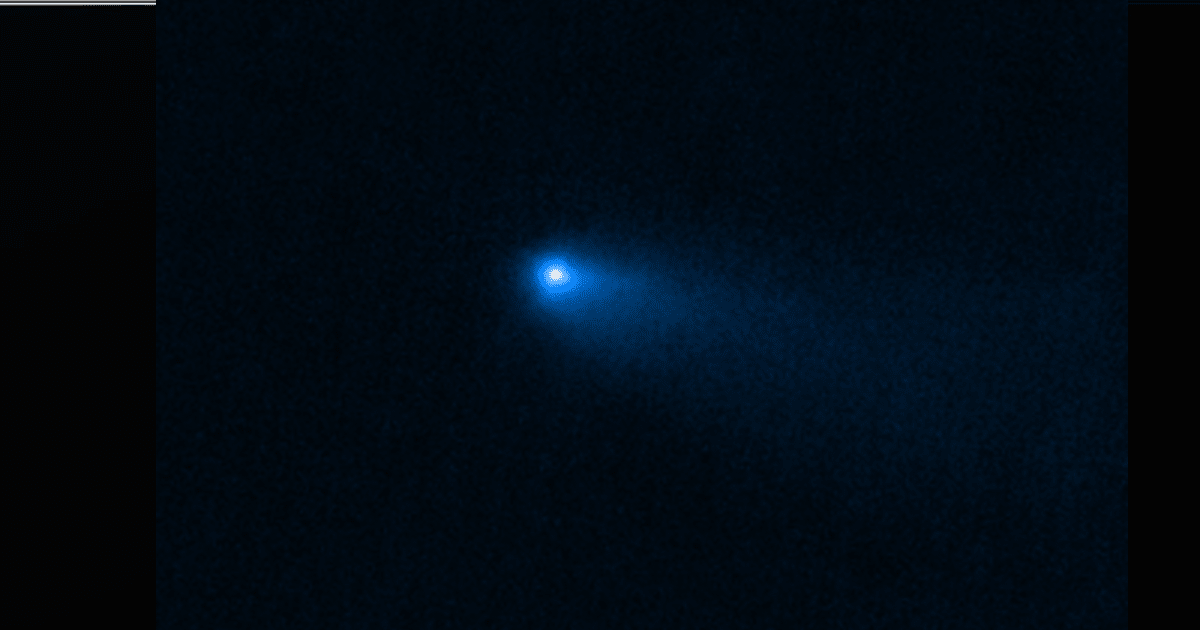
Deep in the outer Solar System, a rarely visible transformation is taking place. 450P/LONEOS is a Centaur—one of a group of small icy bodies that typically travel between Jupiter and Neptune. But unlike a quiet Centaur, 450P has become active, releasing gas and dust into space and displaying behavior more commonly associated with comets.
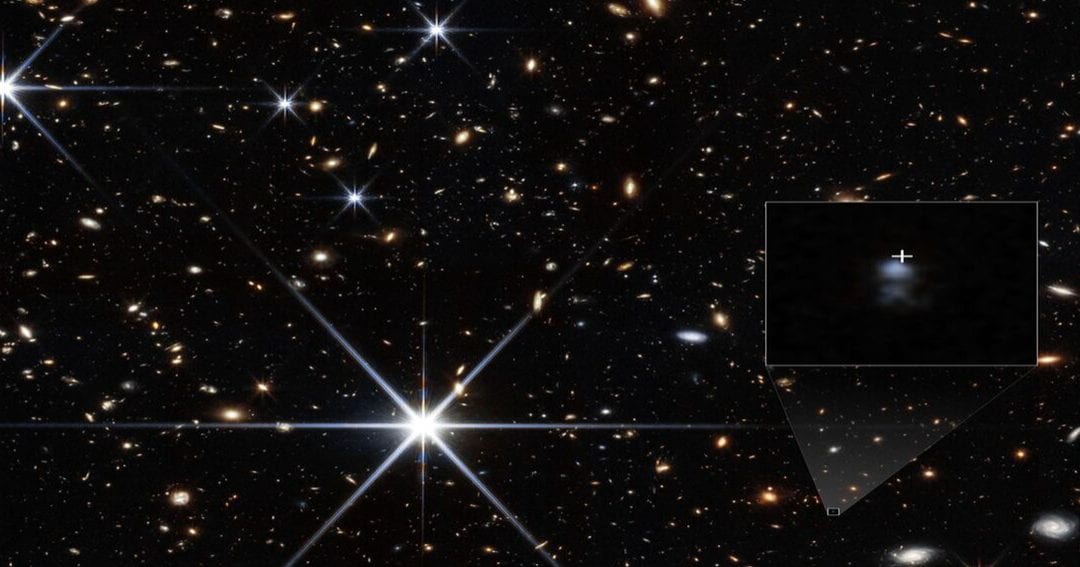
A new study published in The Planetary Science Journal in June 2026 takes a closer look at 450P/LONEOS, using observations from NASA's James Webb Space Telescope and the Gemini North telescope. The study looks at the activity around the icy object and how its changing path may have played a role in its transformation. The researchers say their observations could provide a clue to how Centaurs eventually become comets.
How is a Centaur different from a comet?
As astronomers studied more small bodies in the outer Solar System, some began to challenge the distinction between asteroids and comets. They found objects with the rocky characteristics associated with asteroids, but also signs of ice and activity more commonly seen in comets. These objects came to be known as Centaurs.
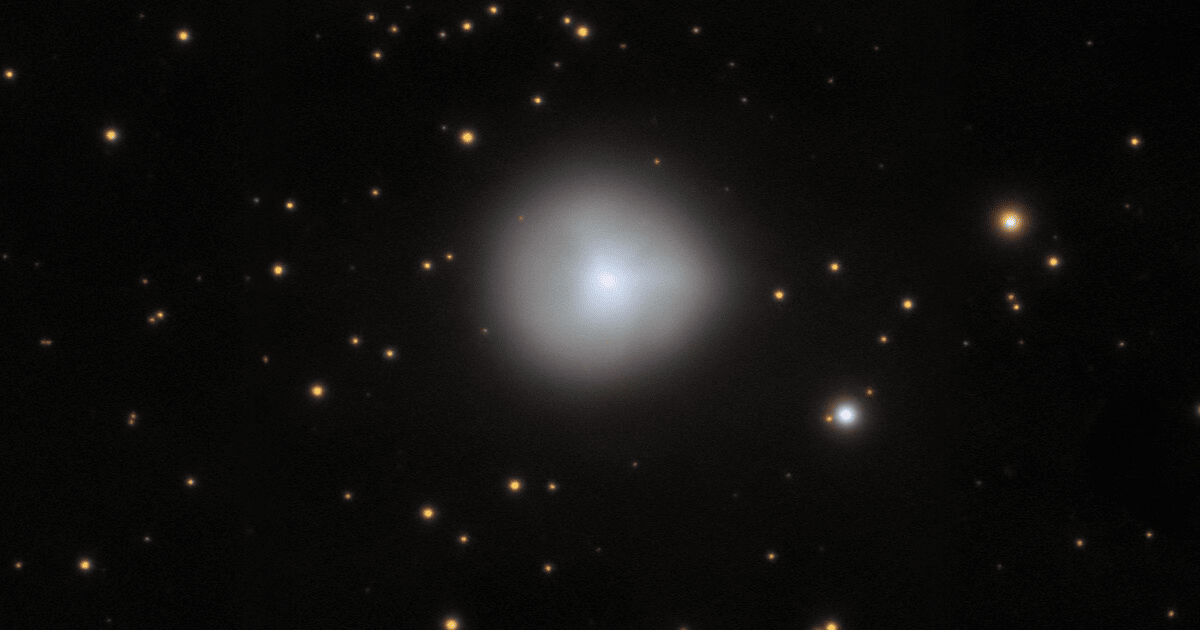
Most known Centaurs are found between Jupiter and Neptune, where their orbits can be influenced by the gravity of the giant planets. As these objects move through the Solar System, some can also become active and develop features normally associated with comets. Some Centaurs have water ice on their surfaces, while others have been seen developing comet-like tails and comae. Astronomers have also found possible links between Centaurs and objects in the distant Kuiper Belt. Chiron is probably the most notable example; it was first classified as an asteroid, but later observations showed a coma around the object. 29P/Schwassmann-Wachmann 1 is another Centaur that has been observed becoming active.
450P/LONEOS has now added another piece to this picture. Astronomers have observed gas and dust around the object, which remains classified as a Centaur. The observations could help researchers understand how Centaurs change as their orbits evolve.
What happened when 450P/LONEOS encountered Saturn?
In 1992, 450P/LONEOS had a close encounter with Saturn. The planet's gravity changed the orbit of the icy object, putting it on a new path around the Sun. Its new orbit brought its closest approach to the Sun closer to Jupiter's orbit. Astronomers later found that the object had become active as it moved along its new orbit.
“That increased solar heating can warm the surface and subsurface layers of the nucleus,” Charles Schambeau, a research associate professor at the University of Central Florida's Florida Space Institute, said. As the ice warms, gases trapped inside it can escape and take some of the dust on the surface with them, forming the coma around the object.
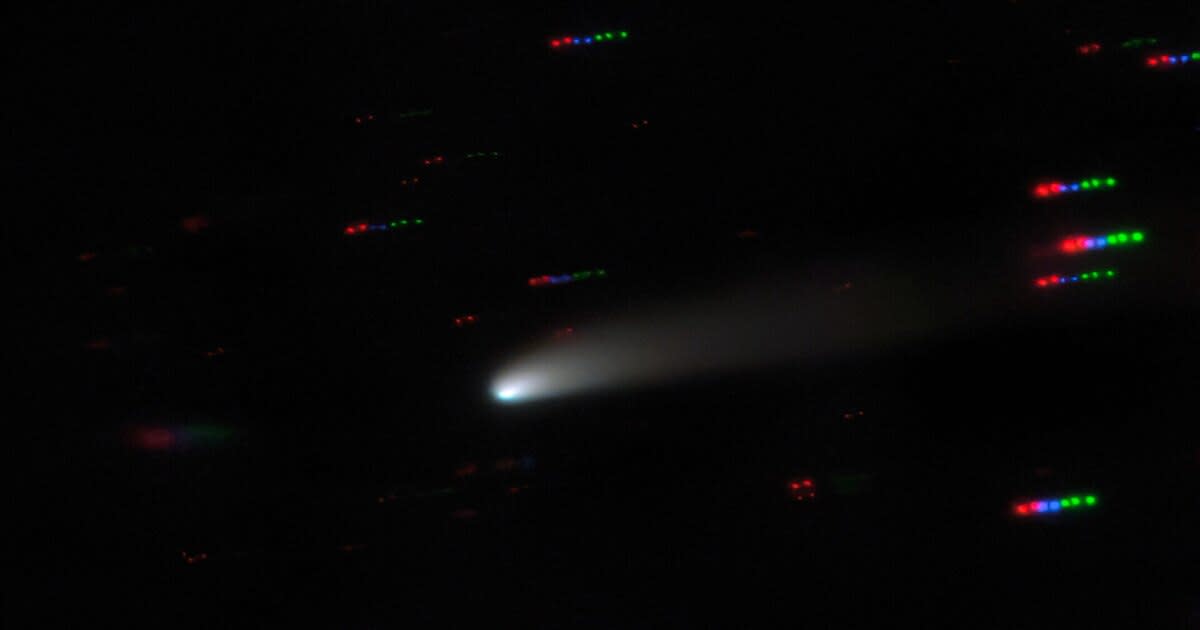
Because 450P is on a 22-year orbit, it goes through cycles of activity. Astronomers first discovered the object during its initial post-Saturn approach in 2004, when it flared to life as a comet. After retreating to the freezing outer solar system, it went dormant again. Gemini observations showed little or no coma around 450P in 2022 during its next inbound leg, while activity was detected in later observations as the object moved closer to the Sun. The study found that a new coma developed as 450P moved from 7.83 to 7.24 astronomical units from the Sun.
What does this tell us about the birth of comets?
The JWST detected carbon dioxide gas around 450P, giving researchers an important clue about what may be driving its activity. The telescope also found signs of water ice in the cloud of material surrounding the object, including a possible signature of crystalline ice.
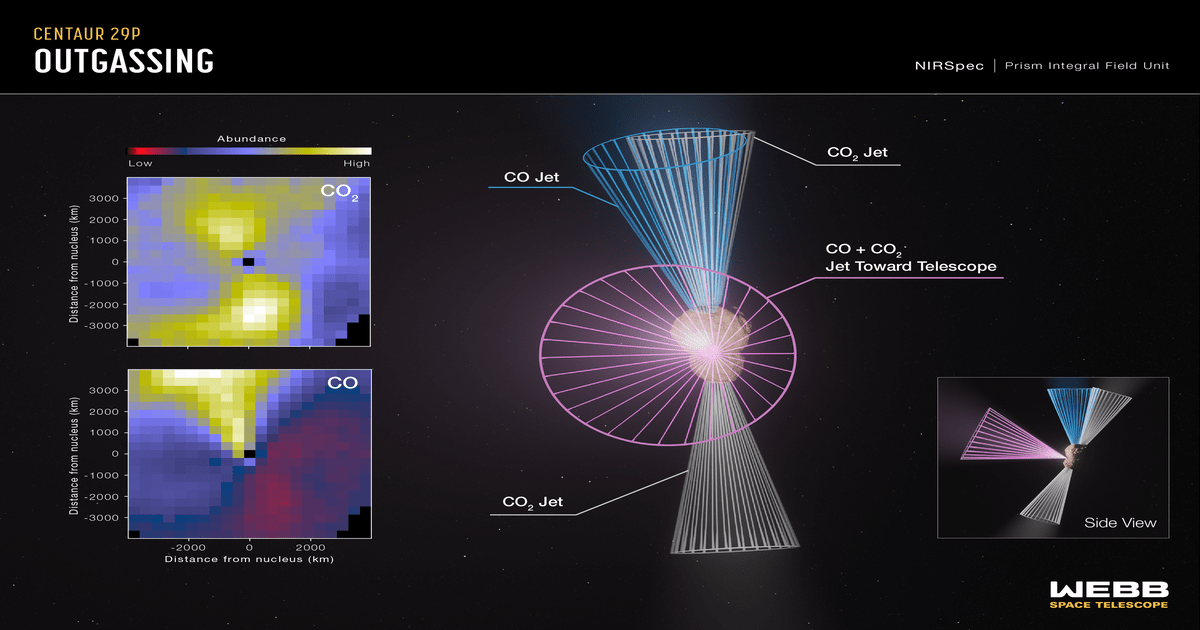
As 450P moved along its new orbit, it received more sunlight and the ice beneath its surface began to warm. The heat triggered a phase change, transforming the chaotic, porous structure of amorphous ice into a more ordered crystalline form—a process that expelled the carbon dioxide gas trapped inside. As the gas escaped, it took dust from the surface with it, creating the coma around 450P. This explains why the Centaur became active after its orbit changed, and could give astronomers a better idea of what happens to icy bodies as they move closer to the Sun.
More on Starlust:
Comets C/2025 K1 ATLAS and C/2025 R2 SWAN appear to 'race' each other in extraordinary sky moment
James Webb Space Telescope spots a Saturn-mass exoplanet that has Earth-like temperatures