Comets C/2025 K1 ATLAS and C/2025 R2 SWAN appear to 'race' each other in extraordinary sky moment
Two solar system wanderers, Comet C/2025 K1 ATLAS and Comet C/2025 R2 SWAN, were recently captured in an unusual, chance alignment, appearing side-by-side in the night sky. The extraordinary image, recorded on Saturday, September 20, 2025, from Réunion Island in the southern Indian Ocean, showcases a deceptive "race" between the two icy bodies, according to NASA APOD.
It may look like these comets are racing, but they are not. Comets C/2025 K1 ATLAS (left) and C/2025 R2 SWAN (right) appeared near each other by chance last week in the featured image taken from France's Reunion Island in the southern Indian Ocean. Fainter Comet ATLAS is… pic.twitter.com/9oVUTdEqOB
— Astronomy Picture of the Day (@apod) September 30, 2025
Despite the visual proximity, the comets are on independent trajectories. The slightly fainter Comet ATLAS is currently inbound, closing the distance to the Sun. It is projected to reach perihelion (closest solar approach) in early October, when its luminosity is anticipated to peak. However, it is expected to remain a difficult target, likely requiring long-exposure photography for detection.
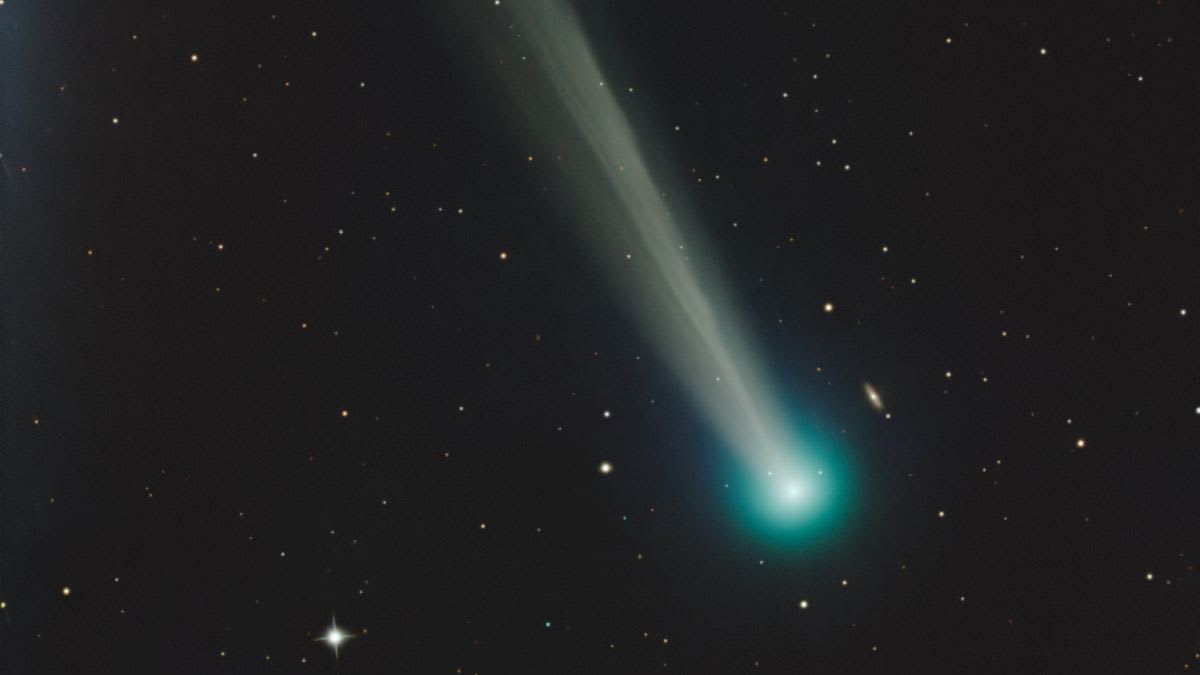
Conversely, the more luminous Comet SWAN (unofficially dubbed SWAN25B) is now receding from the Sun. Astronomers predict its closest pass to Earth will occur in mid-October, with hopeful forecasts suggesting it could brighten sufficiently enough to become visible to the unaided eye. Both comets exhibit the characteristic features of these cosmic snowballs, displaying a greenish gaseous coma surrounding the nucleus and a distinct ion tail streaming outward, in a direction away from the sun.
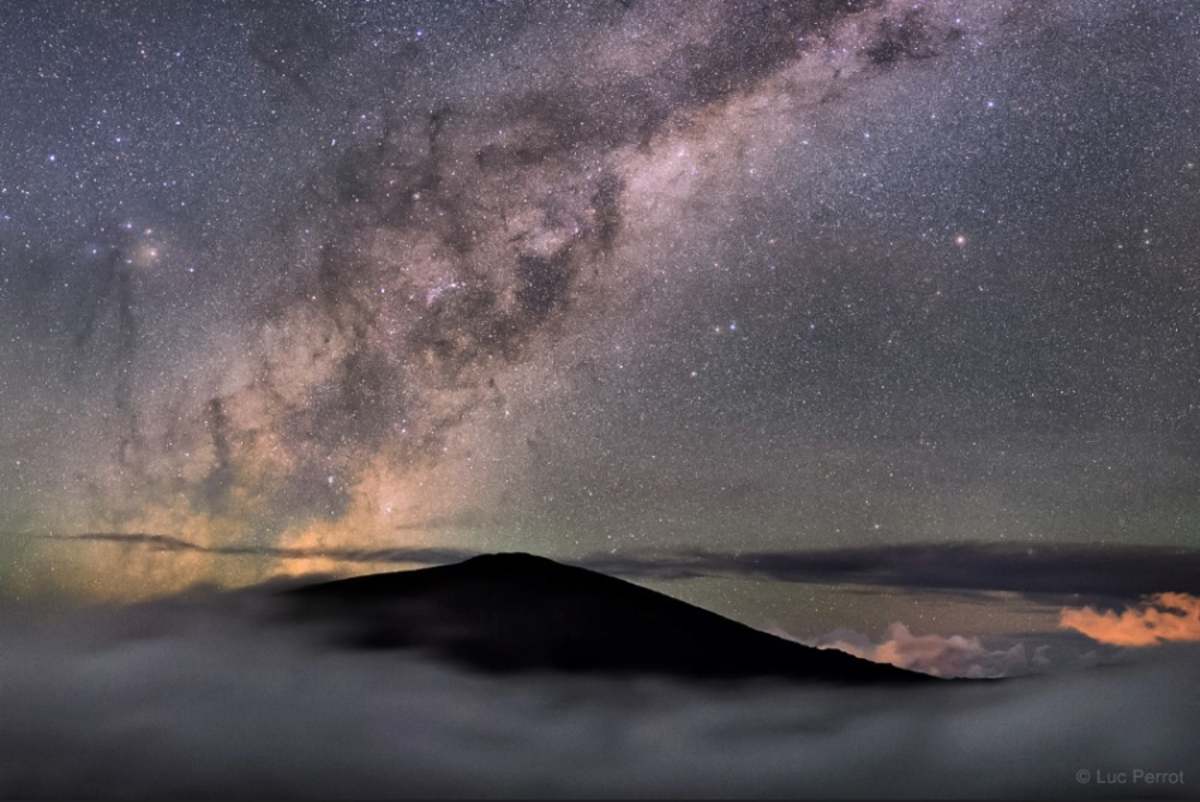
The striking image that brought this celestial encounter to public attention was captured by astrophotographer Luc Perrot from Saint-Denis, Réunion Island. Luc is a seasoned astrophotographer whose passion for night photography has flourished since 2010, as per TWANIGHT.org. Perrot's ability to achieve such striking compositions stems from his meticulous integration of the island's natural landscape with his profound astronomical competency. This dual expertise allows him to expertly blend the elements of Earth and sky, constantly searching for the perfect frame.
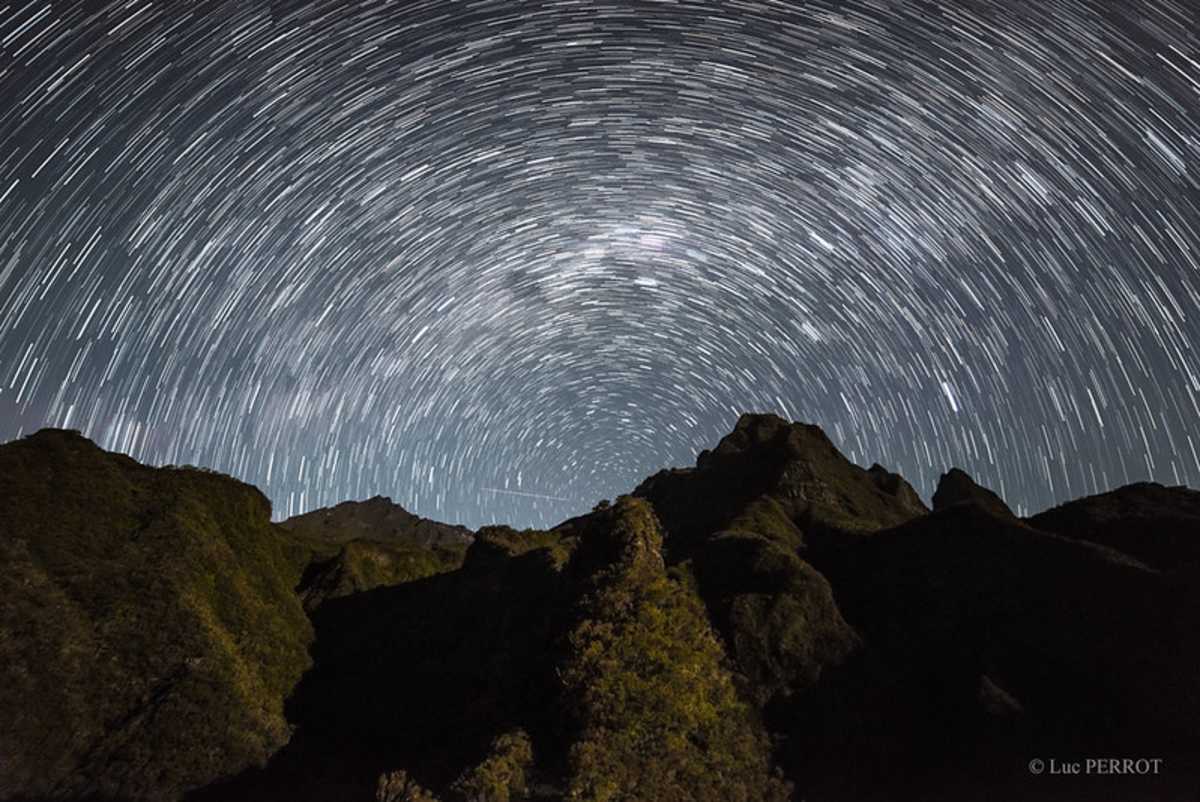
Perrot's dedication has garnered significant international acclaim. His work has been recognized with numerous awards, including the First Prize in the 5th International Earth and Sky Photo Contest in June 2014. His distinctive images are routinely featured in prestigious publications globally, such as National Geographic, Paris Match, the Wall Street Journal, and GEO.
Perrot described the rare sight in an Instagram post, noting that the two cosmic visitors "seemed to be running into each other." He underscored the illusion of proximity, confirming that while their trajectories are widely disparate, they appeared "clearly visible next to each other" that night. The resulting photograph, which Perrot called a "very rare and moving show," is a composite of 45 different 60-second exposures, a technique known as "stacking" used to bring out the faint details of deep-sky objects. The comets were tracked and photographed using a specialized setup featuring an Askar FRA400 telescope and a ZWO ASI2600MC Pro camera, highlighting the dedicated effort required to document such fleeting astronomical events.
View this post on Instagram
The alignment, though fleeting, offers a stunning reminder of the dynamic, ever-changing drama unfolding in our solar system, ensuring these two green-hued wanderers will remain subjects of fascination for astronomers and the public well into mid-October.
More on Starlust
Here's how to spot Comet SWAN (C/2025 R2) in the night sky from now until October 20
New comet SWAN25B discovered in September 2025—here are viewing tips and its likely coordinates
Solar wind is causing 'major disturbance' to comet SWAN (C/2025 R2) gliding through space