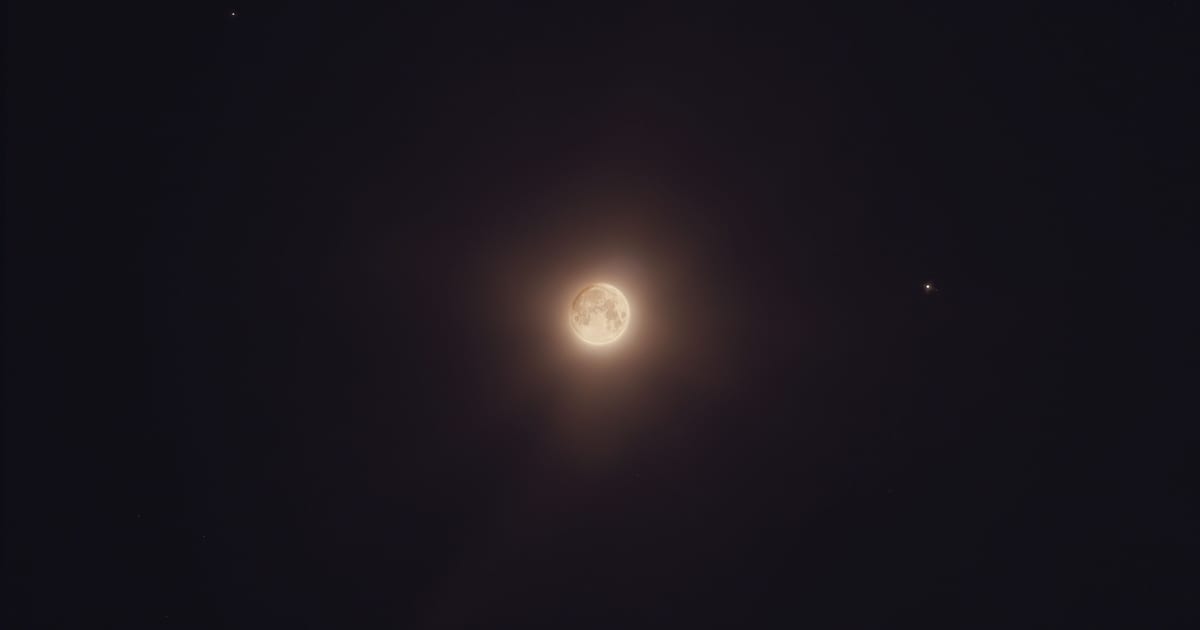
Watch the elusive Aurigid meteor shower as its rare display peaks in the predawn sky
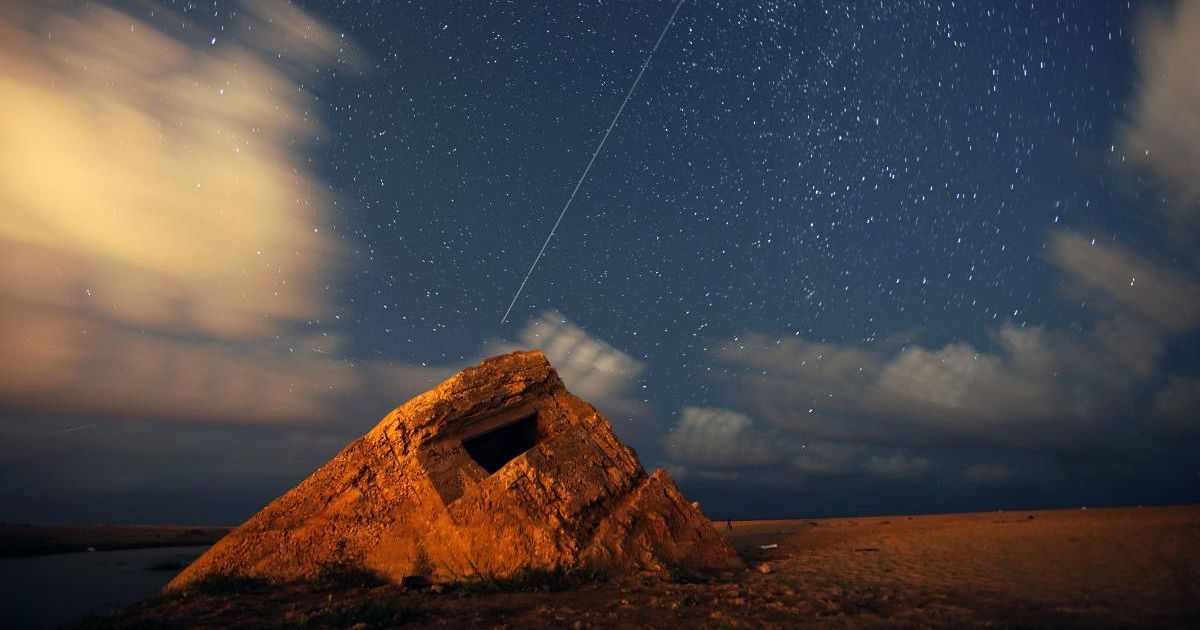
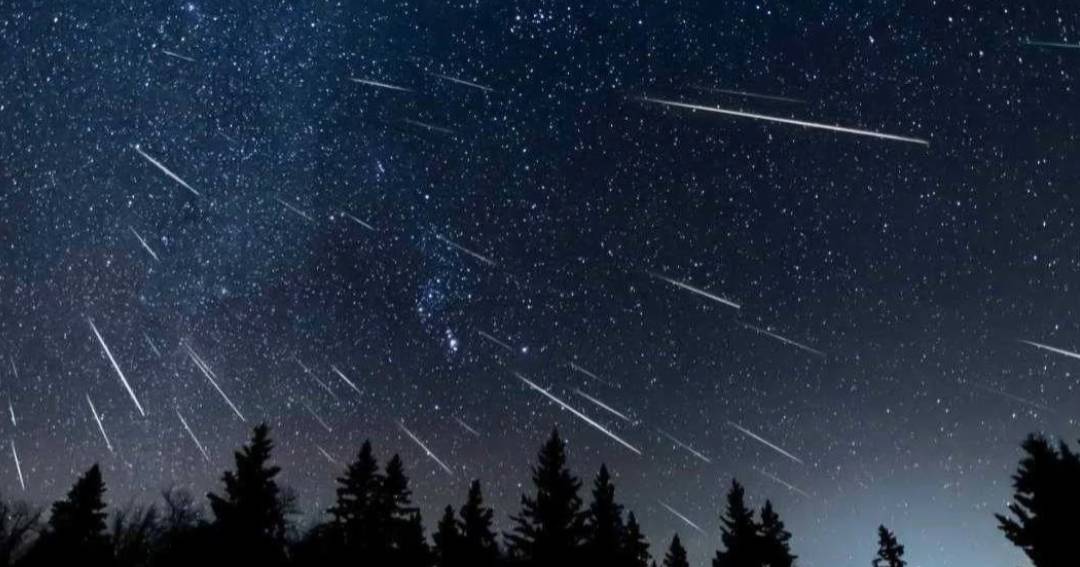
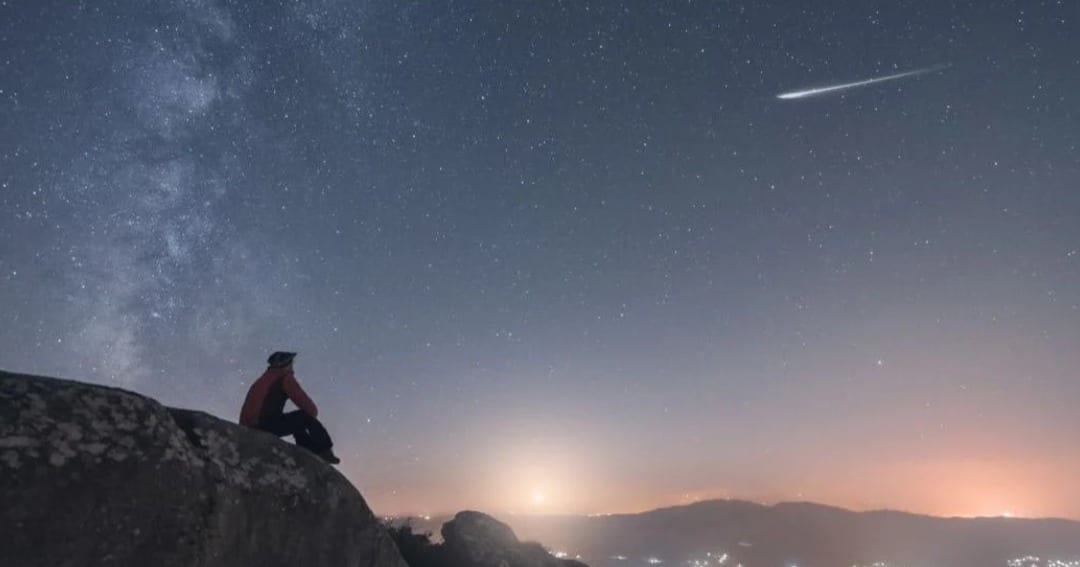
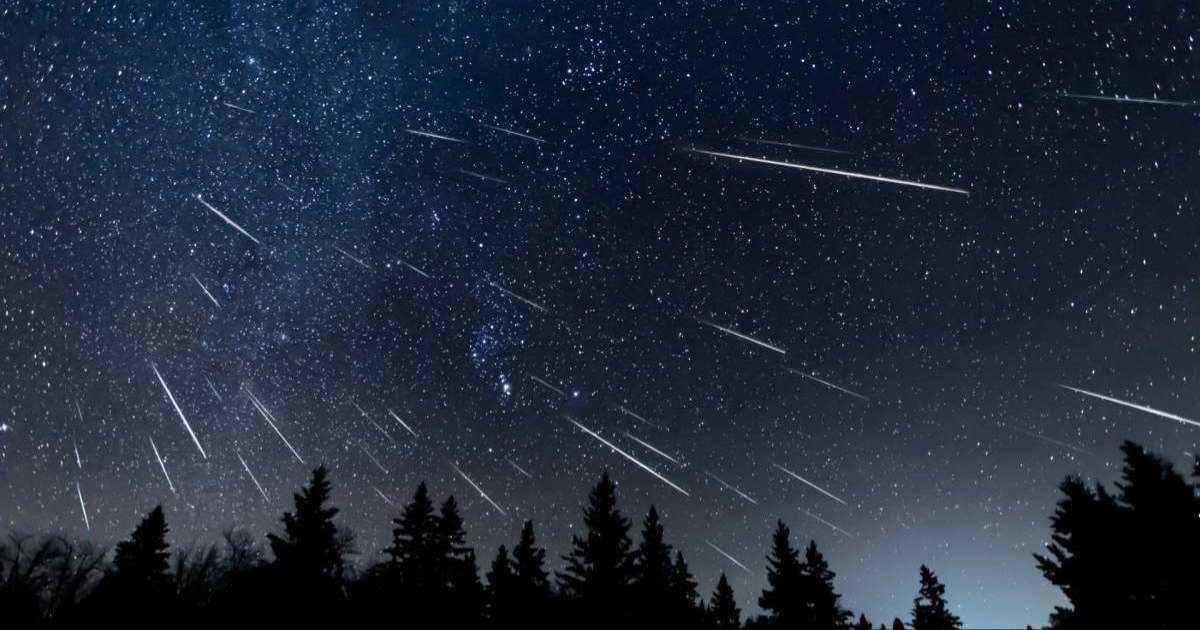
Stargazers are getting ready for a rare celestial event as the Aurigid meteor shower is set to peak overnight, offering a unique opportunity to witness one of the sky's least common annual meteor displays. While the shower is active from August 28 to early September 5, its peak activity is forecast for the night of September 1 and into the early morning hours of September 2, as per Starwalk.

Astronomers predict the shower will produce approximately 10 meteors per hour under ideal viewing conditions. This rate is significantly lower than that of more abundant showers, such as the Perseids or Orionids. Still, the event is considered rare because its parent comet, Kiess, has an orbital period of over 2,000 years. This long orbit prevents the comet from creating the broad, dense debris field that other comets do, making the Aurigids’ annual appearance a more subtle and less frequent display.
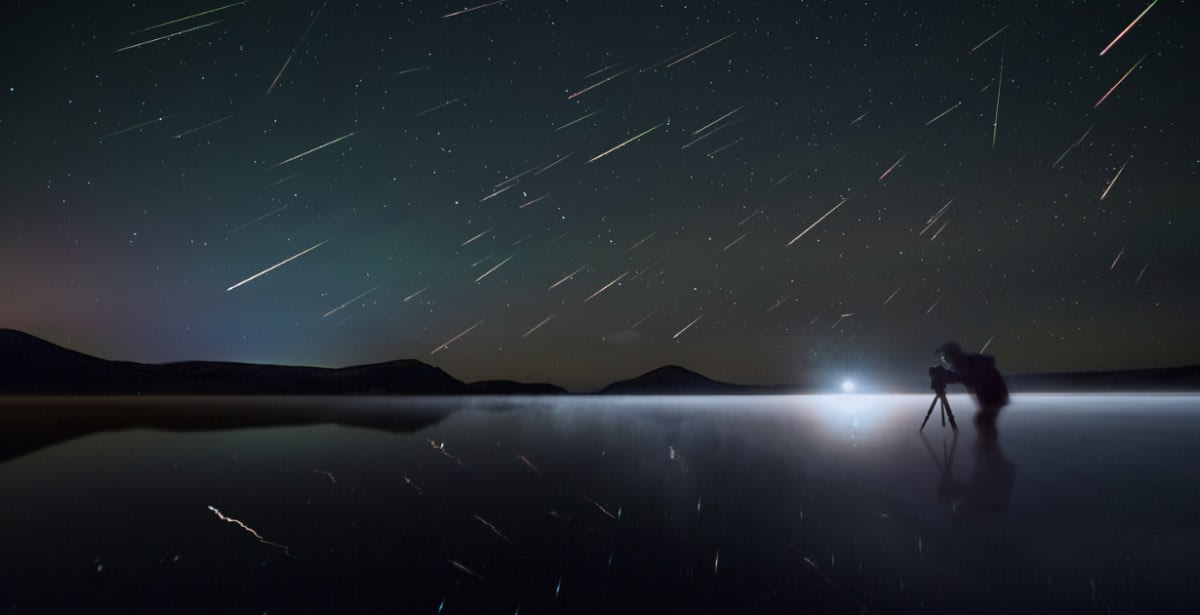
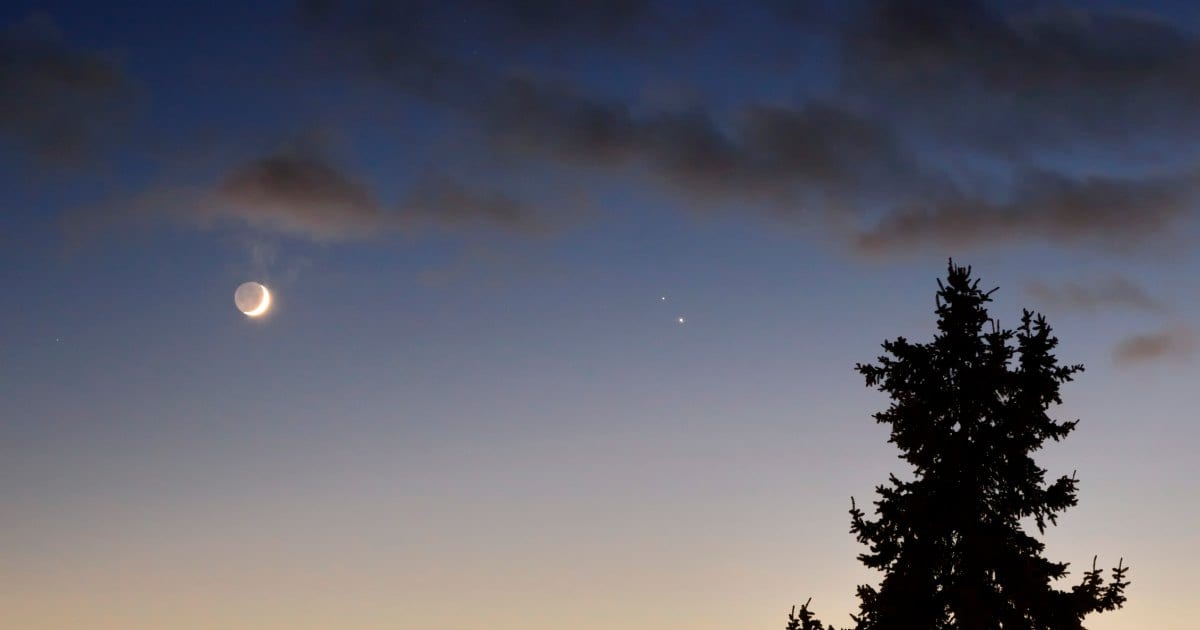
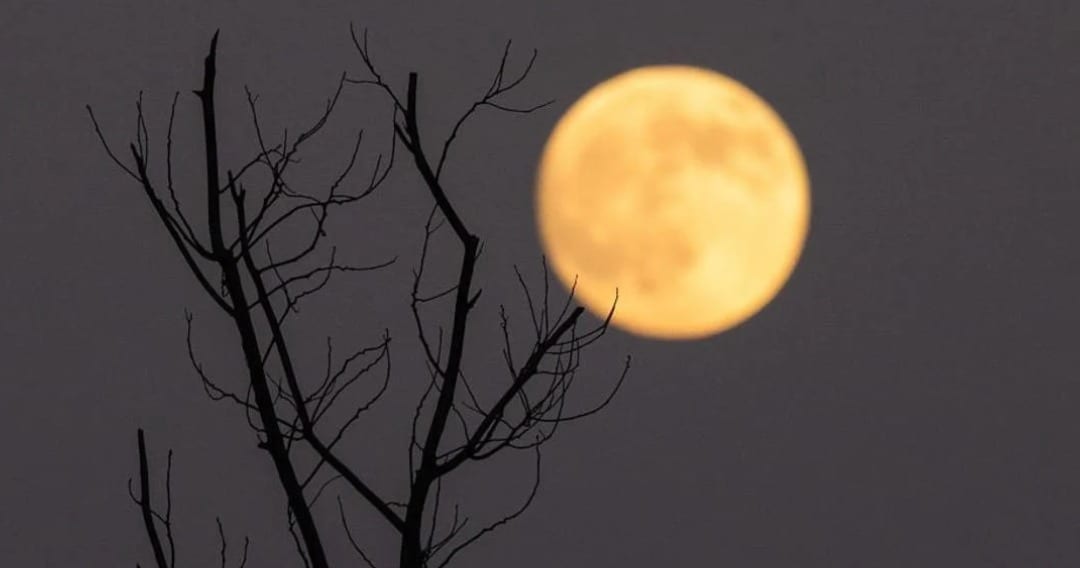
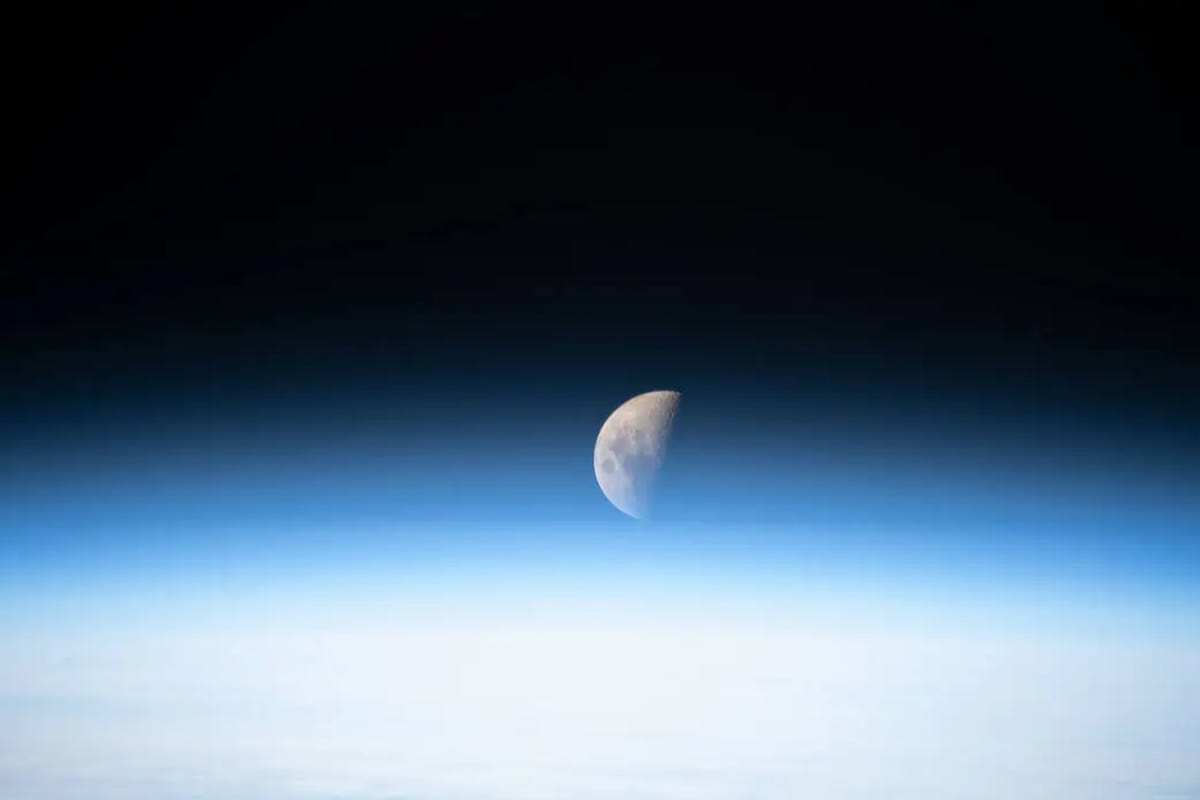
Viewing will be most favorable after the moon sets, as the night of the peak comes one day after the First Quarter moon. The half-illuminated lunar disk will be visible in the sky until late, so experts recommend beginning observations after moonset for the best visibility. For those in the Northern Hemisphere, viewing conditions are optimal, with the constellation Auriga, where the shower's radiant is located, rising higher in the sky earlier in the night. The best time to start watching is after 1 a.m. For sky enthusiasts in the Southern Hemisphere, the viewing window will be shorter. The radiant will rise closer to the horizon around 3 to 4 a.m., allowing only a couple of hours of viewing before sunrise.
While the typical rate is modest, the Aurigids have a history of producing unexpected, dramatic outbursts. The shower was initially discovered in 1935 during one such outburst, and another major event in 2007 saw a peak of over 100 meteors per hour. The European Space Agency has noted that a similar event is not expected for another 70 years, claiming that this year's prediction says the Aurigids could produce up to 400 meteors per hour. Other smaller outbursts have been recorded in recent decades, including in 1986, 1994, and 2019, with rates reaching 30 to 50 meteors per hour.
To catch a glimpse of these meteors, viewers should locate the shower's radiant point, which is the area in the sky from which the meteors appear to originate, according to Space.com. For the Aurigids, the radiant is near the star Theta Aurigae, in the constellation Auriga. The best time for observers in the US to see the shower will be in the hours before dawn on September 1, as the radiant will be at its highest point in the eastern sky, maximizing the number of meteors visible.
However, experts advise against looking directly at the radiant. Instead, find a spot roughly 40 degrees away from Theta Aurigae, toward your local zenith. A helpful tip for estimating distance in the sky is that a fist held at arm's length covers about 10 degrees. You can also use a smartphone astronomy app to help you pinpoint Theta Aurigae and its surroundings.
When Earth's orbit crosses a path of cosmic debris, typically from a comet, the tiny particles enter our atmosphere at high speed and burn up, per Starwalk. This friction-driven process creates the streaks of light we call "shooting stars," offering a spectacular display for observers and a chance for astronomers to study a comet's composition.
More on Starlust
Experience the mesmerizing beauty of the Perseids meteor shower from mid-July to September
New astonishing images from DART asteroid impact reveal shocking force of debris plume