Massive mass anomaly detected under Moon's largest crater—what is it?
A mystery on the far side of the Moon
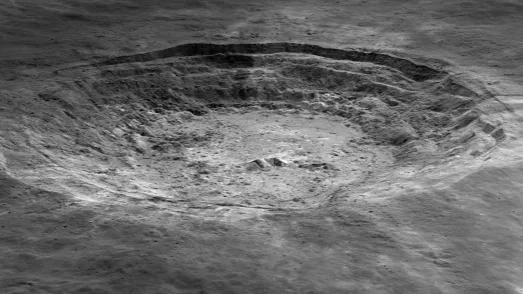
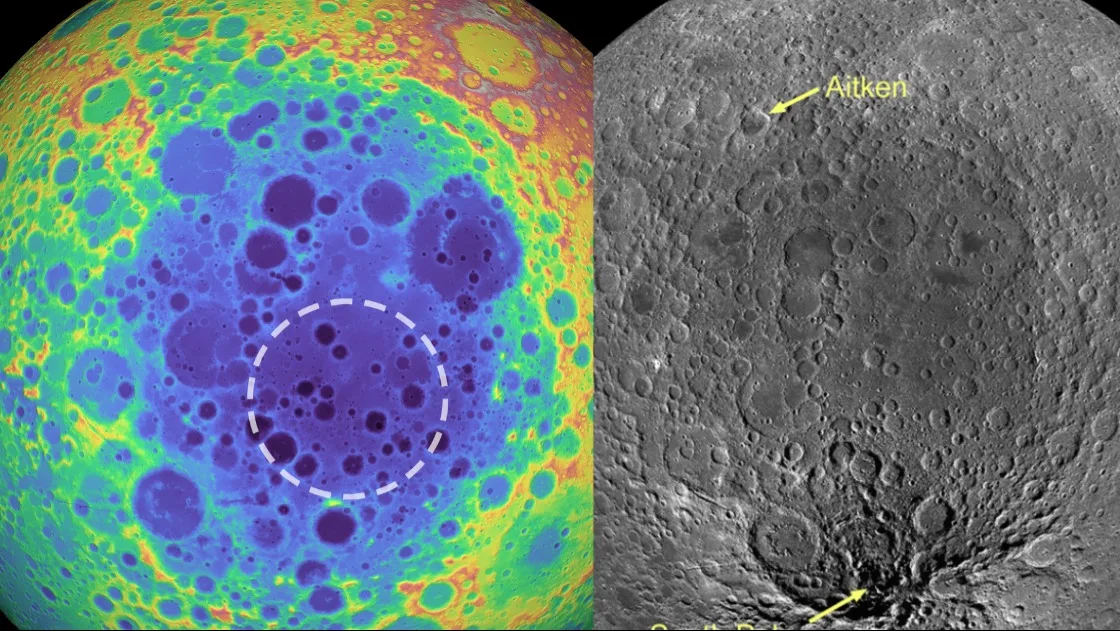
The South Pole-Aitken Basin is located on the far side of the Moon, and it’s the largest known preserved crater in our solar system. Scientists think that an asteroid might have created it about 4 billion years ago. But when researchers took a closer look at what is below the surface, the data showed something unexpected.
Beneath the largest crater, they found extra mass that’s about five times larger than Hawaii’s Big Island. So, what exactly is it, and how did it end up there?
The crater is huge, but we can't see it from Earth
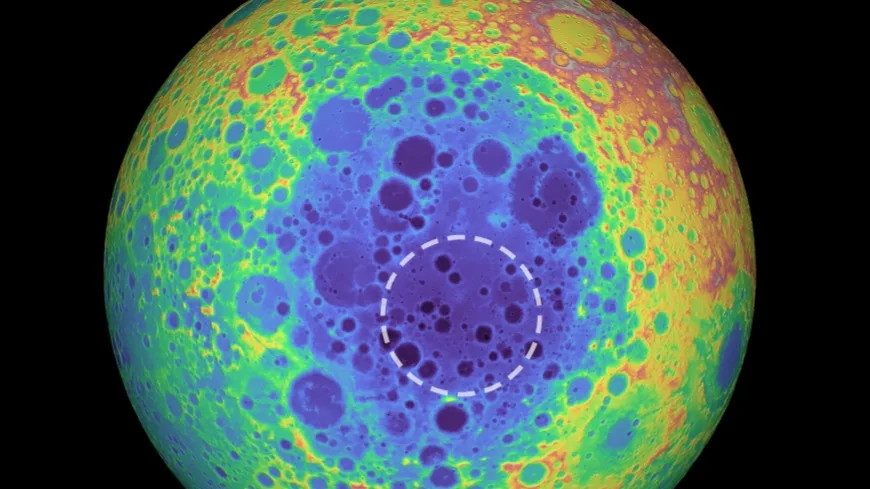
The basin is oval-shaped and as wide as 2,000 kilometers. It is also several miles deep. Even so, it never shows up in our night sky. This is because the crater is hidden on the Moon’s far side, which always points away from Earth.
That also meant the researchers had to look beyond telescopes and use data from NASA’s Gravity Recovery and Interior Laboratory (GRAIL) mission to study it.
The gravity data revealed a surprise
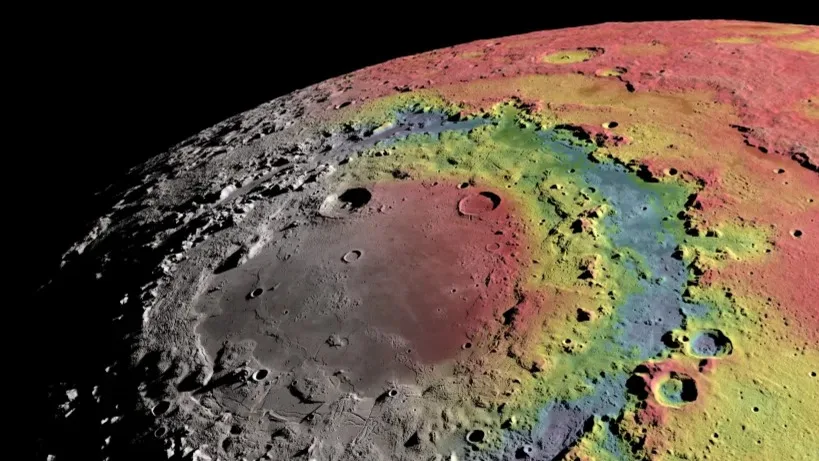
Based on the readings, scientists were able to understand what the Moon is made of on the inside. The researchers then added surface height data from the Lunar Reconnaissance Orbiter. They found an unexpected amount of mass under the surface.
Lead author Peter B. James of Baylor University said in an official statement, "When we combined that with lunar topography data from the Lunar Reconnaissance Orbiter, we discovered the unexpectedly large amount of mass hundreds of miles underneath the South Pole-Aitken basin."
And the extra mass is enormous
According to the study, the anomaly has a minimum mass of 2.18 × 10^18 kilograms (2.18 billion billion kilograms), and it likely extends more than 300 kilometers (186 miles) down.
To put that in perspective, James said, "Imagine taking a pile of metal five times larger than the Big Island of Hawaii and burying it underground. That's roughly how much unexpected mass we detected." Additionally, the mass is heavy enough to weigh the basin floor downward by more than half a mile.
Could it be metal from the asteroid?
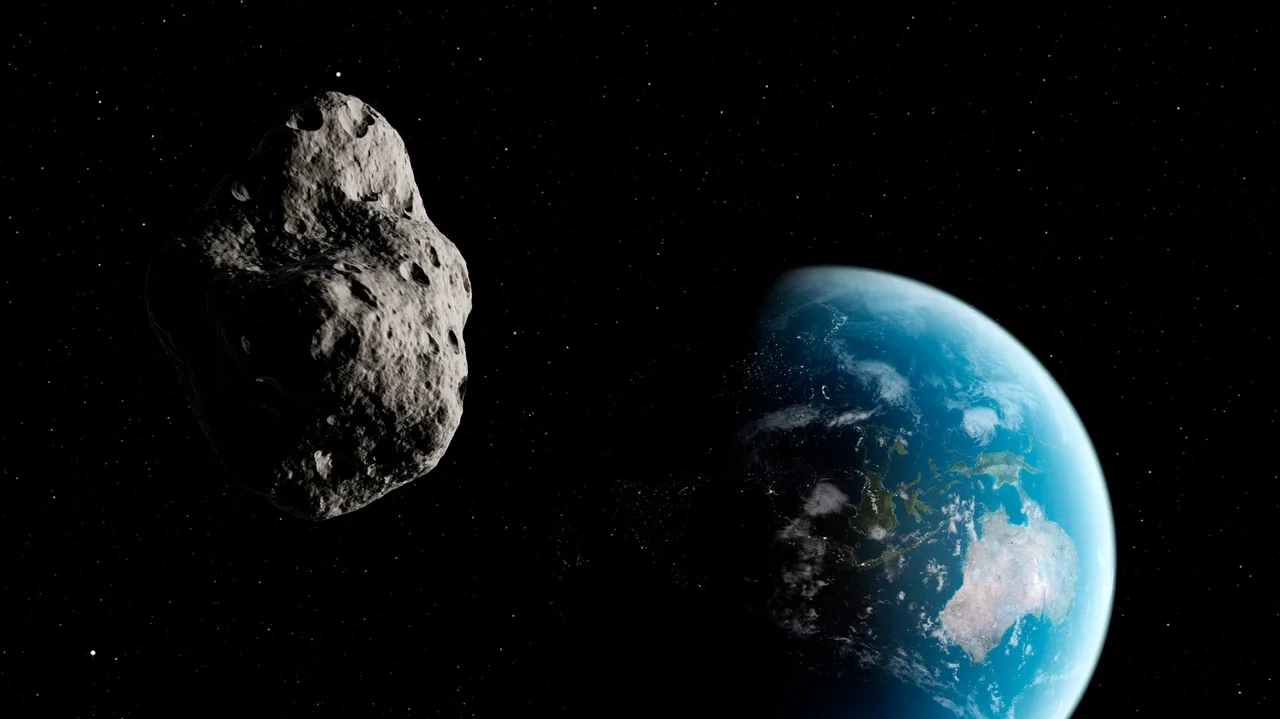
One explanation points to the asteroid that made the crater. Computer simulations of large impacts suggest that an asteroid's iron-nickel core can scatter into the upper mantle, the layer between the Moon's crust and core. But even in that case, the asteroid's metal would not settle that deep in the surface.
Commenting on this, James said, "We did the math and showed that a sufficiently dispersed core of the asteroid that made the impact could remain suspended in the Moon's mantle until the present day, rather than sinking to the Moon's core."
Or is it something else entirely?
There’s also another possibility. Early in its history, the Moon had a magma ocean, which is a huge layer of molten rock. And as it cooled over time, dense oxides, which are compounds containing oxygen, may have collected in one place.
Scientists still do not know for sure what the anomaly is, and they are actively studying it to find a definitive answer. James noted that it’s "one of the best natural laboratories for studying catastrophic impact events, an ancient process that shaped all of the rocky planets and moons we see today."