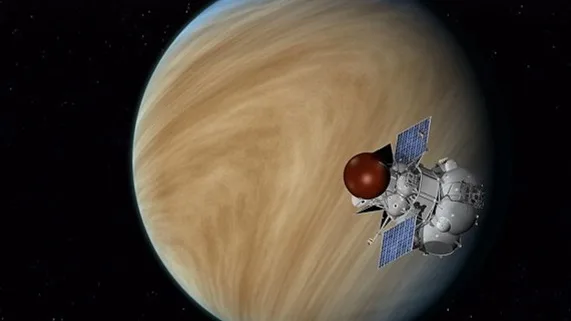
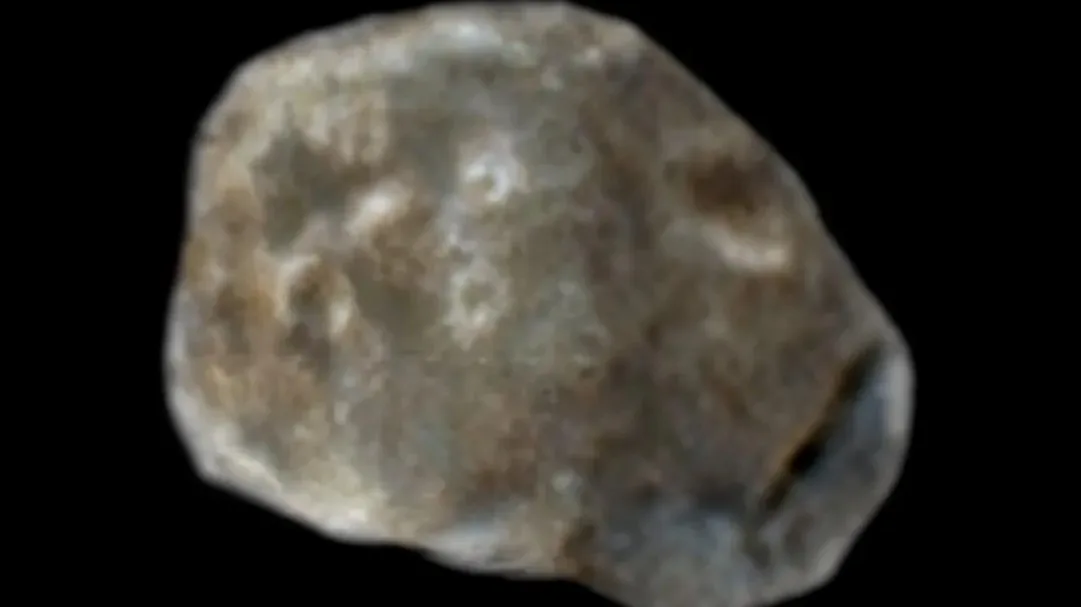
In 1989, a Soviet spacecraft mysteriously vanished near Mars. Here is what really happened
The rise and fall of the Phobos 2 mission
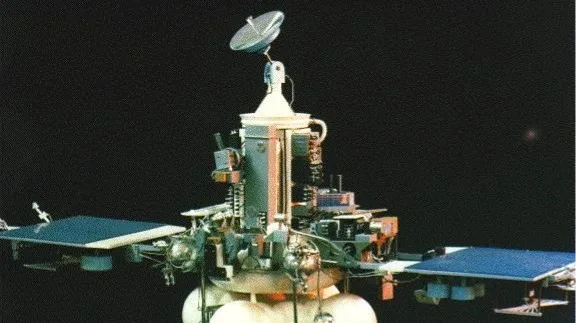
On July 12, 1988, the Phobos 2 spacecraft left Earth aboard a Proton rocket launched from the Baikonur Cosmodrome. The goal of the mission was to study Mars and its moon, Phobos. To do this, the plan also included a close pass by the moon and the release of small landing probes.
However, before completing its objectives, the mission ended in failure when scientists on Earth lost contact with the spacecraft entirely. Here's the story of what really happened to Phobos 2.
Phobos 2's rocky start at Mars
Before Phobos 2, its twin spacecraft called Phobos 1 was launched. But it stopped working on September 2, 1988, because faulty commands were sent while it was on its way to Mars. When Phobos 2 entered Martian orbit on January 30, 1989, it’s one of the three flight computers were found offline.
But still, it sent back useful information about the Martian environment. And by March, all of its science instruments were working normally.
The images came through, but contact was lost
On March 27, 1989, the Phobos 2 was preparing to take photos of Phobos, which would then help guide a second close pass planned for early April. In order to take those images, the spacecraft would have to turn toward the Moon, and this also pointed its antennas away from Earth.
Soon afterward, though, controllers could not reconnect with the craft. Still, the pictures from its last close encounter with Phobos did make it back to the ground team.
The mystery behind Phobos 2's final images
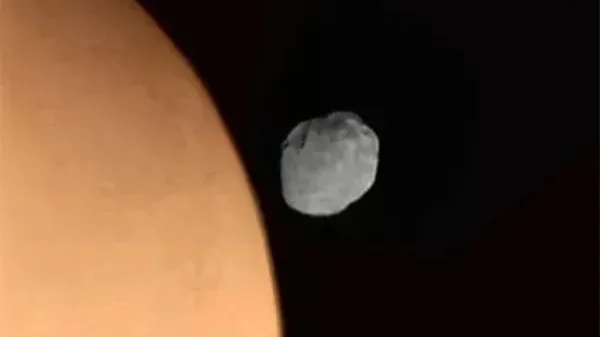
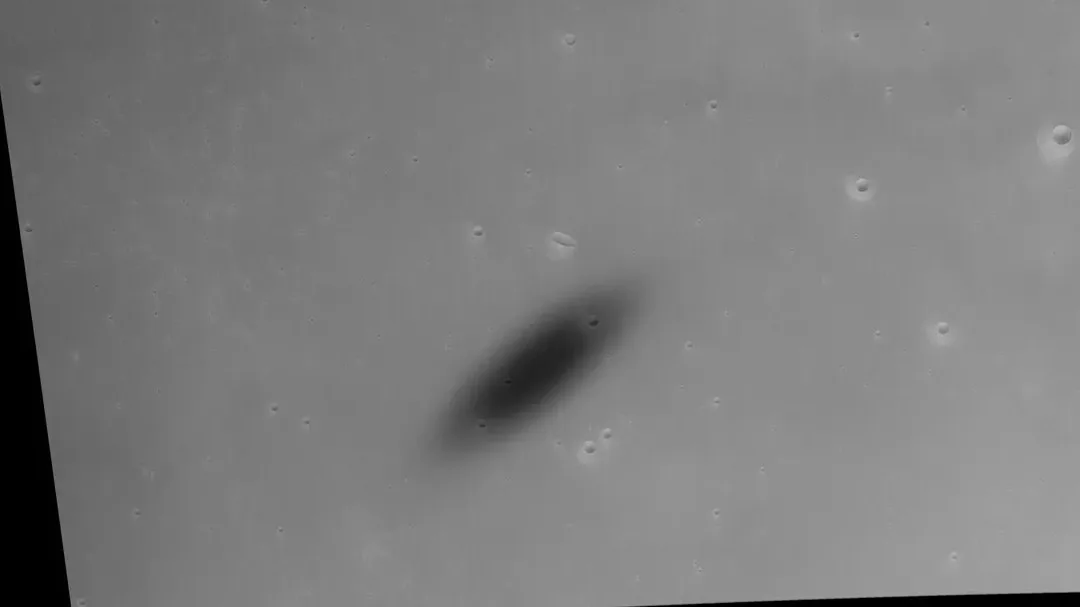
Some of the last images captured by Phobos 2 seemed to show a long, stretched-out shadow beneath the probe. That odd detail fed conspiracy theories about what had happened to the craft. Some even suggested that it was disabled by an alien spacecraft.
The images, along with the unexplained loss of the probe, have kept the question of what really happened to the probe open.
The likely reason behind the silence
After contact was lost, a few brief radio signals still came through. Engineers suspected that the craft had started spinning and couldn't aim its solar panels. This would then eventually drain its power.
Investigators also pointed to a failure in the onboard computer system as the most likely explanation, but the exact cause is still unknown.