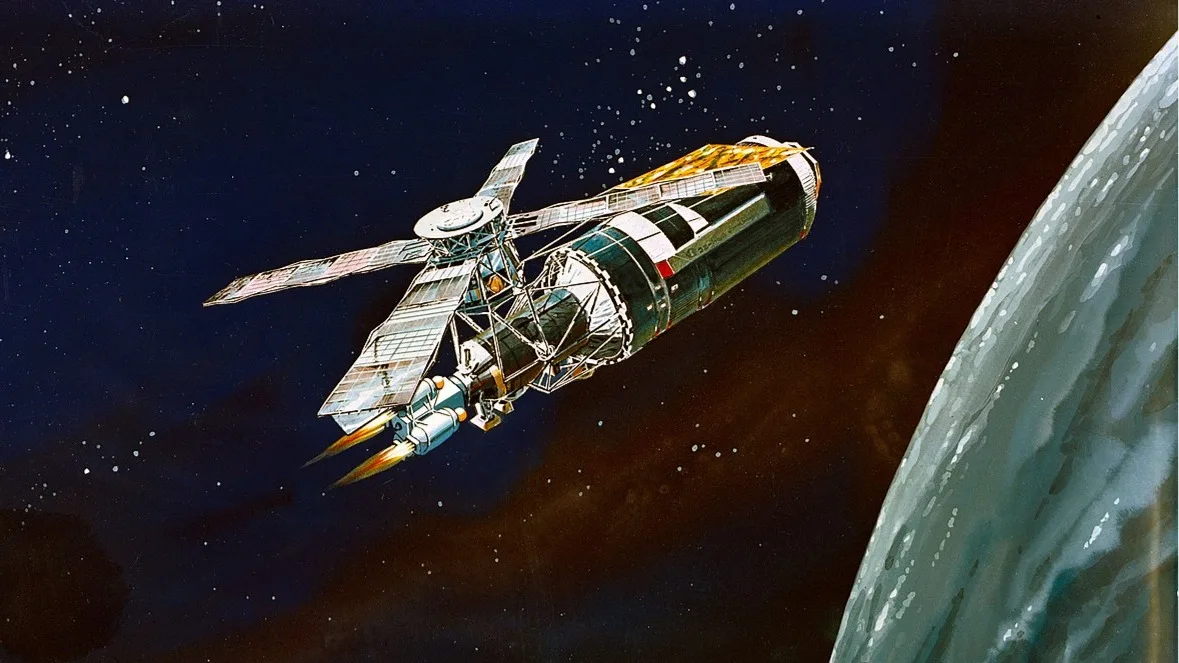
The end of Skylab: How NASA's first space station fell out of the sky in 1979
Skylab's journey from space to Earth
Skylab was one of NASA’s space stations that orbited roughly 270 miles above Earth. The station was expected to remain in orbit until March 1983. But things didn't go as planned, and Skylab met its end much sooner than expected (nearly four years ahead of schedule).
And without a way to save it, the station eventually fell back toward Earth. Here’s the story of Skylab.
The orbit faced an unexpected challenge
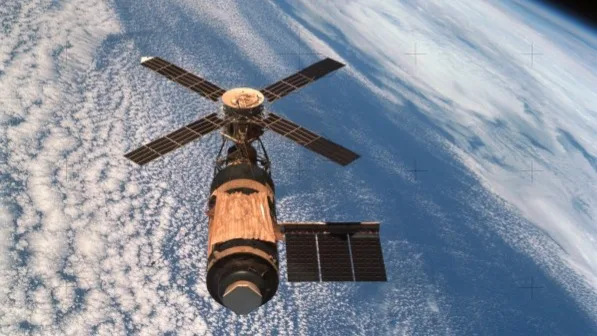
Just before leaving the space station, the last crew of Skylab raised the altitude of the station in the hopes that a future space shuttle could visit it again. Then, they departed for Earth on February 8, 1974. But the Sun turned out to be the second most active in a century during the same time.
The more active the Sun gets, the farther Earth's atmosphere expands into space. And Skylab was already drifting away from its planned position, which only added to the problem. By 1977, it was expected that the reentry would be done as early as mid-1979.
NASA tried to give Skylab more time
NASA planned to attach a rocket stage to the 169,000-pound station, then either lift it higher or bring it down over the Pacific Ocean. After more than four years of silence, Skylab had to be switched back on between March and June 1978 to give controllers more time for the mission.
Skylab then stayed in orbit about 3.5 months longer because pointing its front end in the direction of travel reduced drag even more. Meanwhile, shuttle delays kept adding up, and NASA canceled the mission on December 19, 1978.
The manoeuvre that shaped Skylab's fall

The focus then shifted to keeping people out of harm's way. Engineers expected that some of the pieces of the space station would survive reentry. Then on June 20, with Skylab at 163 miles, controllers placed it in a high-drag position, which let them choose a final orbit that crossed mostly water.
On July 11, at 93 miles, the engineers set the station tumbling to steer its breakup toward the Indian Ocean.
The final minutes of the journey
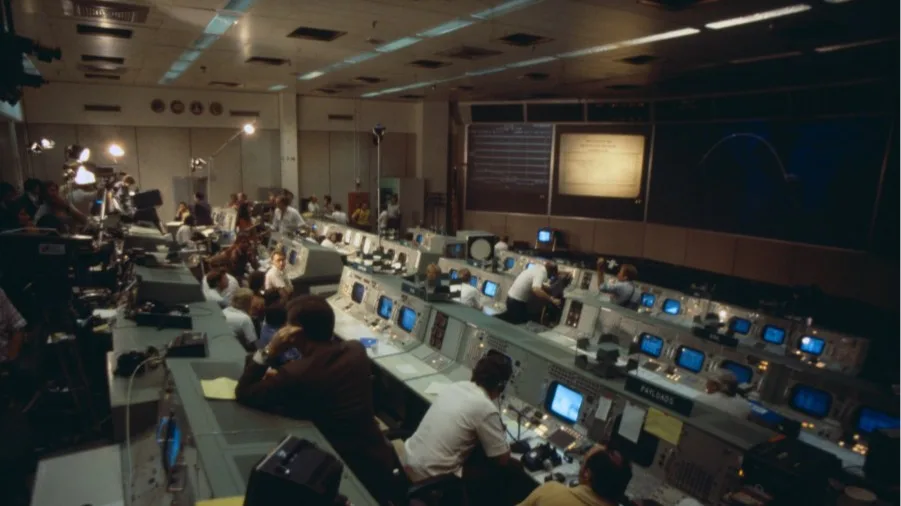
According to NASA, the controllers made contact with Skylab when it flew over 66 miles above Ascension Island. Then, its large solar array started to detach. On top of that, the workshop was also heating up. “Skylab finally broke apart at an altitude of 10 miles, slightly lower than expected, moving the impact footprint further east than planned,” the official release noted.
Flight Director Charles S. Harlan told reporters, “The surprise is over. No more suspense. Skylab is on the planet Earth.”