From triumphs to tragedies: What NASA looked like in the 1980s
NASA in the 1980s
NASA has come a long way in space exploration, and today, we know more about our universe than we did 40 years ago. But getting here took years of missions and even some heartbreaking tragedies. The 1980s saw some of the most historic moments in NASA’s history, many of which also helped shape the future of space exploration.
So, here’s a look back at the moments that defined NASA in the 1980s.
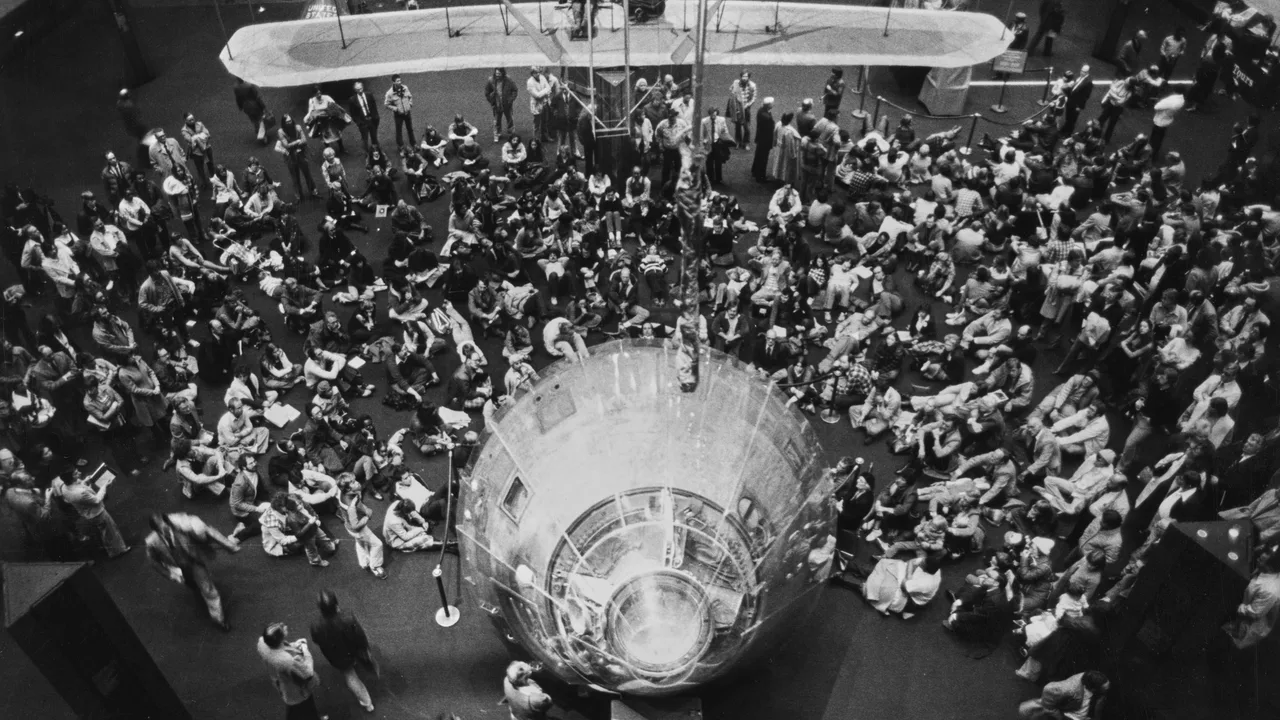
Voyager 1 relay at National Air & Space Museum
1980 was the year during which NASA's space probe Voyager 1 relayed images of Saturn to hundreds of visitors. People gathered at the Smithsonian Institution's National Air and Space Museum (NASM) in Washington to watch it on November 13, 1980. This was an historic event, as it showed that Saturn's rings were far more complex than previously thought.
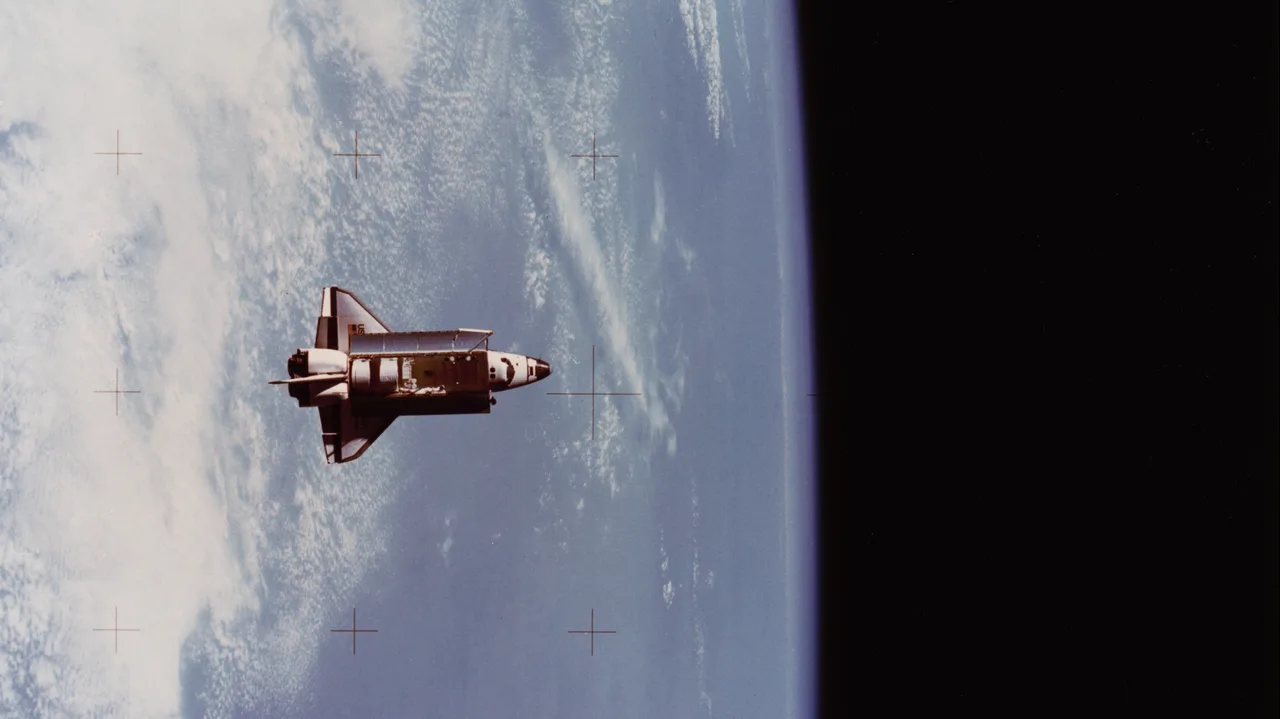
Image of Challenger during NASA Mission STS-7
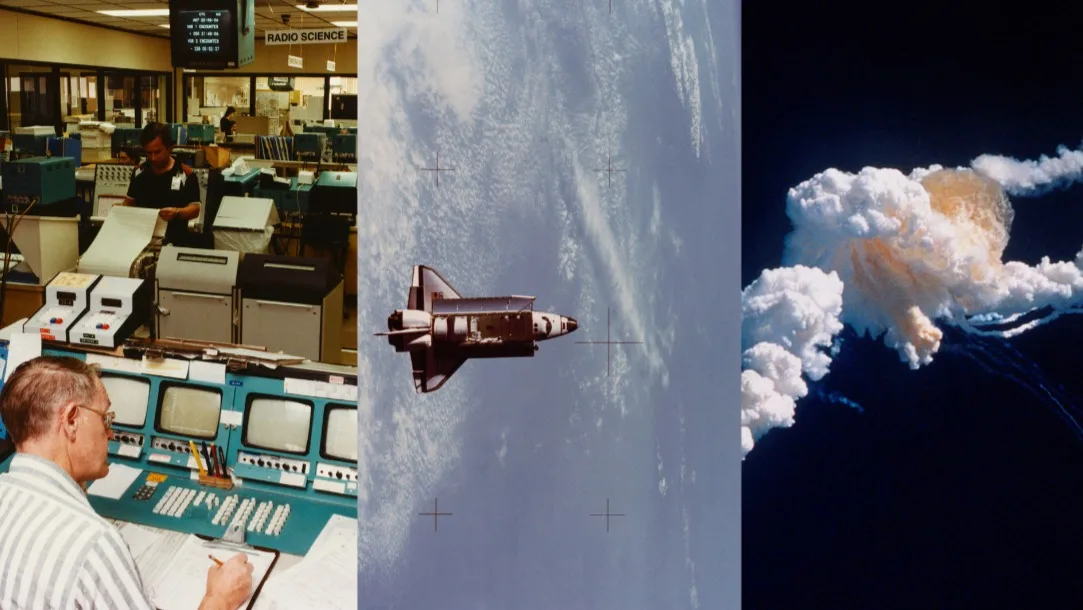
STS-7 mission was launched on June 18, 1983, and it lasted for about 6 days and 2 hours. This mission carried Sally Ride, who was the first American woman to fly in space. The mission also included commander Robert L. Crippen, pilot Frederick H. Hauck, as well as Mission Specialists John M. Fabian and Norman E. Thagard. During this flyby, the spacecraft deployed two communications satellites.
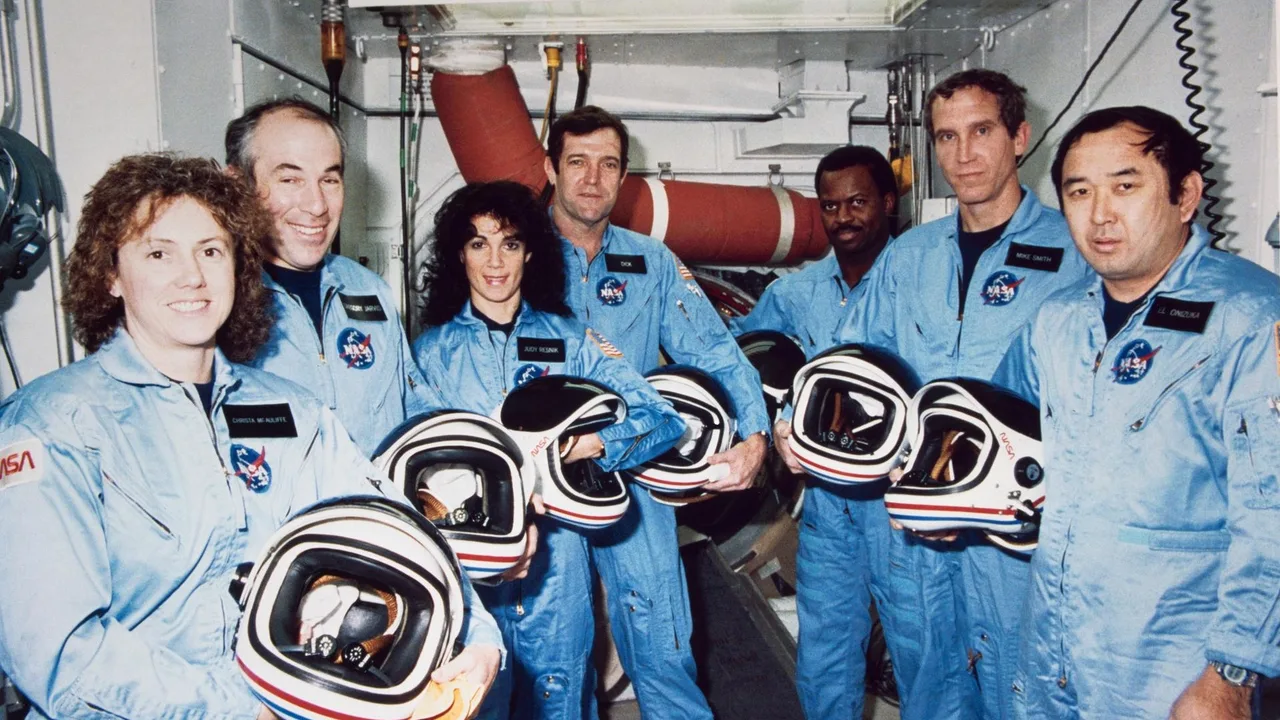
Portrait of Challenger STS-51L Crew, 1986
Unfortunately, the 1980s were not full of successful missions for NASA. This is an image of the crew of the Space Shuttle Challenger STS-51L, who all lost their lives during a tragic accident at launch on January 28, 1986. The crew included seven members: astronauts Michael J. Smith, Francis R. Scobee, Ronald E. McNair, Ellison S. Onizuka, Sharon Christa McAuliffe, Gregory Jarvis, and Judith A. Resnik.
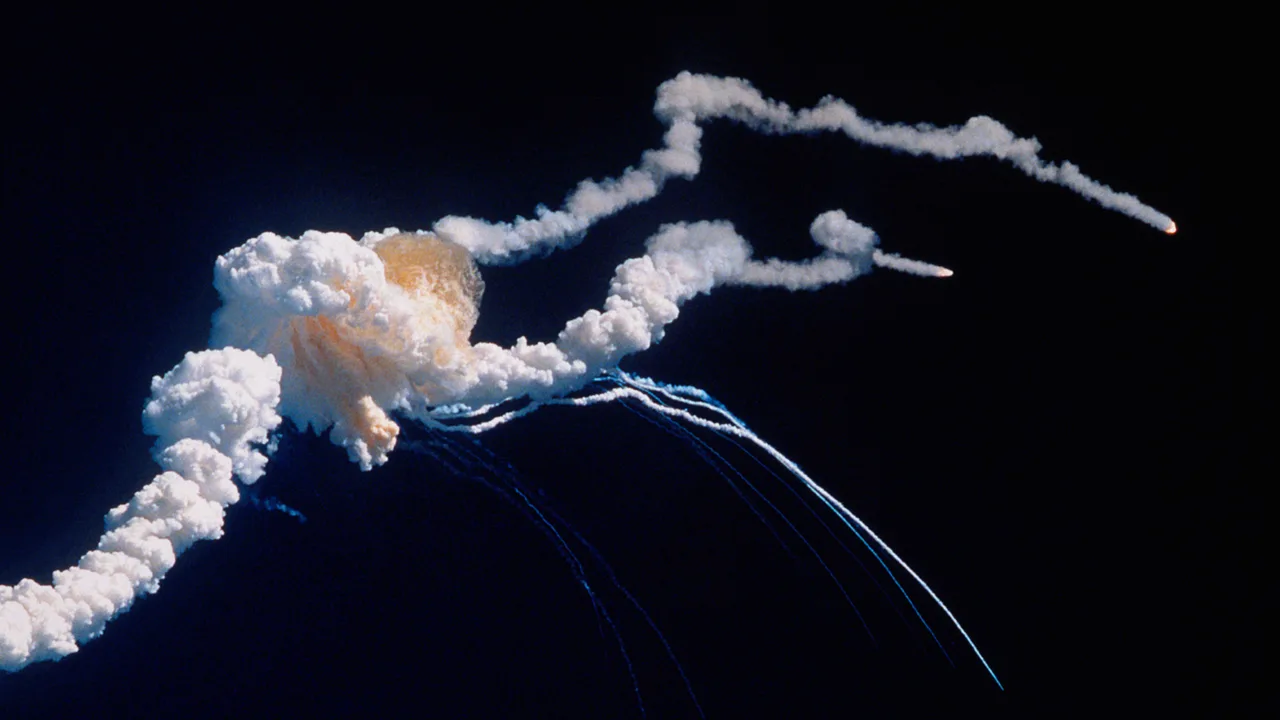
Image of the Challenger STS-51L Accident
The incident happened on January 28, 1986, and claimed the lives of seven astronauts. The cause of the disaster was the failure of the primary and secondary O-ring seals in a joint in the right Space Shuttle Solid Rocket Booster (SRB). As per NASA, "the American people were rocked as tragedy unfolded 73 seconds into the flight of Space Shuttle Challenger’s STS-51L mission." It was the final flight of the Space Shuttle Challenger.
Launch of the first Space Shuttle mission
The year 1981 marked the historic start of the orbital flights of NASA’s Space Shuttle program. The mission, titled STS-1, was launched on April 12 and spent about two days orbiting our planet. The mission tested the entire shuttle vehicle and provided the capability of launching a reusable spacecraft into orbit and even returning the crew safely to the surface.
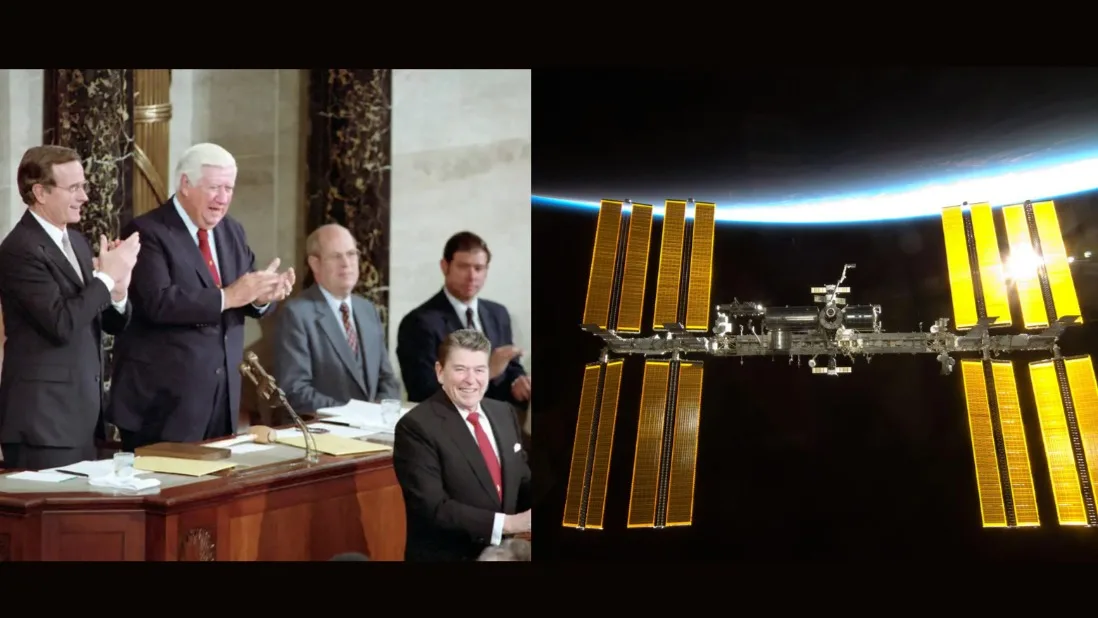
Call for the International Space Station
About 42 years ago, U.S. President Ronald W. Reagan directed NASA to build a permanently inhabited, Earth-orbiting space station “within a decade.” He made this announcement during one of his addresses on January 25, 1984. This marked the beginning of what is now well known as the International Space Station. And by 2000, the ISS had its very first permanent residents.
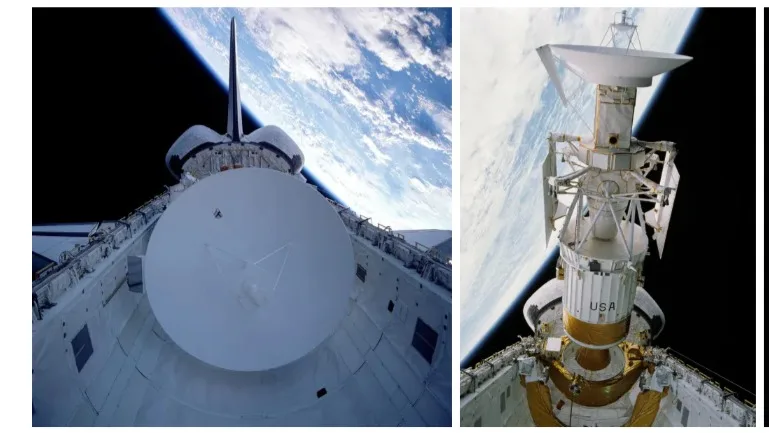
STS-30 launches Magellan to Venus
The first U.S. planetary launch took place on May 4, 1989, since 1978. During this mission, the space shuttle Atlantis went on its third flight from NASA’s Kennedy Space Center (KSC) and carried a five-person crew. It deployed the Magellan spacecraft with the aim of studying Venus, and it spent four years mapping the planet, greatly increasing our knowledge of the planet.
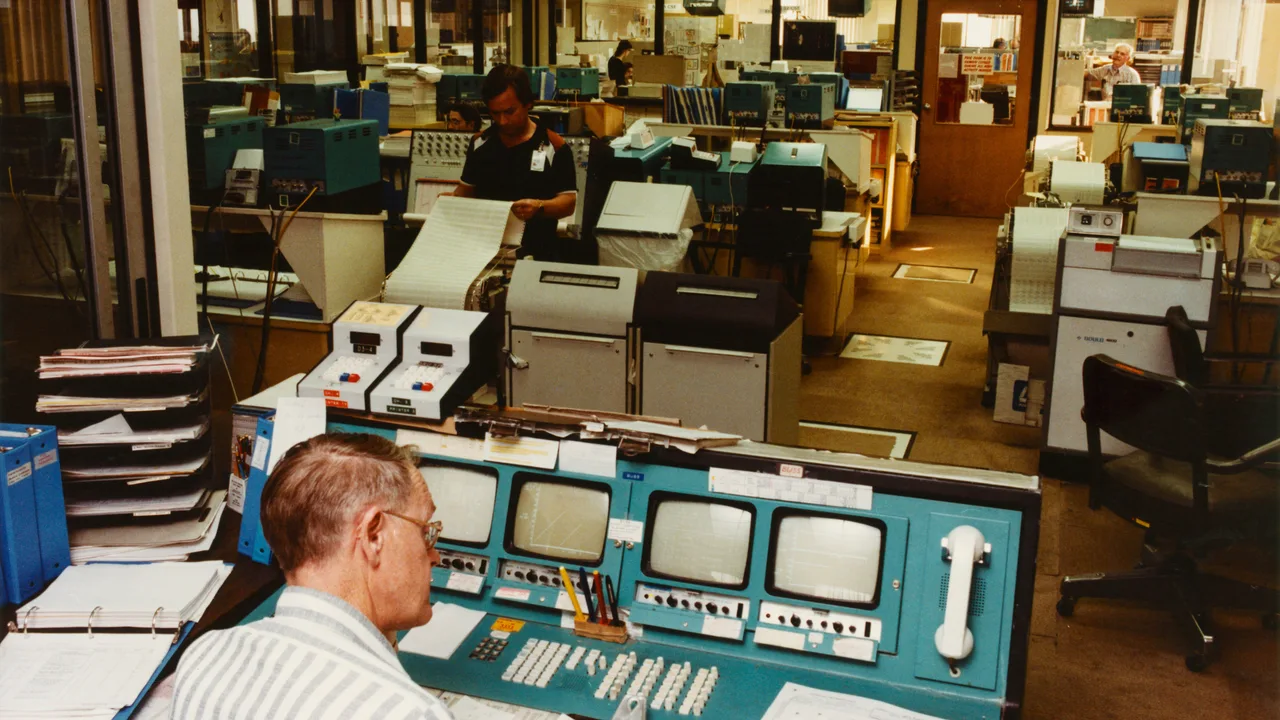
Voyager Control Center
In this image, you can see NASA’s Voyager control center, which is situated at the Jet Propulsion Laboratory at the California Institute of Technology (Caltech). This spacecraft was launched with the aim of studying the outer solar system and eventually interstellar space. In 1980, it flew past Saturn, and it’s currently far out in interstellar space. No spacecraft has travelled farther in space than Voyager 1.
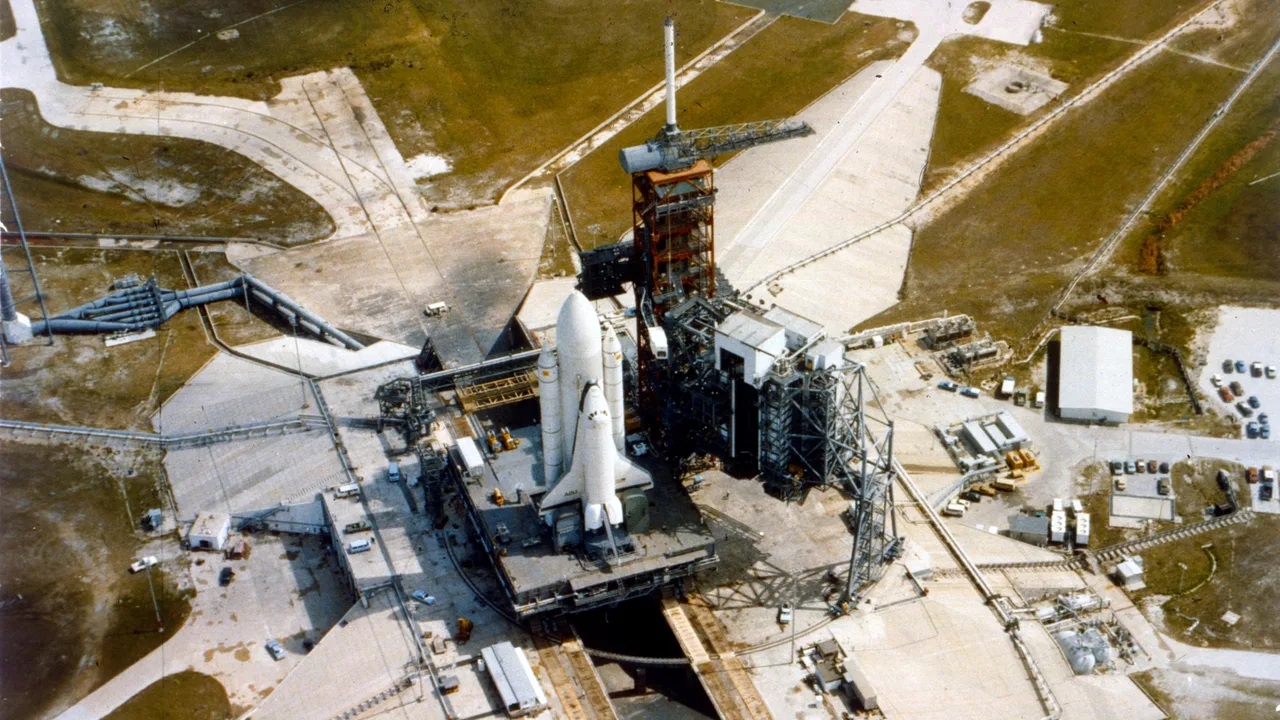
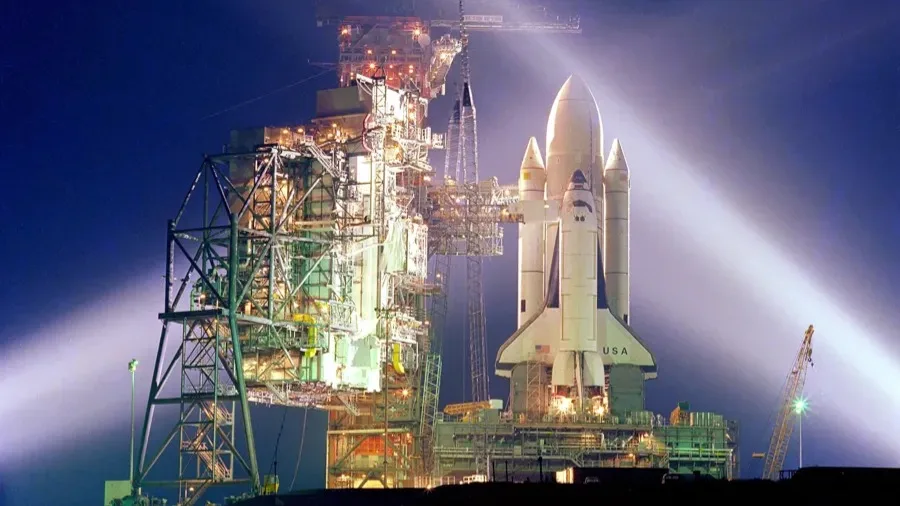
Space Shuttle Orbiter on the launch pad
Here’s a look at the Space Shuttle Orbiter, which is placed on the launch pad at the Kennedy Space Center, Florida. This space shuttle program (which is officially named the Space Transportation System) was first launched on April 12, 1981, and since then, it has completed about 135 missions. Its final mission, known as STS-135, ended on July 21, 2011.
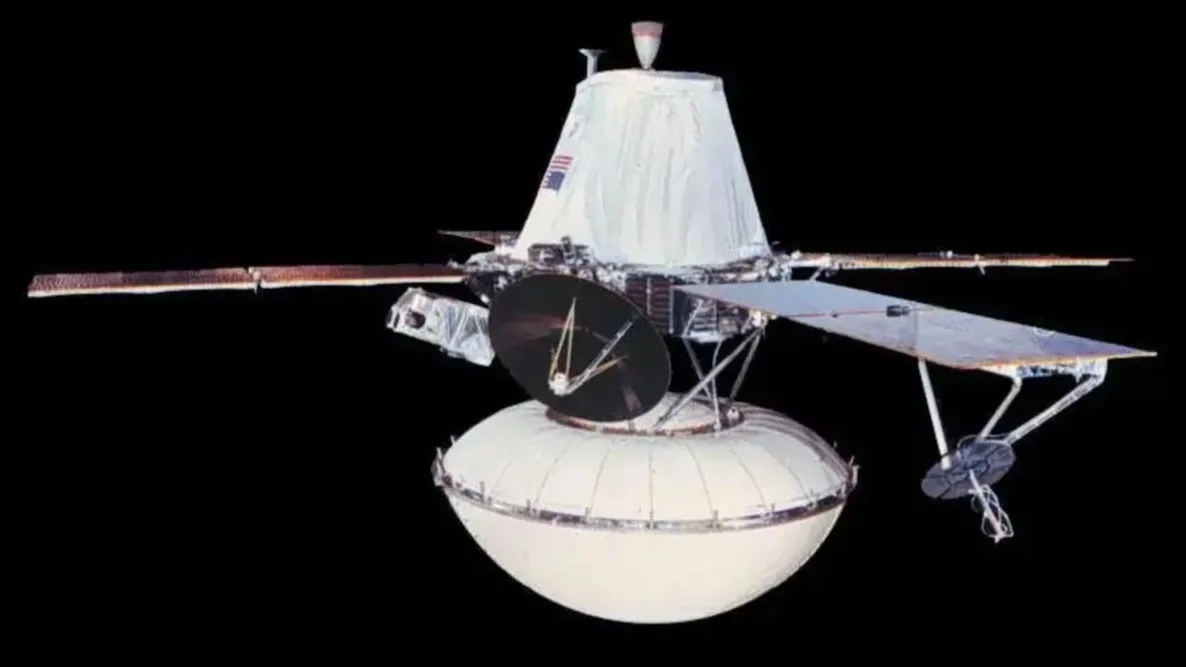
NASA's Viking 1 Mars orbiter shuts down
On August 7, 1980, the historic Viking 1 spacecraft ended its mission on the Red Planet. This was the first-ever spacecraft to successfully land on the surface of Mars, and its goal was to search for signs of life on the planet. It also took many photos of the surface. Its journey came to an end when its orbiter ran out of attitude-control propellant, so NASA had to shut it down. But it continued its surface observations for three more years before it lost contact with NASA.