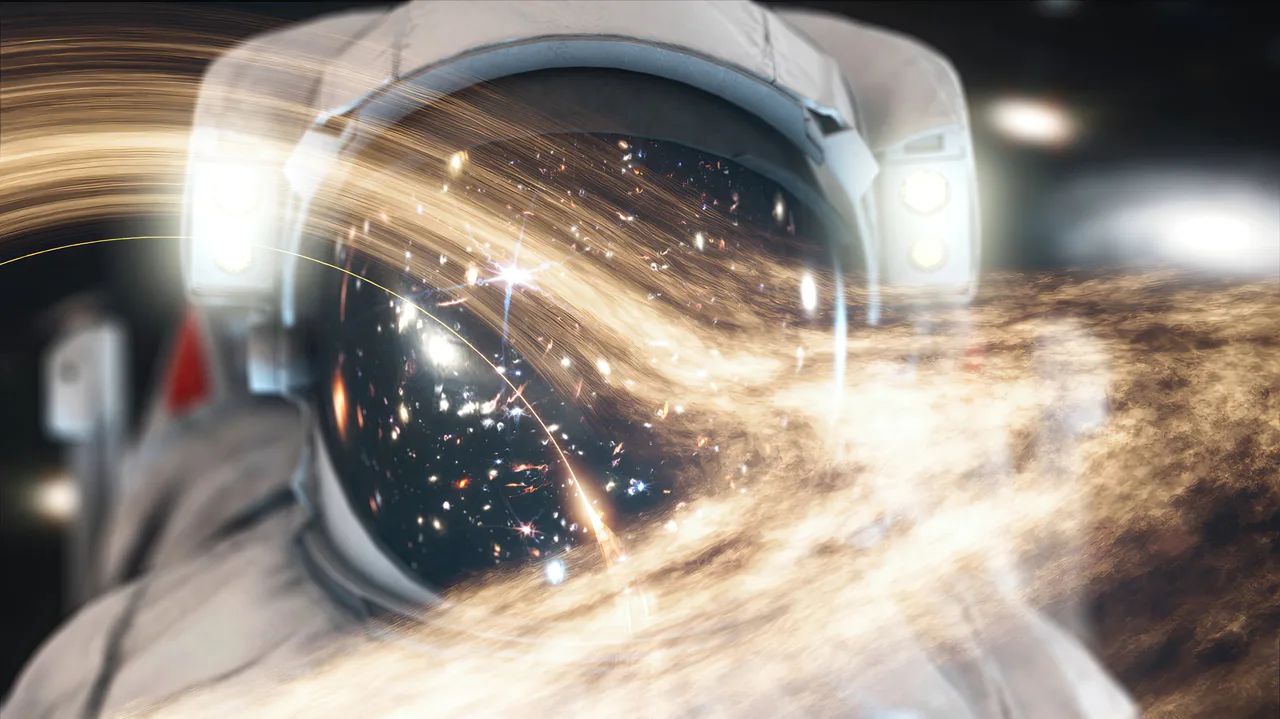
Could the universe be a living thing? Here's what scientists think
What does being "alive" really mean?
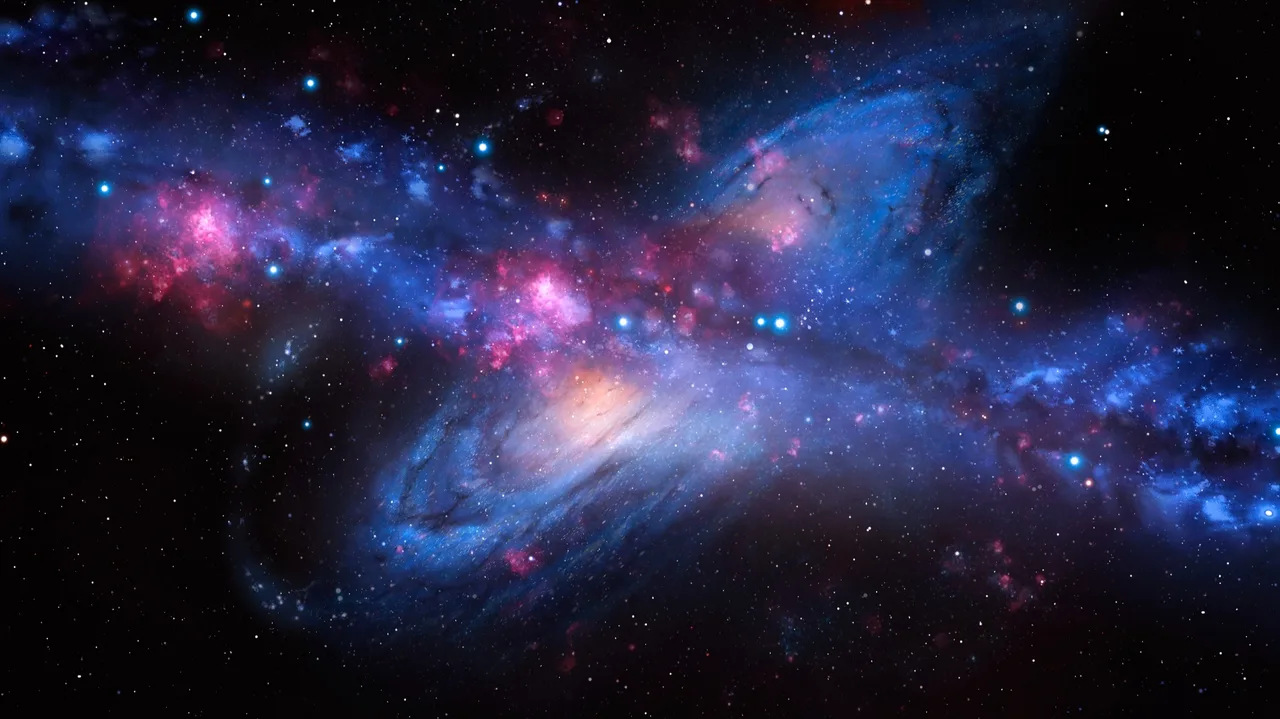
When you look closely at the universe, you will start to notice some very unexpected similarities. Atoms can somehow look like tiny solar systems, and the galaxies in the universe can resemble the branching network of neurons in our brains. These patterns have long puzzled scientists and researchers from around the world.
Are these just a coincidence, or is there something we have missed about the universe all along? Scientists who have studied this closely suggest that the universe, which is full of life, could itself be a living thing. Here’s what that means.
The coincidence gets harder to ignore
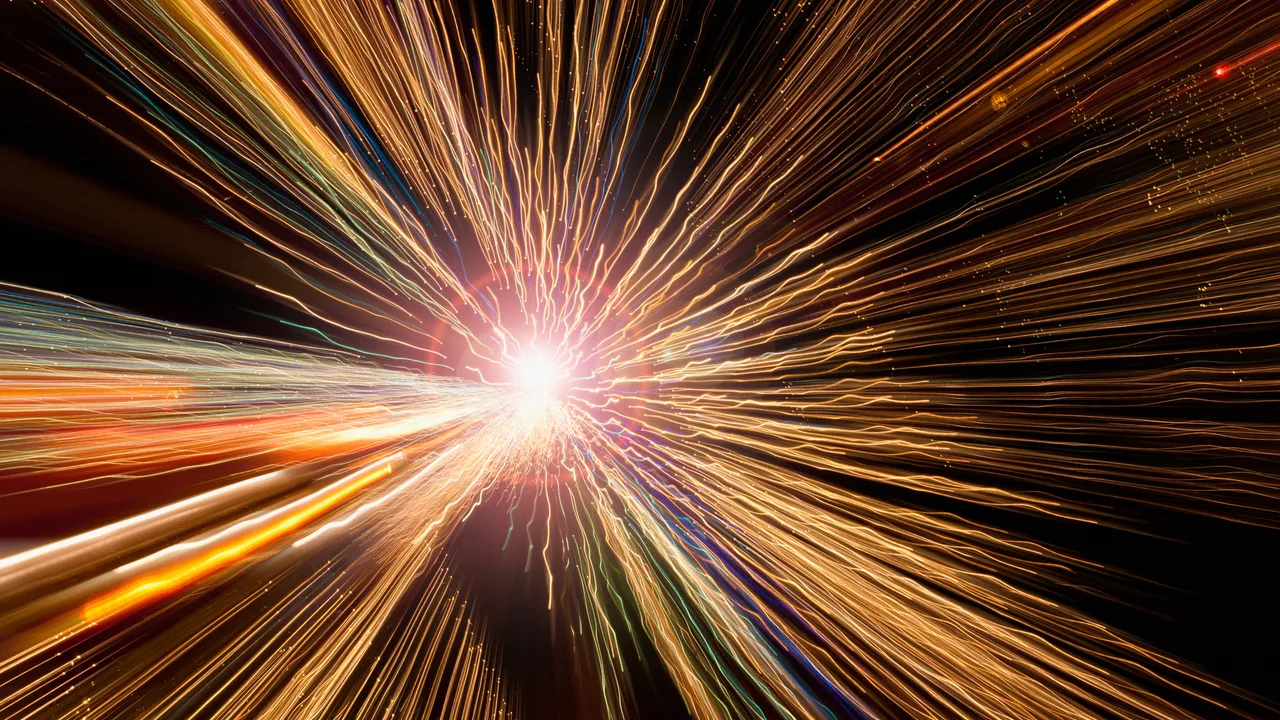
One thing that stands out the most is the ‘odd numerical coincidence’. This happens when we see odd numbers appearing in unexpected places. Scientists have noticed that the number of stars in a typical galaxy, the number of galaxies in the universe, the number of atoms in a single cell, as well as the number of cells in a human body all fall in the same range of somewhere between 100 billion and 100 trillion. This repeated pattern makes them wonder if this could be more than a coincidence.
But how would the universe actually "talk" to itself?
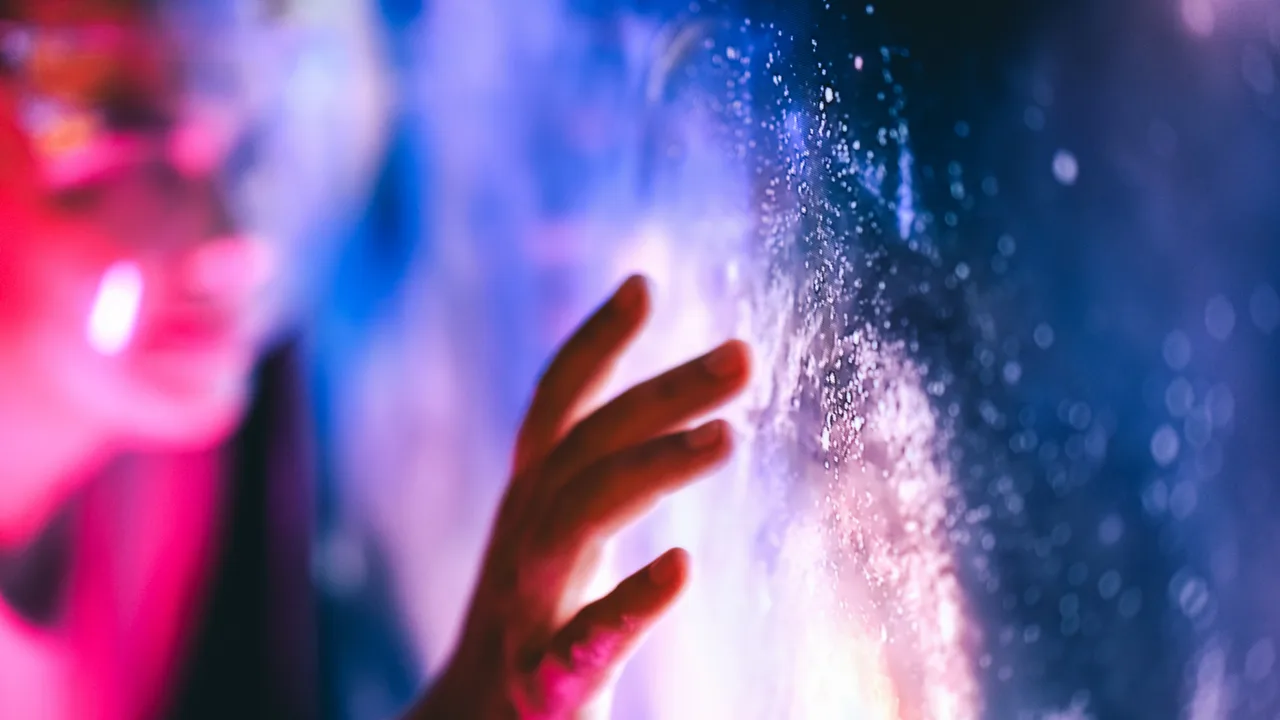
Another example is self-awareness. In human life, our self-awareness depends on the consistent signals between neurons. The same idea can also be applied to the universe. This raises the question of how much of the universe exchanges its information with the rest of it.
Think of it like this. Light has been traveling since the Big Bang, but it still hasn’t reached everything out there. And some galaxies are moving away from us so fast that any light or signal they send may never catch up. In fact, if we send a message today out in the universe, it would only reach about 3% of the galaxies we can currently observe.
Could the universe itself be alive?
On one hand, our human brain can hold around 100 billion neurons and 100 trillion connections between them. Each of them fires at roughly 200 times per second. And on the other side, a mature galaxy cluster could contain roughly a trillion stars, all evolving over vast stretches of time. In theory, that gives it a similar number of signals and connections.
In his paper, Alexey V. Melkikh from the Department of Technical Physics, Ural Federal University argues, "The properties of the universe, on the basis of which life arose within it, were encoded in topological states before the Big Bounce (scattering). At later stages, life evolved directly. Dark matter and dark energy can be used to control the lifetime of the universe. The universe itself can be considered to be a superorganism.”
The similarities don’t stop at appearance
Beyond the brain comparison, there’s also a connection to life-like behavior and self-organization. This includes the way systems can somehow naturally arrange themselves into patterns without outside direction. Even researchers open to the idea are cautious about it.
In a paper published on ResearchGate, Anil Kumar from the Coffee Board of India notes, "By analysing astrophysical phenomena, biological processes, and philosophical frameworks, we argue that the universe exhibits characteristics akin to a living system. The discussion integrates scientific theories, including the self-organizing principles of complexity science, the Gaia Hypothesis, and Panpsychism, with ancient wisdom traditions that suggest an inherent consciousness within the cosmos.”