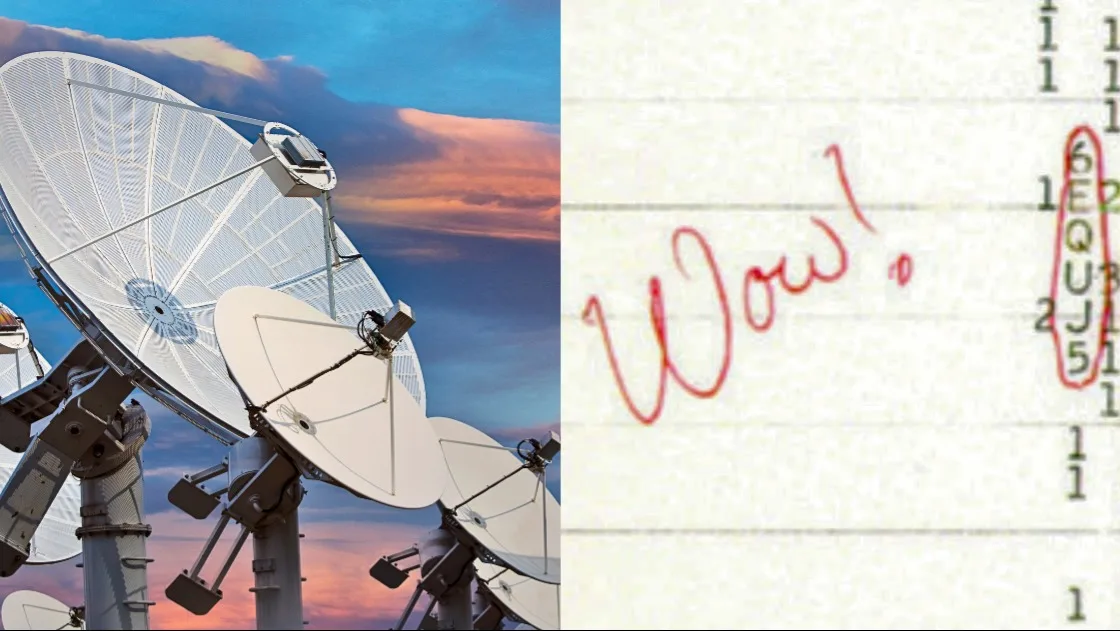
The mysterious Wow! Signal may finally have an explanation, and it's not aliens
The source behind the mysterious Wow! Signal
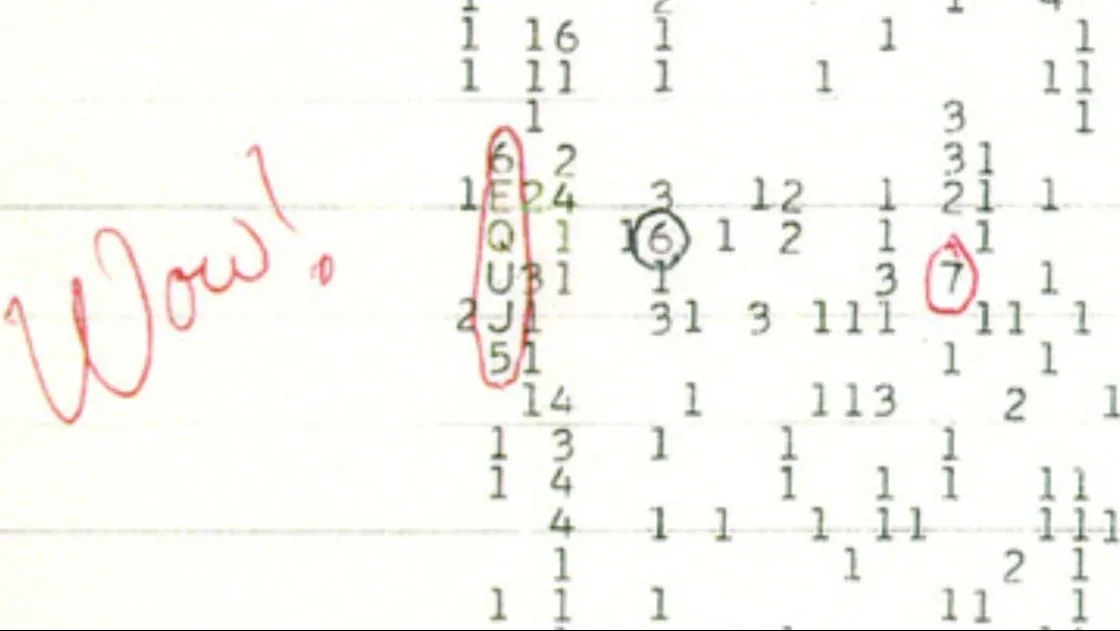
The very first evidence of the Wow! Signal was picked up by the Big Ear radio telescope of Ohio State University in 1977. When astronomer Jerry Ehman first came across the signal, it was so unusual that he circled it on the printout and wrote “Wow!” beside it. That little note ended up giving the mysterious signal its famous name.
For nearly 50 years after that, scientists from around the world have been trying to figure out its origin. Some even suggested that it might have come from aliens from deep space. Now, a team might have finally found the source of this mysterious signal. Here’s what they say.
The research begins with archival records
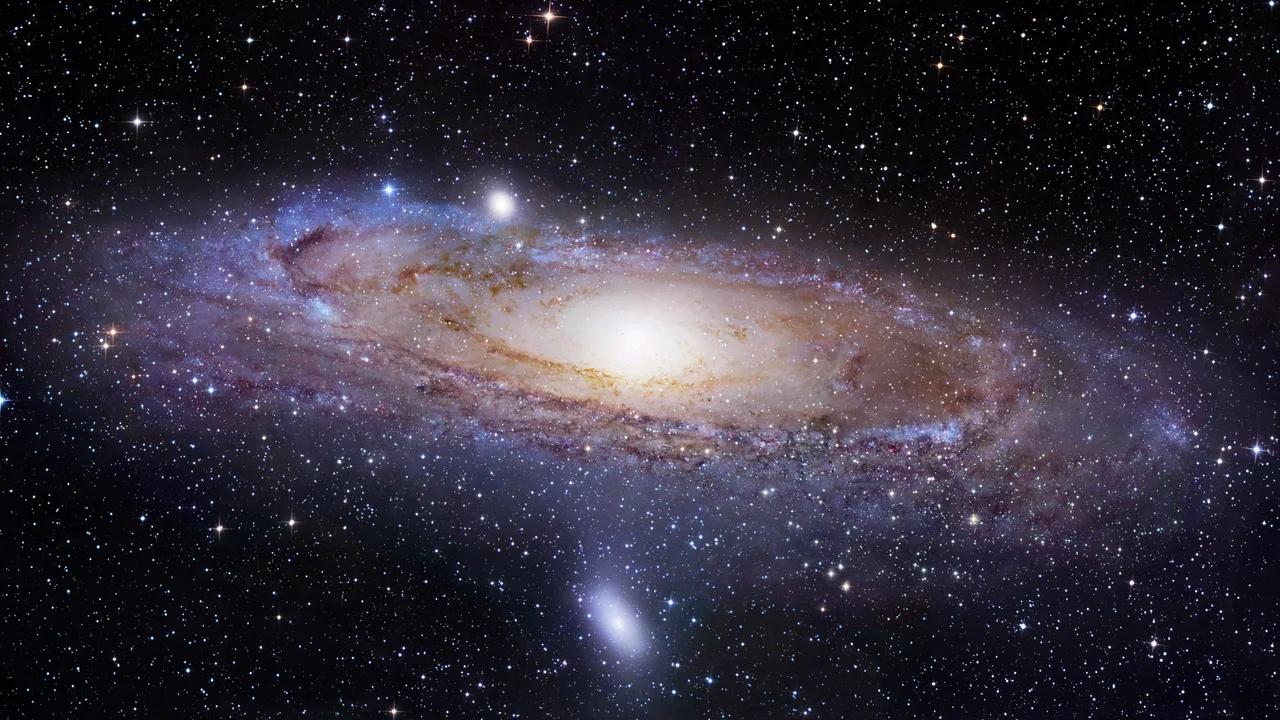
The signal came from the direction of the constellation Sagittarius. It lasted only for about a minute and was never repeated after that. To find its origin, researchers from the Planetary Habitability Laboratory at the University of Puerto Rico went through old unpublished observations and archival records from Ohio State's old SETI program.
Their goal was to get the signal's properties more precisely than anyone had before. Wow! Signal researcher Hector Socas Navarro told Space.com, "We look at old archives with modern science methodologies. It's a bit like space archaeology."
Their leading theory says it’s not extraterrestrials
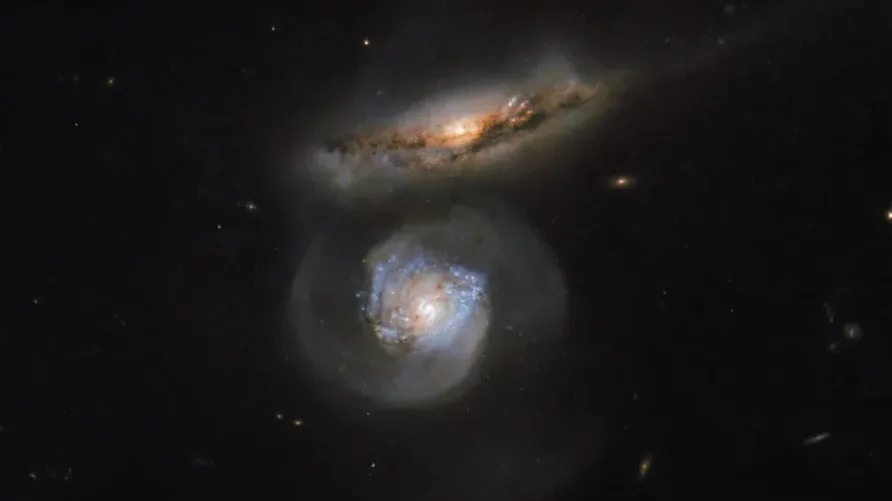
The team's best explanation for the Wow! Signal is that it came from a cloud of hydrogen gas in space that got suddenly and dramatically energized. They believe that something must have hit the hydrogen cloud with a burst of energy strong enough to make it light up briefly and brightly at that frequency.
The researchers also argued that if this had a natural origin, then other regions might have also recorded similar signals. For this, they looked through old data, and they found the same fainter signals from the Arecibo Telescope.
But why was the signal so strong?
To explain this, researchers suggest that the cloud may have briefly turned into a maser, which is the microwave equivalent of a laser. So instead of atoms releasing energy randomly, they release it in a synchronized burst.
That, in turn, could explain why the signals seen by Arecibo looked much like milder versions of the same phenomenon. If this holds up, it would be the first time astronomers have ever documented a maser like this happening in space.
A dead star may have supplied the energy behind it all
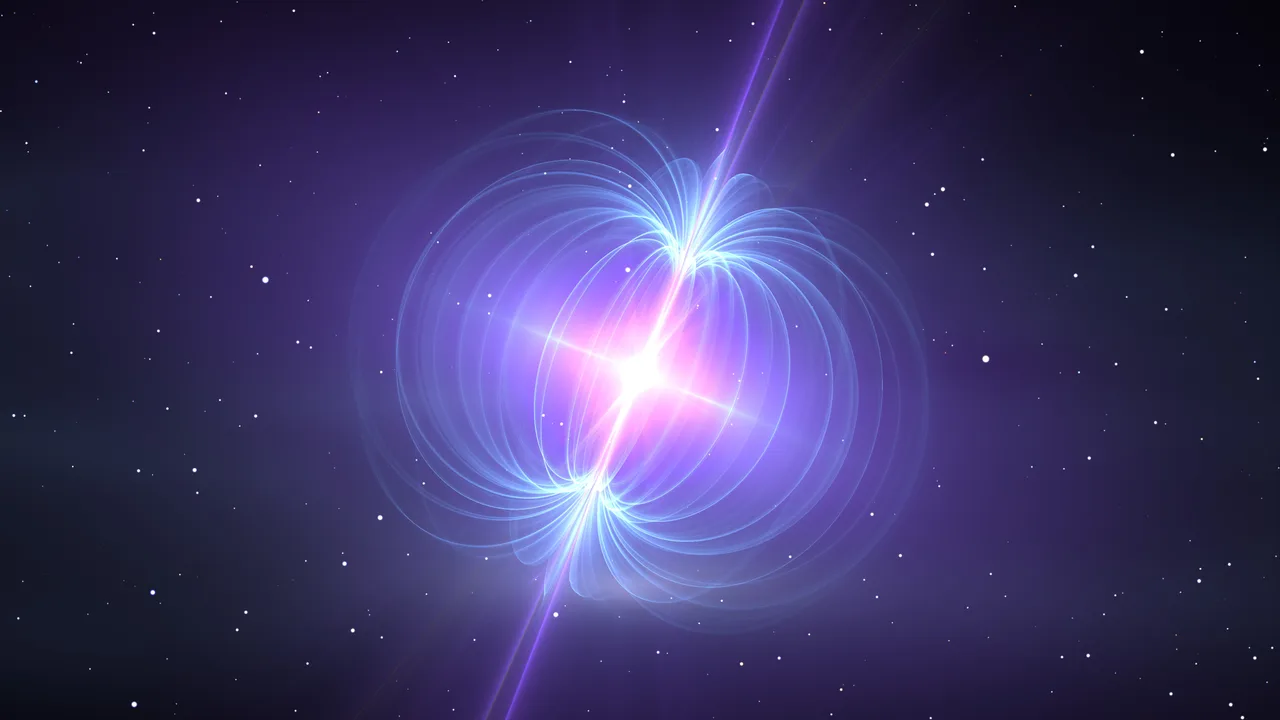
But what triggered that burst? Researchers note that it might have been caused by a magnetar or a soft gamma repeater. Interestingly, neither type of object had even been discovered back in 1977. Hence, nobody at the time could have connected the dots.
Méndez is careful to note the case is not yet closed. Commenting on the study, he said, "This study doesn't close the case. It reopens it, but now with a much sharper map in hand."
Now anyone with a small telescope can join the hunt
Turns out, the original Wow! Signal was so strong that those who had home equipment would have been able to catch something similar at that time. Now, anyone who has a small telescope can search for these similar bursts themselves with the help of the Wow@Home project.
“The Wow@Home Radio Telescope operates autonomously, 24/7, as a meridian-style instrument, conducting a continuous all-sky survey for transient events. The hardware required to build these telescopes is both inexpensive and widely accessible, relying on readily available components,” reads the official website of the Wow@Home project.