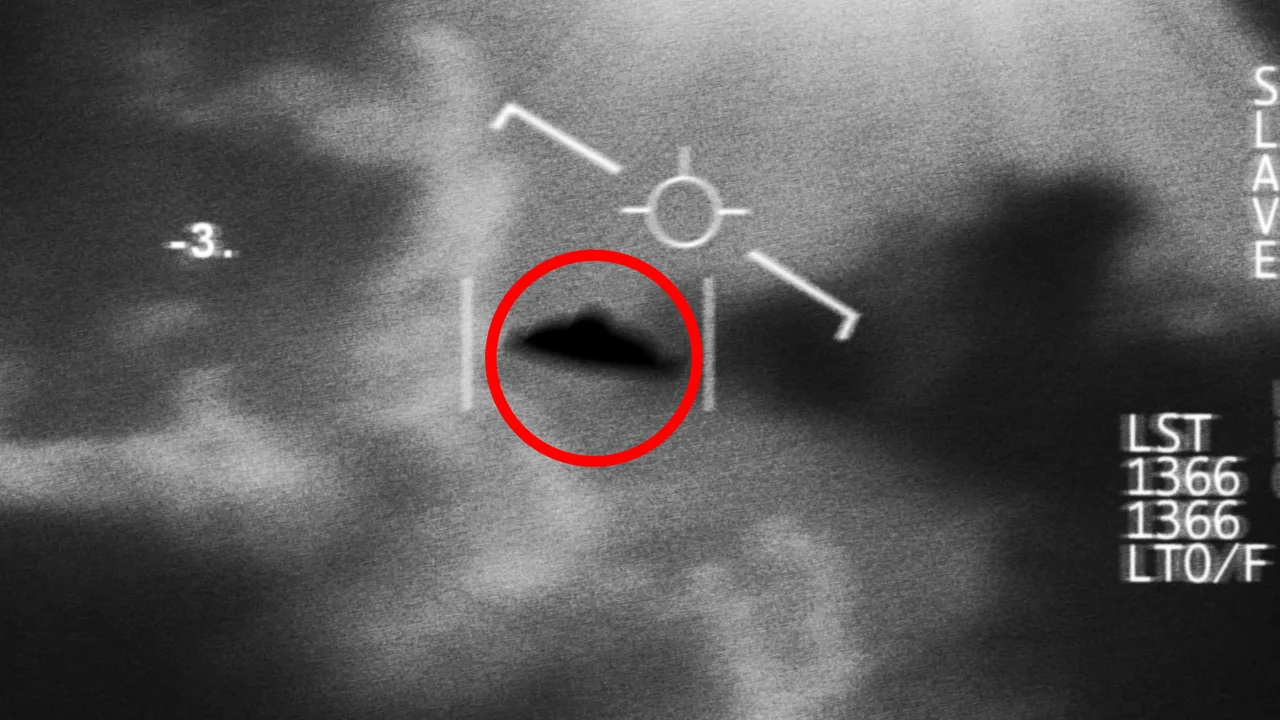
Harvard scientist Avi Loeb says aliens are already here. But why haven't we found any?
Avi Loeb's favorite answer to 'Where is everybody?'
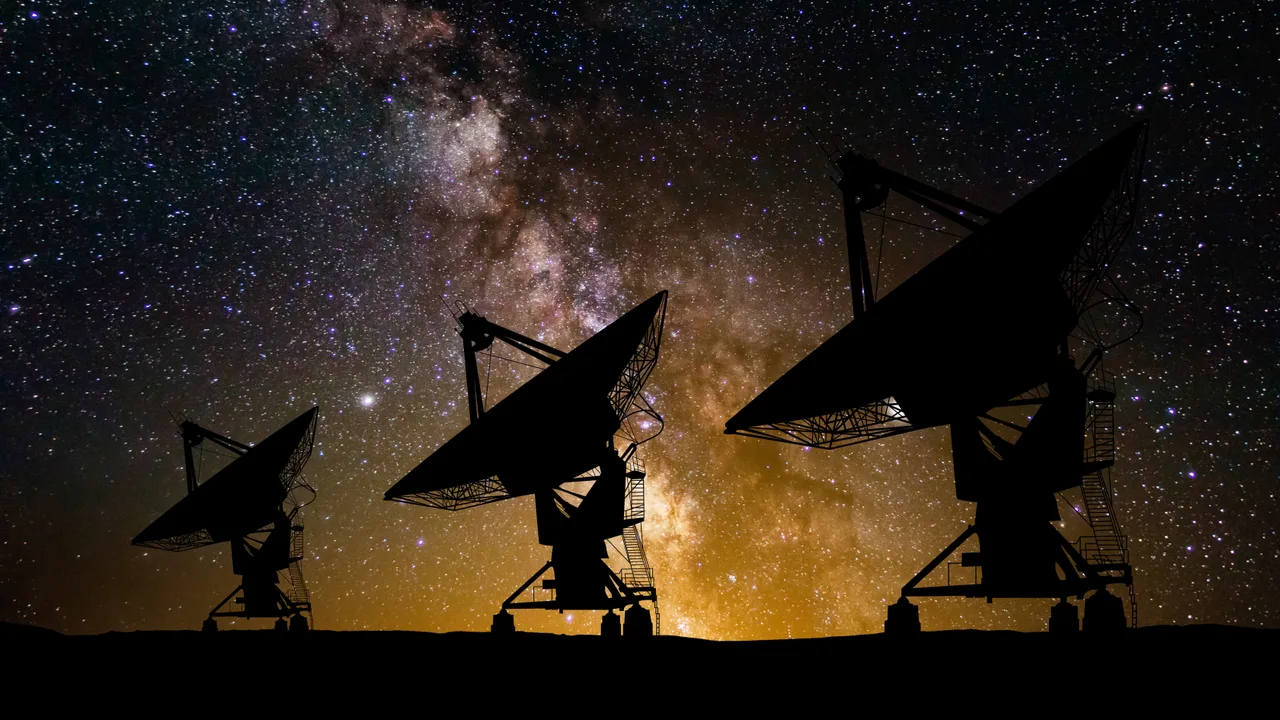
Over the years, many theories have tried to solve the Fermi Paradox—the disparity between the high likelihood of the existence of extraterrestrial civilizations and the lack of evidence for the same. But which one does Avi Loeb, the chair of the UAP Science Advisory Council to the White House, find the most plausible?
“The theory I like the most in answer to Enrico Fermi’s question: 'where is everybody?' is: ‘They are here. It’s just that we haven’t realized that,’” Loeb told host Jesse Weber during his appearance on NewsNation earlier this month.
But why haven’t we detected any aliens?
To Loeb, who is also the director of the Galileo Project at Harvard, the reason is obvious. Humanity is still pretty young. It has tinkered with modern science for about a century or so, whereas most stars are billions of years older than our Sun.
So aliens, Loeb says, “had plenty of time to develop science and technology well beyond our understanding.”
Government has data it doesn’t understand yet
To illustrate his point, Loeb referred to a private meeting that the members of the UAP Science Advisory Council had at the Office of the Director of National Intelligence on August 31. While he was not at liberty to reveal the exact contents of the meeting, Loeb told Weber that the U.S. government has “some data that they don’t fully understand.” “And it’s not obvious at all, based on what they know, that we are definitely dealing with only human-made technologies.”
As its name suggests, the newly formed council is meant to advise the government on unidentified aerial phenomena (UAP), and it works in tandem with the Pentagon’s All Domain Anomaly Resolution Office, the Office of the Director of National Intelligence, and the FBI.
Telescopes that could still detect alien tech
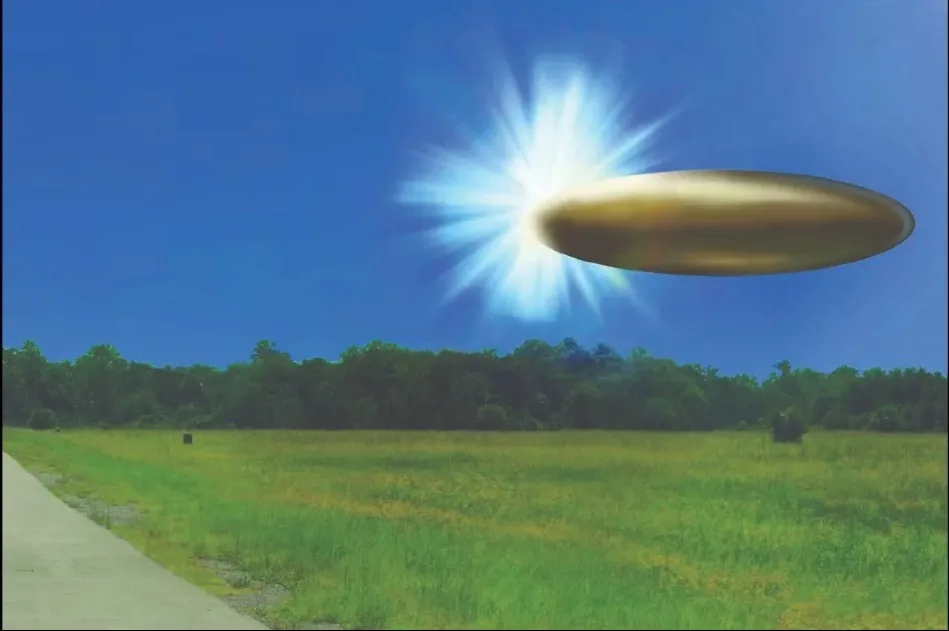
As much as he thinks that aliens might have developed technologies far beyond our understanding, Loeb hasn’t ruled out our chances of detecting them.
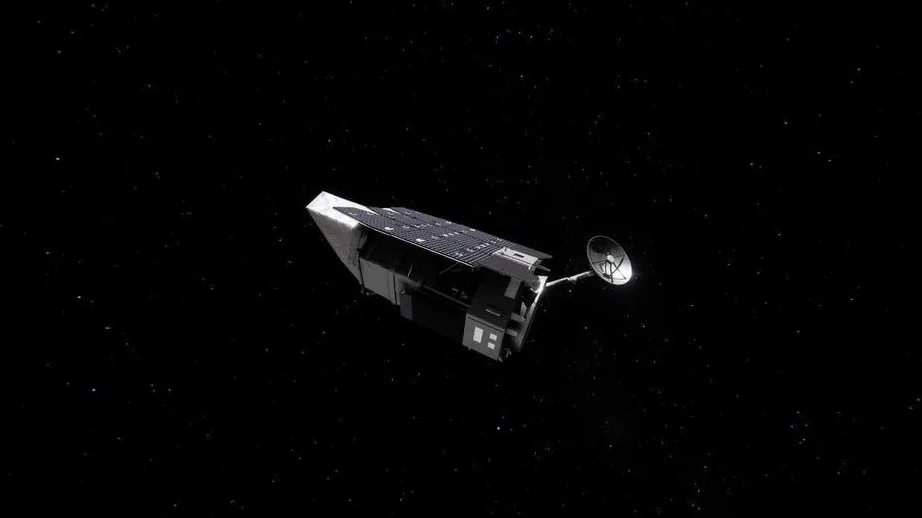
If aliens are traveling between habitable planets within their star system using light sails (a propulsion system that uses light beams for acceleration), Loeb says there’s a chance we might detect flashes leaking from them. In fact, a paper he recently co-authored says that such leakages could be picked up by the Vera C. Rubin Observatory, the European Space Agency’s Euclid, and NASA’s Roman Space Telescope.
Mysterious orbs in UFO files
Besides light sails, Loeb thinks that aliens could also be using warp drive—“a bubble of distorted space-time that allows one to carry a cargo at arbitrary speed across interstellar distances.”
While it sounds like science fiction, Loeb has co-authored a separate paper on it, where he has described how such a bubble would create a glowing ball of air were it ever to pass through Earth’s atmosphere. What’s more, mysterious orbs have been reported in the UFO files that the government started releasing in May.
“Some of them might be drones but others are definitely not drones,” Loeb said. “And so it’s a detective story for us to figure out what technology might be employed if these orbs came from outer space.”