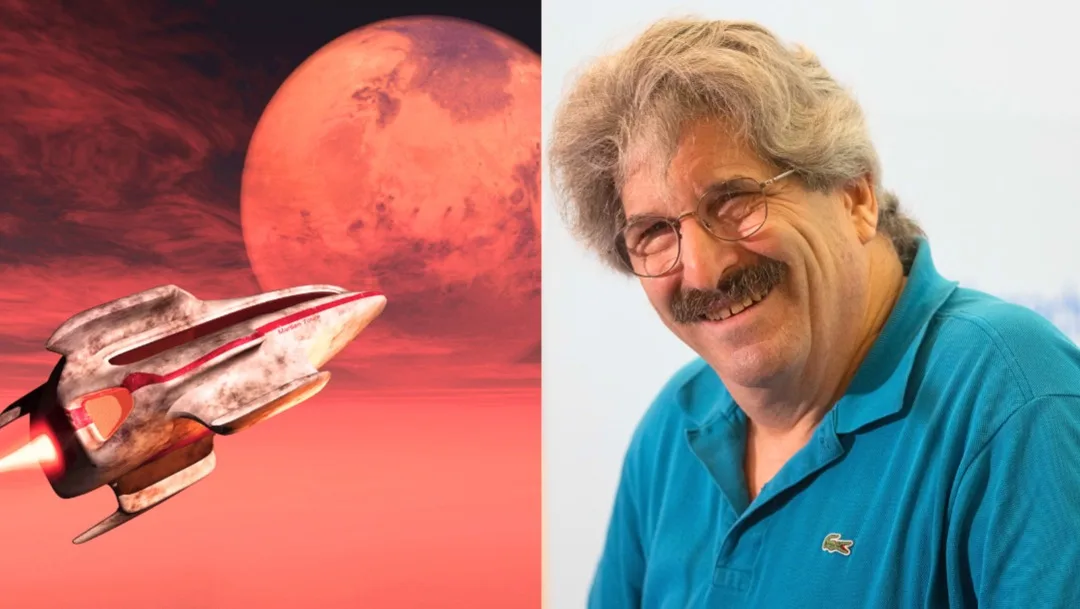
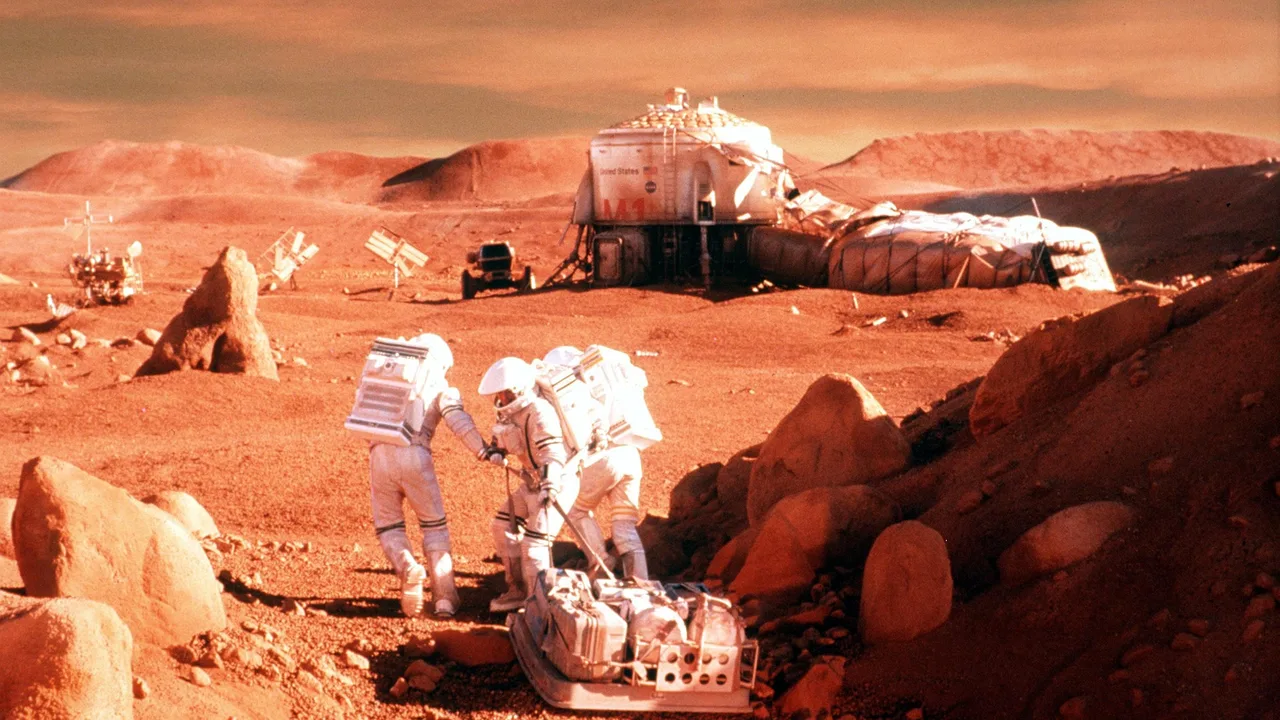
Colonizing Mars “is the dumbest thing I've ever heard”, says Nobel Prize Winner Gary Ruvkun
Can Mars really save humanity?
When we talk about the many risks that could one day threaten our lives here on Earth, Mars comes up as humanity's backup plan. But not everyone is convinced that's the right approach. Gary Ruvkun, a Harvard molecular biologist who shared the 2024 Nobel Prize in Medicine for discovering how tiny molecules called microRNAs help control our genes, recently argued against treating Mars as an escape plan.
He believes that fleeing to Mars wouldn't necessarily save us from doomsday. Here's a closer look at why he thinks so and what it could mean for humanity's future.
Why does Ruvkun think Mars is a bad escape plan?
In a June 2026 interview with Mundo America, Ruvkun didn't hold back when asked about using Mars as a fallback if things ever go wrong on Earth. "Colonizing Mars as a way to escape the end of the world is the dumbest thing I've heard," he said.
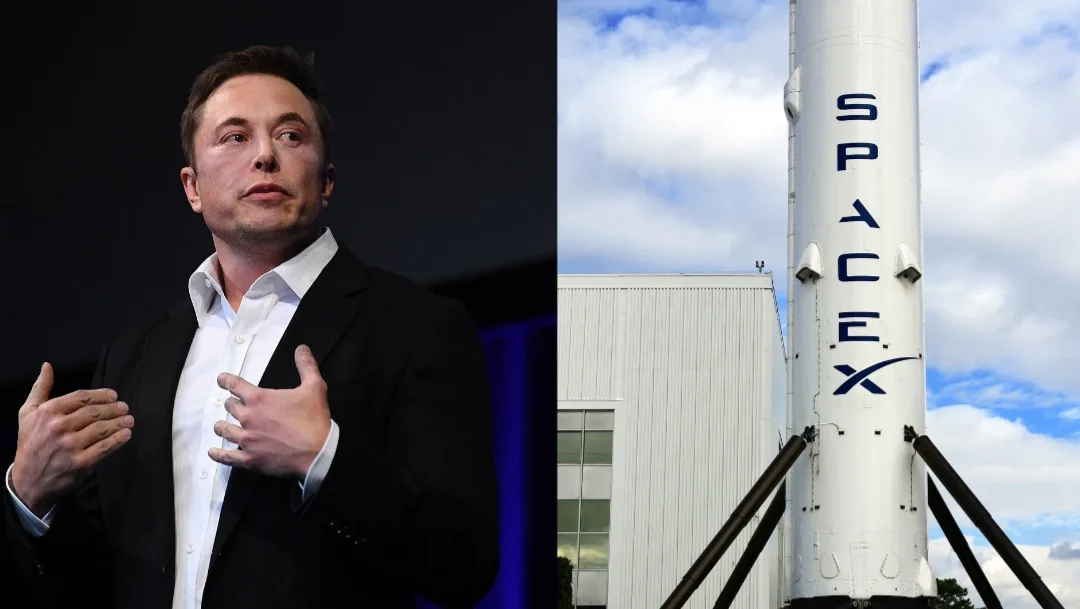
Elon Musk, however, has a very different plan. His company, called SpaceX, wants to build "a self-sufficient city on Mars." "Several thousand Starships will ultimately transfer crew and equipment to build a lasting presence on another world,” says the company’s official website.
His blunt take on Elon Musk's Mars ambitions
Ruvkun didn't spare Elon Musk either. He suggested the billionaire could actually profit from Mars in a very different way than colonization. This can be done by shipping preserved bodies there for burial instead of paying for cemetery plots here. He also joked that the idea would work logistically because the bodies "don't need to be fed or need oxygen."
He further added, “Burying in a cemetery costs a lot of money when you can send millions of corpses to Mars and make a fortune…It would definitely work, not the nonsense of living in a synthetic community created on Mars. I would spend an afternoon on Mars, but not a decade.”
Could humans ever live for centuries?
During the interview, he was also asked how far human lifespan could stretch. His team managed to get worms, which normally live about a month, to survive up to three months by altering their insulin receptors. If we compare, that would be like a human living to 250.
But Ruvkun says the comparison doesn't hold for people, since the long-lived worms survived by entering a hibernation-like state, not by aging normally.
He also believes we're not alone in the universe
Ruvkun argues that a specific gene involved in ribosomal RNA has stayed nearly unchanged across all life on Earth for roughly 4 billion years. That consistency inspired him to think the same gene could be used to search for life on Mars, the same way scientists detect it in soil and waste here on Earth.
He said, “Most scientists do not think this way; they believe that what happened here happened here and has nothing to do with what may have happened on Mars or in another galaxy. I believe everyone is wrong, and that life came here from another planet. I'm not saying we will find humans on other planets, but bacteria. It's worth a try.”