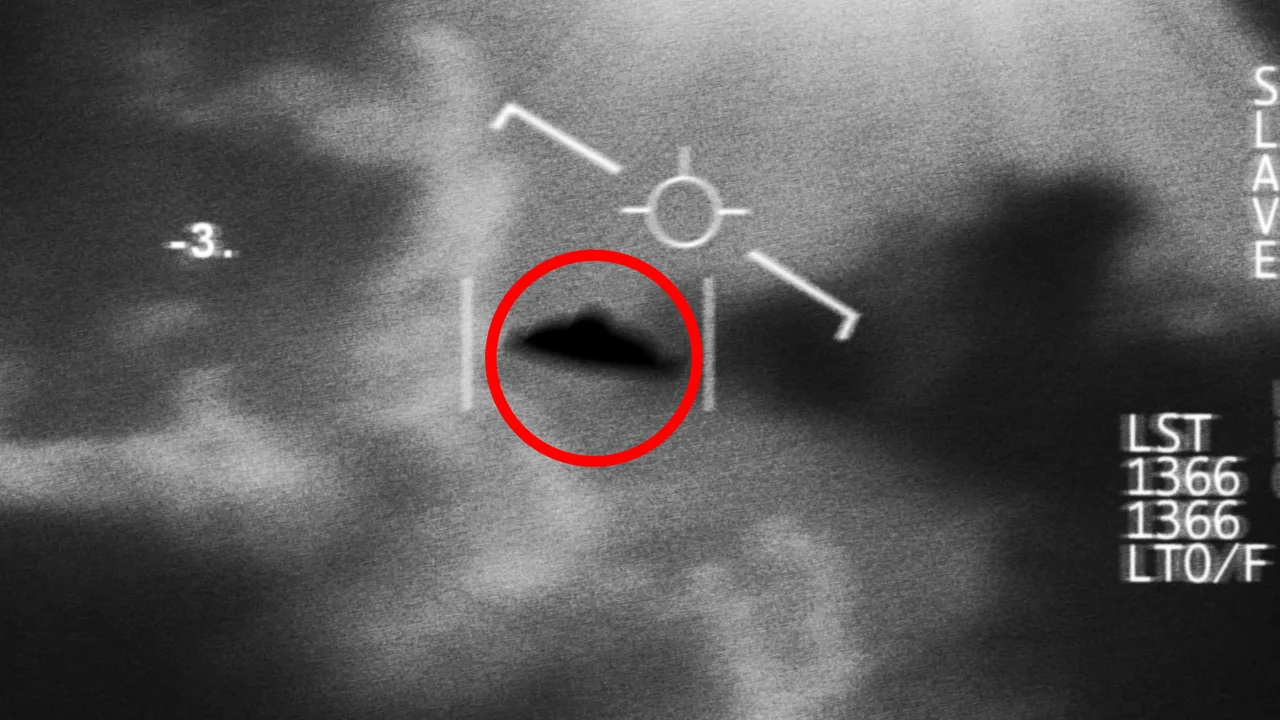
4 major cosmic hazards that could pose threat to Earth
Space is teeming with dangers that Earth should be wary of
With Earth being the only planet known to support life as we know it, the idea of everything coming to an end is pretty scary. But space is merciless, and it is teeming with threats that can wreak havoc on the planet.
But what are the chances of them actually striking our planet? Exactly how worried should we be? Let's take a look.
Asteroid impacts
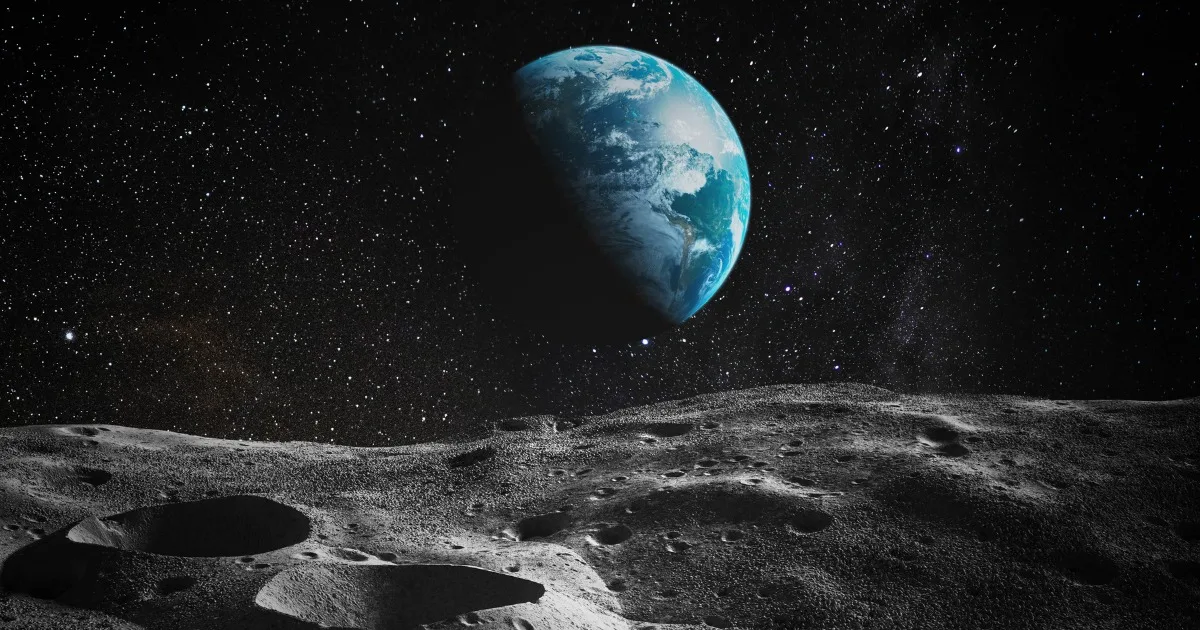
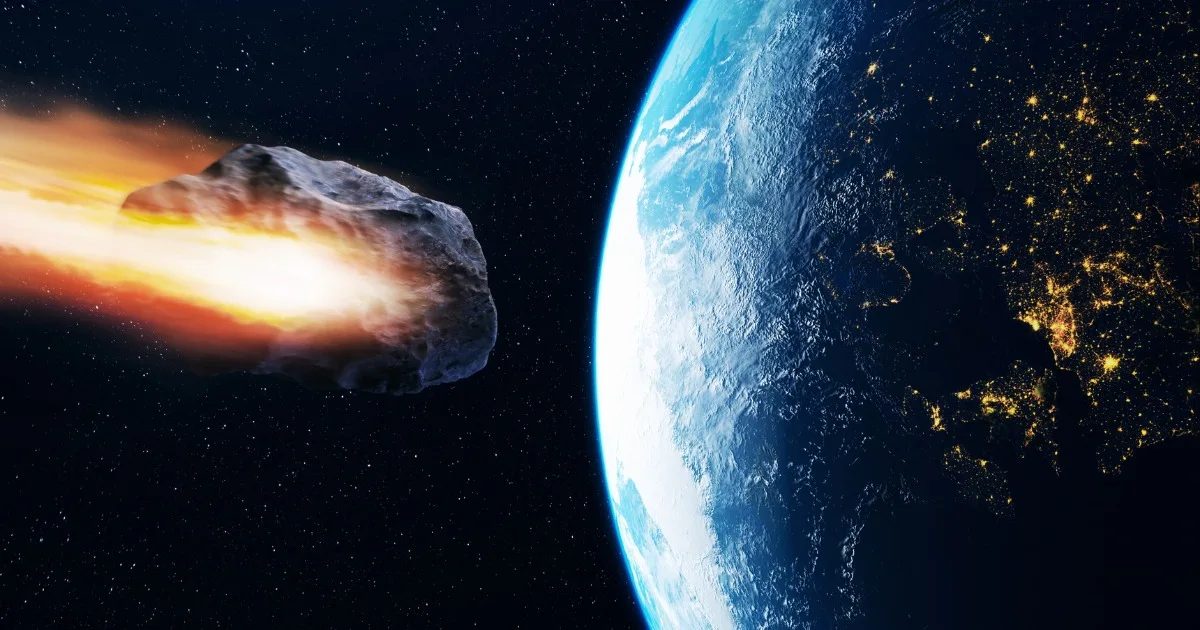
While the chances of an asteroid of significant size hitting Earth are slim, they are certainly not zero.
Meteoroids, which are very small fragments of asteroids less than 1 meter in size, enter Earth's atmosphere almost every day. But they burn up in the atmosphere and pose no real threat. But larger asteroids with a diameter of more than 30-50 meters can make it through the atmosphere. And while they are only likely to visit us once every 100 years, one such object could wipe out an entire city upon impact, according to the BBC.
Supernova explosions
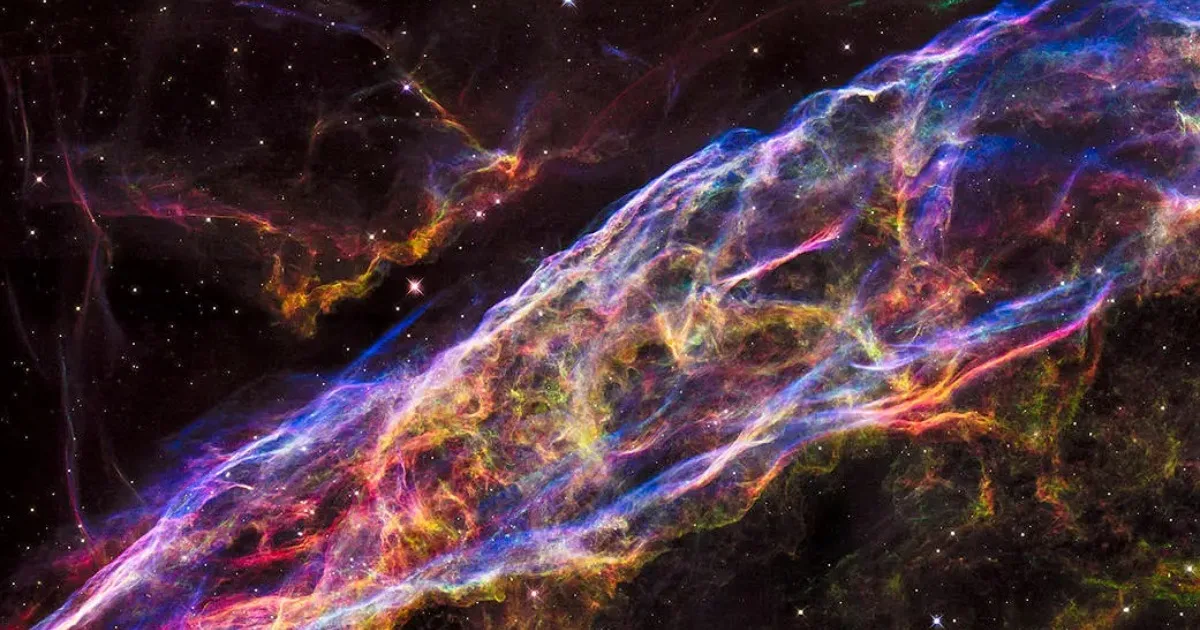
A star that explodes as a supernova can radiate more energy than that of the other millions of stars in its galaxy combined. And it can do so for weeks on end.
If such an explosion were to take place within 30 light-years of Earth, the radiation would strip the planet of its ozone layer, according to the European Space Agency. We would thereby be completely exposed to the ultraviolet rays of the Sun.
Solar flares
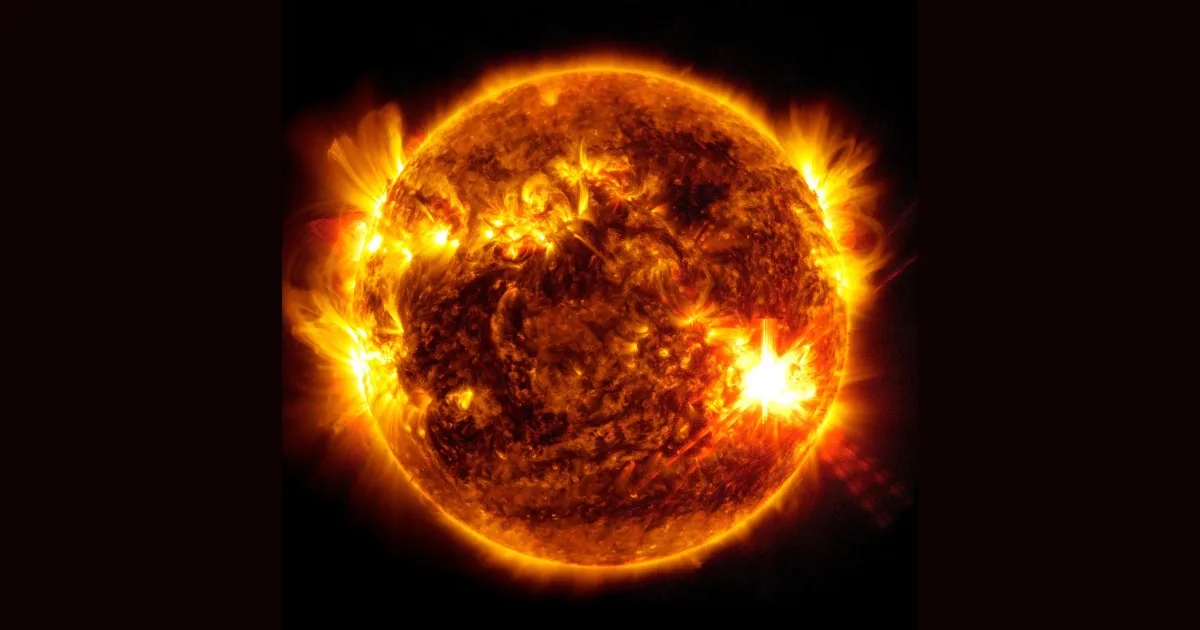
Solar flares are large eruptions of electromagnetic radiation from the Sun, with the most intense ones carrying the combined energy of a billion hydrogen bombs, according to NASA.
And while a flare cannot physically harm us on Earth, thanks to the protective effects of Earth's atmosphere and magnetic field, it can damage telecommunications, electricity grids, and GPS signals. These are things that we rely upon heavily, and a long enough disruption could have terrible consequences.
Alien microbes
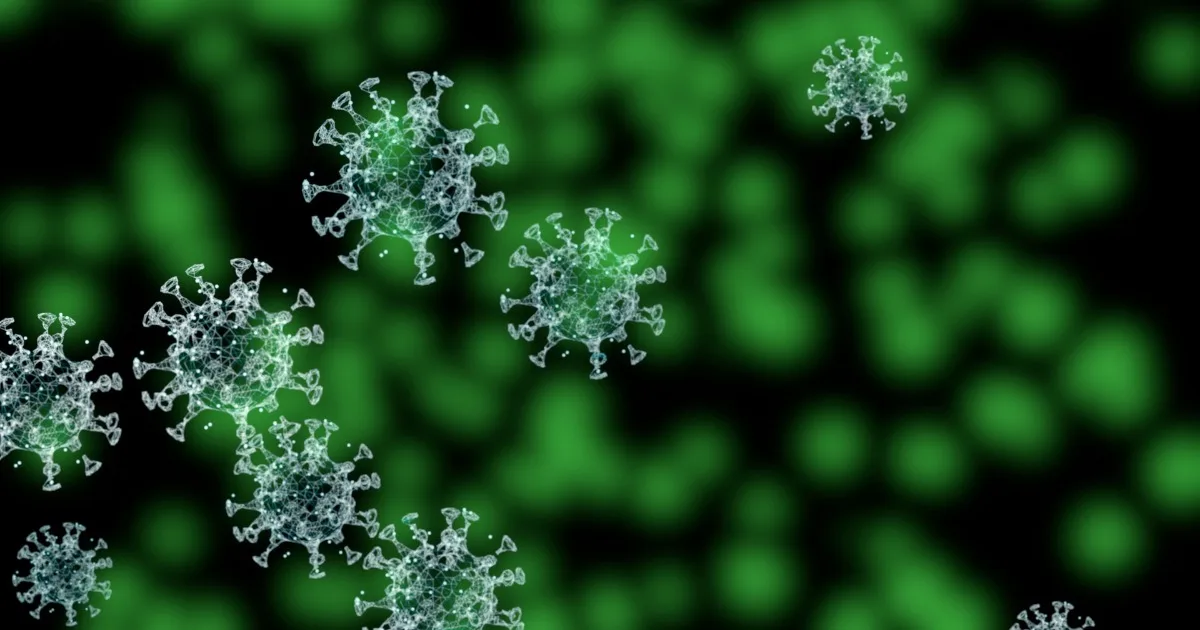
With its characteristics unknown, an extraterrestrial microbe would pose a significant risk to us Earthlings should we be exposed to it. This was one of the reasons why the Apollo 11 astronauts had to quarantine for 21 days in the Lunar Receiving Laboratory (LRL) at the Manned Spacecraft Center (MSC), now NASA’s Johnson Space Center in Houston, after returning from their historic trip to the Moon.