After raising $1 billion, Stoke Space targets debut launch of its 1st fully reusable rocket in 2027
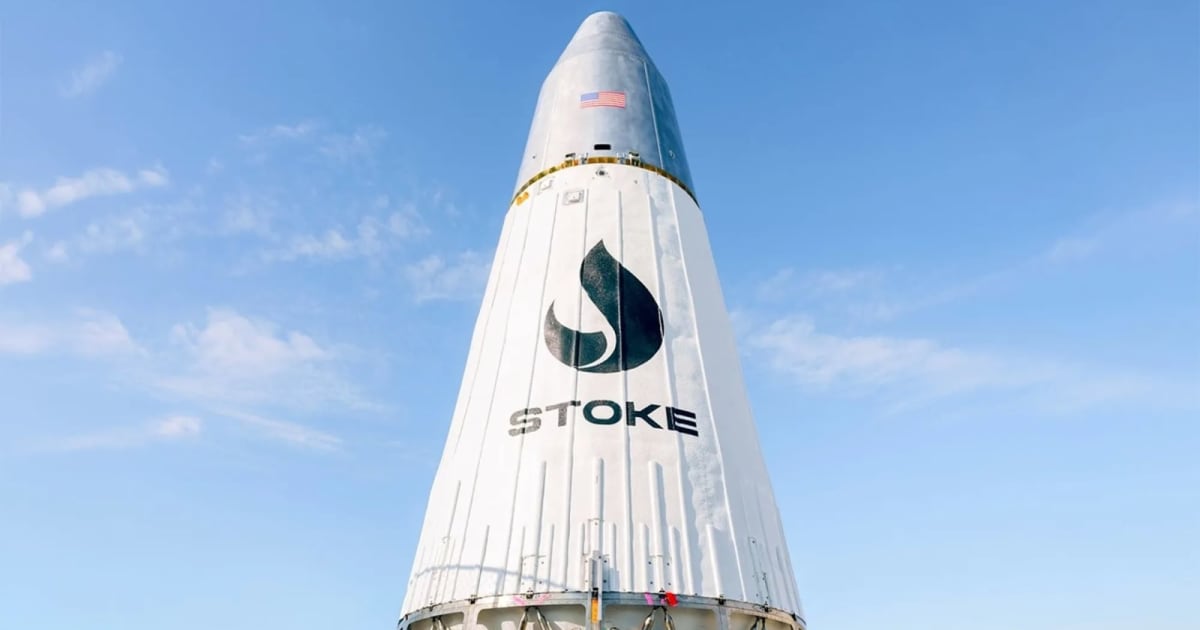
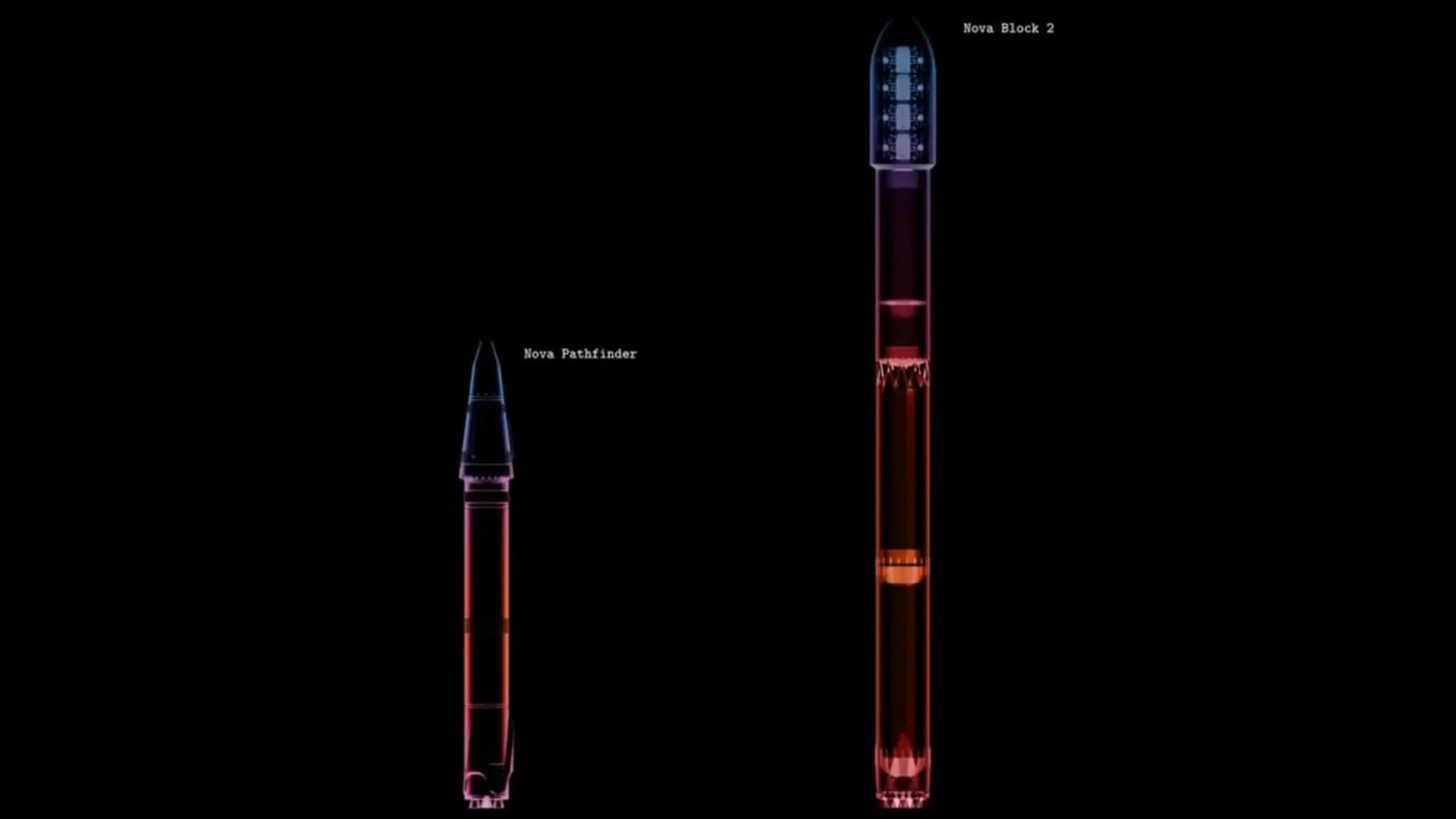
Washington-based startup Stoke Space now has access to a total investor capital of $2.3 billion, thanks to its latest billion-dollar Series E round. This money will fund the launch of its Nova Pathfinder rocket in early 2027, as well as the development of the larger Nova Block 2 vehicle—both of which are being designed with full and rapid reusability in mind.
Today, Stoke announced a $1 billion Series E, bringing our total capital raised to $2.3 billion.
— Stoke Space (@stoke_space) September 8, 2026
This funding will help us bring Nova Pathfinder to flight, accelerate development of our larger 15-ton-class Nova Block 2 vehicle, and build the production capacity required to fly… pic.twitter.com/QpdSnXYtDY
"Full reusability is the inevitable end state of the market, providing an order-of-magnitude cost and service advantage over partially reusable rockets,” said General Partner Clay Fisher at Spark Capital in a statement released on Tuesday, September 8. The company's Nova Block 2 vehicle will be able to deliver 15 metric tons to low Earth orbit, and its first mission is targeted for 2029. Powered by 14 full-flow staged combustion Zenith engines designed by Stoke, the first stage of Block 2 will use liquefied natural gas (LNG) and liquid oxygen to generate 1.7 million pounds of thrust during liftoff. The Andromeda Block 2 second stage will be powered by 24 thrusters organized as 12 independent engines using liquid oxygen and liquid hydrogen.
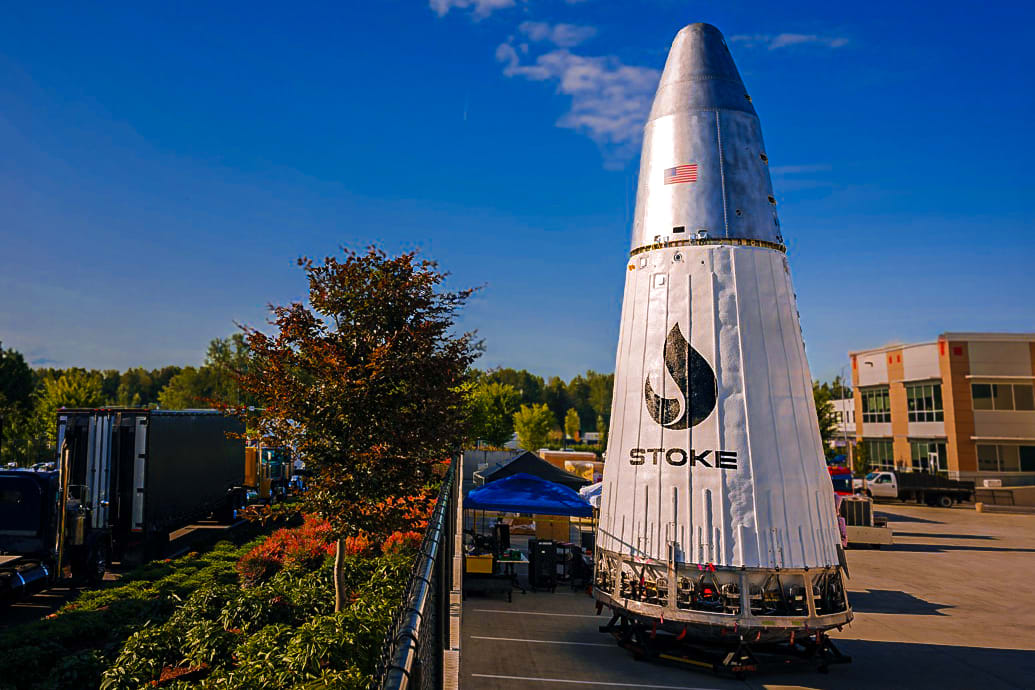
As for the Nova Pathfinder, it will have a lift capacity of 3 metric tons, and the seven Zenith engines on the first stage produce 700,000 pounds of thrust. Its upper stage, which will also be powered by liquid oxygen and hydrogen, will, however, be more conical in shape. The upper-stage thrusters on both vehicles will be distributed circumferentially around the metal base, which will be actively cooled by the liquid hydrogen already onboard as fuel, during re-entry. This is very different from the traditional approach of using ceramic tiles as heat shields, and the development of Pathfinder has given Stoke the confidence that this architecture will minimize inspection and refurbishment before each re-flight. “Pathfinder allows us to learn quickly, reduce risk, and prove the hardest parts of a fully reusable architecture in flight. Nova Block 2 scales those lessons into the capacity and cadence our customers are asking for,” said Andy Lapsa, the co-founder and CEO of Stoke.
Pathfinder’s debut launch will take place from the company’s launch site at Cape Canaveral, Florida, where Stoke Space is expanding its operations. It has also planned to expand its estate in Washington to support propulsion and vehicle testing ahead of Pathfinder’s flight.

If Pathfinder makes a successful debut, Stoke plans on flying it on multiple missions through 2027 and 2028, as Block 2 undergoes development. Moreover, the company plans on keeping Pathfinder in service even when Block 2 is ready. "We see value in having more than one way to serve the market, since some missions are particularly well suited to the Pathfinder configuration," the company said in a different statement. The market might indeed stand to benefit from two new reusable launch vehicles, especially considering that SpaceX CEO Elon Musk is planning to wind down the Falcon rocket soon. SpaceX President and COO Gwynne Shotwell had said last year that the Falcon 9's operational lifetime may end in either 2030 or 2032. Besides, Block 2 might also get significant opportunities to initially launch cargo missions for NASA to the International Space Station (ISS), which will be operational until 2030.