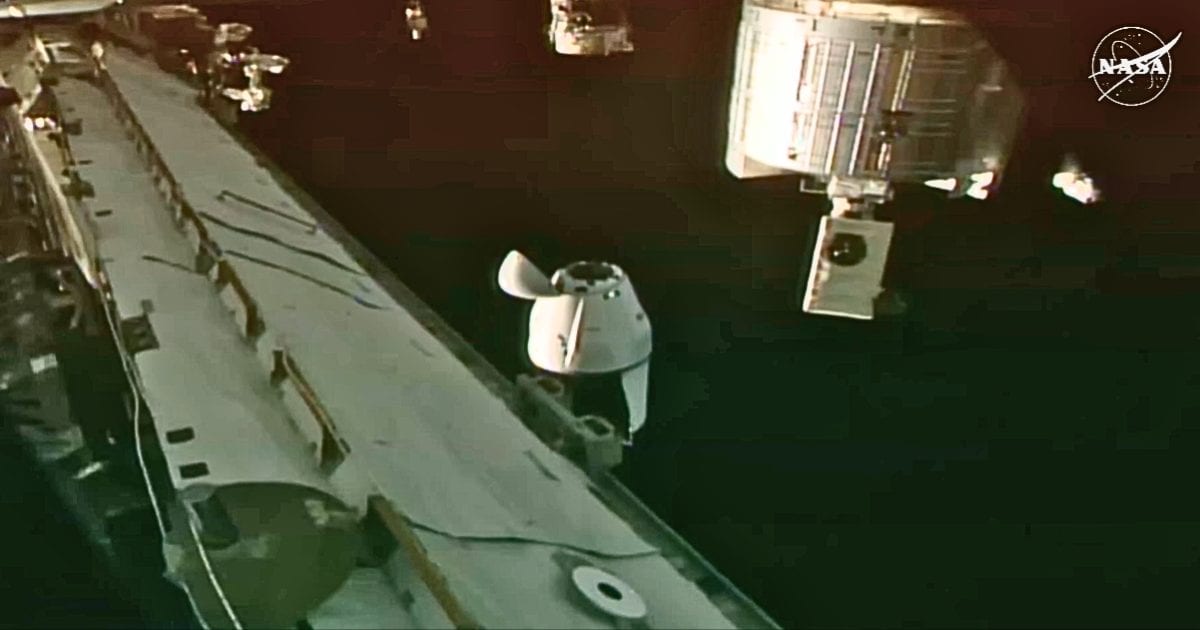
SpaceX aborts a Falcon 9-Starlink launch at the last moment due to a mystery glitch
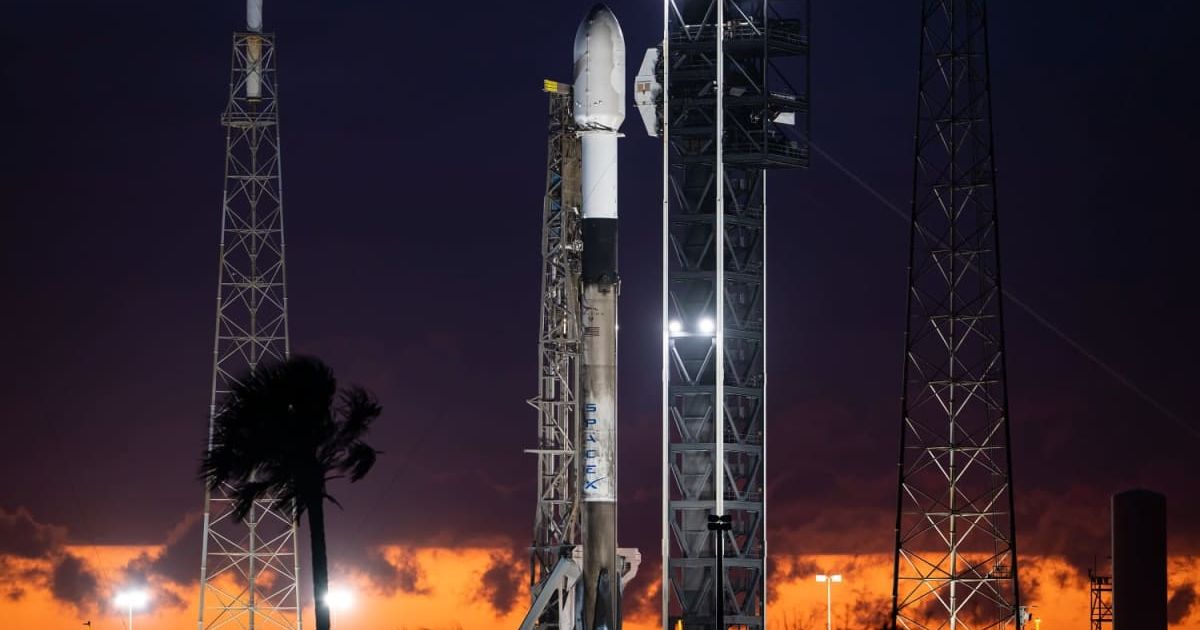
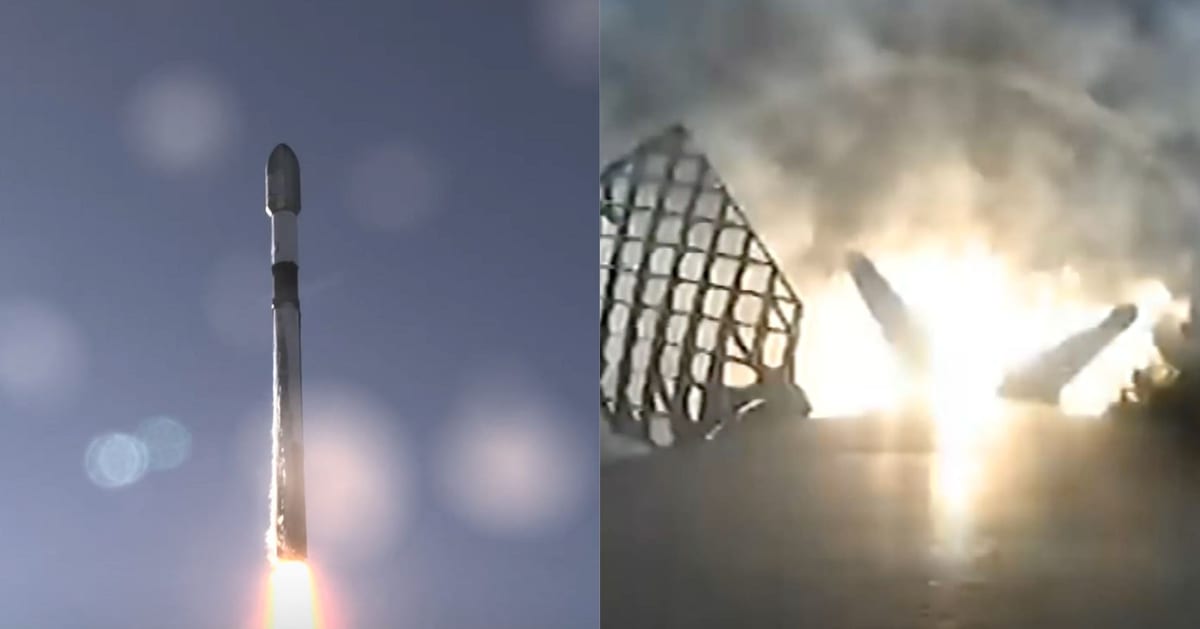
SpaceX seems to be slipping into a slump, as another mission was scrubbed at the last moment. The launch of a Falcon 9 rocket carrying 24 Starlink satellites on Monday, July 20, from Vandenberg Space Force Base in California was aborted due to an unspecified reason just when the clock struck T-0, making it the second SpaceX mission in less than a week to get scrubbed. In a post on X, SpaceX confirmed it is standing down from the launch but did not reveal what caused the abort. “Standing down from today’s Starlink launch; vehicle and payload remain safe,” the company posted.
Standing down from today’s Starlink launch; vehicle and payload remain safe
— SpaceX (@SpaceX) July 20, 2026
This would have been the 85th launch of SpaceX’s workhorse Falcon 9, which has had zero failures this year. Most of the rocket’s missions are for Starlink, the SpaceX-operated company dedicated to providing internet from its giant satellite constellation, which has over 10,000 satellites in orbit so far. Just last week, on July 16, the world’s biggest rocket, Starship’s 13th integrated test flight, was aborted in the terminal stage of the countdown. SpaceX CEO Elon Musk had specified that the abort was triggered after some engines of the rocket’s Super Heavy Booster failed to ignite.
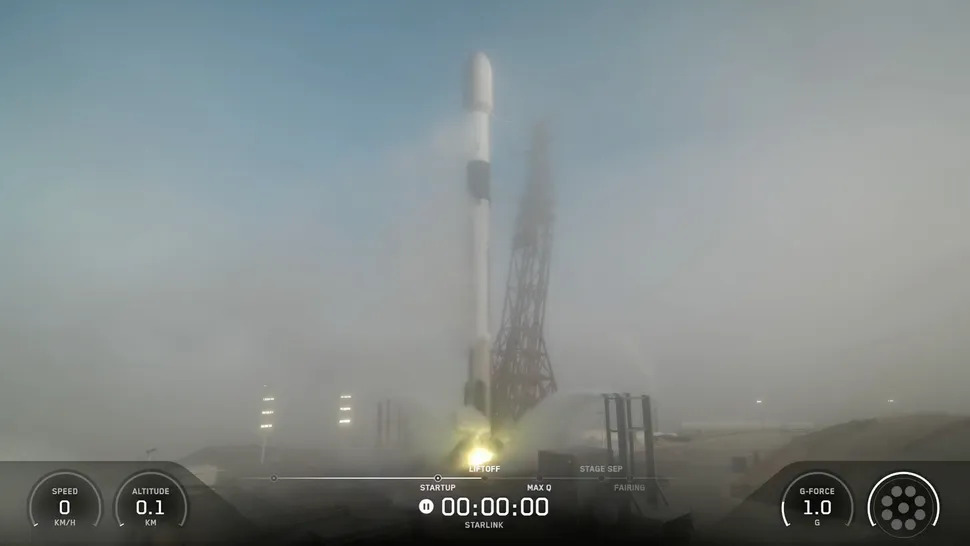
The liftoff for the Starlink mission is now targeted for Tuesday, July 21, at 10 am EDT. The live webcast of the mission will begin 10 minutes before liftoff and can be watched on SpaceX's X handle. According to the mission description, the next flight will be the 23rd for this first-stage booster, which has previously supported USSF-62, OneWeb Launch 20, NROL-145, and 19 Starlink missions.
SpaceX looks to bounce back with Starship
SpaceX is going to have a second crack at launching Starship Flight 13 on Thursday, July 23, during a 90-minute launch window, which will open at 5:45 pm CDT/6:45 pm EDT. The mega rocket’s Version 3 will liftoff from Starbase in Texas with major improvements to avoid the issues faced during Flight 12. After the launch was scrubbed on July 16, Musk had also said that two of the booster's 33 Raptor engines would be replaced ahead of the second attempt. During the mission, the rocket’s booster will attempt a controlled splashdown in the Gulf of America while the upper stage will fly on a sub-orbital trajectory and deploy 20 Starlink V3 satellites.
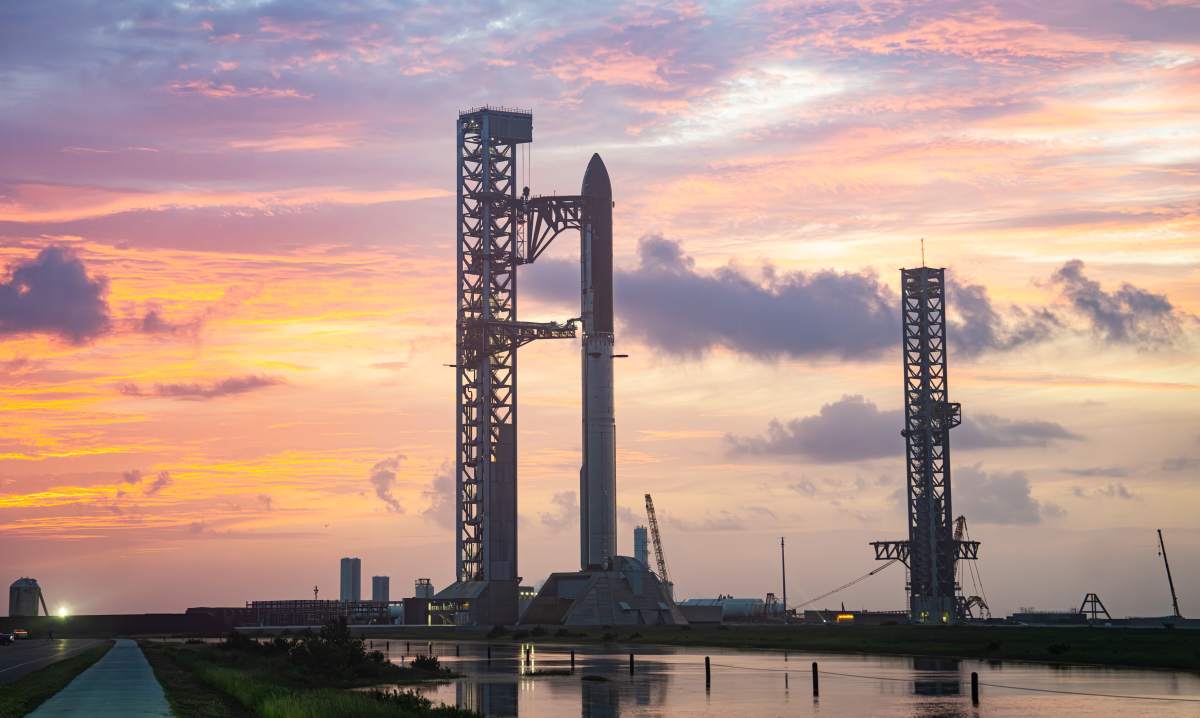
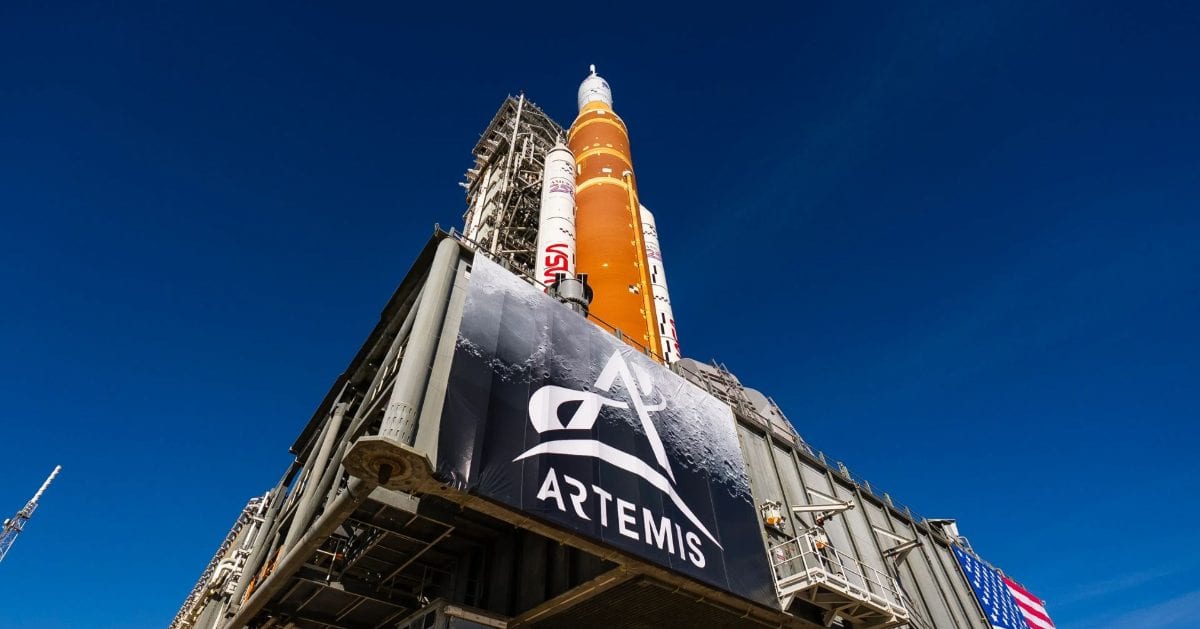
The next mission will be the second for Starship’s V3, which is slightly taller (408 feet) than the previous V2 iteration. It’s the same version that is being prepared to land NASA astronauts on the Moon during the Artemis missions. But whether Starship gets to have that honor during Artemis IV or V (both set for 2028) depends heavily on how its test lander performs in low-Earth orbit during the Artemis III test mission.
More on Starlust
How SpaceX's Starlink will give you a front row seat to NASA's Artemis III mission
The next era of lunar exploration: Upcoming Moon missions to watch in 2026 and beyond