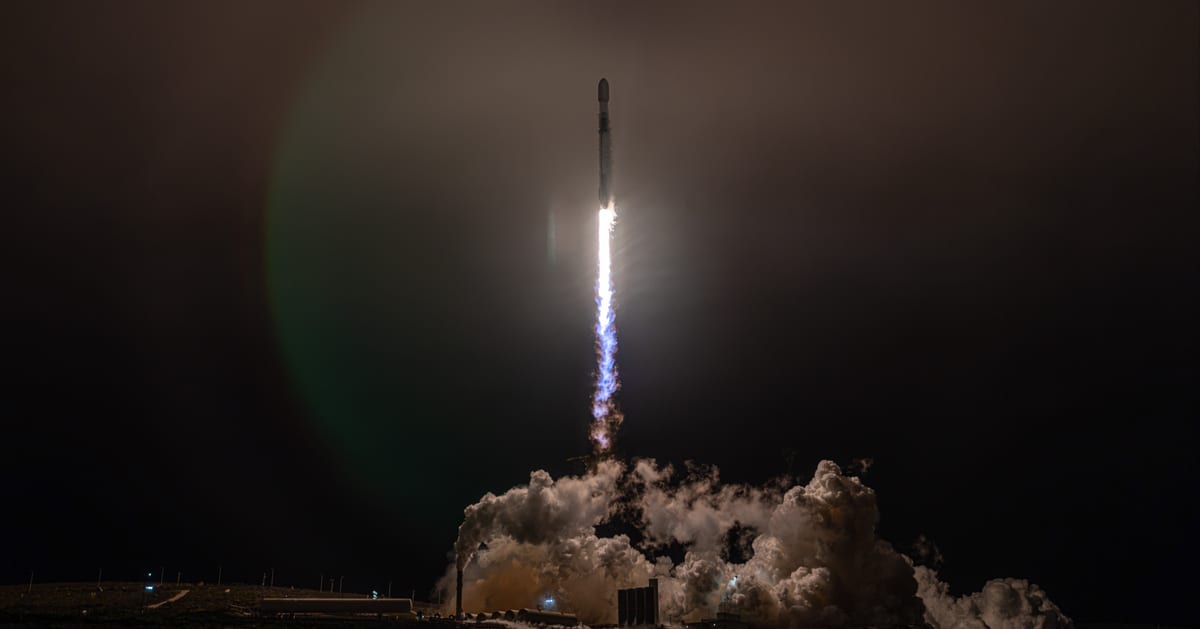
A new time zone for the Moon? NASA white paper reveals timekeeping, navigation and comms plans

NASA, as well as its industry and international partners, are currently engaged in a space race with China to establish a sustained presence on the Moon. While much of what China aims to achieve besides its broad exploration goals remains under wraps, technical details on US plans are much easier to access. These details, including those in a white paper released by NASA in August, give us some idea of what essential infrastructure and facilities like communications, navigation, and positioning will look like on the agency's Moon Base. NASA has also proposed setting up a standard measure of time on the lunar surface, introducing Coordinated Lunar Time (LTC) to keep all of its operations in sync. Here's a brief overview.
Mission by mission, step by step, NASA is building toward an enduring human presence on the Moon. A new NASA white paper outlines how communications, navigation, timing, and lunar surface observation capabilities are expected to expand as the Moon Base develops and exploration activity increases, including opportunities for industry to contribute.
— NASA Moon Base (@NASAMoonBase) October 6, 2026
Moon Base details revealed by the white paper
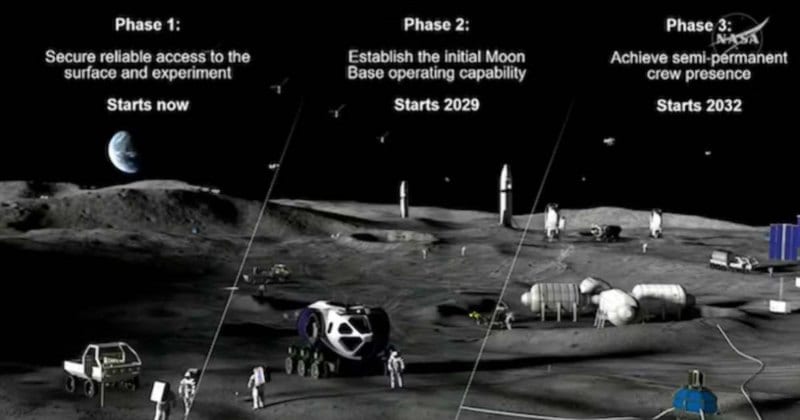
NASA has previously outlined how a phased approach will be taken so as to establish the Moon Base. Phase I has already begun and commenced in the days leading up to Artemis II in April 2026. It will last until 2028 and will focus on testing and learning, in the process creating a scalable method of reaching the Moon that is also safe. Phase II is meant to lay the groundwork for the infrastructure and deploy equipment for power generation, communications, as well as navigation, and will last between 2029 and 2032. Beyond this, Phase III will take effect and will see a long-term presence of humans. The passage of these phases will see a rise in the number of Moon Base sites (officially called Centralized Lunar Surface Sites) at the lunar south pole from one to over five. All of these will be located between the latitudes of 84 degrees south and 90 degrees south.
Measuring time on the Moon
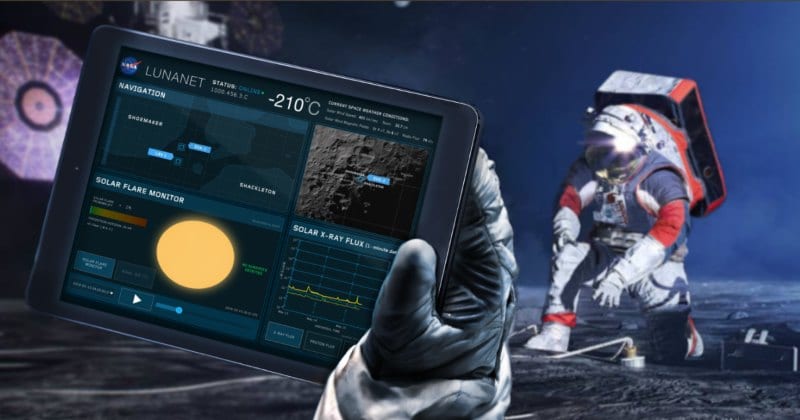
The white paper describes how lunar operations so far have relied on Earth time. This way of timekeeping is set to continue into the near future with the first few Moon Base and Artemis missions. However, with increased numbers of missions to the Moon and beyond, the Space Communications and Navigation (SCaN) team at NASA has proposed establishing a coordinated time for the lunar ecosystem. A standard way of timekeeping is also seen as a safety requirement for astronauts. Consequently, LTC was conceived and will be calculated by a weighted average of atomic clocks that will be put on the Moon. On Earth, a similar method is used for the determination of Coordinated Universal Time (UTC). Like UTC, LTC will also take into account the difference in the speed at which time passes on the lunar surface and in lunar orbit due to Einstein's theories of relativity, and will also scale when humanity reaches other places in our solar system.

Lunar navigation and positioning
To determine where certain spacecraft or astronauts are on the Moon, a system of positioning and navigation will also be needed, like those used on Earth. To enable this, NASA has mentioned employing the Lunar Augmented Navigation Service (LANS), which will be comparable to how Global Navigation Satellite Systems work on Earth. With LANS, multiple signals received at the same time from different satellites can be used to calculate any object's position, direction of travel, and speed. Such a system of lunar positioning and navigation will be linked to the proposed LTC and will work with the help of multiple relay nodes to transmit signals. NASA's white paper also describes how spacecraft equipped with an inertial measurement unit (IMU) can be located with an accuracy of within 10 meters when combined with the LANS signals by Phase III.
Communications on the Moon
As with time, communications will be heavily reliant on Earth-based systems during Phase I of establishing the Moon Base. Direct-with-Earth links will serve as the main pathway for communications until lunar relay capabilities are ready. Thanks to the LANS relay nodes, WiFi will be made available for lunar sites. Data transfer speeds will rise from 50 megabits per second to 850 megabits per second by 2034. To capture this historic expansion, Blue Origin recently announced it will deploy its Lunar Express architecture to stream the Moon Base construction live in 4K high-definition. To downlink data from the Moon that is not needed in real time—called Large Mission Data Volume—data volumes will be limited to about 100 gigabytes per day for a single mission during Phase I. Eventually, capacity will be raised to 3,100 gigabytes per day per mission using Direct-with-Earth links.
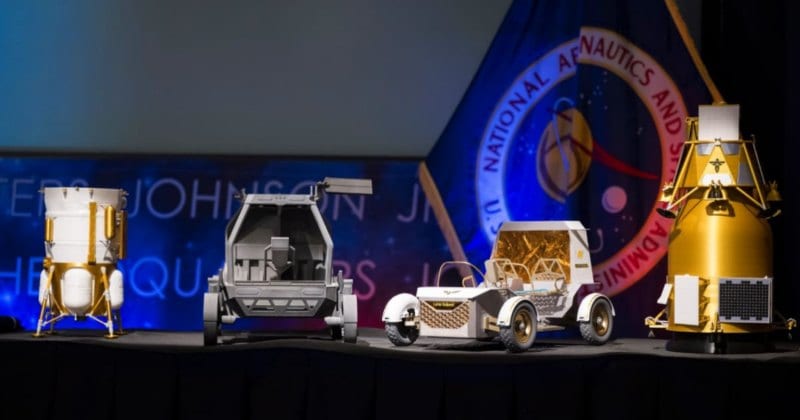
The aforementioned white paper was published as a demand signal that will provide context to the future of the market research efforts and public solicitations by SCaN. The publicly funded agency has long been working alongside aerospace industry giants like SpaceX for its missions. For Moon Base, NASA has already awarded several companies contracts for the initial missions, which are slated for early next year. Following the Earth-orbit tests of Artemis III, the first human landings on the lunar surface are earmarked for 2028 and beyond with Artemis IV and V. However, by the latter phases of Moon Base, the agency expects to be managing a multitude of innovations for its landers, rovers, drones, and habitats, for which NASA will turn to the lunar industry it has been trying to spark.
More on Starlust
NASA Moon Base Update: Major progress revealed on Blue Origin, Firefly, and other landers
NASA administrator says he's 'extremely confident' Artemis III will launch in 2027