Rocket Lab's launch of ESA’s first Celeste LEO-PNT satellites delayed due to bad weather
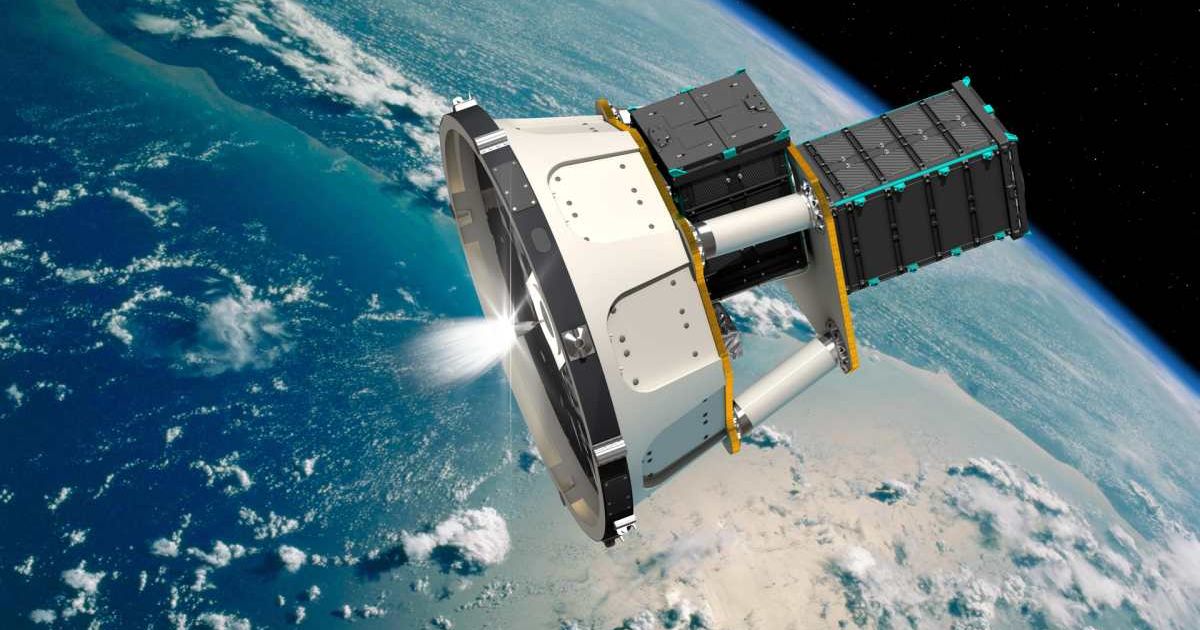
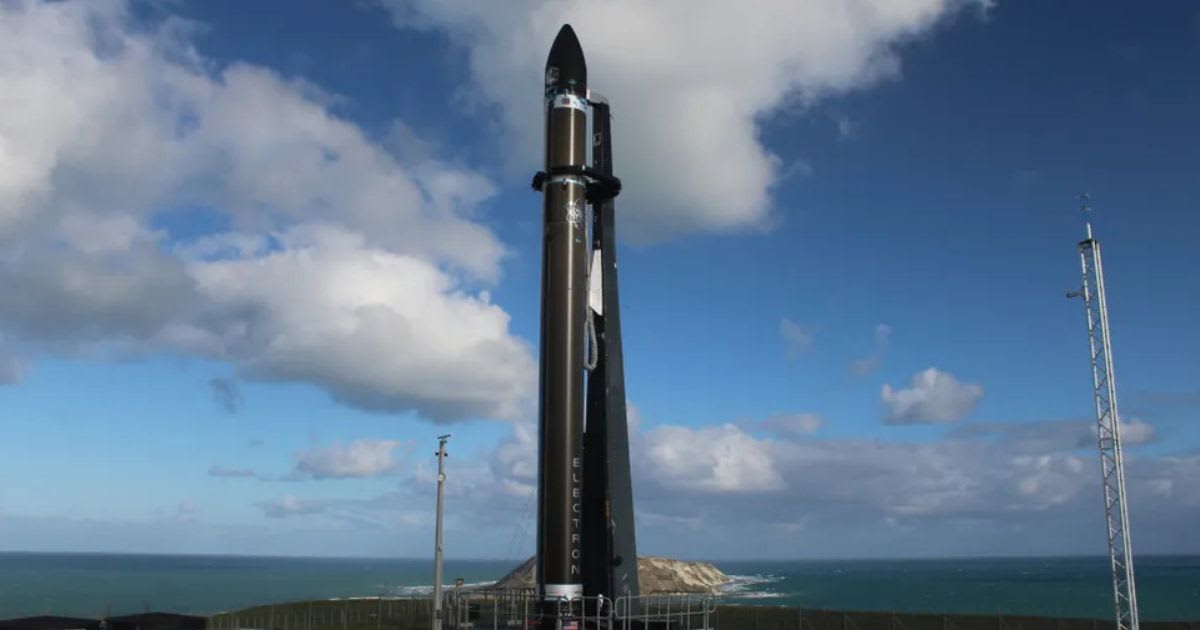
Rocket Lab’s Electron rocket launch—carrying ESA’s first Celeste LEO-PNT satellites—has been postponed due to rough weather conditions that violated their cloud and lightning commit criteria for liftoff. According to the ESA, the launch was originally scheduled at 10:14 a.m. CET (5:14 a.m. EDT) on Wednesday, March 25, with a one-hour window from the company’s Māhia Launch Complex 1 in New Zealand. With a new launch date pending announcement, the delay extends the wait for the European Space Agency’s foray into low-Earth orbit navigation satellites. The launch has been dubbed “Daughter of the Stars” by Rocket Lab.
Update: Celeste LEO‑PNT inaugural launch postponed due to adverse weather; new date to follow. https://t.co/KJmSJDu3FV
— European Space Agency (@esa) March 25, 2026
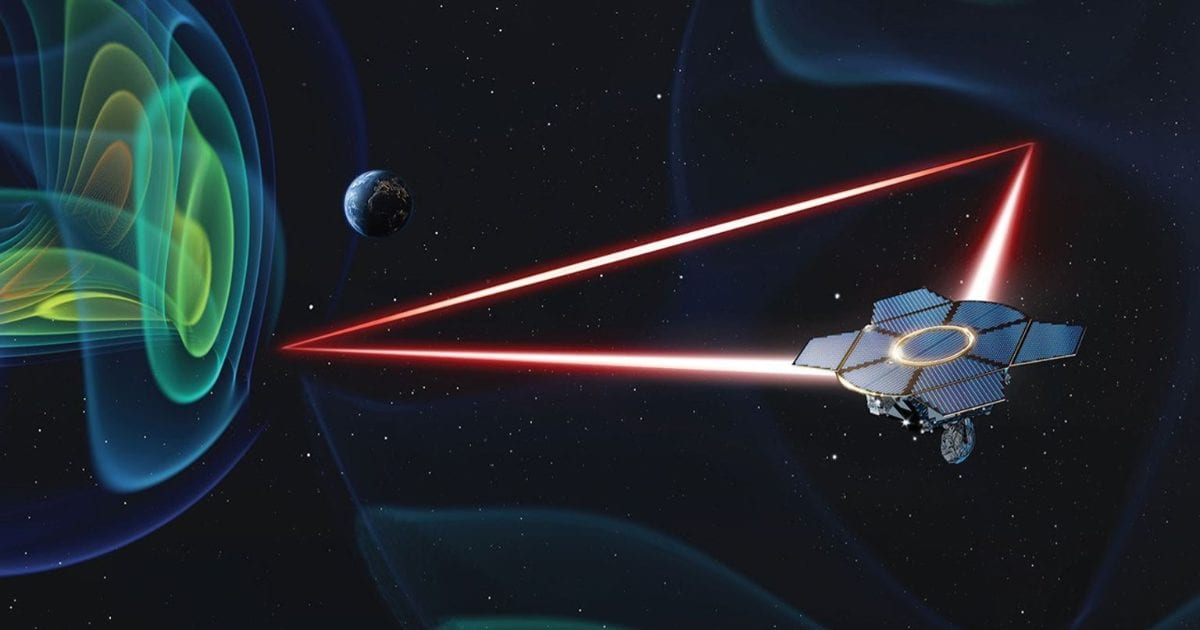
LEO-PNT stands for Low Earth Orbit Positioning Navigation and Timing, and these satellites are part of an initial 11-satellite test constellation. The postponed launch will carry the first two satellites of this demo constellation, where Rocket Lab's Electron rocket would deploy them into a circular orbit 510 kilometers (317 miles above Earth). The first spacecraft would detach about 20 minutes after liftoff, followed by the second four minutes later. As the agency’s first LEO satnav initiative, Celeste would work alongside the Galileo system, which operates in MEO (medium Earth orbit), just like America’s GPS. No wonder the mission is named after Maria Celeste, the daughter of Galileo Galilei.
Signals from MEO navigation systems often end up getting lost or obstructed by factors like tall buildings. A complementary fleet positioned at a much lower height can help solve these issues. Having two layers of LEO and MEO navigation satellites is expected to improve signal strength and accuracy and make the systems more resilient and reliable, while also enabling new service capabilities directly from LEO.
Gearing up for the first launch of #Celeste! 🛰️ 🌎
— European Space Agency (@esa) February 19, 2026
ESA’s Celeste mission is set to lift off no earlier than 24 March aboard @RocketLab's Electron rocket from New Zealand.
As Europe’s first LEO satellite navigation demonstration, Celeste will test next‑gen signals and… pic.twitter.com/t28kOEqIoS
The mission will test next-gen technologies, including autonomous precise orbit determination without reliance on ground infrastructure, and add new frequency bands as well. Celeste’s planned in-orbit demo phase was approved in 2022, and eight larger satellites with additional capabilities are being developed with GMV (Spain) and Thales Alenia Space (France) in charge of four each. These satellites will build on the work done by the first two—each of which has two large CubeSats—and may be launched from 2027 onwards. The project is part of ESA’s European Resilience from Space (ERS) initiative, which aims to make member states' critical space infrastructure stronger.
More from Starlust
ESA confirms solar eclipse-generating Proba-3 satellite is 'alive' after a month of silence
SpaceX puts forward Starlink as potential backup to GPS in future navigation systems