XRISM observes a supermassive black hole 'wake up' and fire winds at near-light-speed
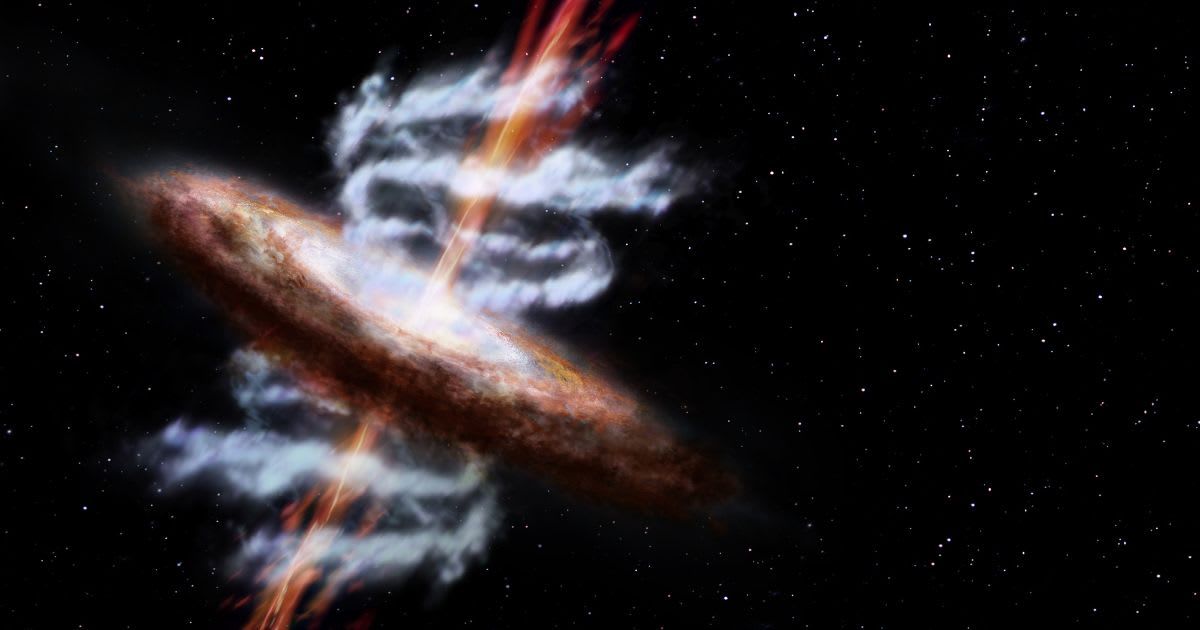
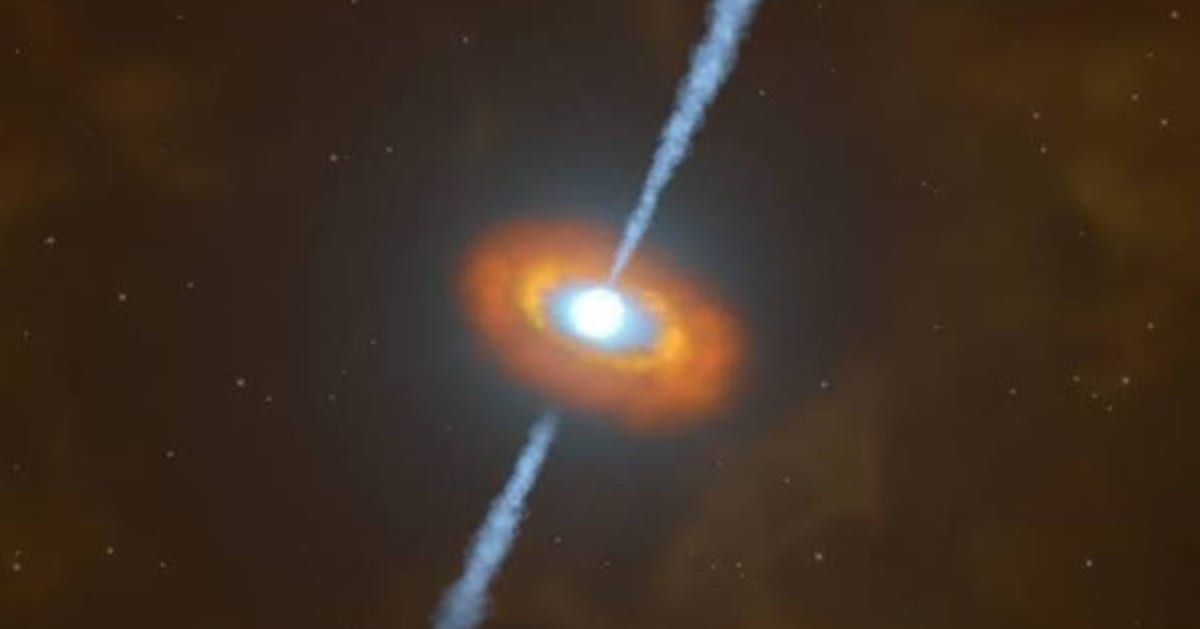
The X-ray Imaging and Spectroscopy Mission (XRISM) has caught a rare glimpse of a supermassive black hole at the exact moment of its awakening. NASA and JAXA’s powerful X-ray spacecraft observed “bullet winds” firing inside the object IRAS 05189-2524, a distant merging starburst galaxy. These ultra-fast outflows of matter can influence an entire galaxy and its evolution, and the XRISM’s observation represents a first-of-its-kind clear look at this crucial cosmic phase. The XRISM science team reported the discovery in a mission update on a study that will soon appear in a special issue of the Astrophysical Journal Letters.
A monster is waking up in a distant galaxy. 👀🌀
— XRISM (@XRISM_jp) March 5, 2026
XRISM detected ultra-fast outflows from the merging galaxy IRAS 05189-2524. These powerful winds may soon shut down star formation and reshape the galaxy.https://t.co/fnoYInDsdK#JAXA #NASA #ESA pic.twitter.com/0S8NYQLGqb
Almost every galaxy in the universe is believed to host a central supermassive black hole, and both the galaxy and the black hole appear to grow and evolve together. The key to understanding this relationship are the bullet winds, or ultra-fast outflows, that are launched from the vicinity of feeding black holes and prevent new stars from forming by heating, disturbing, or blowing away gas. These streams of matter are believed to regulate galaxy growth, but scientists have struggled to identify the exact moment the black hole wakes up and begins influencing the host galaxy—until now, thanks to the rare XRISM findings.
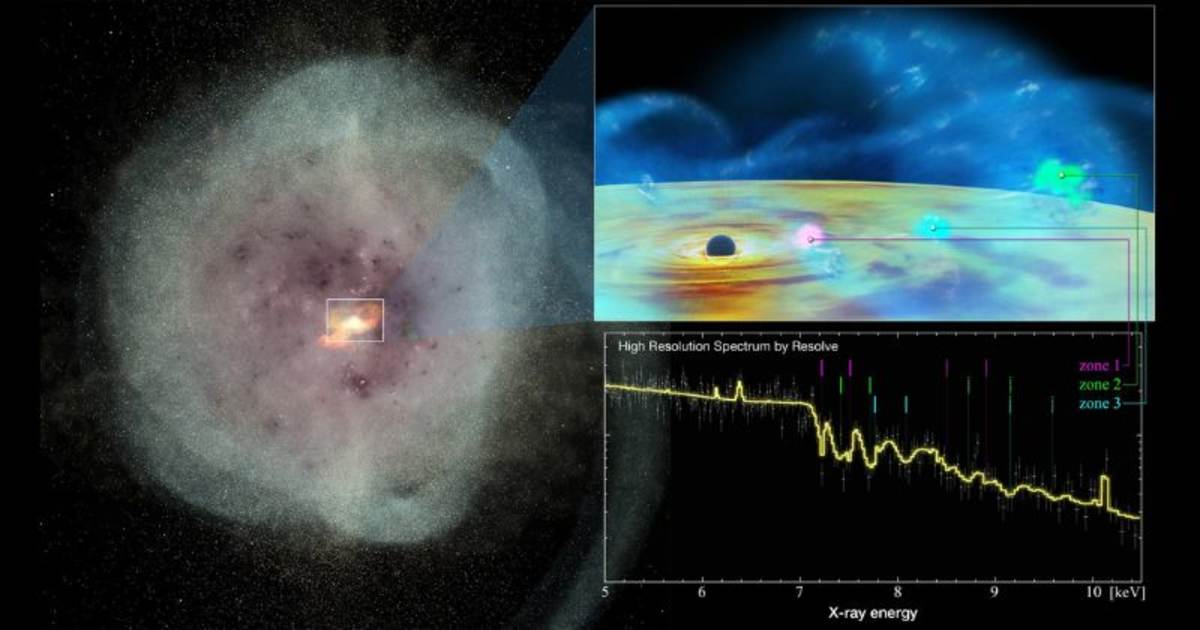
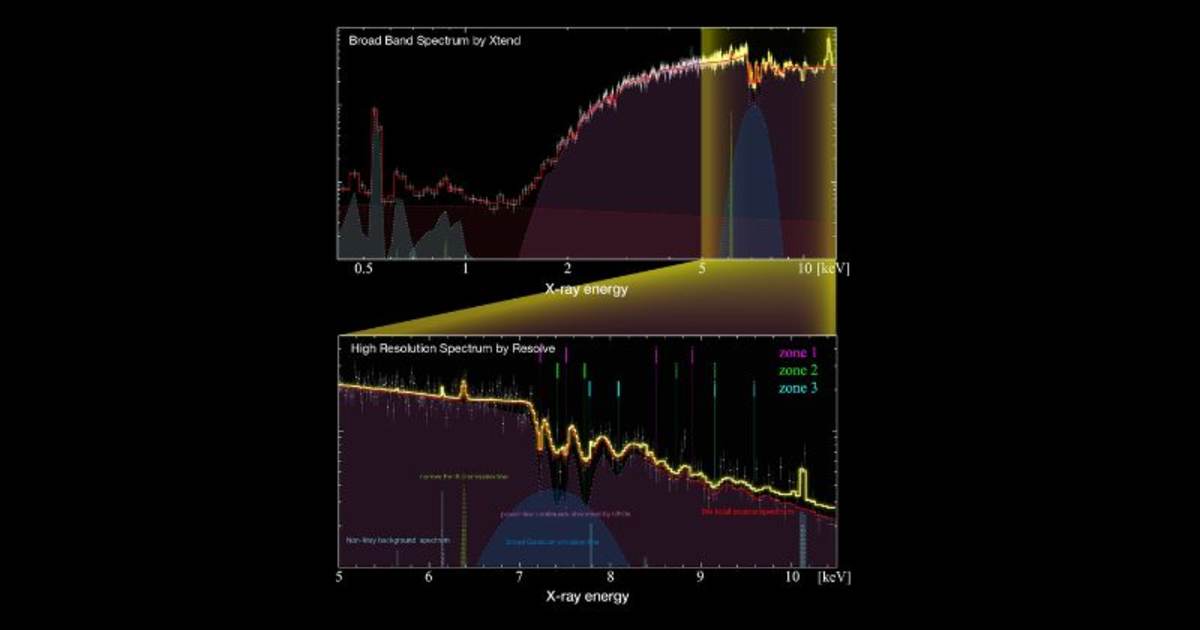
The XRISM is stacked with powerful instruments like the Resolve spectrometer and the Xtend CCD camera, which helped researchers discover the ultra-fast outflows. These bullet winds were firing from all directions of the black hole’s vicinity at measured velocities of approximately 7.5%, 10%, and 14% of the speed of light. And it’s not just speed; these outflows were found to have 100 times more energy than slower winds already spreading through the galaxy. This level of energy is enough to kill the star formation taking place in the merging galaxies, suggesting that ultra-fast outflows have a major influence on galactic growth.
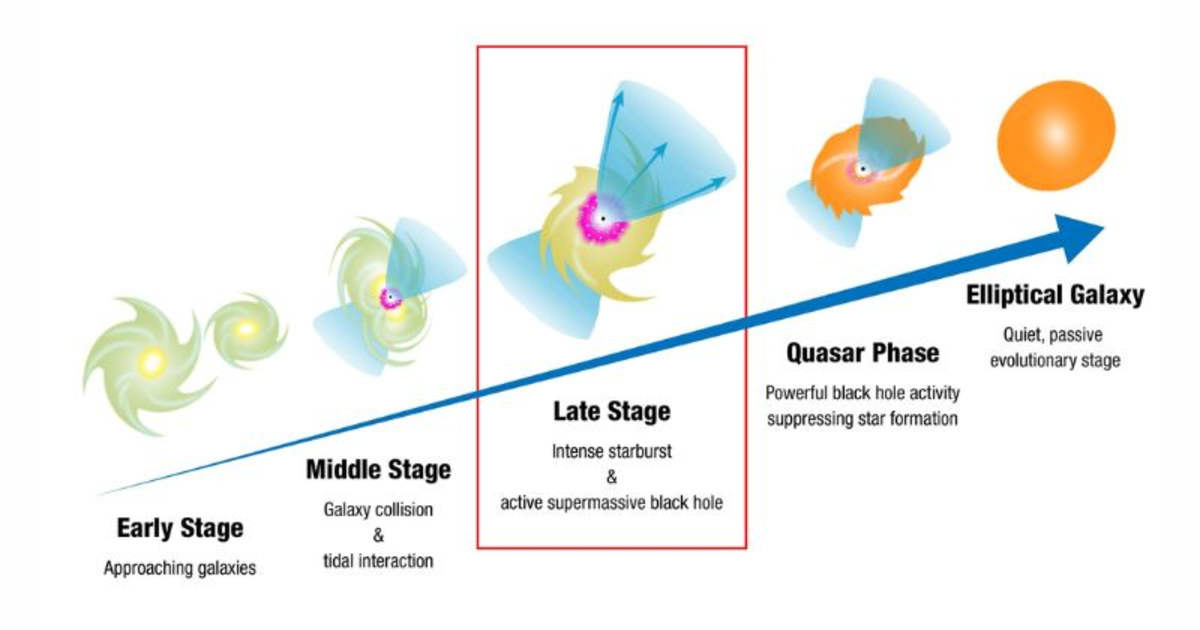
IRAS 05189-2524 is the result of a collision between two galaxies, which triggers a starburst—producing new stars exponentially faster than normal galaxies. The merger sends out huge amounts of gas and dust toward the central black hole, and much of this gas forms a flattened swirling cloud of matter called an accretion disk. When this falls inward, gravitational forces generate strong tidal forces in the accretion disk, causing it to glow brightly, creating an active galactic nucleus (AGN). Quasars, known to be some of the brightest objects in the universe, are nothing but the most luminous AGN observed from the Earth.
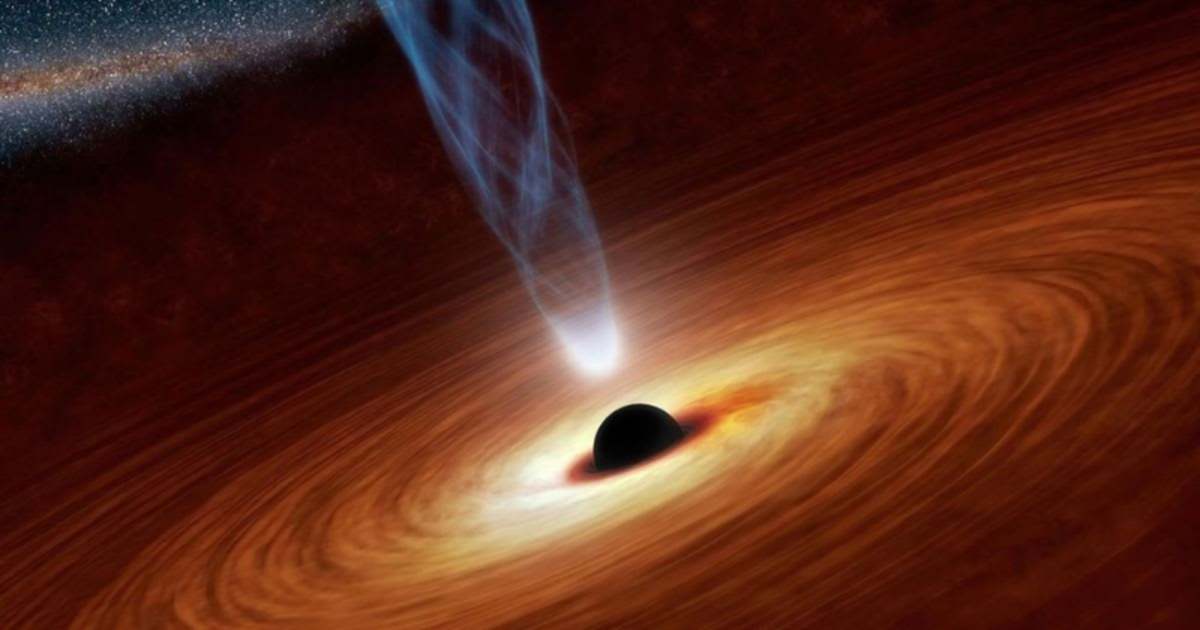
So, where do the cosmic bullets firing at the galaxy come from? While some gas falls into the central black hole, other material is spit out. This violent expulsion can happen either as jets along the black hole’s poles or as powerful winds. These ultra-fast outflows sweep gas out of the galaxy, without which stars cannot be formed. Eventually, the galaxy becomes a quiet, elliptical system.
The X-ray space telescope’s study of IRAS 05189-2524 presents an opportunity like no other to understand galaxy-black hole co-evolution. There are three simultaneous processes at play here—a late-stage galaxy merger, an intense starburst, and a rapidly feeding supermassive black hole. Apart from the XRISM, researchers also plan to observe galactic mergers and quasar activity with future missions like the ESA-led NewAthena.
More on Starlust
First-ever oval orbit detected in neutron star–black hole merger
JAXA-NASA XRISM mission captures the clearest view of the vicinity of a rapidly-spinning black hole