SpaceX and Nvidia join hands for the orbital launch of a space-optimized AI system
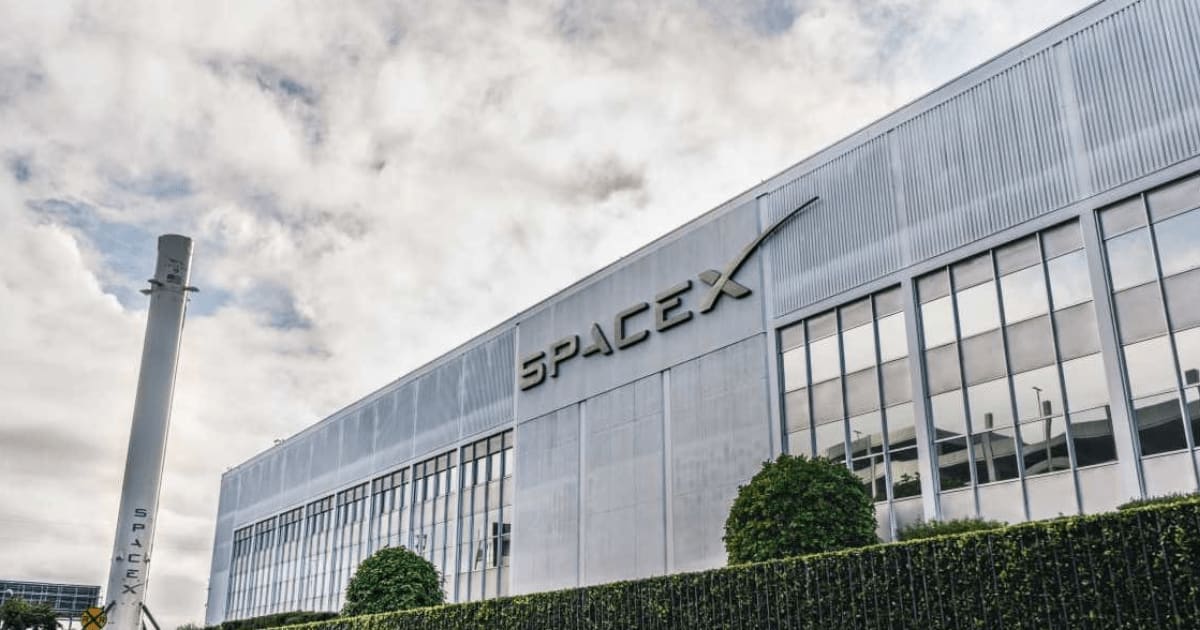
SpaceX is bringing AI to space. With the Elon Musk-led company scaling up its AI infrastructure, it is taking giant strides in heralding an era of space-based computing. SpaceX and Nvidia have designed a space-optimized Nvidia Vera Rubin NVL72 system, which is scheduled for orbital launch in the fourth quarter of 2027, according to Musk. The system is planned for deployment aboard SpaceX's Starmind satellite constellation, which would function as orbital data centers.
SpaceX, in partnership with Nvidia, has designed a space-optimized Vera Rubin NVL72 system for launch to orbit in Q4 next year, with significant scale in 2028 https://t.co/qdDq8YBkzl
— Elon Musk (@elonmusk) August 24, 2026
"The first CPU built for agents is going to work at scale. @SpaceX is deploying NVIDIA Vera to accelerate the orchestration, code execution, and data processing that powers its next generation of agentic AI -- keeping GPUs fed and agents acting fast," Nvidia said on X.
Nvidia's Vera: An inside look
Nvidia's Vera Rubin NVL72 is an innovative rack-scale AI supercomputer that integrates 72 Rubin GPUs, 36 Vera CPUs, BlueField-4 DPUs, and ConnectX-9 SuperNICs in a single system. The CPU exhibits a massive memory bandwidth of around 1.2 TB per second. Nvidia stated that Vera can perform tasks 1.8 times faster than x86 CPUs across processes like agentic AI, data processing, and reinforcement learning. By speeding up tasks, Vera enables efficient operation of GPUs and also helps AI agents act quickly.
Don’t sleep on @SpaceX
— Nic Cruz Patane (@niccruzpatane) July 28, 2026
SpaceX AI satellites will basically become NVIDIA Vera Rubin NVL72 data center racks, but out in Space.
A 500 MW data center could use ~2,500 Vera Rubin NVL72 racks and require hundreds of megawatts of continuous grid power, huge liquid cooling systems,… pic.twitter.com/rbrJDr9s7k
With SpaceXAI ramping up its AI infrastructure, Musk believes that the system will undergo substantial scale-up in 2028. Mike Nicolls, president of SpaceXAI, said, "Vera gives us the CPU performance and memory bandwidth to run enormous amounts of orchestration, code and data processing while keeping GPUs doing what they do best."
The first CPU built for agents is going to work at scale. @SpaceX is deploying NVIDIA Vera to accelerate the orchestration, code execution, and data processing that powers its next generation of agentic AI — keeping GPUs fed and agents acting fast.
— NVIDIA (@nvidia) August 24, 2026
From gigawatt AI factories… pic.twitter.com/xJrxAw9EtQ
SpaceX goes exclusive on AI infrastructure
During SpaceX's first-ever earnings call on August 4, Musk said that the company will be buying AI hardware from only one company. "Going forward, we've decided to build exclusively on Nvidia because we think the Vera Rubin architecture is the best architecture," he said. "We think it's the best AI computer, and we greatly value our close cooperation and partnership on many levels with Nvidia. So we're exclusive to Nvidia."
SpaceX has committed to using Nvidia GPUs exclusively because they are the best
— Elon Musk (@elonmusk) August 4, 2026
Is space-based computing the future?
SpaceX is confident about making space-based computing a norm in the future. "Satellites with localized AI compute, where the results are beamed back from low-latency, sun-synchronous orbit, are the fastest way to scale given the growing difficulty of finding electrical power sources on Earth," says the company's website. Also, data centers on Earth are running out of physical space to host AI technologies, along with a lack of community support due to concerns regarding substantial power and water usage by these giant computing centers.
Challenges exist
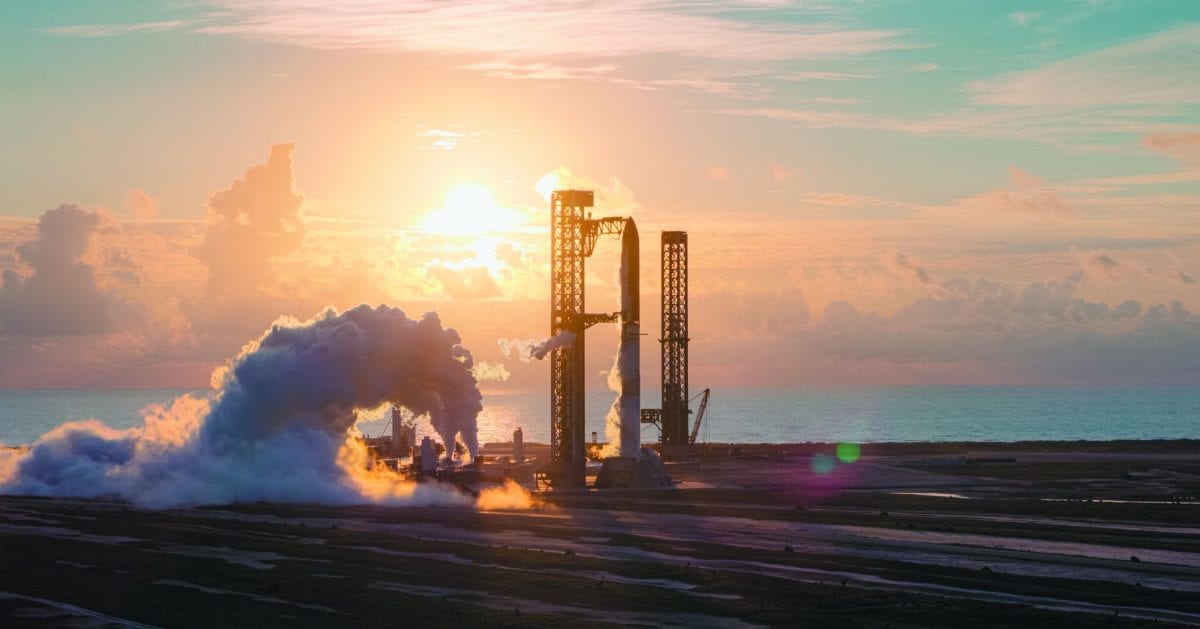
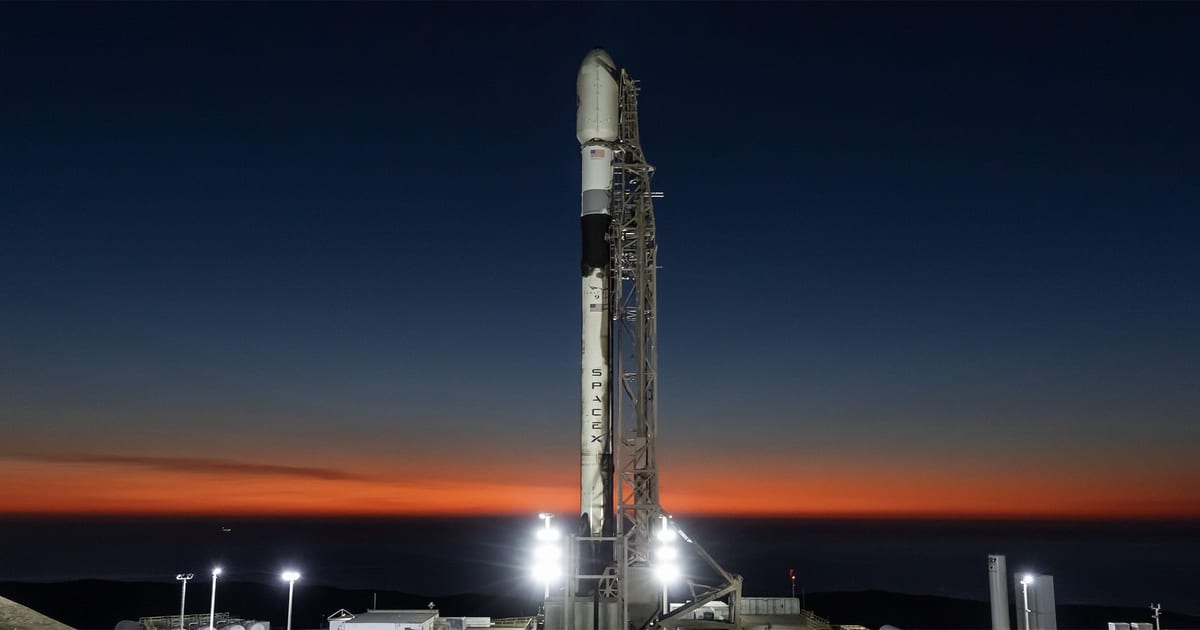
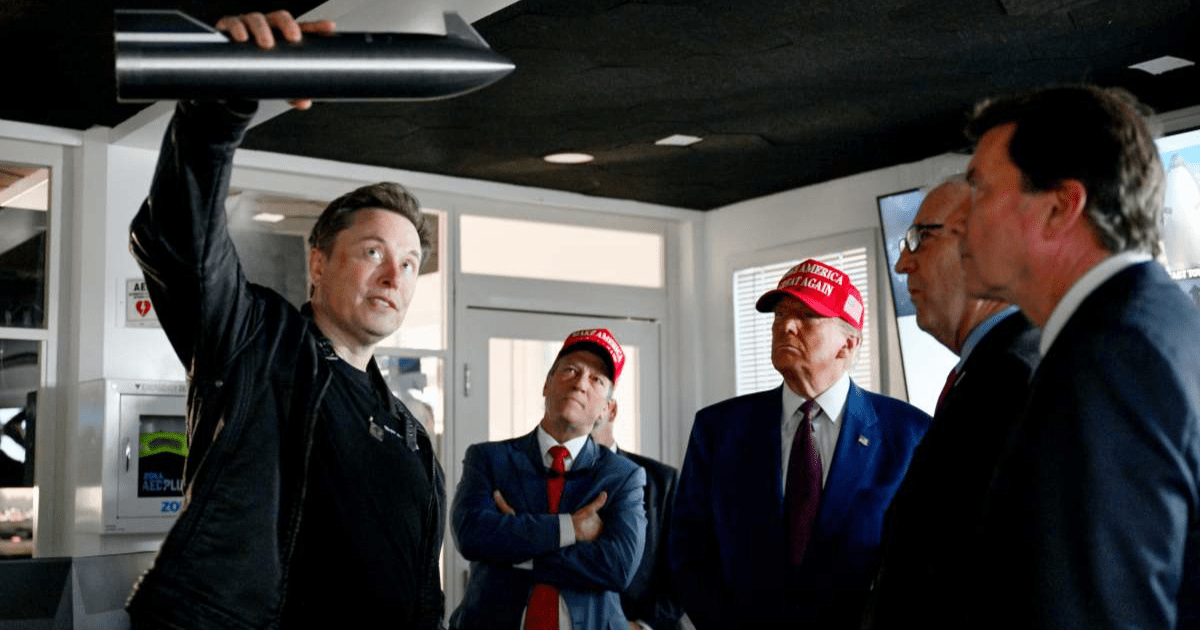
All said, there are certain key challenges to setting up orbital data centers, one of them being transporting the payload to space. SpaceX is pinning its hopes on its massive Starship rocket to deliver satellites into space. However, the rocket is still in testing mode and hasn't made it to orbit yet.
More on Starlust
SpaceX hits 100th Falcon launch of the year with a 27-satellite Starlink mission (watch video)
No Starship catch using tower on flight 14, says SpaceX CEO Elon Musk; eyes over 30 launches per day