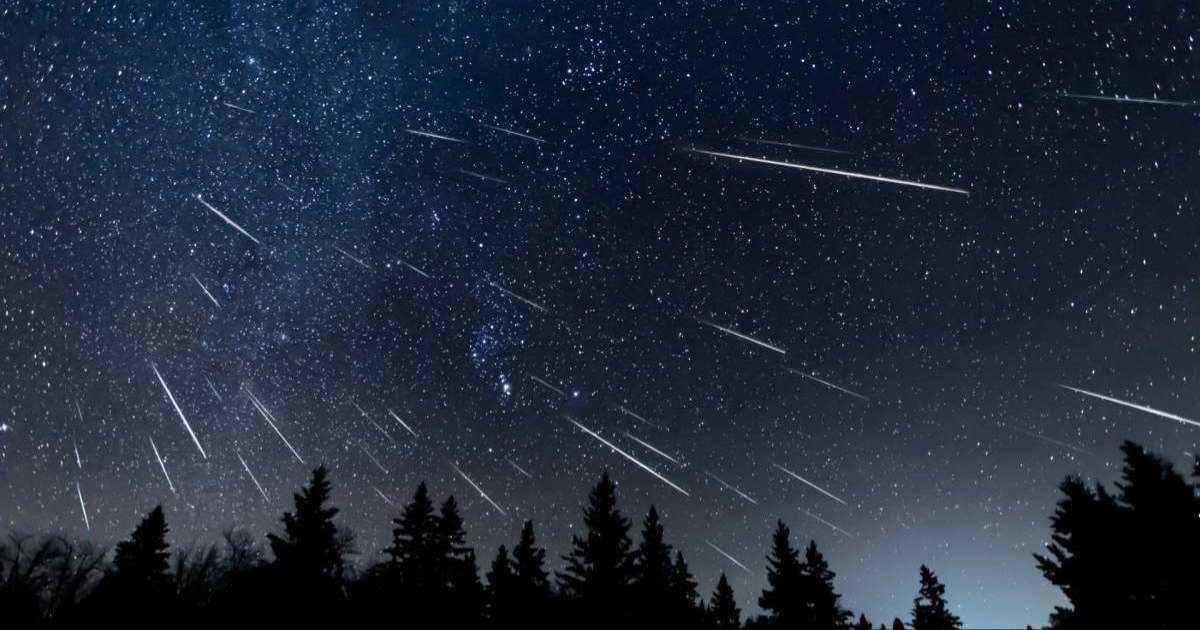
Don't miss the Leonid meteor shower this week—it might be one of the best in years
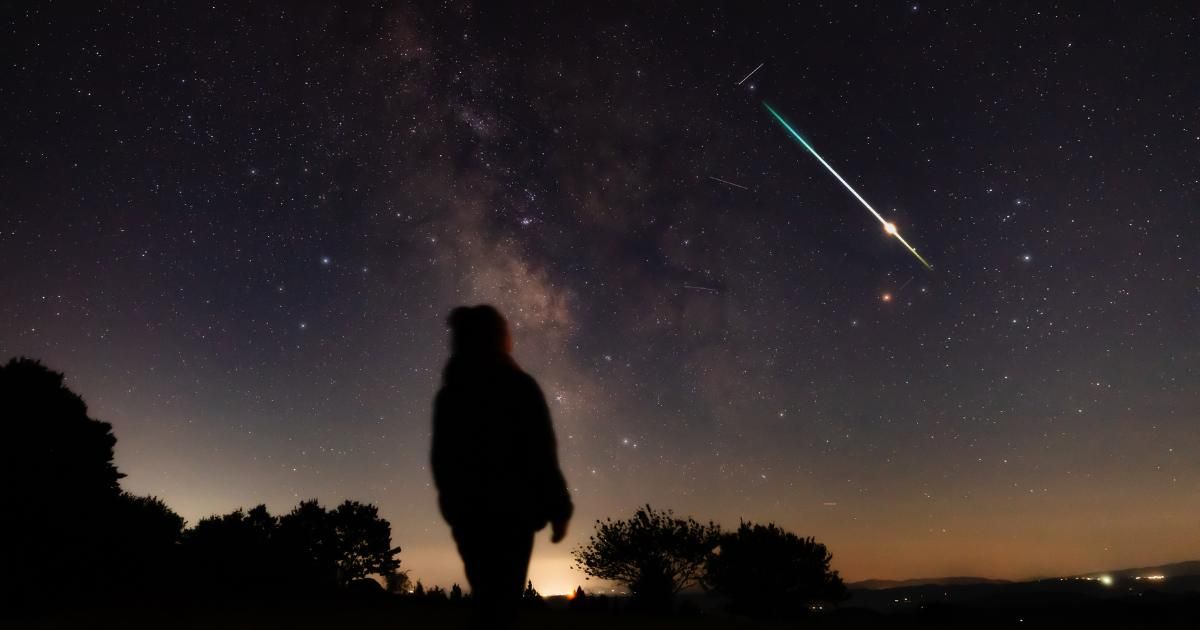
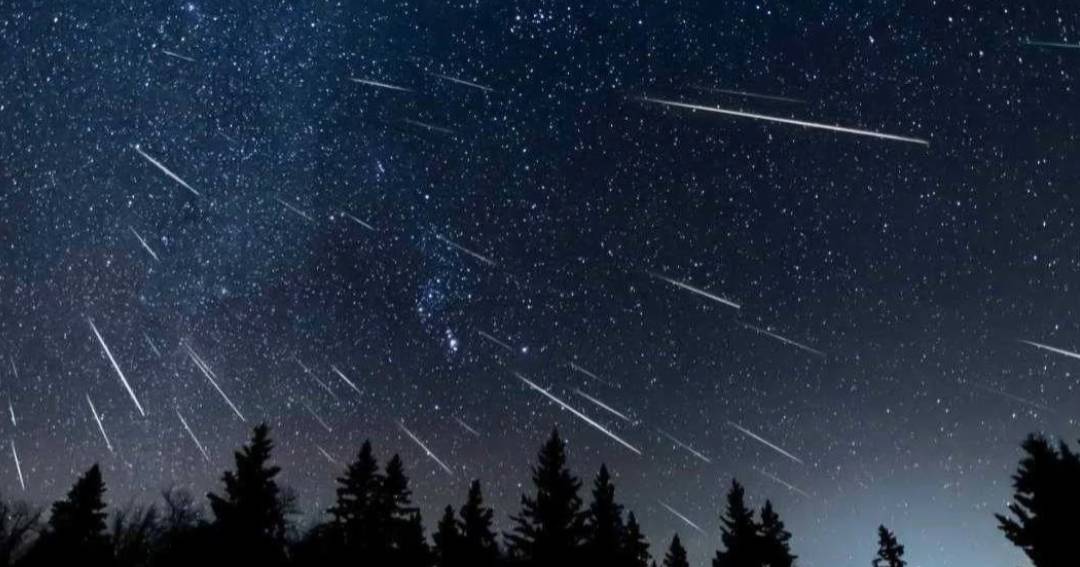
Sky watchers will be preparing for their annual show under the stars as the Leonid meteor shower returns, and this year may offer one of the best viewing opportunities. The primary viewing window for the annual Leonid meteor shower is set for the pre-dawn hours of Monday, November 17, 2025. Secondary opportunities are available during the early morning of Tuesday, November 18, per EarthSky.
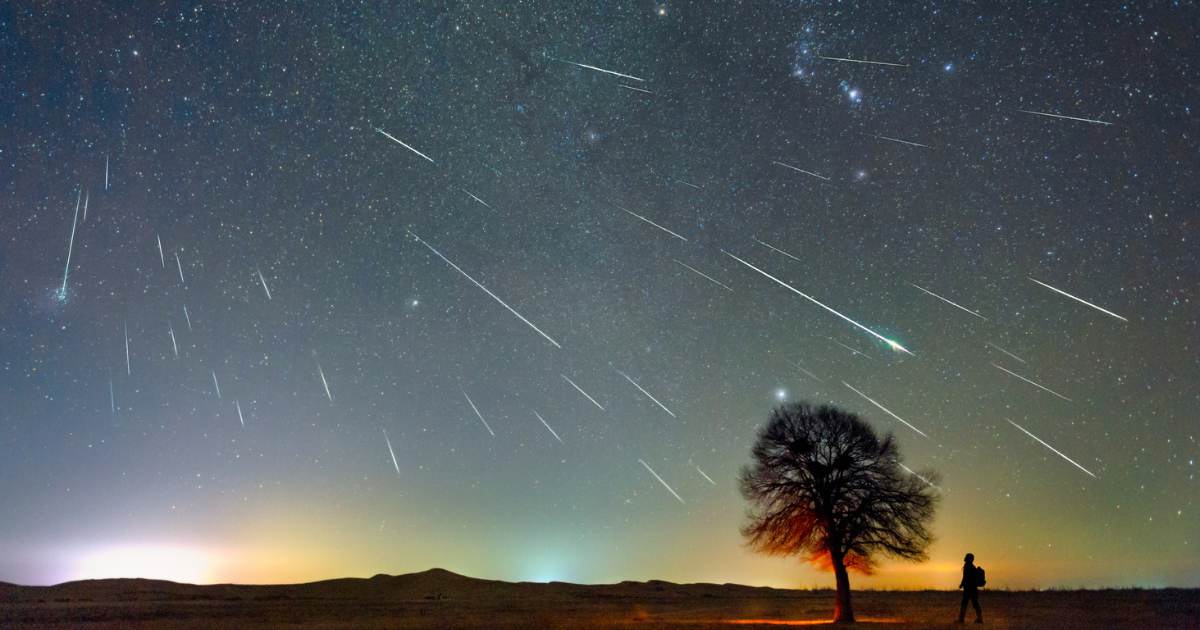
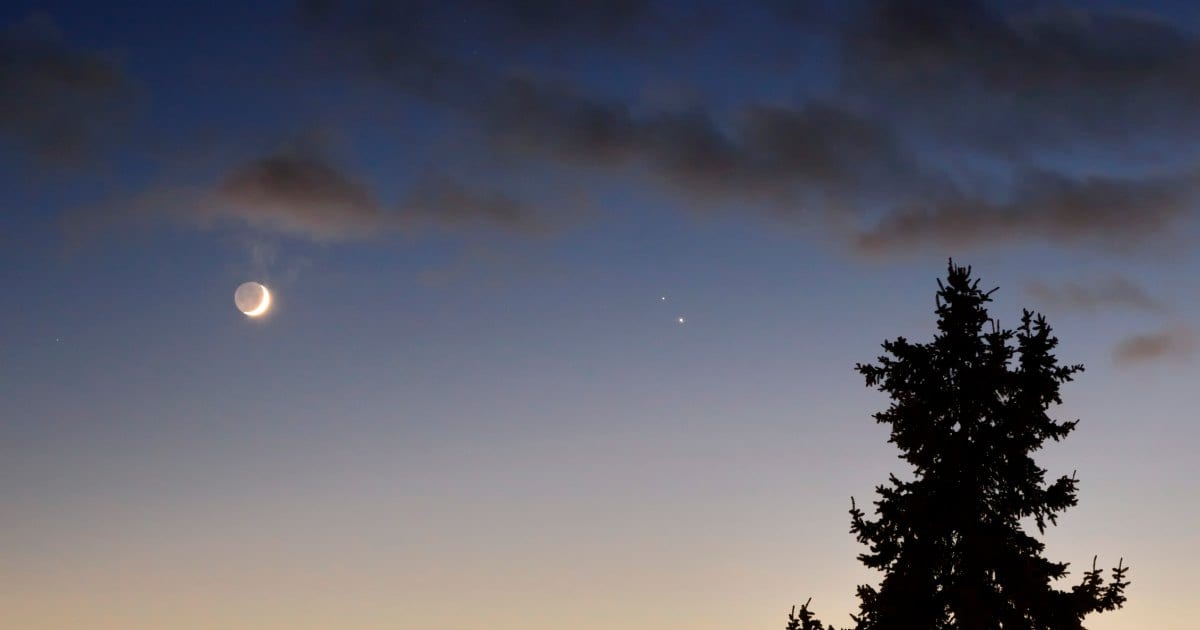
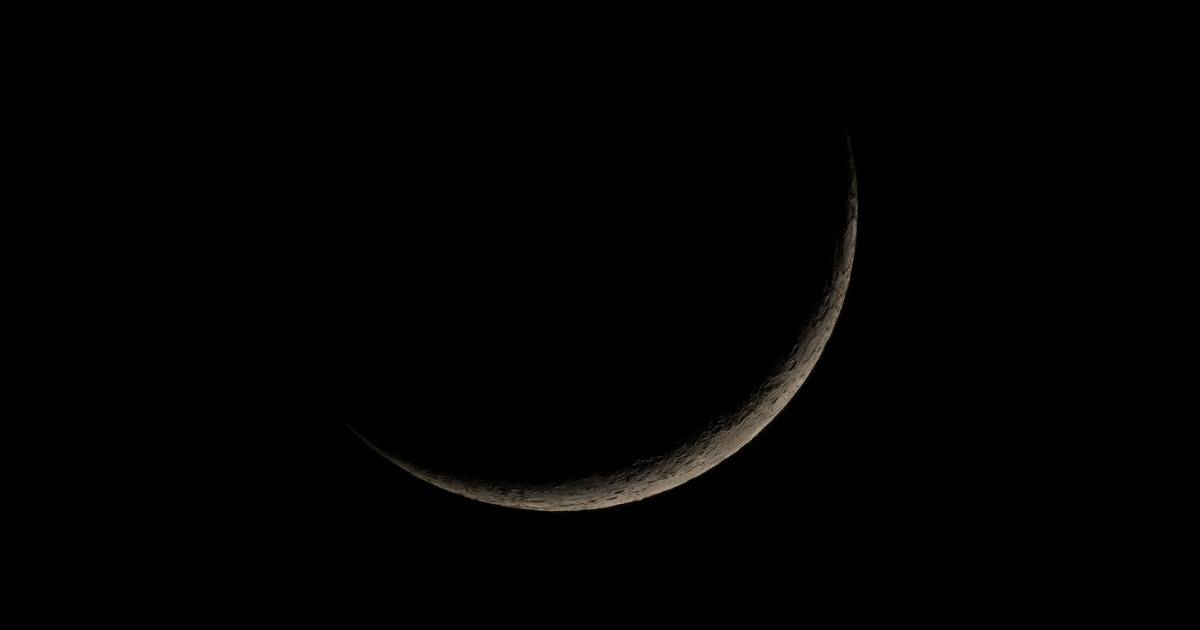
The shower, which is active for nearly a month as Earth traverses periodic comet 55P/Tempel-Tuttle's debris field from November 3 to December 2, is expected to reach its maximum intensity at 2:00 p.m. EDT (18:00 UTC) on November 17. The best time to catch the spectacle will be late Sunday night, November 16, extending into early Monday morning. Forecasters are predicting great viewing this year, as there will be little interference from moonlight. Because the new moon falls on November 20, the waning crescent phase immediately preceding the peak will be slender and low in the sky, allowing for maximum visibility. Viewers in ideal, dark sky conditions can expect an average rate of 10 to 15 meteors per hour at peak.
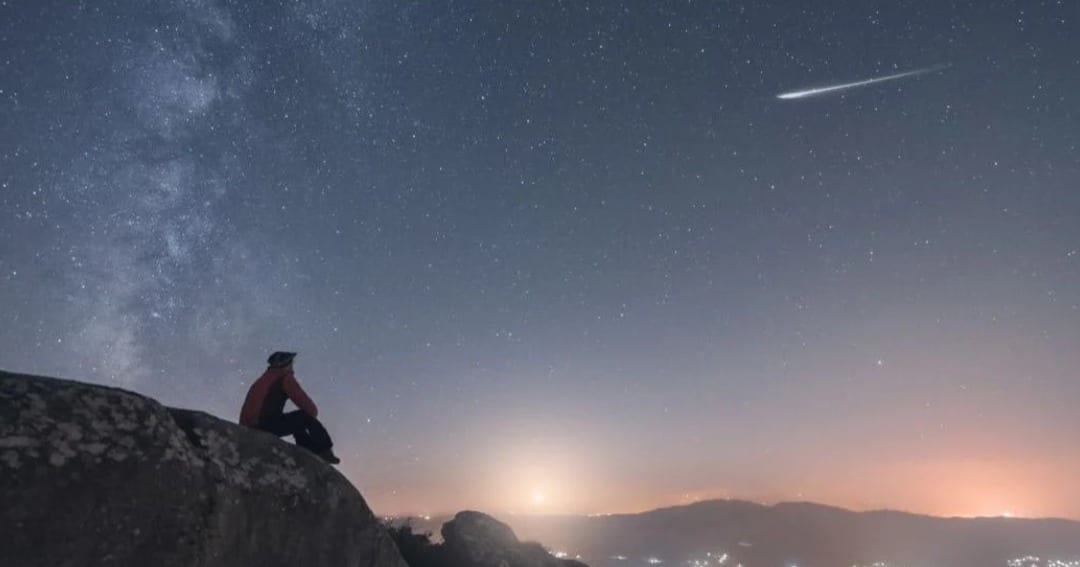
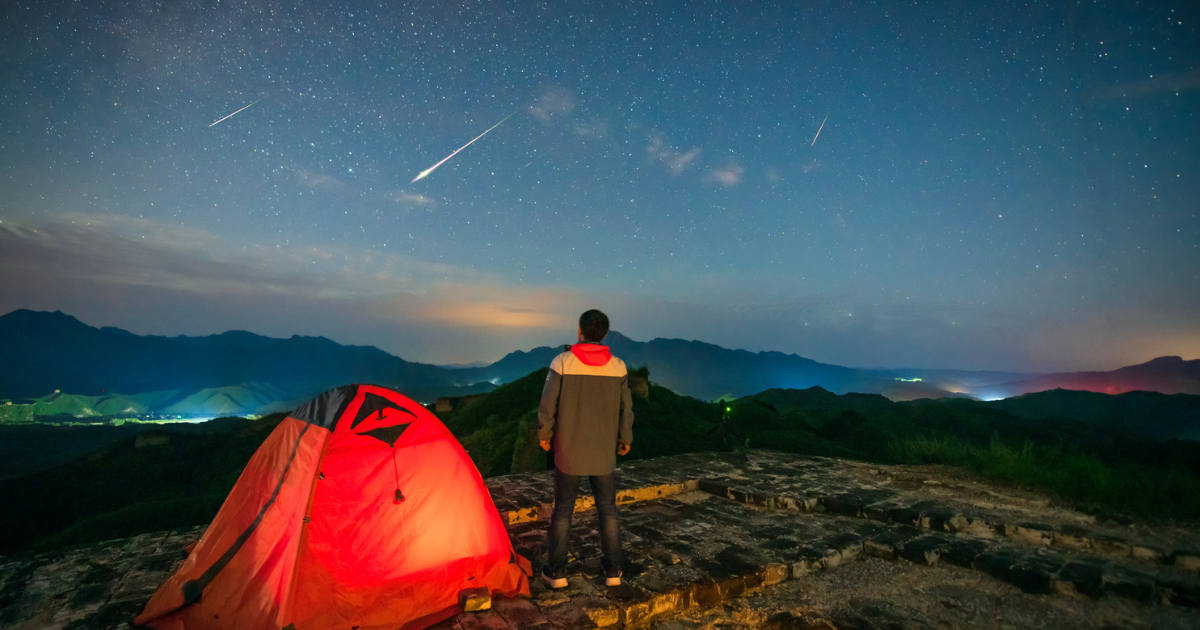
To begin with, viewing a meteor shower requires not much more than having clear skies, a little patience, and the naked eye, according to The Planetary Society. The key to maximizing your view is heading out after midnight, when the Earth rotates onto the leading edge of the orbit, thus encountering the debris stream head-on, much like rain hitting a car's windshield. That is why the best viewing hours are usually between midnight and pre-dawn.
Although the shower appears to radiate from the constellation Leo, the observers do not need to face this point directly. Actually, meteors that appear farther from the radiant will have longer, more spectacular trails. Observers commonly advise looking approximately 45° away from the radiant, but the most important thing you can do is find a location with dark skies and away from urban light pollution. Give your eyes several minutes to fully adapt to the darkness and focus your attention on the deepest, darkest patch of sky available.
While the typical Leonid display is relatively modest, the shower holds a legendary place in astronomical history. It's infamous for producing one of the most spectacular "meteor storms" on record in 1966, when rates briefly soared to thousands of visible meteors per minute, a truly rain-like phenomenon that left witnesses with a profound sense of Earth's motion through space. According to EarthSky, though the Leonids sometimes recur in 33-year cycles, more recent returns have failed to match the brilliance of the 1966 event, and the current expectation is for a steady but standard display.
Comet 55P/Tempel-Tuttle was independently discovered by two astronomers, William Tempel in France on December 19, 1865, and Horace Tuttle in the United States on January 5, 1866, leading to the dual naming convention. Scientists quickly calculated the comet’s orbital period at just over 33 years, linking it definitively to the mid-November meteor activity.
More on Starlust
November 2025 skywatching guide: This year's biggest supermoon, Leonids fireballs and more
The famous Leonid meteor shower will peak on November 17—here's how to watch them