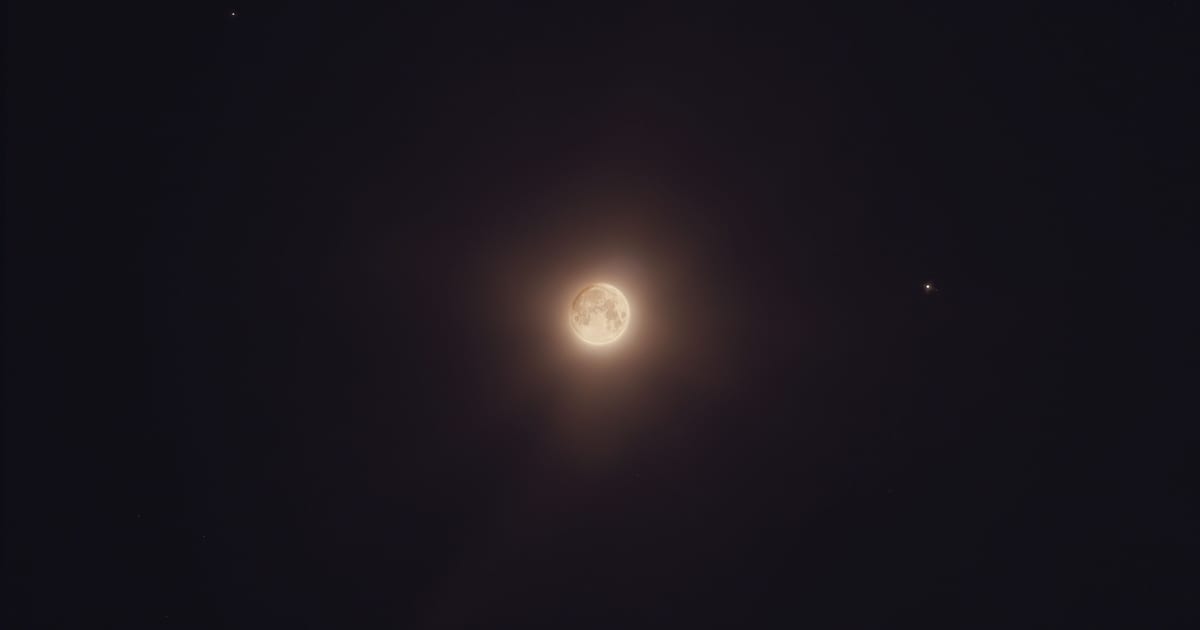
Comet C/2025 A6 (Lemmon) still shines in the night sky—here's how to spot it during the New Moon
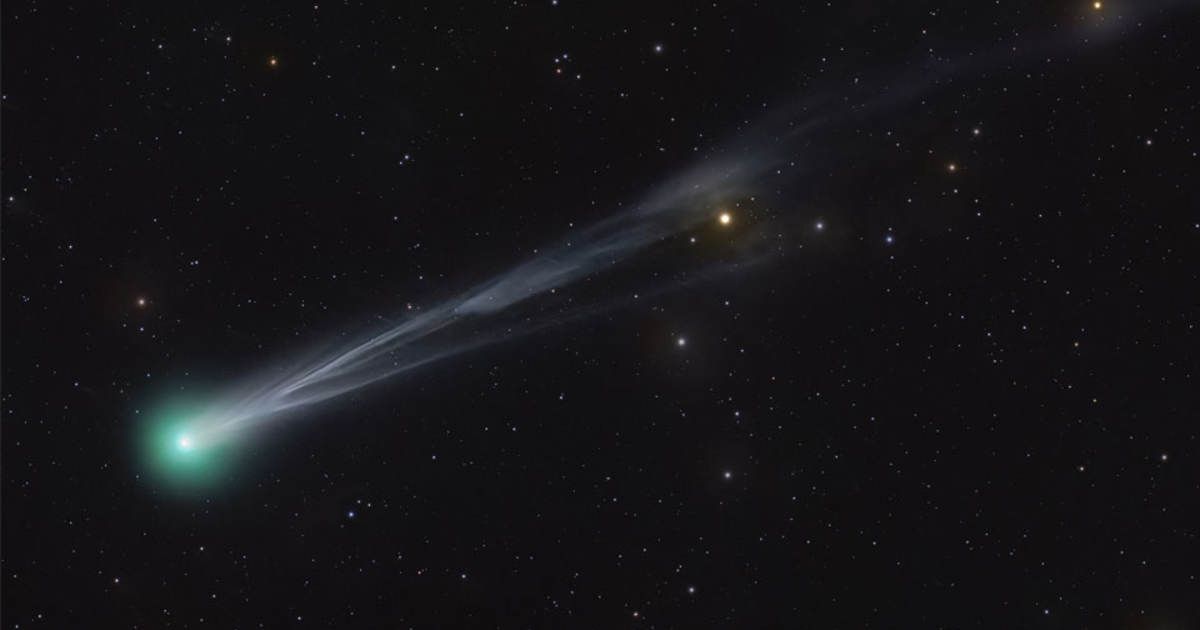
The dazzling presence of comet C/2025 A6 (Lemmon) continues to grace the night sky. Observing this celestial visitor may prove to be favorable during and in the days following the New Moon. The skies are usually darkest during this period, offering the best chance to observe the faint and fuzzy glow of the comet. Currently, comet Lemmon is located in the constellation of Ophiuchus, at a distance of approximately 207 million km (129 million miles) from Earth. The current observed magnitude of the comet is 5.2, which means it would be visible from Earth with the aid of binoculars or a telescope, according to The Sky Live.
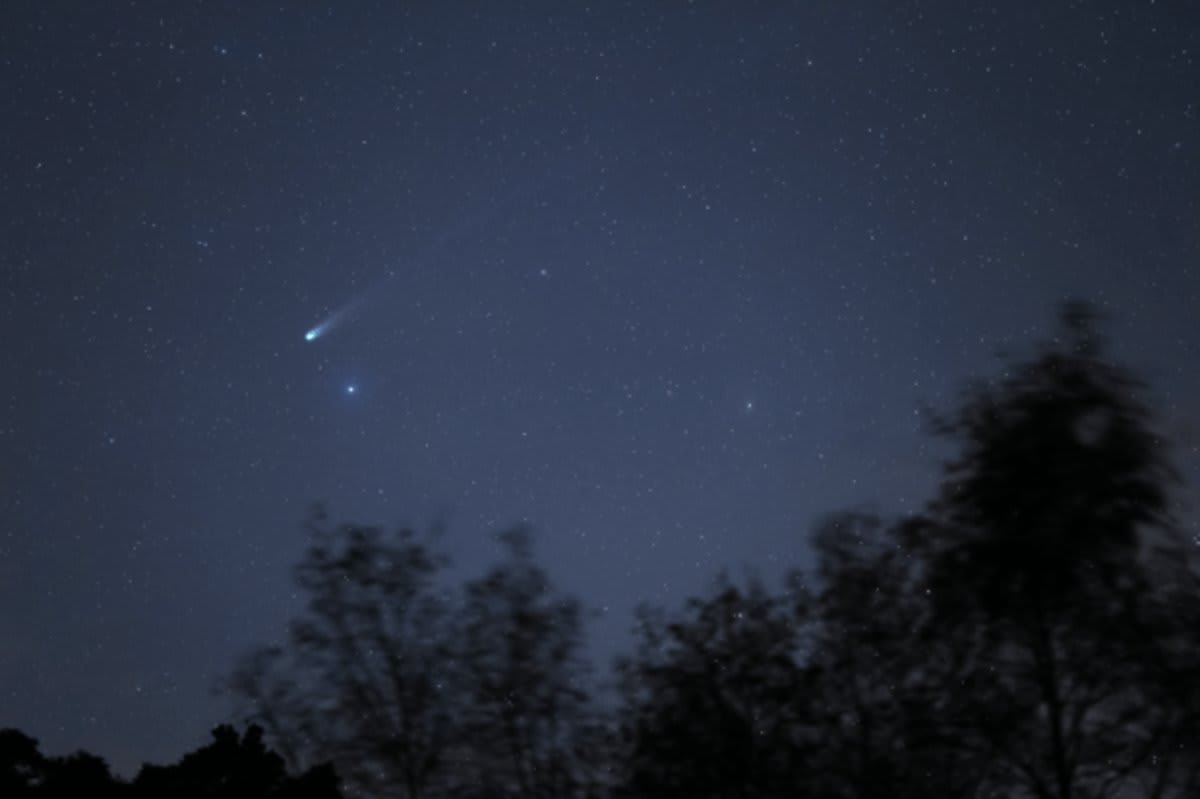
Comet C/2025 A6 (Lemmon) was first spotted on January 3, 2025, by astronomer David C. Fuls as part of the Mount Lemmon Survey in Arizona using a 60-inch (1.5 m) telescope. While it was initially identified as a spot of light due to its faint magnitude, follow-up observations revealed a coma, confirming, as per Astronomy Magazine. The comet’s fly-by at its closest point to Earth was on October 21, 2025, and it reached perihelion (its closest fly-by to the Sun) on November 8, 2025. With each passing day, the comet's brightness is rapidly decreasing.
Since the comet is currently visible only through binoculars or a telescope, observing it under moonless skies offers the best chance to see it clearly. Spotting a comet post its peak brightness needs patience, a clear sky, and viewing for around 45 minutes to an hour after sunset. The comet’s faint light will be visible when twilight completely fades. Comet C/2025 A6 (Lemmon) is presently located in the southwestern sky, and because its altitude is decreasing each day, an unobstructed view is a must. Knowing the direction is also important, as there are no major bright guide stars nearby, according to Star Walk.
Today, on New Moon, the comet's right ascension is 17h 12m 10s and the declination is -20° 34’ 37”. Because of the 17.7° altitude, it would appear quite low in the sky. Currently, light takes 11m 33.610s to travel from the comet to us on Earth. The New Moon provides us with a narrow window and a last chance to capture the comet still shining bright before it fades away. In the absence of moonlight, the faint coma and the tail of Comet Lemmon will have maximum visibility.
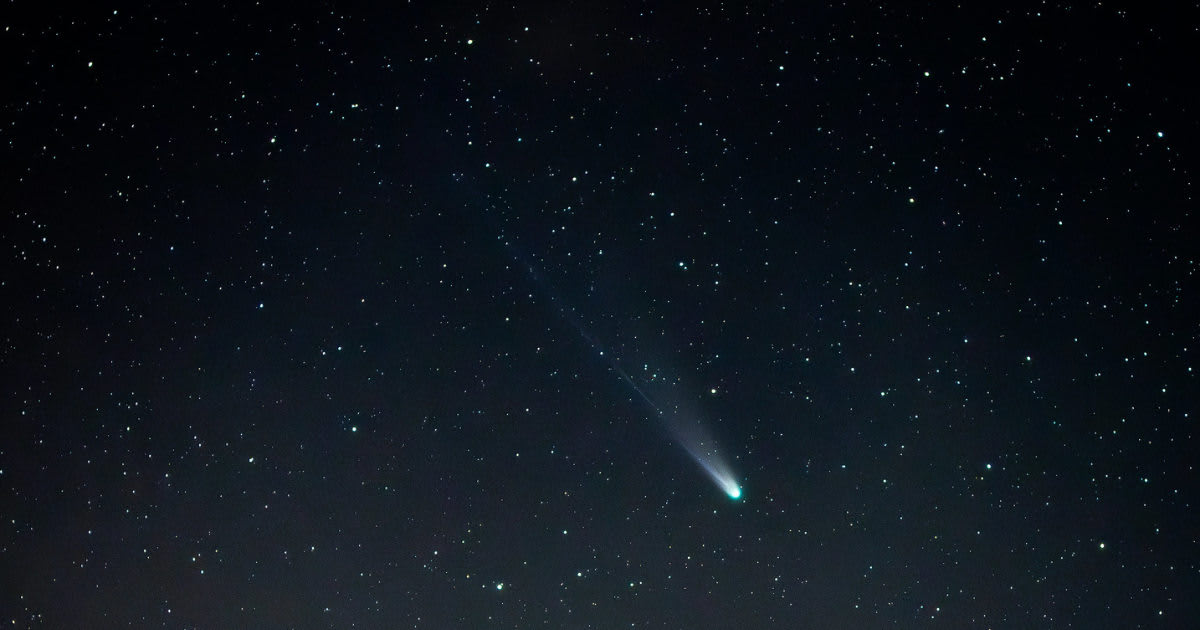
One of the most basic requirements would also be to keep a check on the weather conditions and ensure a clear line of sight. Comet C/2025 A6 can also be located in the sky, using an astronomical app, like Star Walk 2 or Sky Tonight. This will make the hunt for the comet easier. Comet Lemmon is a long-period comet from the Oort Cloud and will only return to our system around the year 3175.