Buck Moon 2026: How does July's Full Moon affect tides on Earth?

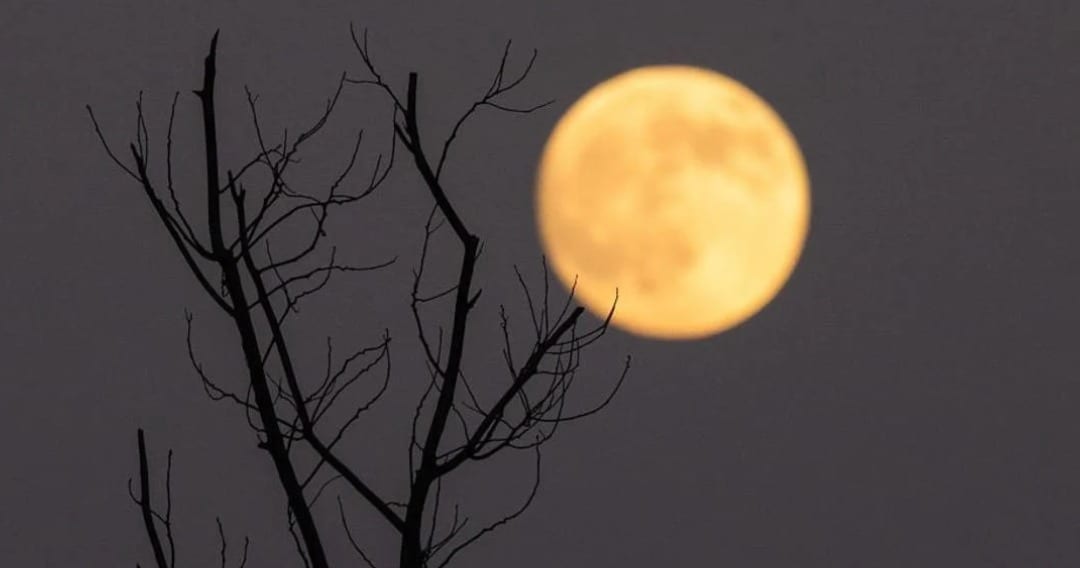
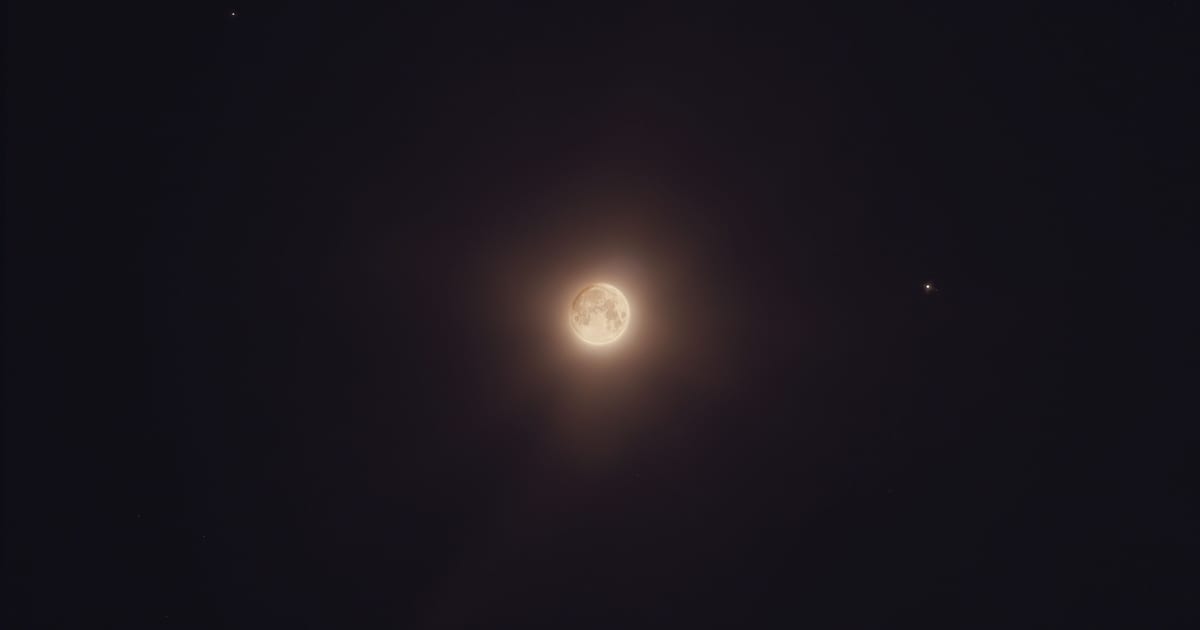
July's Full Moon, often referred to as the Buck Moon, will light up the skies on July 29 this year, reaching peak illumination at 10:36 a.m. EDT. The unofficial name of the July Full Moon comes from the Native American Algonquin tribes, who observed that this moon phase coincides with the time when velvety new antlers of male deer (bucks) become visible.

The Moon orbits Earth in an elliptical or oval-shaped path and affects our planet in various ways, with the most notable being its role in the creation of tides. Our only natural satellite pulls at our planet with its gravity as it orbits, causing water in the oceans to rise and fall and creating tides as we know them.
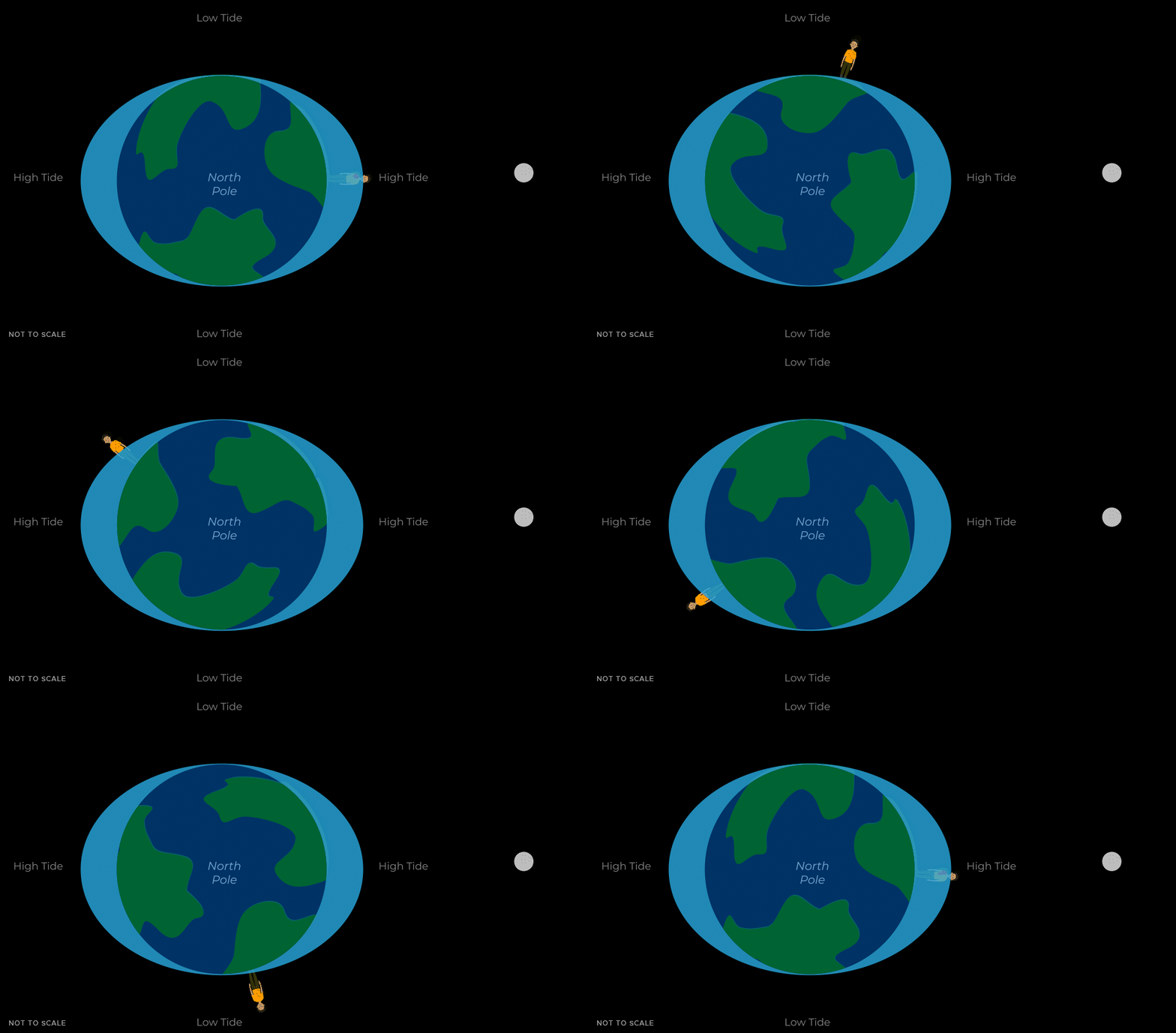
As it traces its path around Earth, the Moon passes through its various phases (namely, the New Moon, First Quarter Moon, Full Moon, and last quarter moon phases) and this 'lunar month' lasts about 29.5 days on average. During each of these lunar months, the Sun, Earth, and the Moon align nearly in a straight line twice. One such alignment takes place at the time of a new moon, when the Moon is between Earth and the Sun, while another takes place at the time of a Full Moon, when Earth is between the Moon and the Sun.
When these alignments take place, the gravitational pull of the Sun and the Moon get combined, causing larger bulges of water. In other words, high tides become higher than usual whereas low tides become lower than usual at these points of time. These unusually large tides are called spring tides, but the name "spring" shouldn't be associated with the season; instead it refers to the tide "springing forth" or rising.
The Moon's elliptical orbit also means that its distance from the Earth is not constant, and there are points where it is closest to (perigee) and farthest from (apogee) our planet. At perigee, the Moon's gravitational pull on Earth is the strongest, which, in turn, strengthens tidal forces. Two weeks after it reaches perigee, the Moon typically reaches apogee, where its weaker gravitational pull on earth results in smaller tidal ranges.
How does the Buck Moon affect tides?
The Buck Moon has no special astronomical or gravitational properties beyond that of a regular Full Moon. Therefore, the Buck Moon affects tides exactly the same way as any other Full Moon by producing the normal spring tides associated with the Full-Moon phase.
More on Starlust:
Buck Moon 2026: Can you see the Milky Way during July's Full Moon?
Buck Moon 2026: What else can you see in the sky during July's Full Moon?