NASA’s Artemis program might finally solve these long-standing Moon mysteries
We have been to the Moon, yet know very little about it
While the Apollo astronauts brought back Moon rocks with them and also left behind a few geological experiments, most of our knowledge today about our nearest celestial neighbor comes from orbiting satellites, telescopic observations, and the occasional sample return mission. The Artemis program, which will return humans to the lunar surface, will close that gap.
The high cadence of missions that will land on the Moon as part of the program could help scientists solve some long-standing mysteries about the Moon and use it as a Rosetta Stone for the origin and evolution of our world and the solar system at large.
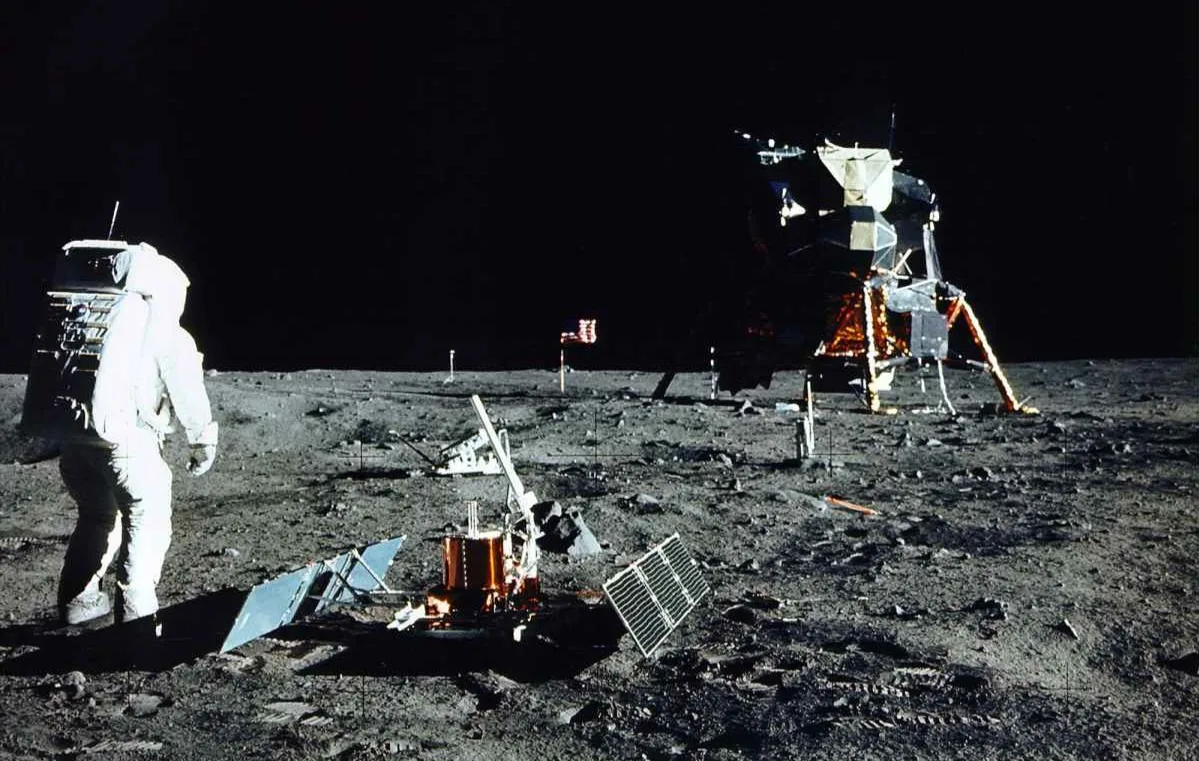
The photo shows Apollo 11 astronaut Buzz Aldrin standing near a scientific experiment on the lunar surface.
The Artemis program will deploy a host of instruments on the Moon
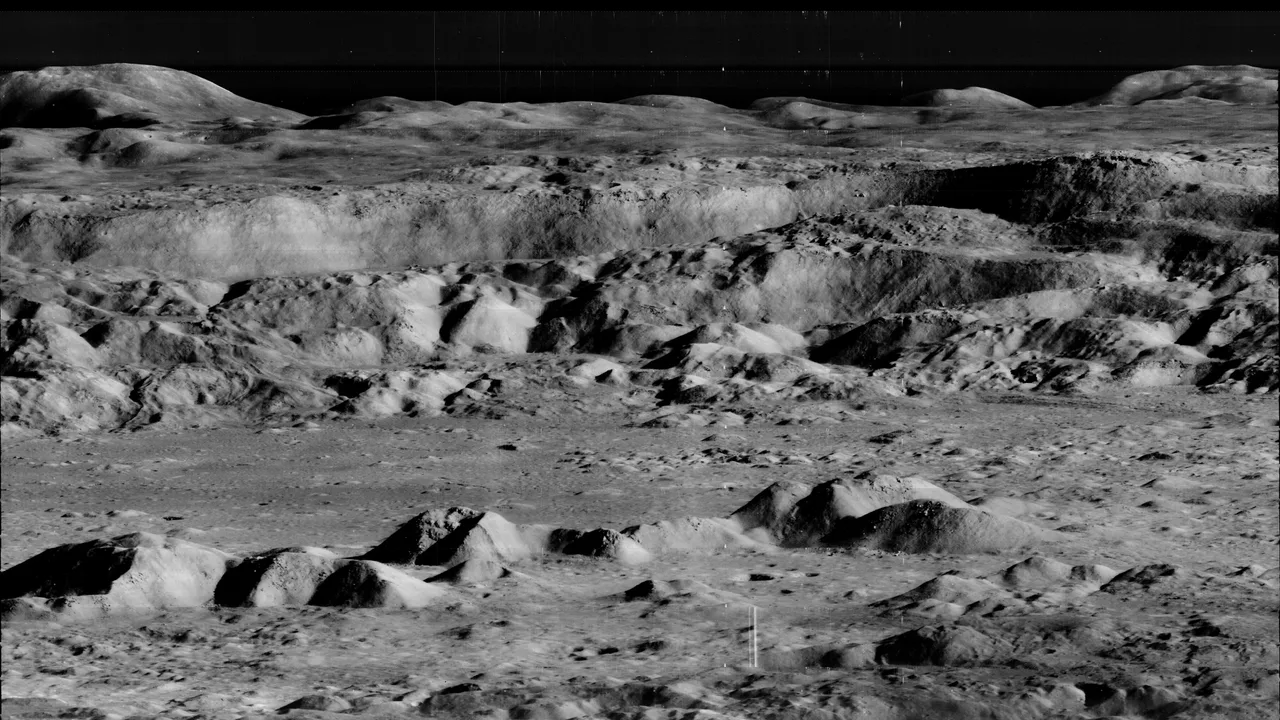
The seismometers that the Apollo astronauts left behind on the Moon stopped working all the way back in 1977. Now, the Artemis IV mission, set for early 2028, could see its astronauts deploy the Lunar Environment Monitoring Station. Originally intended to fly aboard Artemis III as part of NASA's earlier roadmap for the program, this compact autonomous seismometer suite will carry out continuous, long-term monitoring of the lunar south pole region.
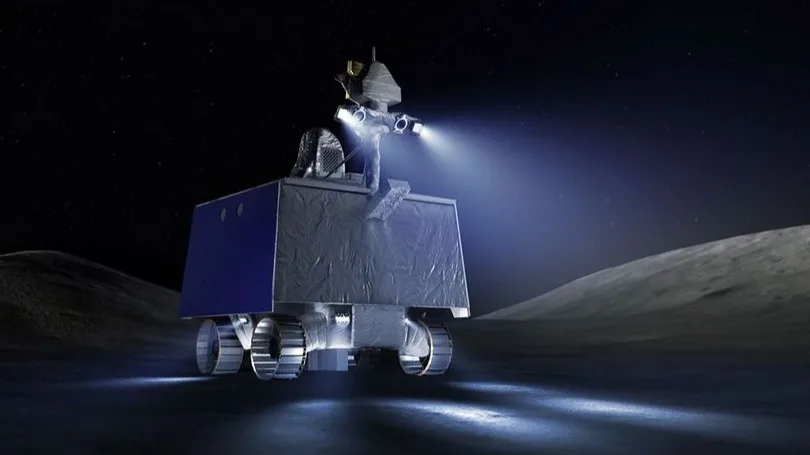
Meanwhile, NASA's Volatile Investigating Polar Exploration Rover (VIPER), which will take part in the Artemis campaign via the agency's CLPS (Commercial Lunar Payload Services), will look for volatile resources, like ice, on the lunar surface. These two, along with a host of other instruments, will help scientists uncover mysteries of the Moon—three of which we will discuss here.
How is the Moon still geologically active?
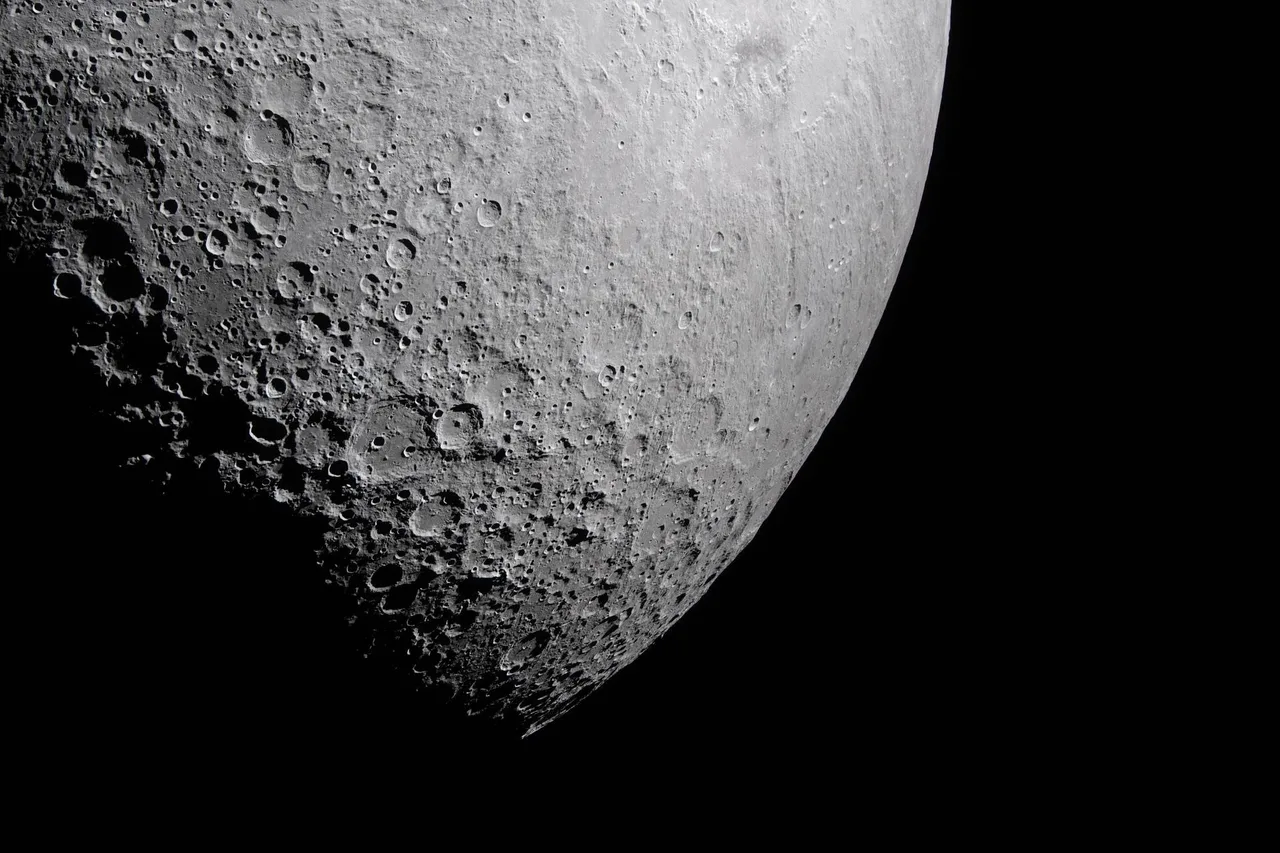
Earth's sole natural satellite is still very much active geologically. And this has baffled scientists, as they thought that the Moon was geologically dead. Moonquakes experienced on the lunar surface are a clear indication that its interior is not entirely inactive.
Additionally, detailed studies about the craters have revealed that the Moon might have had volcanic eruptions only 100 million years ago, which, in geological terms, is not very long ago. Another point of debate among scientists is whether the lunar core is solid or liquid.
Nicholas Schmerr, a seismologist and planetary scientist at the University of Maryland, told Scientific American that by deploying various seismic payloads, the “Artemis astronauts will be laying down some of the first nodes of a global seismic network.”
How did the Moon form?
The most widely accepted theory about the Moon's formation states that it was born when Theia, a protoplanet the size of Mars, collided with a proto-Earth, and the debris from both coalesced. While this origin story is backed by computer simulations and geochemical evidence, samples of the Moon's mantle could be used to further test its accuracy.
Meanwhile, geophysical observations could help scientists understand why the lunar near side is pockmarked with dark patches of cooled volcanic rock called 'mare,' while the far side has a dearth of these features.
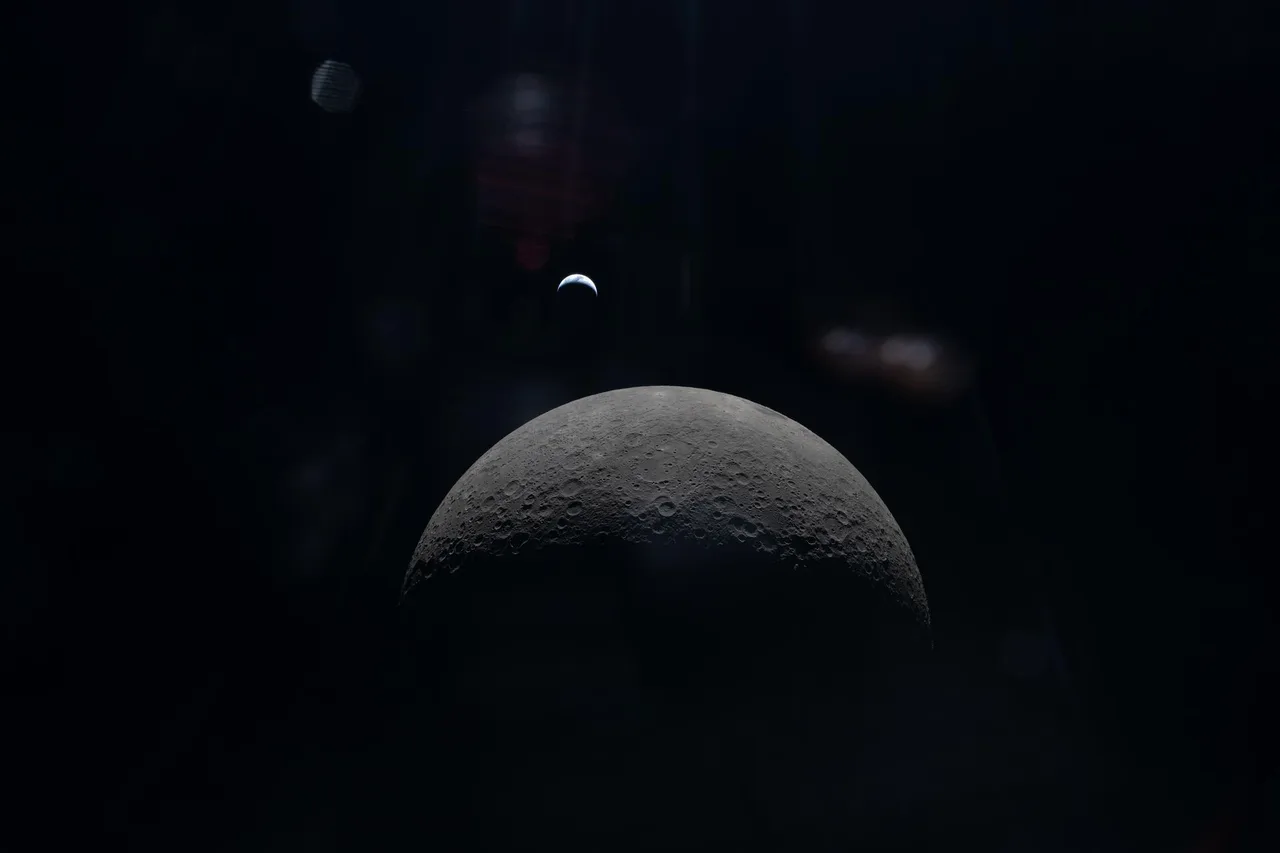
This image shows the far side of the Moon as seen along the terminator. A section of the Orientale basin is visible in the upper right end of the image.
Where did the Moon's water come from?
Another big mystery is how the Moon got its water. An answer to this question may also help trace the origins of water on Earth. At the moment, scientists suspect that Earth got its water from either comets or asteroids. But they may develop a deeper understanding now that NASA is planning to land Artemis astronauts near the lunar south pole, where permanently shadowed regions contain water ice.
Besides VIPER, which will use its three instruments and a 3.28-foot drill to analyze various lunar soil environments, the Lunar Dielectric Analyzer will also aid in the search for water ice. The latter will do so by measuring the lunar soil's ability to propagate electricity.
The image is an artist's concept of NASA's VIPER on the lunar surface.