Buck Moon 2026: Five little-known facts about July's Full Moon
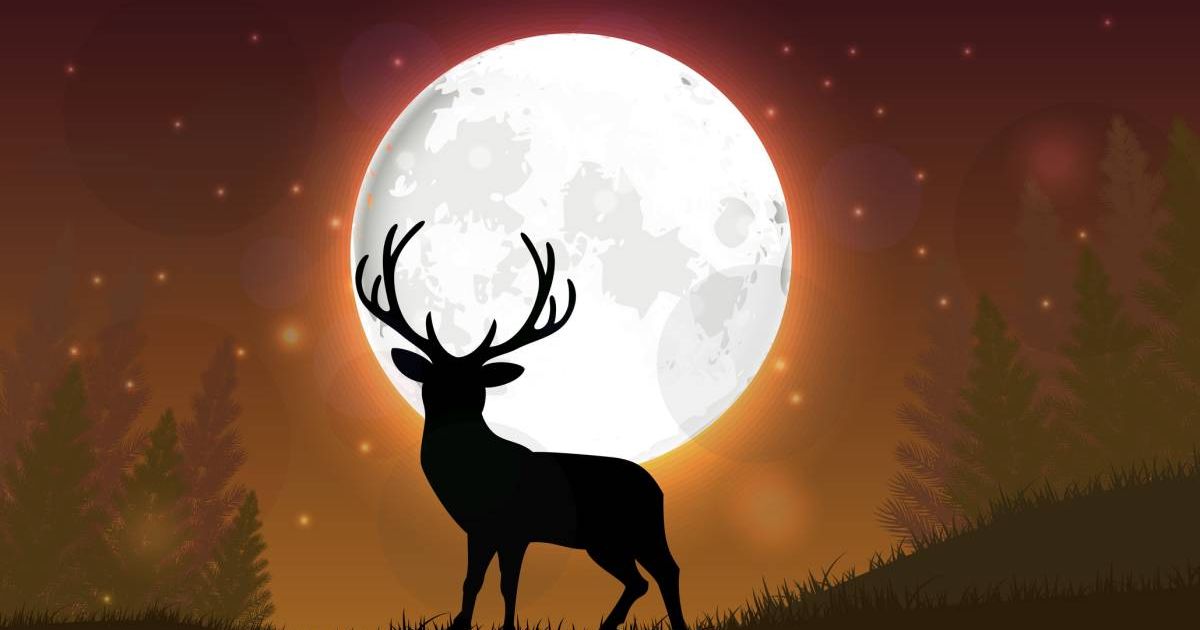
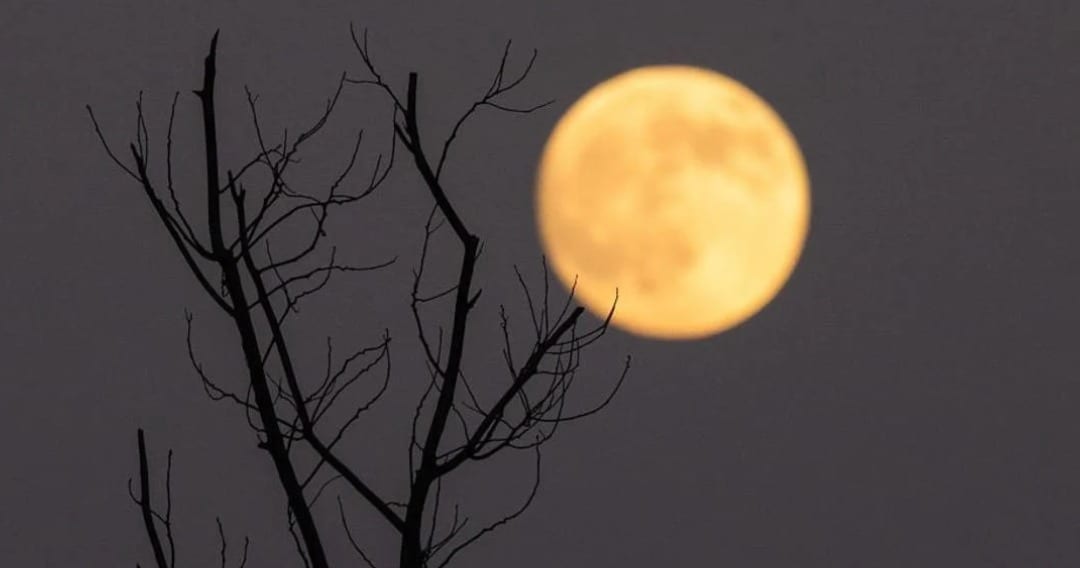
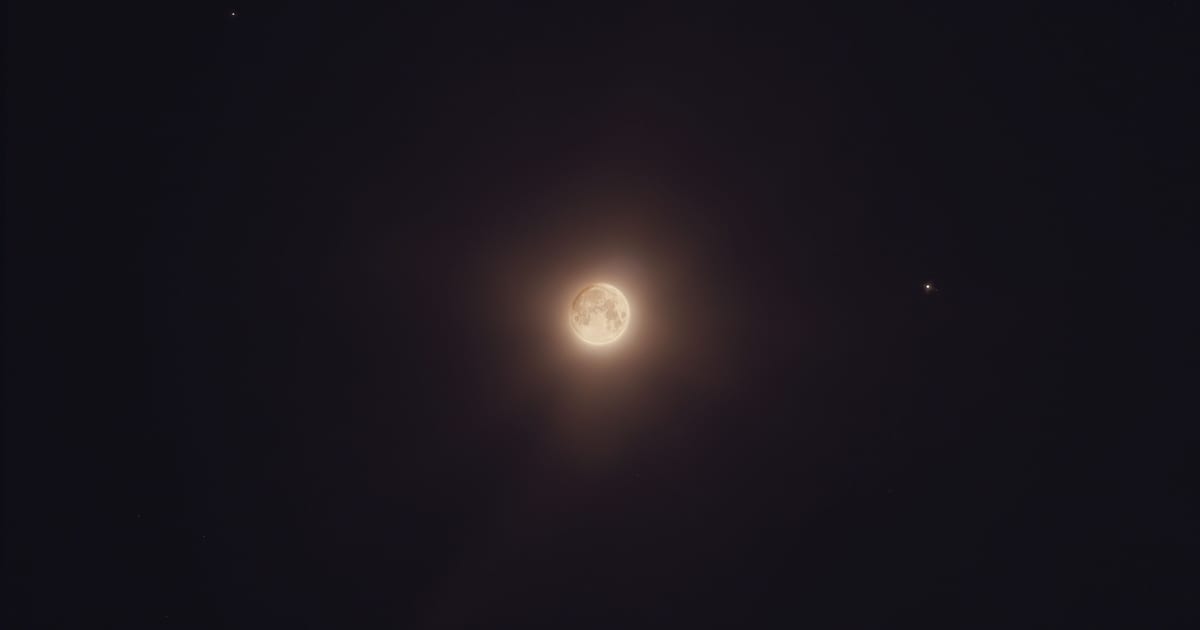
The Full Moon that lights up the sky every year in July is popularly referred to as the Buck Moon, and stargazers looking to catch it in all its glory this year can do so on July 29, 2026. This intriguing nickname of the July Full Moon comes from the Algonquin people of North America, who observed that it coincided with the time when new sets of antlers can be seen on bucks or male deer, which shed and regrow their antlers annually. Here are some other interesting, little-known facts about the Buck Moon.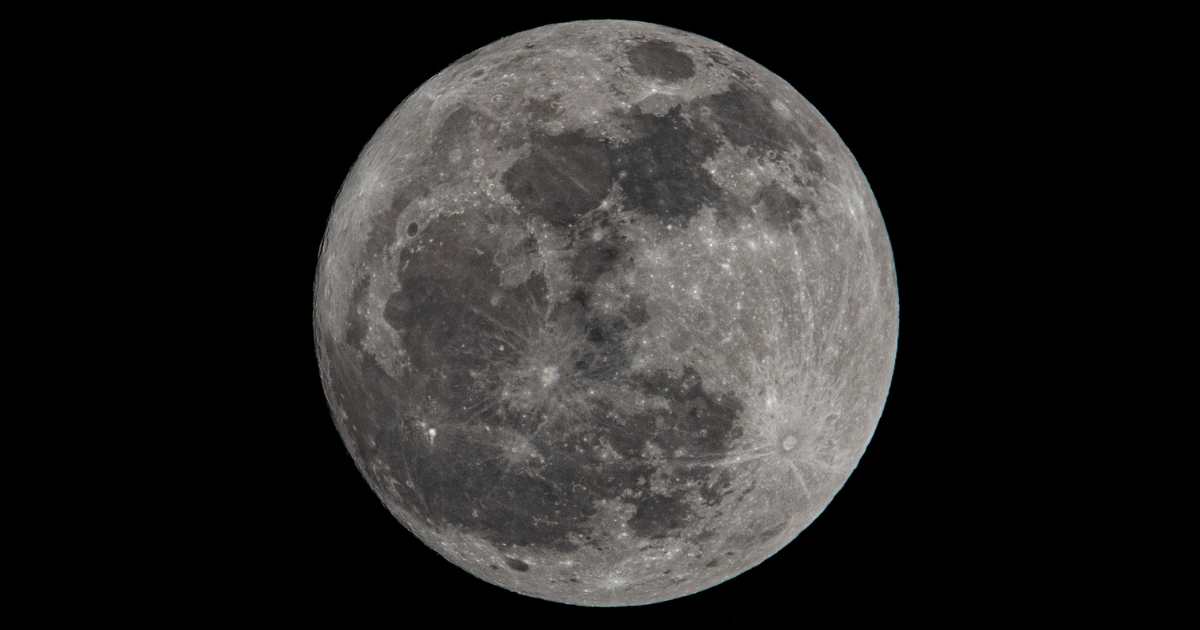
1) The Buck Moon occurs in the same month Earth reaches its farthest point from the Sun
The July Full Moon happens just weeks after Earth reaches the most distant position in its orbit around the Sun, a point called aphelion. Earth reached this position on July 6, 2026, when it was approximately 94.5 million miles away from the Sun. Astronomically speaking, because of this timing, the Buck Moon is the farthest Full Moon from the Sun all year.
2)The Buck Moon can play spoilsport for stargazers
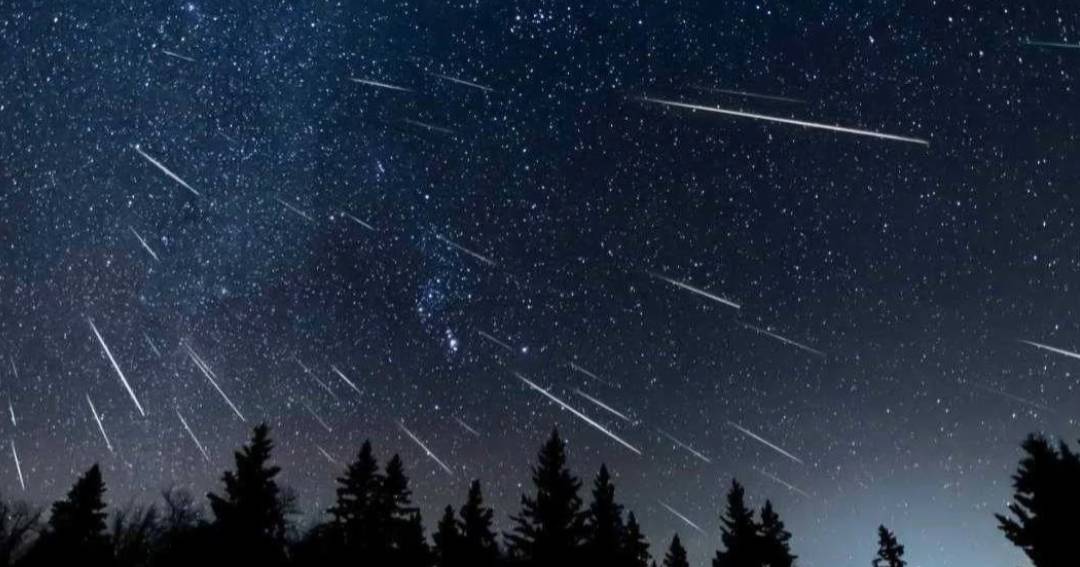
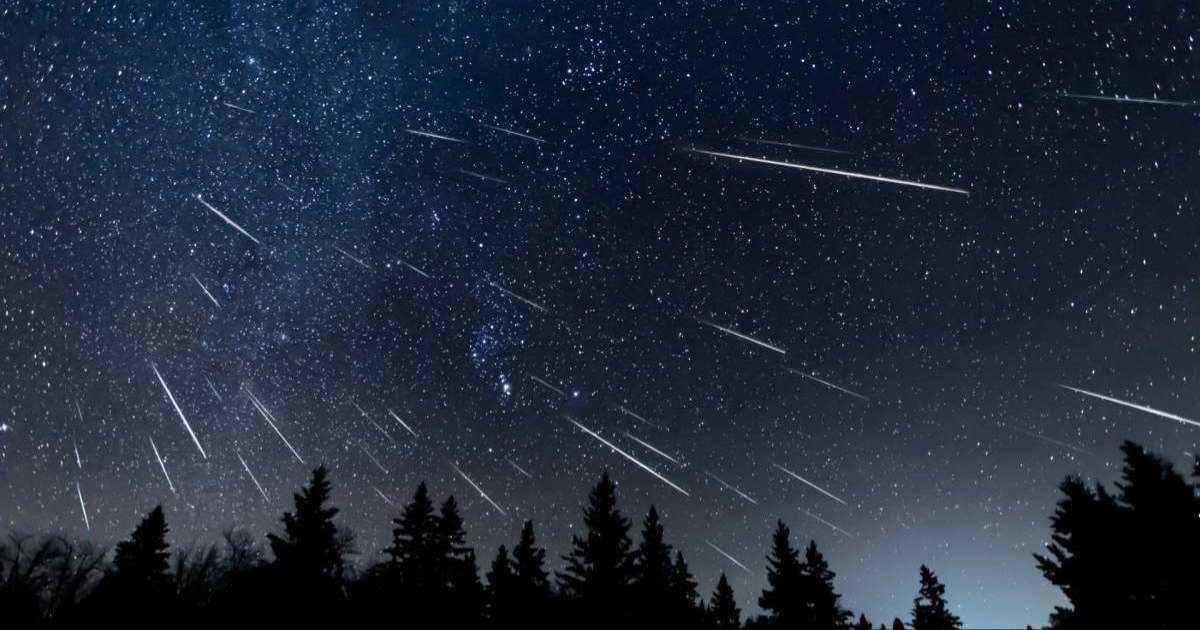
The bright glow of a Full Moon can often prevent stargazers from clearly seeing certain celestial phenomena, and the Buck Moon sometimes plays a spoilsport. In certain years, the Buck Moon coincides with the peak of Alpha Capricornid and Southern Delta Aquariid meteor showers, drastically reducing their visibility. Unfortunately for meteor watchers, 2026 happens to be one such year: while the two meteor showers peak around July 30-31, the Moon will still be at almost full illumination this year.

3) The Buck Moon has several names
The July Full Moon has earned a number of nicknames for its links to seasonal changes. Some Native American communities call it the Thunder Moon, in reference to summer storms which are frequent around this time. Certain Native Alaskan groups, meanwhile, describe it as the Salmon Moon, as it coincides with the time when fish return to the area and are ready to be harvested. In Europe, it is historically known as the Hay Moon and Mead Moon. Other traditional monikers of the July full Moon include the Raspberry Moon, Berry Moon, and Feather Moulting Moon.
4) It is one of the lowest full Moons
Because the July Full Moon occurs relatively close to the June Summer Solstice, its path across the night sky is lower than it is during much of the rest of the year in the Northern Hemisphere. During the Summer Solstice, the Sun traces its highest path across the sky; because a full Moon is situated directly opposite the Sun, its trajectory is also low, causing it to hug the southern horizon.

5) Science debunks lunar hunting legends linked to moon phases
Lunar cycles are often thought to affect life on Earth, including hunting cycles of deer. But a study conducted by researchers at Mississippi State University shows that lunar phases don’t influence white-tailed buck movement. GPS tracking of 48 white-tailed deer and bucks revealed that their activity and bedding times are primarily driven by weather and barometric pressure, not Moon phases.
More on Starlust:
Why is July's full moon called the Buck Moon? Here's the meaning behind the name
July 2026 Full 'Buck Moon': Date, peak illumination time and everything skywatchers need to know