Buck Moon 2026: Can you see the Milky Way during July's Full Moon?
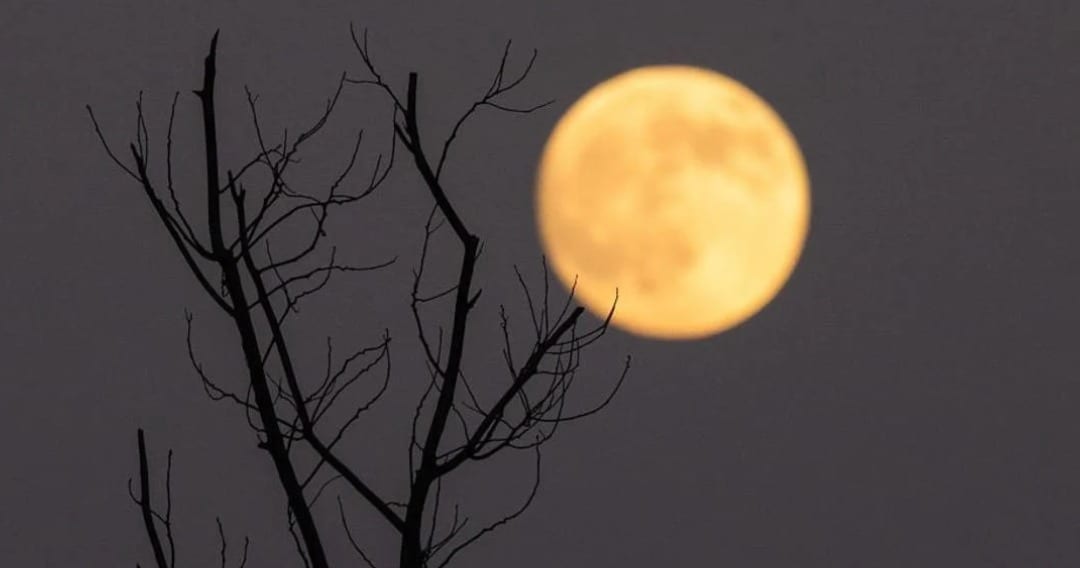
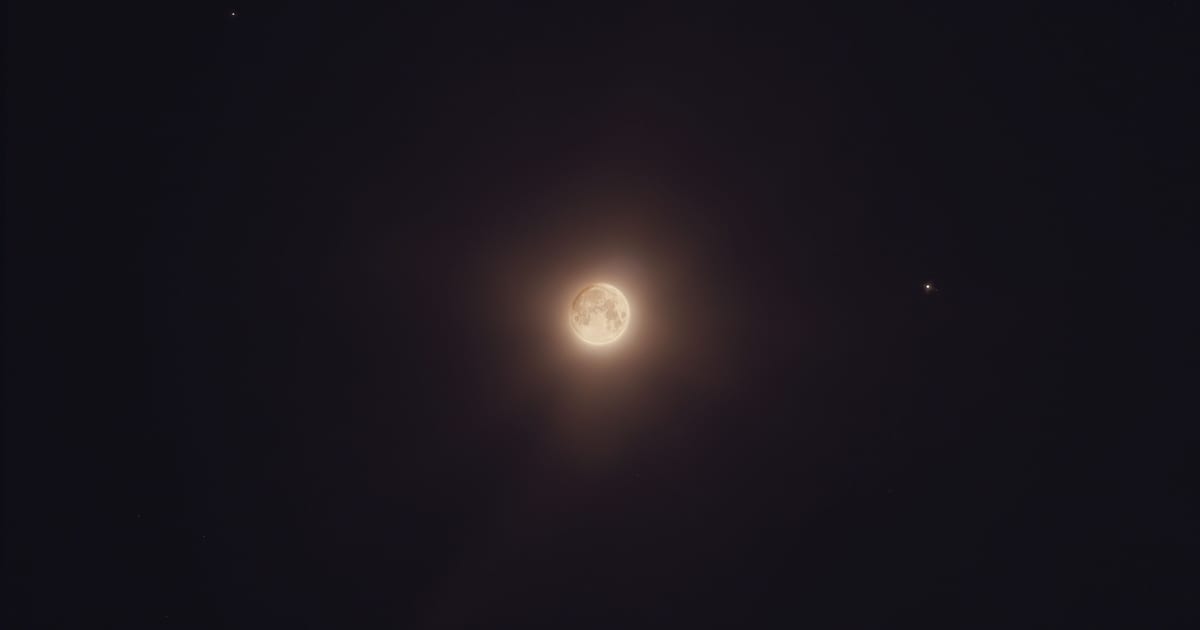
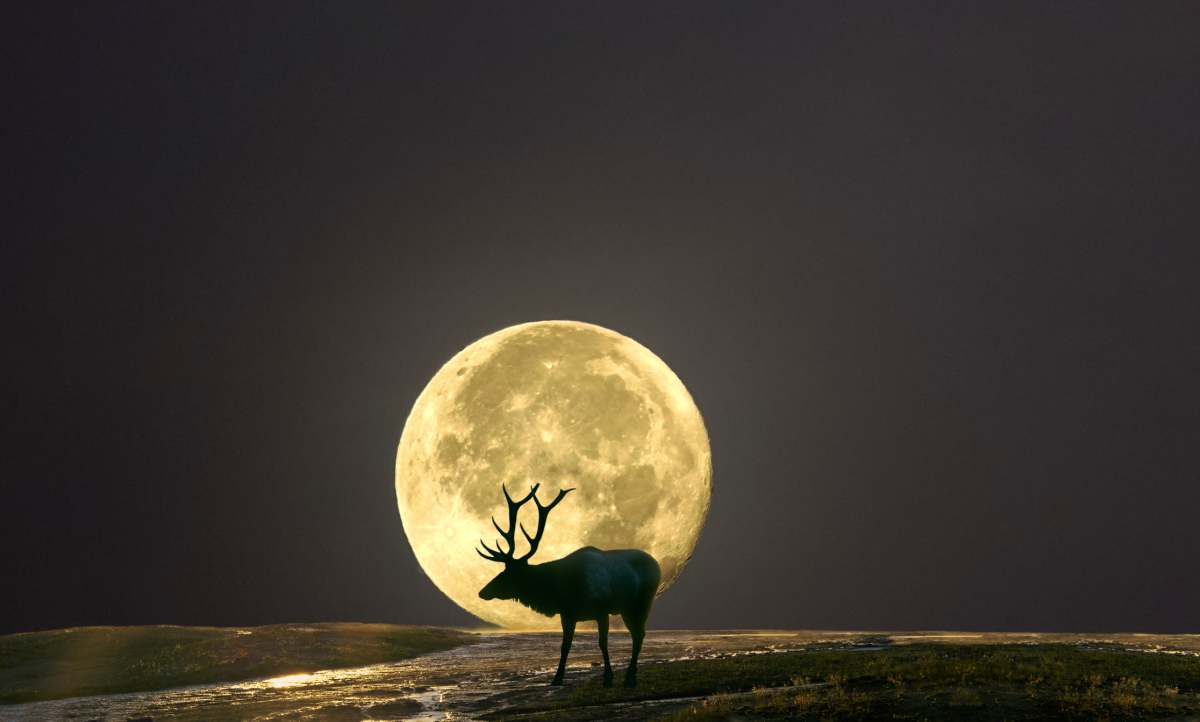
The Buck Moon is a Full Moon that will rise on July 29, 2026, reaching peak illumination at 10:36 a.m. EDT (14:36 UTC). However, this event could play spoilsport for some skywatchers, as the brightness of the Moon, orbiting roughly 248,311 miles away from Earth on that specific date, will completely drown out the glow of the Milky Way. Research shows that the amount of visible light on Earth's surface at night varies by about three orders of magnitude over the course of a lunar cycle.
While the vast majority of individual Milky Way stars visible to the naked eye are within a few thousand light-years of Earth, a few extreme hypergiants can be spotted up to 15,000 light-years away, a study shows. A stargazer in a dark-sky location can even spot the Andromeda galaxy without optical aid, despite it sitting some 2.5 million light-years away. But to see these distant wonders, you need truly dark skies. During a Full Moon, we are looking directly at the Moon's entire sunlit day side. Because the Milky Way's collective glow is far fainter than the light of most individual stars we can see, July 2026 offers only a limited window for observing our galactic core. The best time to look begins after the last-quarter moon on July 7 and lingers through the nights around the new moon on July 14.

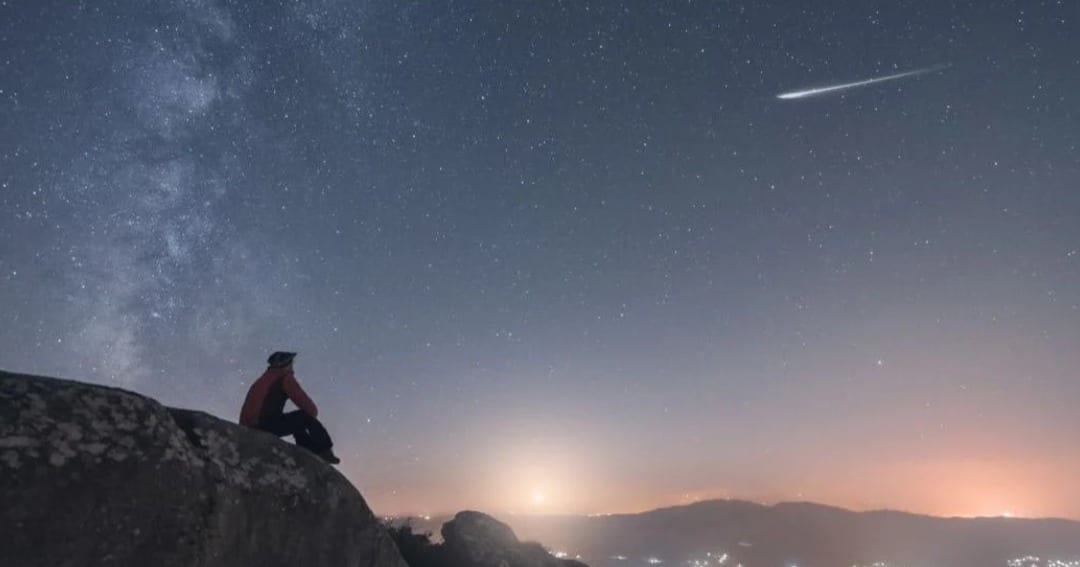
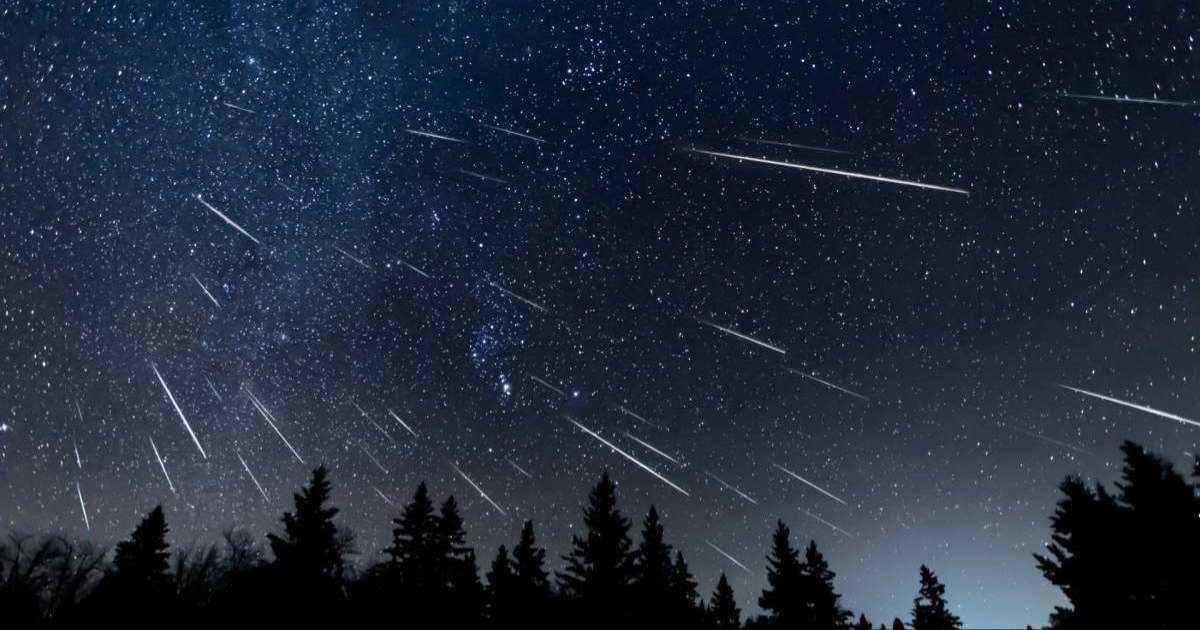
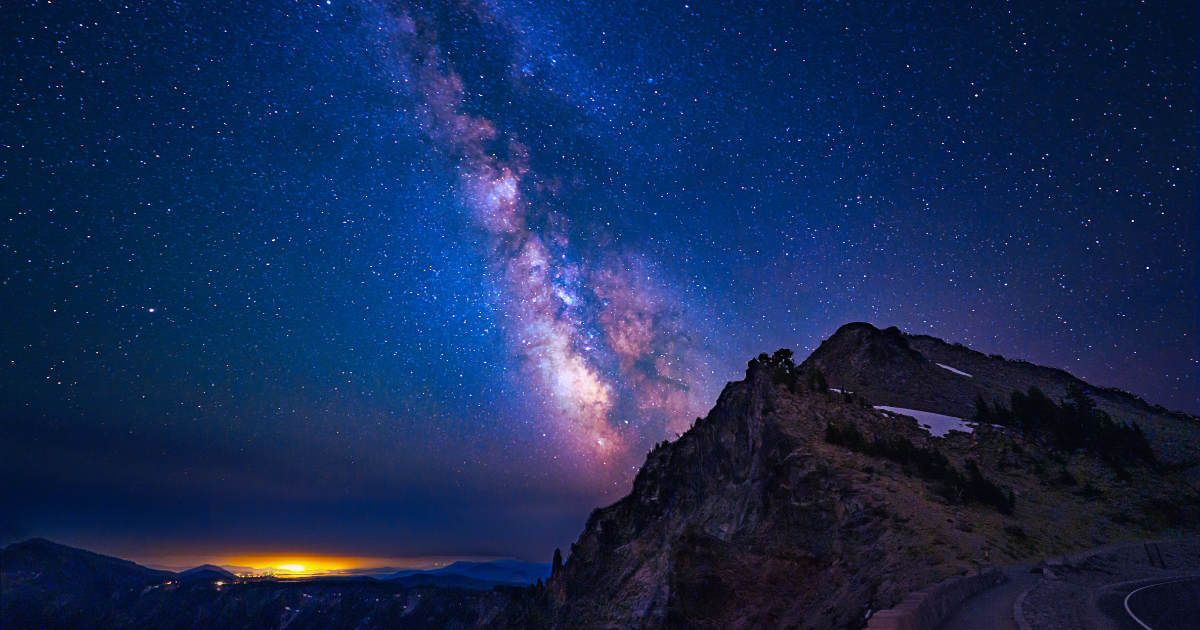
During the new moon phase, the Moon is positioned between Earth and the Sun. Its sunlit side faces entirely away from us, leaving only its unilluminated night side facing Earth. With the Moon's glare completely absent from the sky, the night grows exceptionally dark, allowing the Milky Way to slowly reveal itself. During this time, our galaxy emerges as a pale, uneven band rising from the constellations of Sagittarius and Scorpius, climbing high into the summer sky. While a completely moonless night is the ideal time to catch a glimpse of this starlight, you can also observe it during the hours when the Moon is below the horizon.
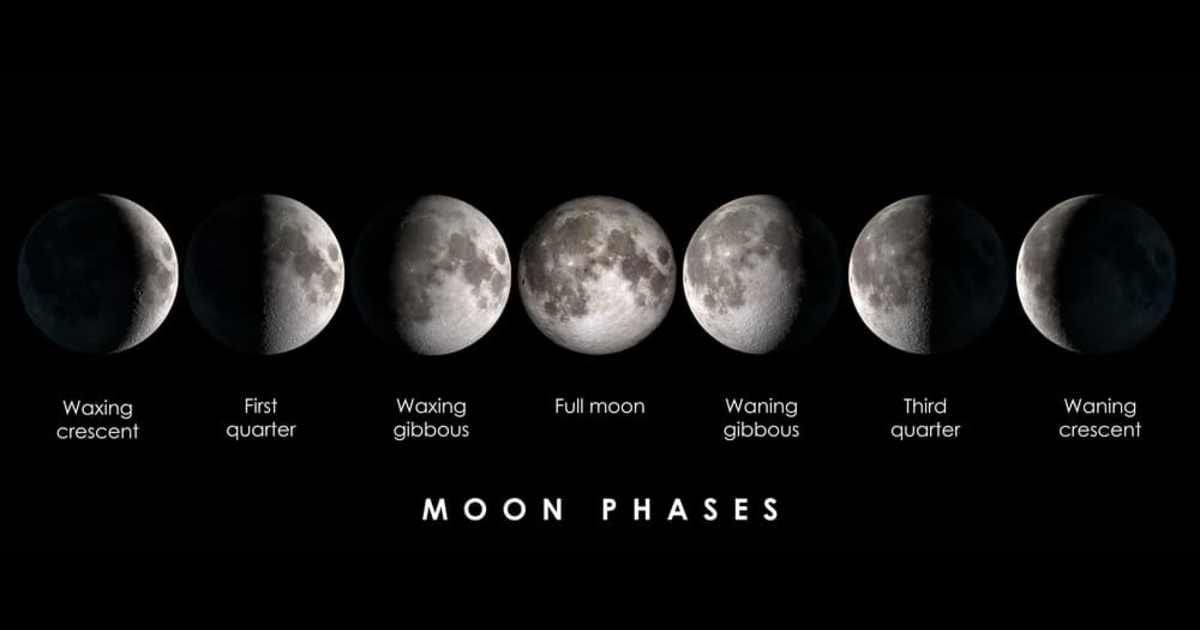
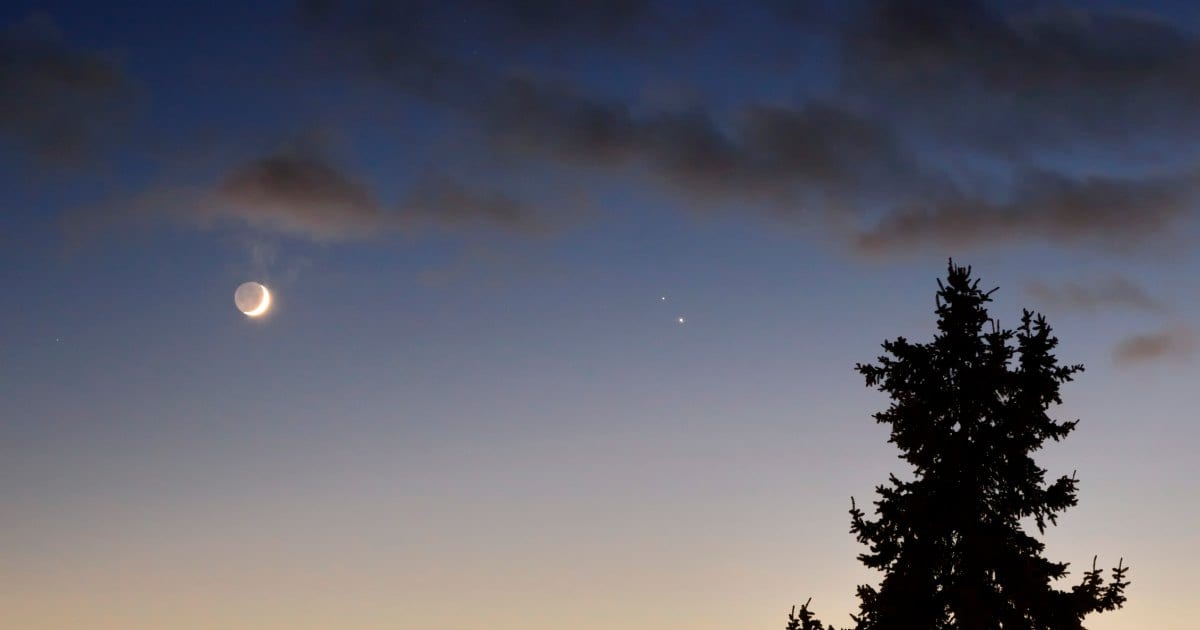
Although many skywatchers consider the week around the new moon to be the absolute best time for stargazing, a half-moon (when exactly half of the Moon's Earth-facing hemisphere is illuminated) is surprisingly only about one-tenth as bright as a Full Moon. Because it is far less luminous—due to the shadows cast by lunar craters and mountains at that angle—a half-moon does not wash out the night sky to the same extreme extent. If a crescent moon (where the sunlit half faces mostly away from Earth, leaving only a tiny sliver visible) is low on the horizon, the Milky Way can often still be seen with little difficulty. In addition, a half-moon sets relatively early in the night or rises relatively late, unlike a Full Moon, naturally providing several hours of dark skies perfectly suited for deep-sky viewing.
More on Starlust:
Buck Moon 2026: Five little-known facts about July's Full Moon
Why is July's full moon called the Buck Moon? Here's the meaning behind the name