Buck Moon 2026: What else can you see in the sky during July's Full Moon?

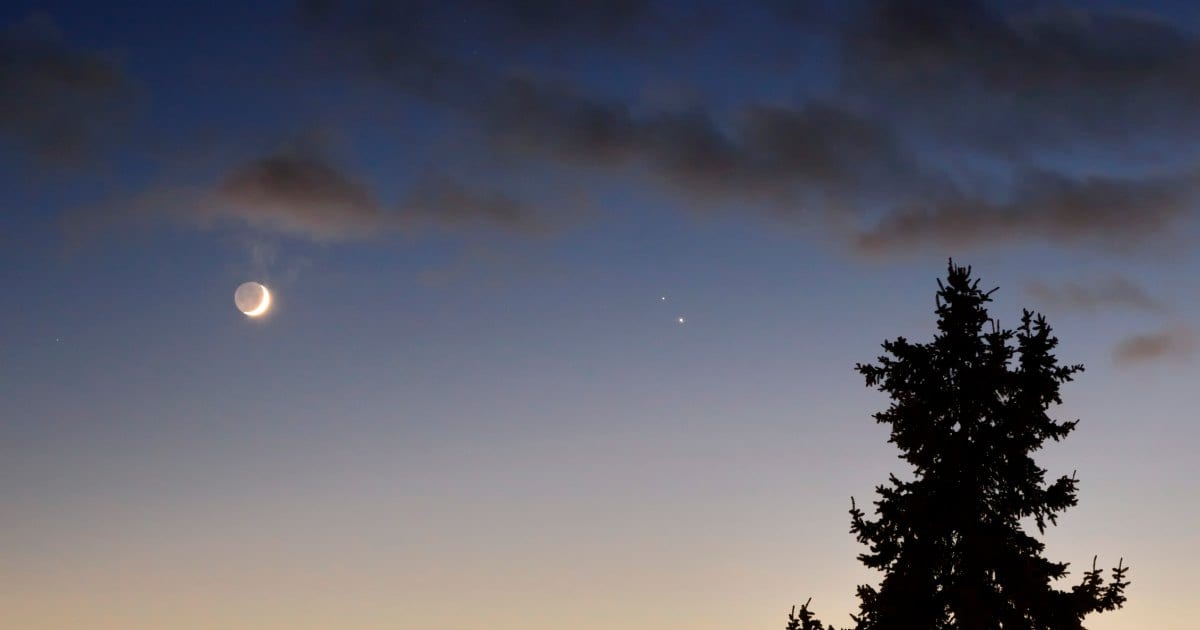
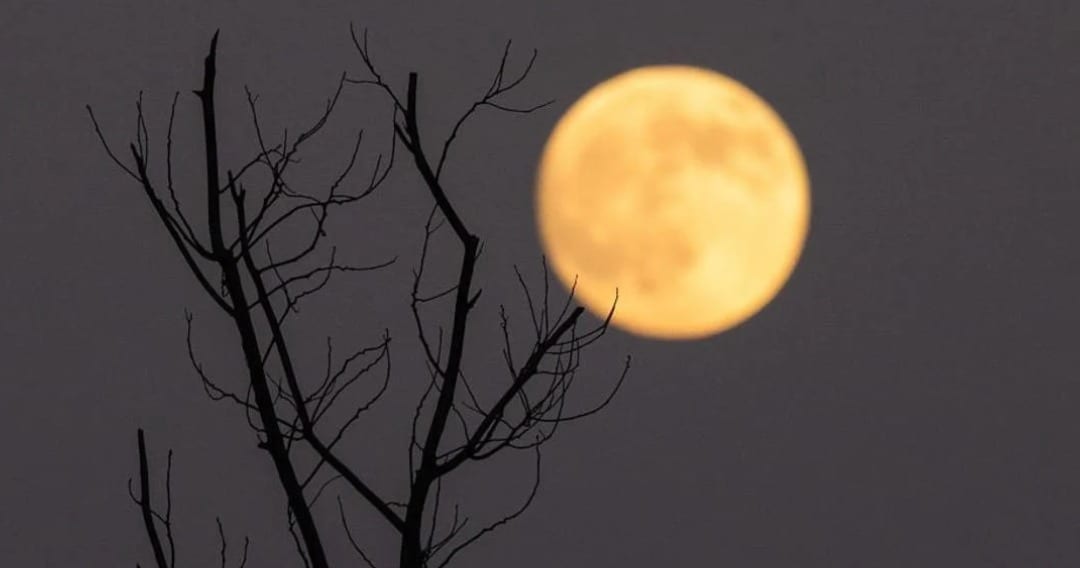
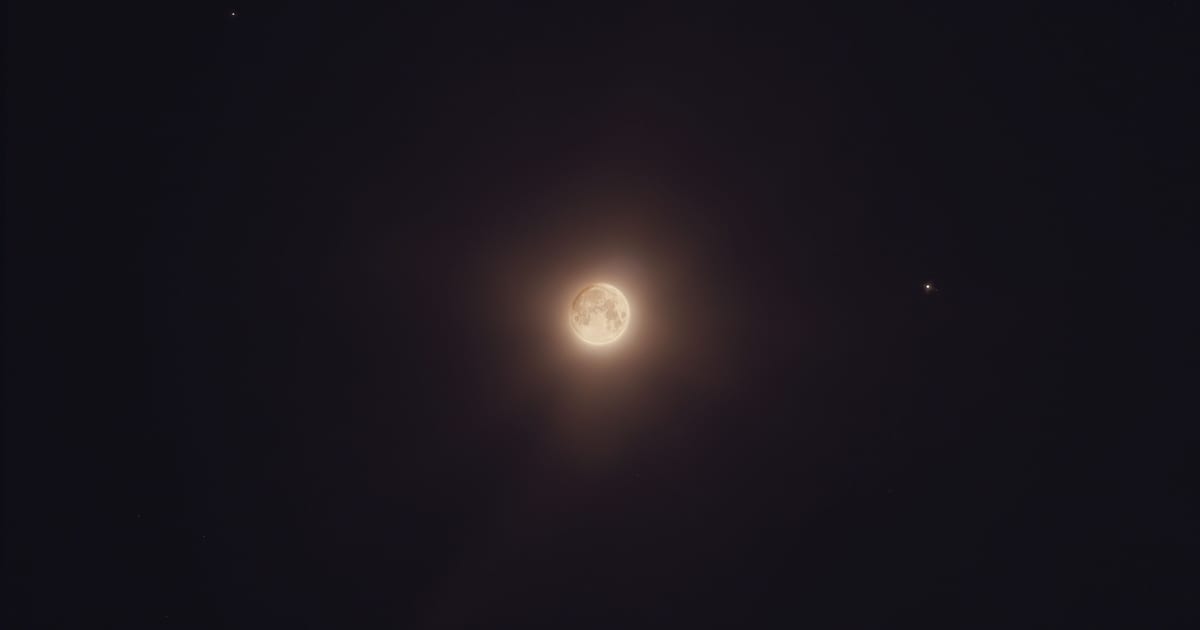
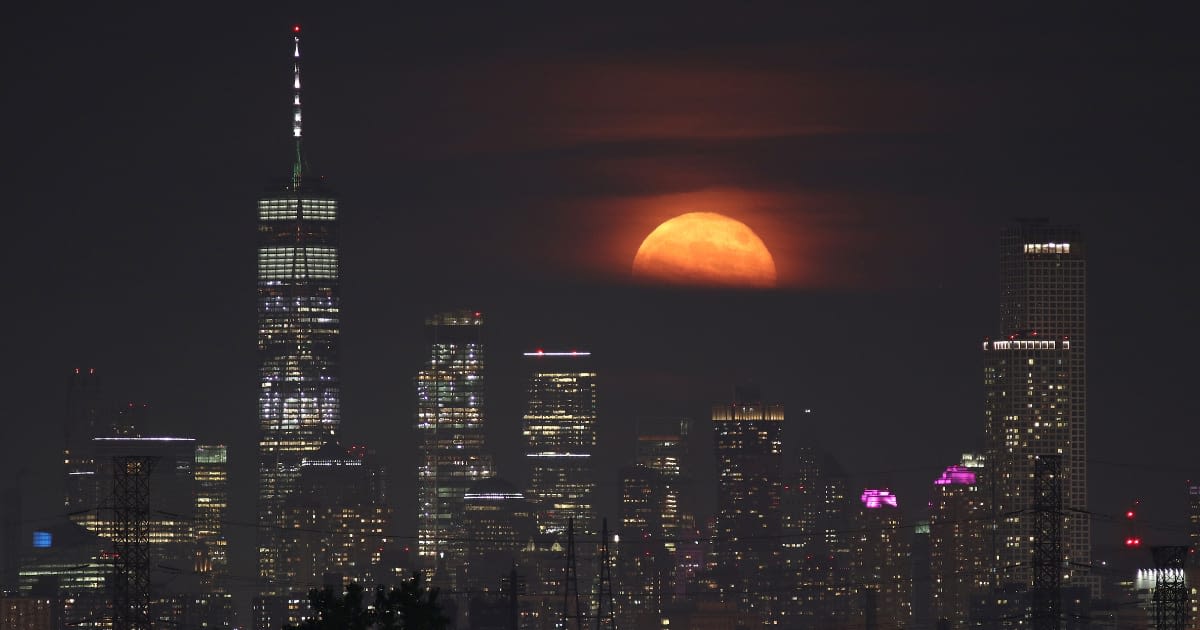
The end of this month is set to bring ideal views of the Moon's full face, with the Buck Moon making its appearance on July 29. The same, however, cannot be said about some of the other sightings around that time, as the Moon's brightness will interfere with their visibility. That said, with some guidance, one can still hope to spot a few things while looking up at the sky late in the month.
Saturn
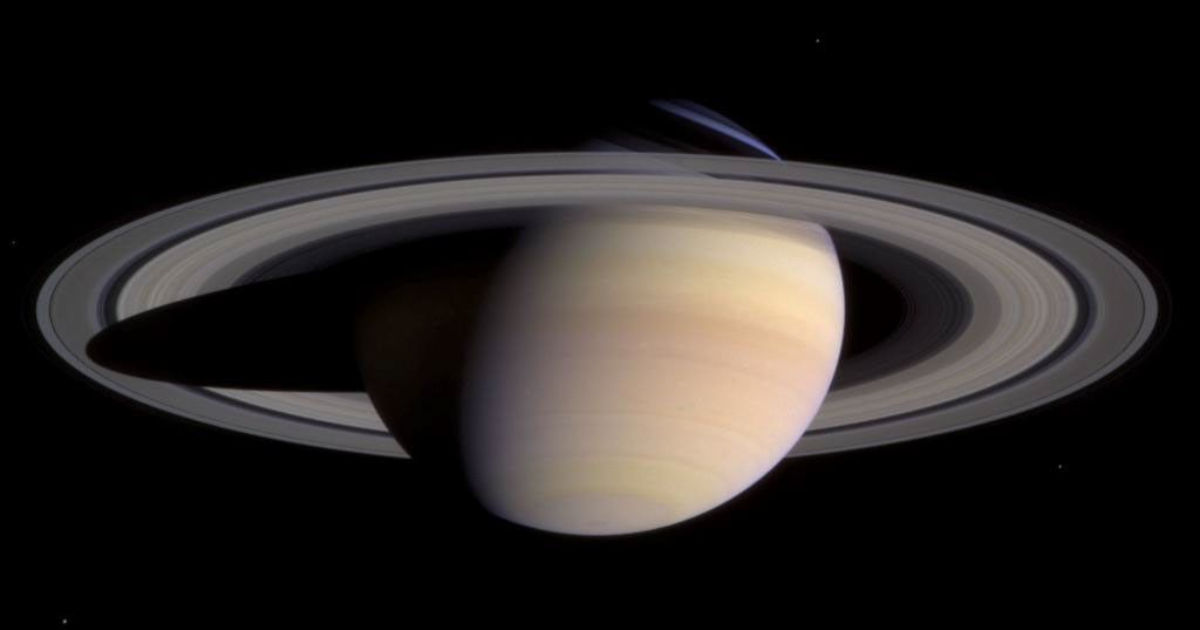
According to the BBC, the best time to see Saturn this month will be around 10 p.m. EDT on July 30, when the brightness of the Moon has reduced a little. The ringed planet will have brightened to a magnitude of +0.6 by the time, reaching an altitude of 30° in the southeast sky. It will be located in the constellation Pisces.
Uranus
The end of the month will also be the best time to see Uranus, with the planet hitting an altitude of 17° and a magnitude of +5.8 in the eastern sky at around 9:50 p.m. EDT on July 30. It will be located in the constellation Taurus.
Meteor showers
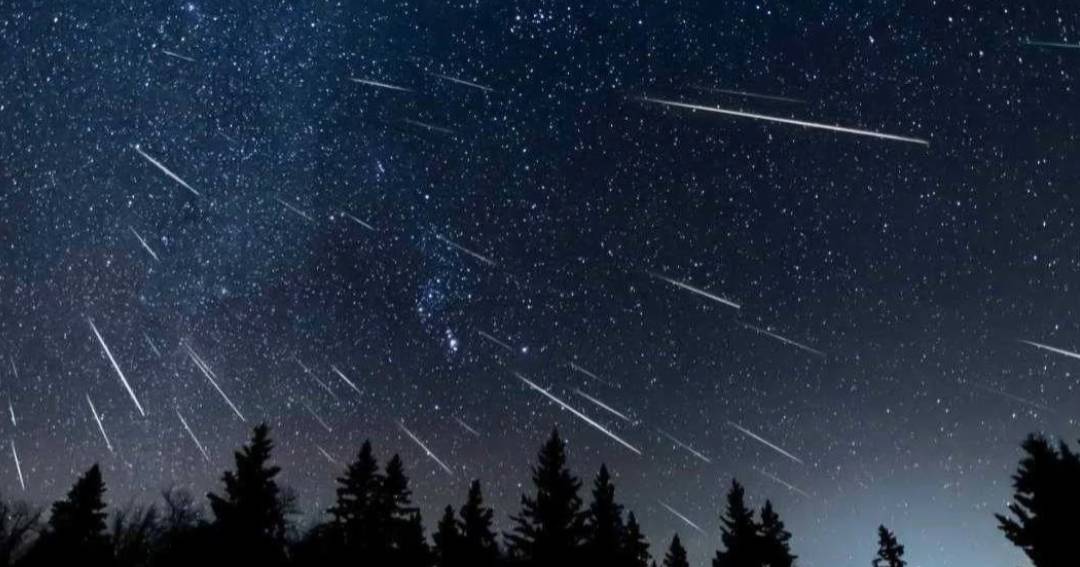
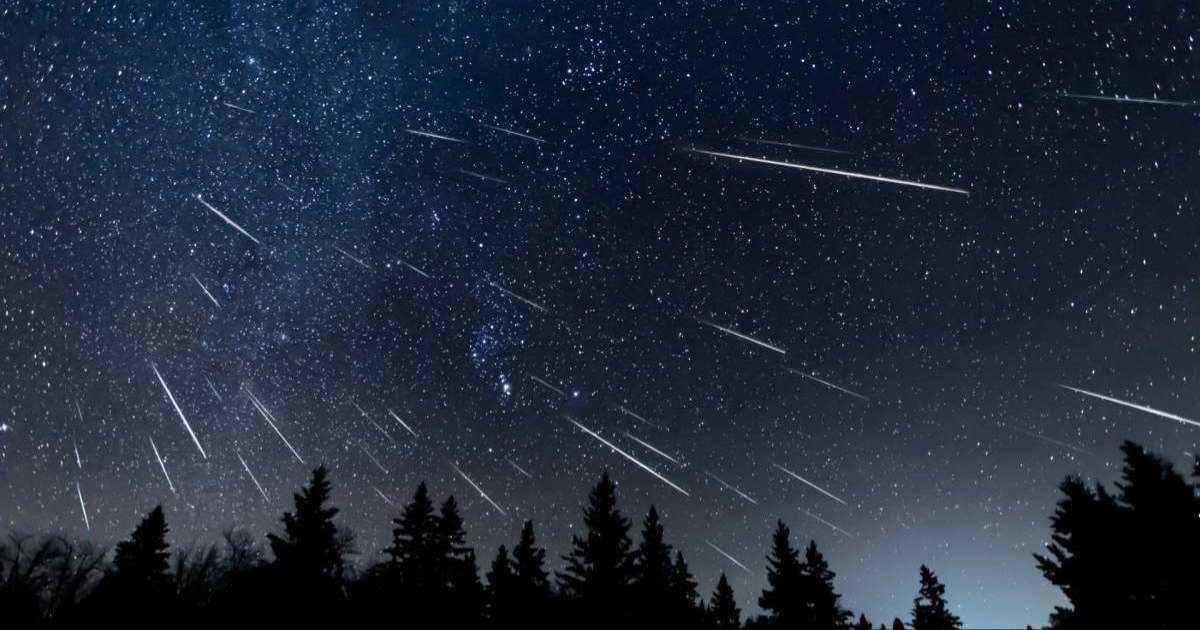
Two meteor showers are set to peak around the time of the Buck Moon. These are the alpha Capricornids and Southern Delta Aquariids. According to the American Meteor Society, both will peak between July 30 and 31, when the Moon will be 98% full, so visibility will be compromised.
On July 29, Jupiter will reach a solar conjunction, which will place it and Earth on opposite sides of the Sun. As a result, the largest planet in the solar system will be impossible to see in the weeks following the event.
More on Starlust
When to see the Buck Moon 2026? Check peak time, moonrise and best viewing times by city
Why is July's full moon called the Buck Moon? Here's the meaning behind the name