Aurora alert: NOAA issues fresh warning about incoming geomagnetic storm on August 19
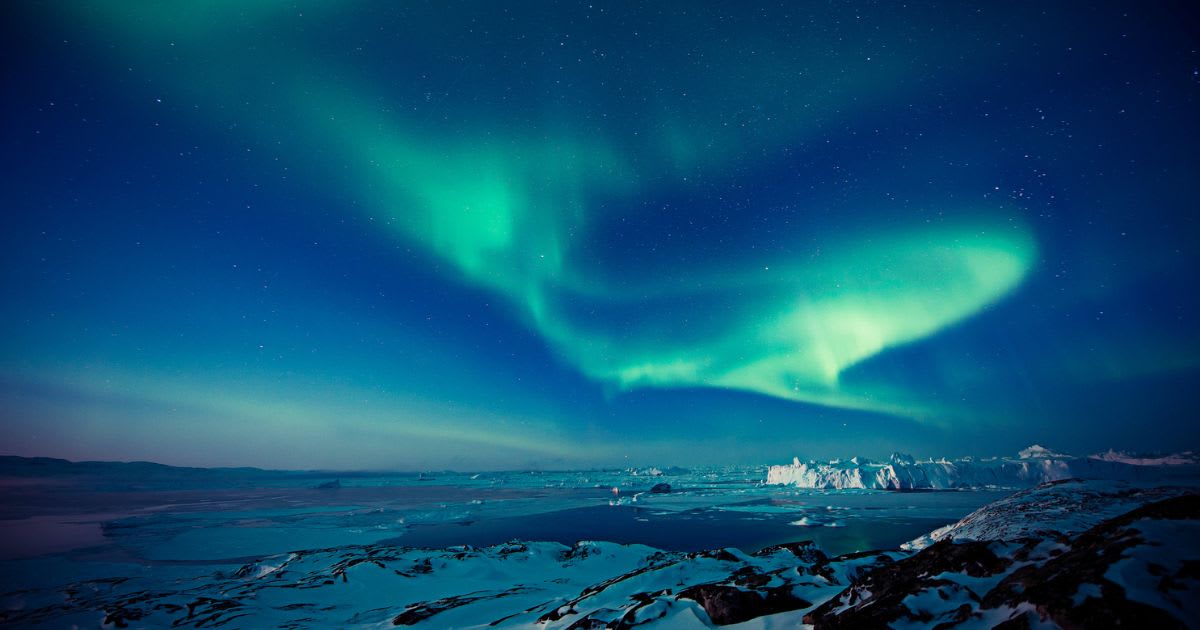
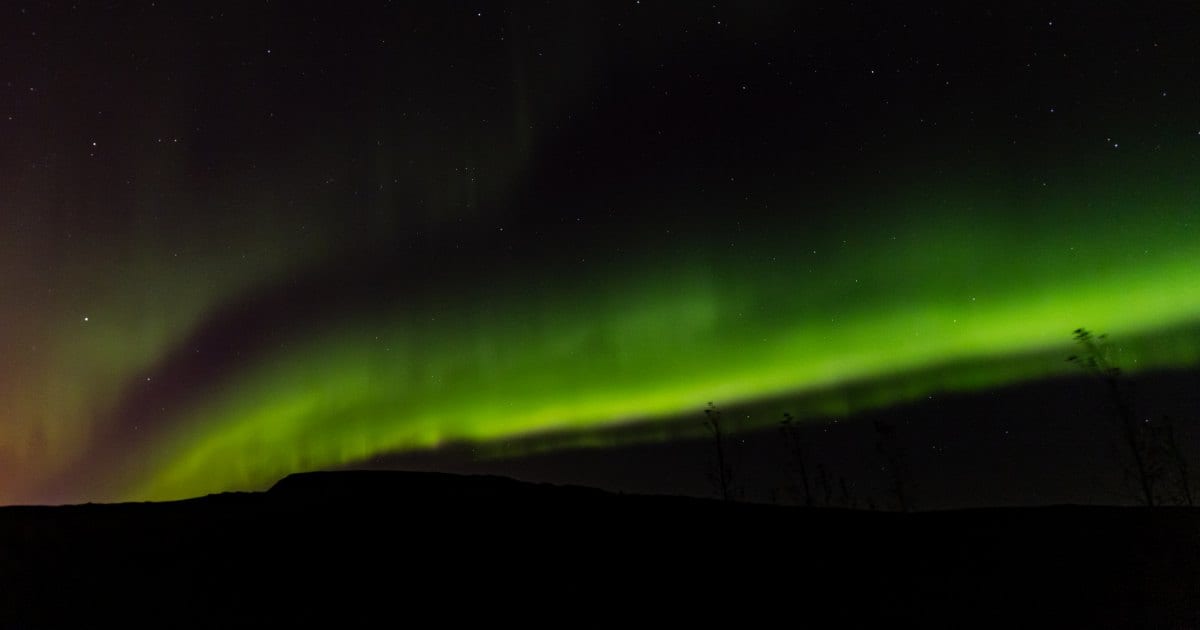
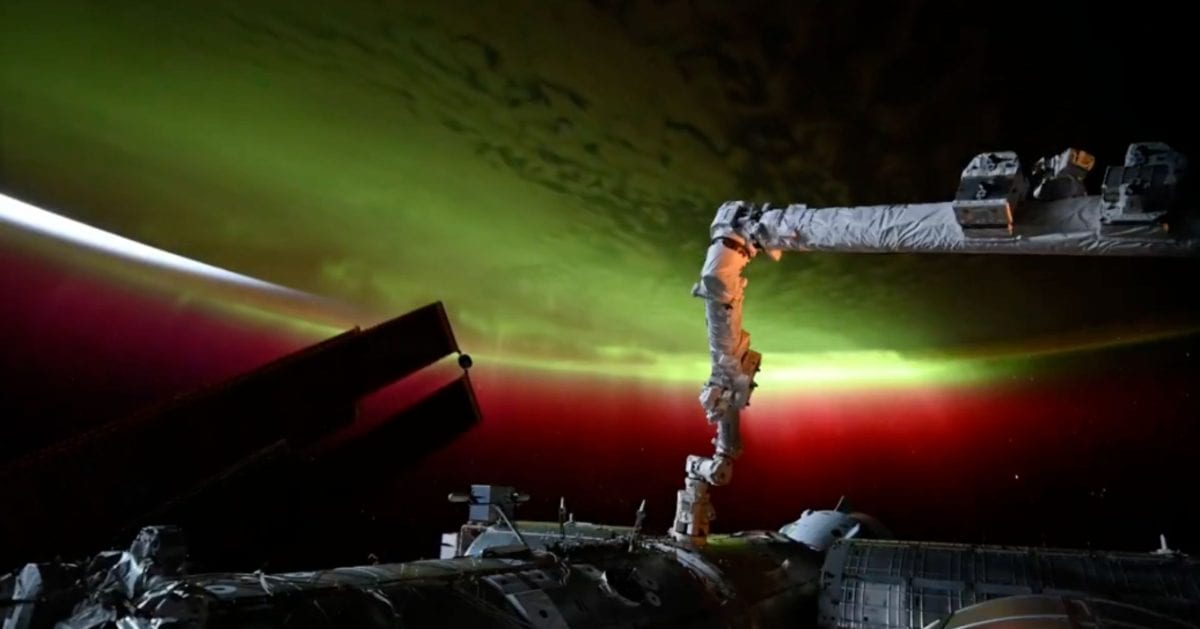
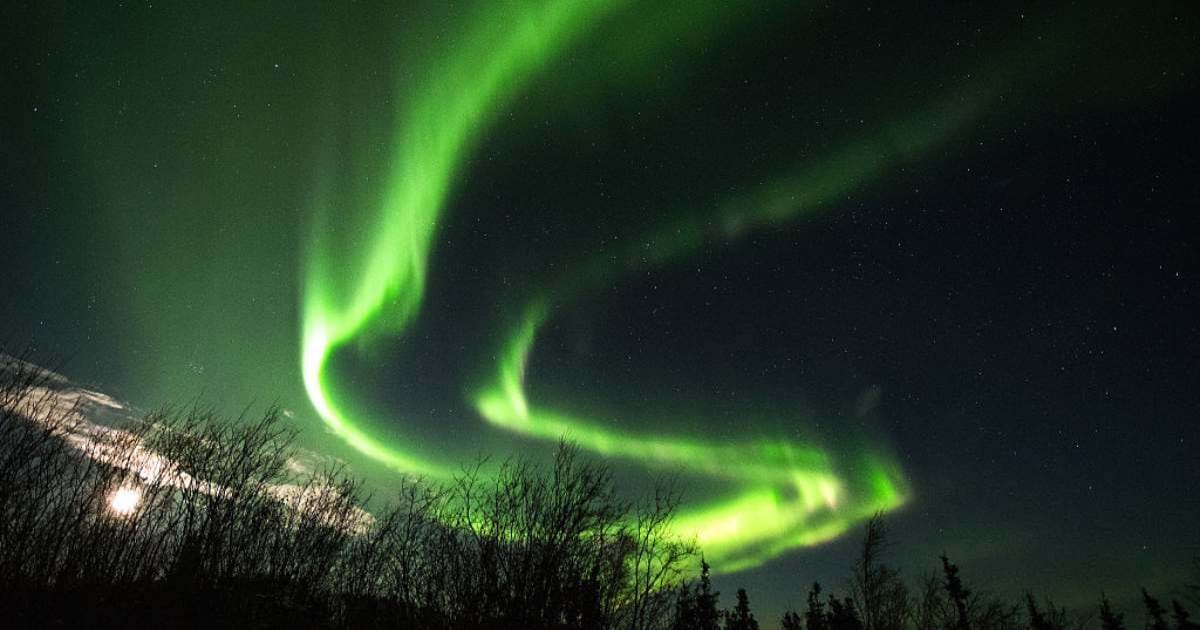
NOAA has issued a geomagnetic storm alert for the late hours of August 18, as well as the following evening on Wednesday. This means that aurora visibility is on the cards for residents of states like Michigan, Maine, and other US states that are situated at the northernmost latitudes. After a flurry of space weather events in recent days, NOAA's Space Weather Prediction Center states that this alert supersedes any previous ones that had been in effect—hinting at the certainty of the effects this alert describes.
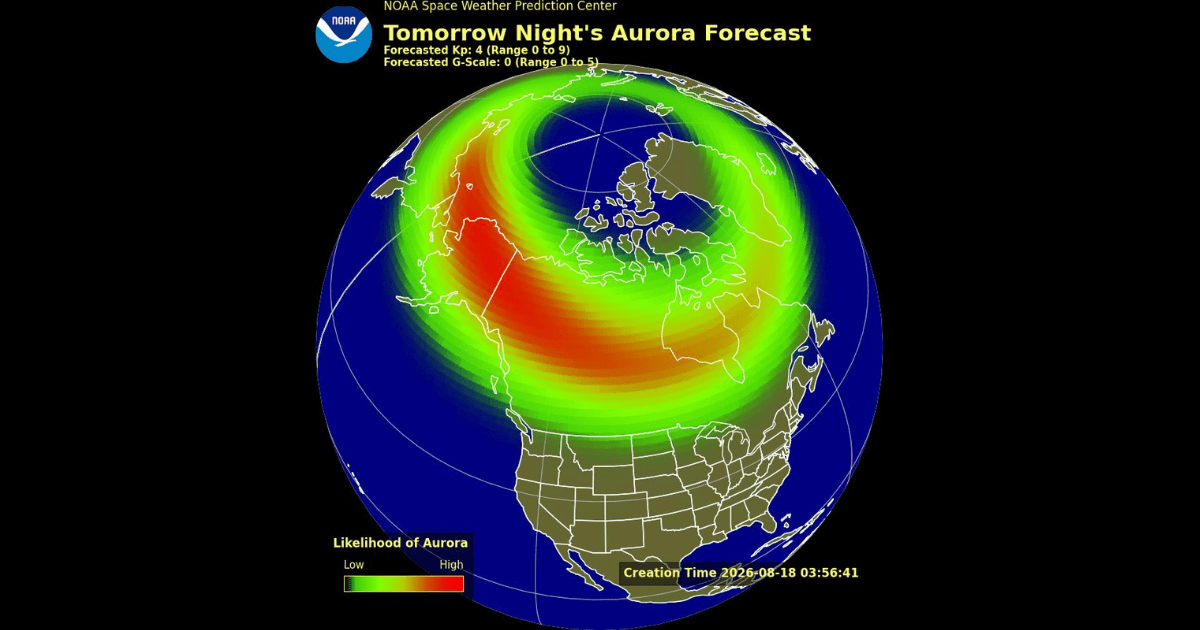
For one, auroras are set to peak at times between 10 pm CDT on August 18 and 4 am CDT on August 19, according to NOAA aurora predictions. Then on the same date, geomagnetic activity rising between 7 pm CDT and 10 pm CDT could also see another bout of auroral lights manifest. These timings are based on projections of the planetary index (Kp), which is one of the metrics used to describe geomagnetic activity. Ranging from 0 to 9, the aforementioned periods will see the Kp index rise above 4 on each occasion, peaking at 4.67 late on Tuesday—a threshold that officially triggers a G1 (Minor) geomagnetic storm.
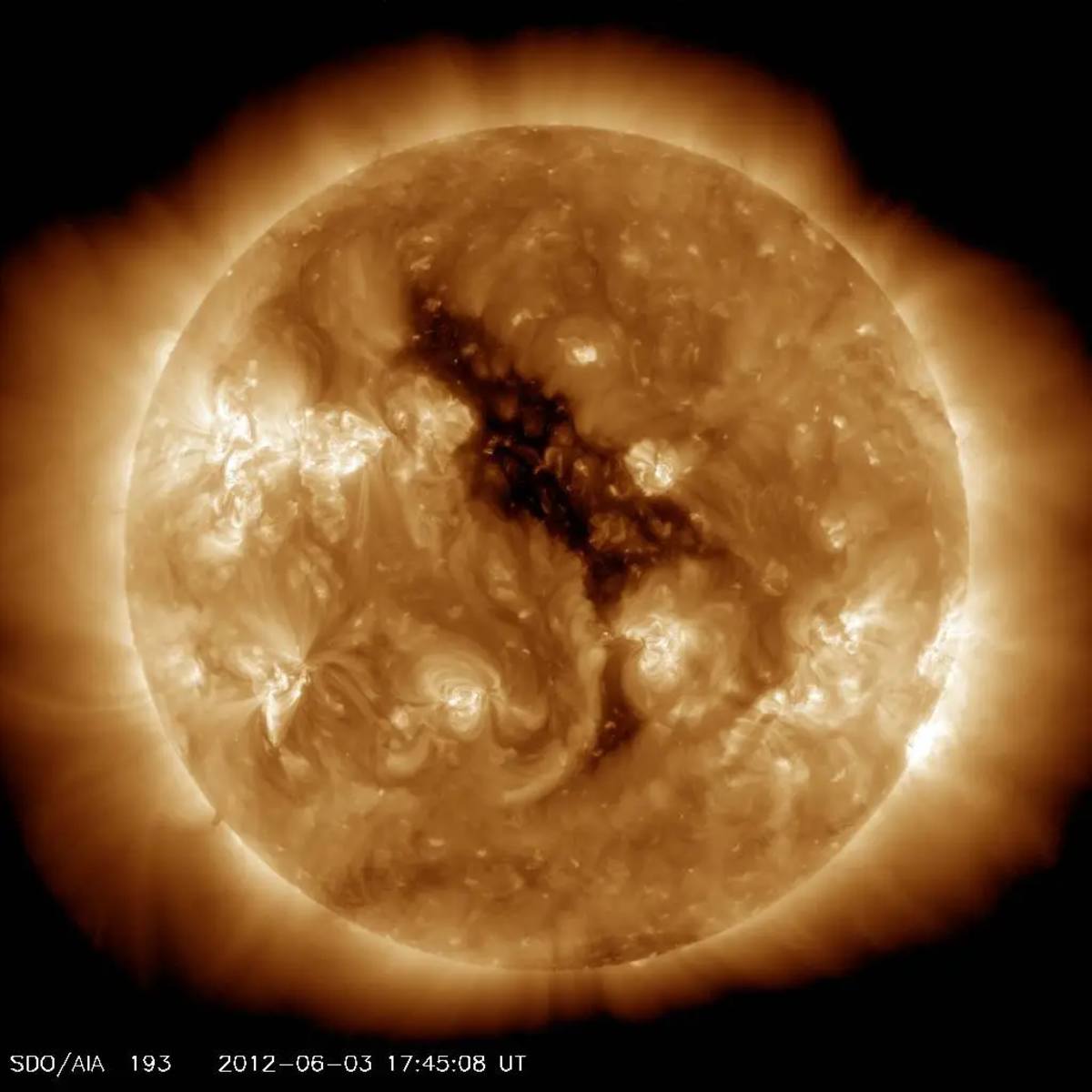
The other effects of the impending geomagnetic storm are less appealing. NOAA's alert states that due to currents induced in power grids, weak fluctuations may take place. Separately, due to overall heightened solar activity, a 35 percent probability of minor to moderate radio blackouts occurring has also been forecast for every day until Thursday. It is important to note that while radio blackouts are caused by X-ray flashes from solar flares, the geomagnetic storm itself will have been caused by a relatively fast stream of solar wind, known as a coronal hole high speed stream (CH HSS).
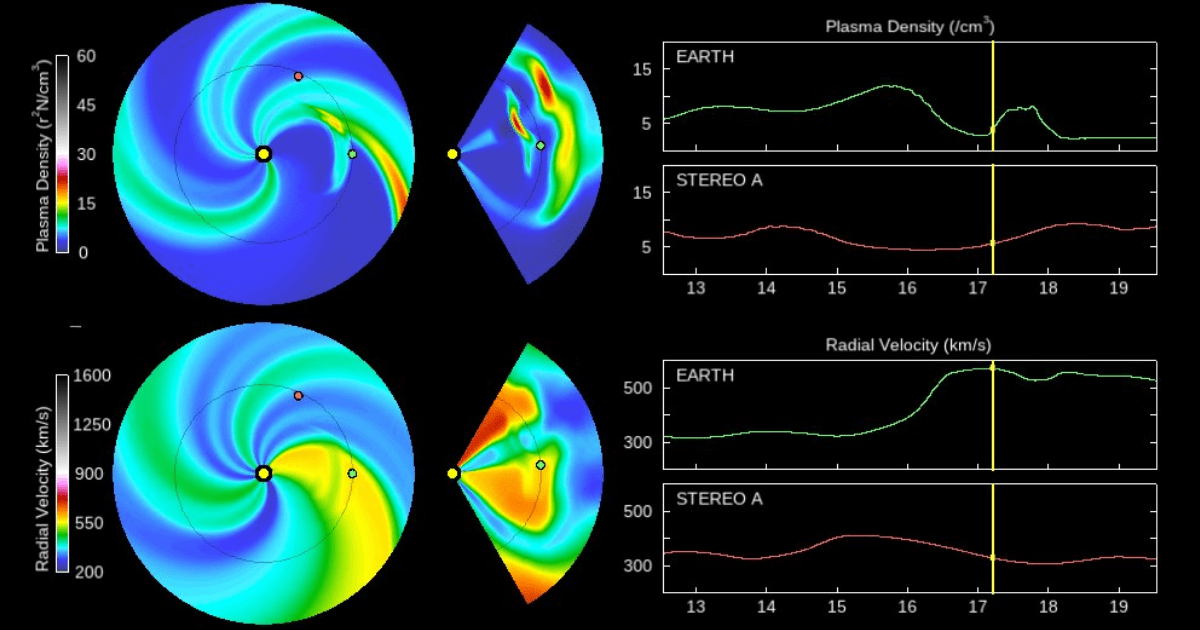
Such streams of solar wind escape from colder regions of less dense solar material on the Sun's surface, known as coronal holes. Moreover, because these coronal holes have open and unipolar magnetic fields, solar winds escape from these regions more easily, and the resulting streams travel through space much faster than the ambient solar winds around them. The impact of this stream is understood to have been mainly in areas 60 degrees poleward of the geomagnetic latitude.

How to photograph auroras
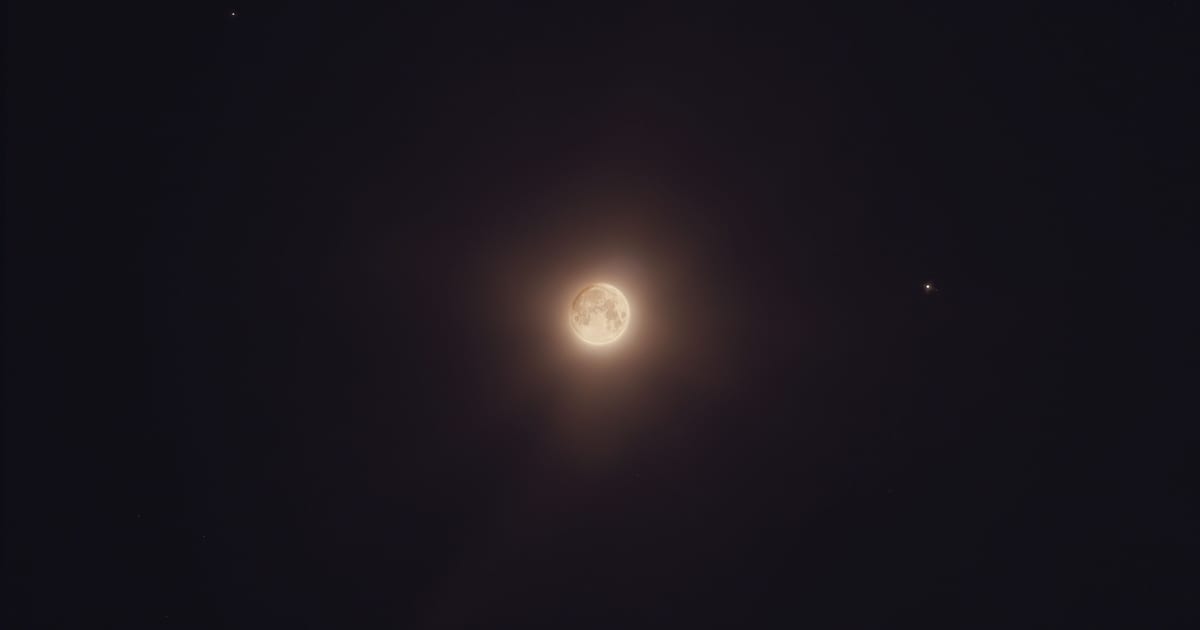
The Moon is still relatively dim in the night sky, with an illumination of about 33 percent as it goes through its waxing crescent phase. This should give photographers some opportunities to capture good pictures of the northern lights. The first tip would be to find a remote, light pollution-free location and to secure a tripod for stable photographs. One can either set the shutter speed to higher values for wispy lights or use short shutter speeds for sharper formations. The focal length should be adjusted to capture a wide swath of the sky, while the ISO (light sensitivity) should be set to higher values. Finally, one would be advised to take as many pictures as possible to experiment with which settings work best for local conditions and one's camera gear.
More on Starlust:
Data from NASA's MAVEN orbiter shows Mars gets Earth-like auroras—here's how
Auroras on Jupiter's moon Ganymede are not too different from those on Earth