Buck Moon 2026: Why July's Full Moon will look unusually large and golden on July 29
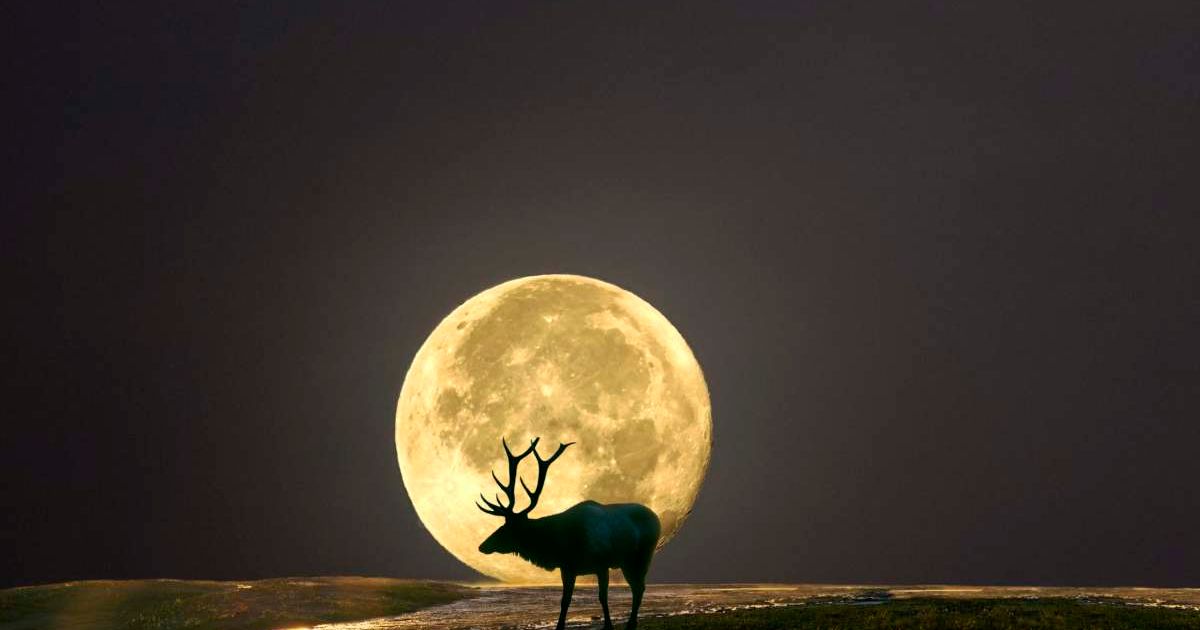
Here's what will happen when the Buck Moon rises on July 29, 2026.
A bull elk drinks from a tiny stream beneath a full moon in a meadow in Wyoming. This is a composite image. (Representative Cover Image Source: Getty Images | Buddy Mays)

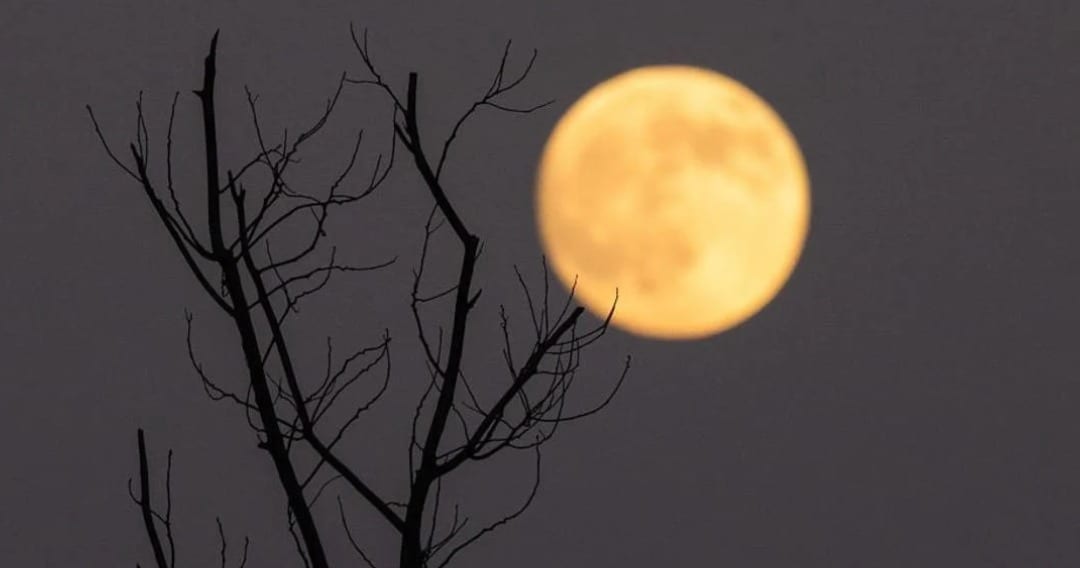
Skywatchers, get ready! This month’s Full Moon will reach its peak brightness on July 29, 2026, at 10:36 a.m. EDT (1436 GMT). The Buck Moon will be the second Full Moon of summer, as it arrives a month after June's Strawberry Moon, and it gets its name from the time of year when the velvety, growing antlers of male deer or bucks become visible. In addition to this, it’s also called the Thunder Moon, for the summer storms that can be common this season, or the Salmon Moon, which marks the salmon run in the Pacific Northwest. The Moon will appear large and golden as it rises on July 29. Here’s the reason why.
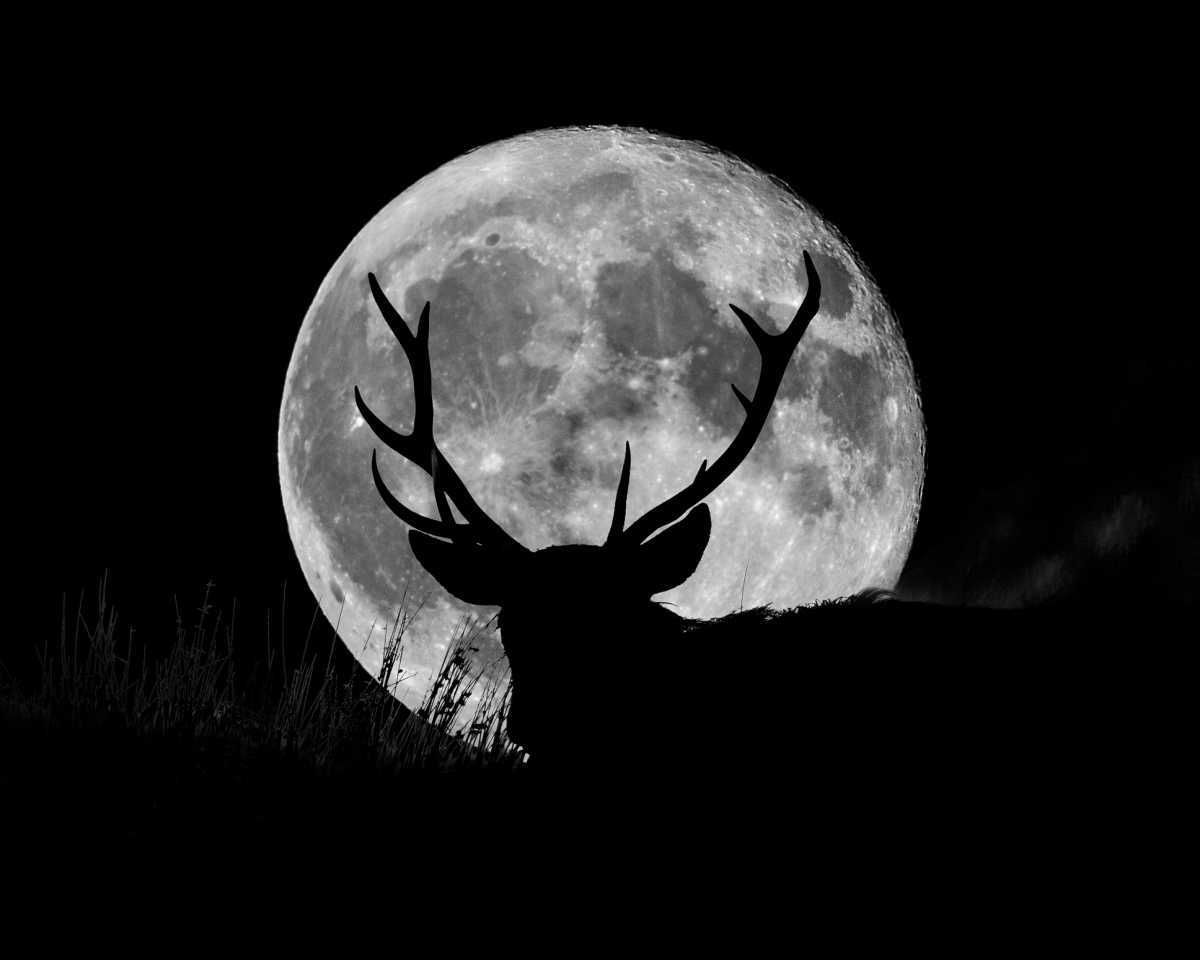
A full supermoon with the silhouette of a wild stag on a hill at night.
A full supermoon with the silhouette of a wild stag on a hill at night. (Image Source: Getty Images/john finney photography

What makes the Buck Moon glow gold near the horizon?

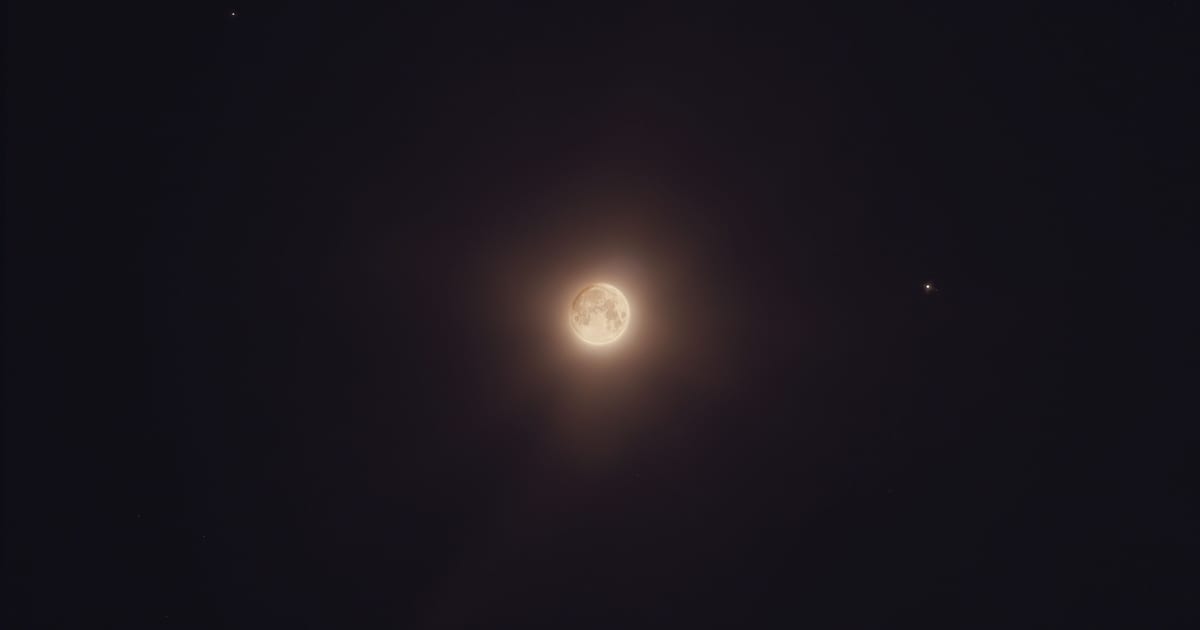
The reason comes down to science. When the Moon is low near the horizon, its light has to travel through a much thicker layer of Earth’s atmosphere than it does when the Moon is overhead. Along that longer path, shorter blue wavelengths of light get scattered away, while longer red and orange wavelengths pass through more easily and reach our eyes. This is what scientists call Rayleigh scattering. Dust or pollution in the air makes this reddish glow even stronger. 
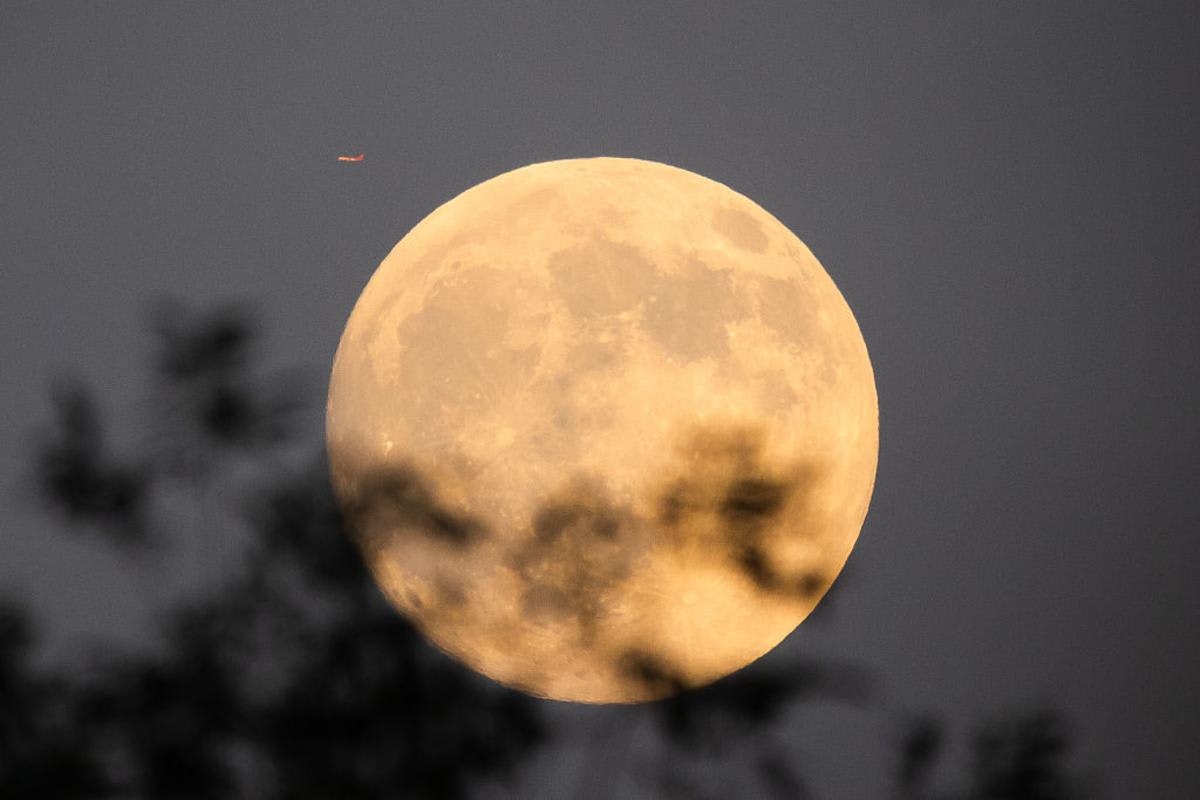
An airplane flies near the full moon as tree branches are seen in the foreground during the Mid-Autumn Festival on October 6, 2025, in Qianjiang, Hubei Province, China (Image Source: Getty | Cheng Xin)

Why will the Buck Moon look bigger than it really is?

As per NASA, this is just a trick of the brain, not physics. When we look at the Moon from where we are standing, nearby landmarks like buildings or trees can give our brain a false size reference. However, it ultimately comes down to how our minds naturally misinterpret the distance and scale of objects near the horizon. This cognitive quirk makes the Moon seem bigger than it really is.
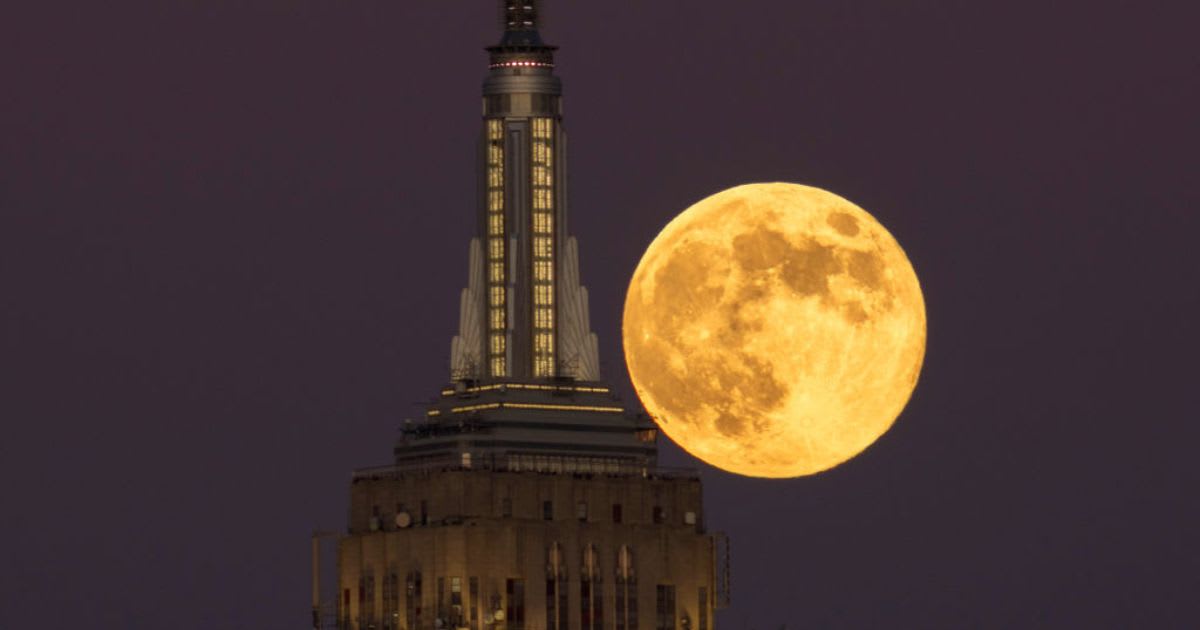
The full Beaver Supermoon rises behind the Empire State Building in New York City as the sun sets on November 15, 2024 (Representative Image Source: Getty | Gary Hershorn)

There’s also a way to test this illusion, shared by NASA: "Hold up your outstretched index finger next to the Moon. You'll find that your fingernail and the Moon are about the same size. Or try looking at the Moon through a paper tube, or bend over and look backward between your legs. When you view it like this, the Moon will be nowhere near as big as it had seemed."

More on Starlust:

July 2026 Full 'Buck Moon': Date, peak illumination time and everything skywatchers need to know

August 12, 2026 total solar eclipse to bring rare sunset spectacle—check the best viewing locations
MORE STORIES

Auroras could be visible in regions north of 60 degrees latitude. Here's what you need to know.
2 days ago
A look at some of the most prominent celestial sightings that are set to grace the sky late in the month of July.
2 days ago
Stargazers in the northern hemisphere are in for a celestial treat this August.
5 days ago
No mystical powers here—the Moon is just on its ordinary celestial schedule.
Jul 18, 2026
Next month, Greenland, Iceland, Russia, Spain, and Portugal will witness a rare total solar eclipse.
Jul 16, 2026
A few adjustments could go a long way in capturing July's Full Moon using your phone camera.
Jul 9, 2026
The Buck Moon is the second Full Moon of the summer. Here's how it'll affect stargazers.
Jul 9, 2026
Best viewing times shift by time zone. Here's exactly when to look up in your city.
Jul 8, 2026
Facts about the Buck Moon at a glance, from folklore to myth-busting science.
Jul 9, 2026
Beyond its many names, July's full moon also holds spiritual significance for people around the world.
Jul 7, 2026