Blood Moon 2025: How to watch the total lunar eclipse in the U.S. on September 7

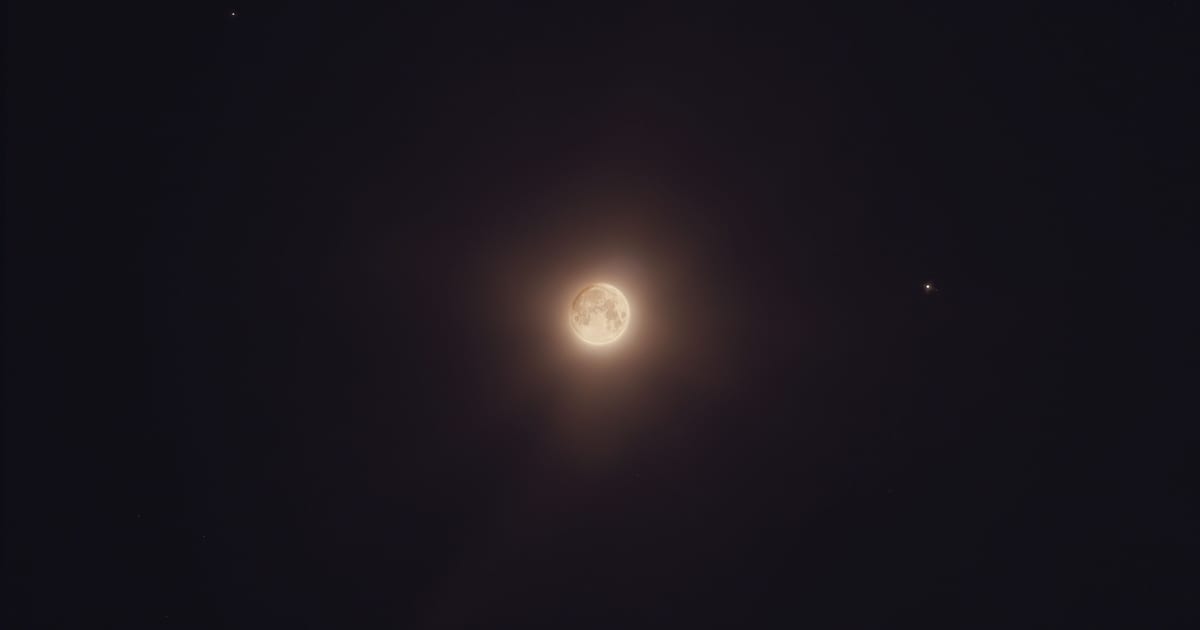
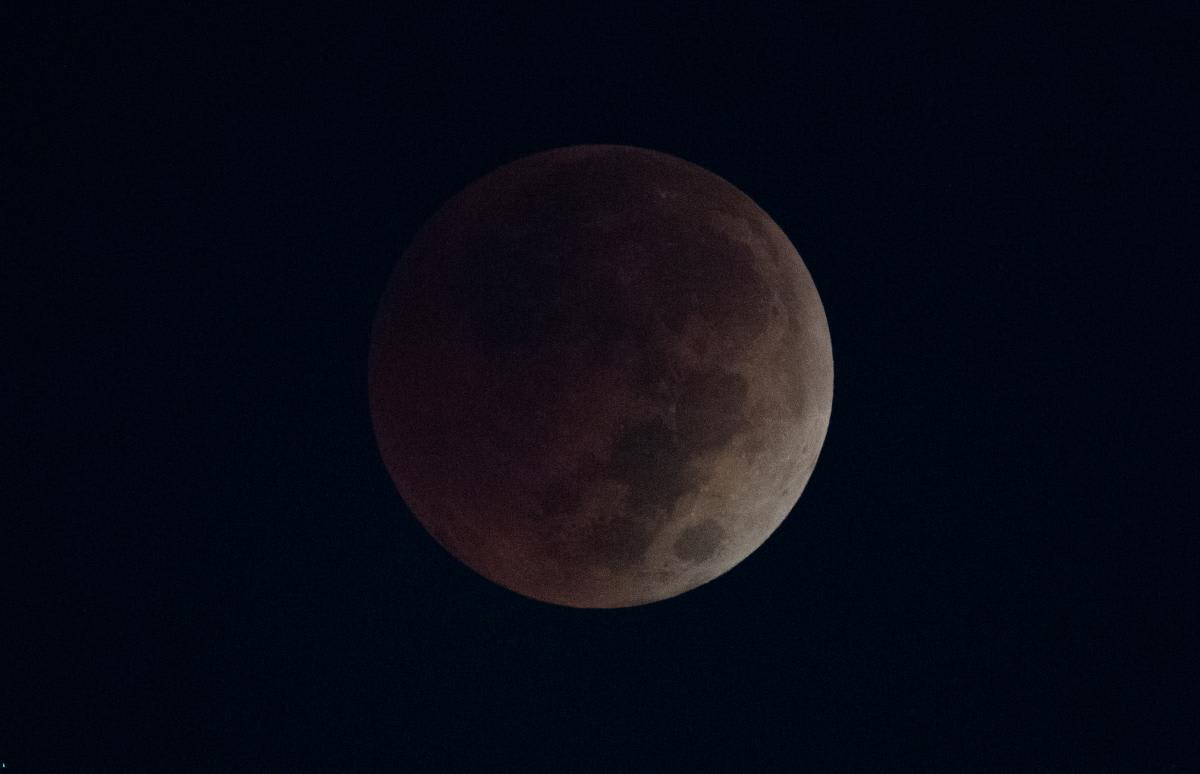
Skygazers across a significant portion of the globe are preparing for a spectacular celestial event this week, as a total lunar eclipse, the longest of its kind since 2022, is poised to unfold. Beginning on September 7, 2025, and extending into the following day, the moon will undergo a remarkable transformation, adopting a deep red hue for an impressive 82 minutes.
For residents of the Americas, the celestial show will unfortunately be out of sight. The moon will be below the horizon for the entire duration of the September 7-8 eclipse, making it invisible from those continents. However, observers in some countries, like the U.K., Spain and Brazil, will have the opportunity to catch a glimpse of some of the eclipse's early or late phases, even if they miss the dramatic totality. For those unable to see the eclipse in person, many credible online platforms will be live-streaming the event, offering a chance to witness the "Blood Moon" from anywhere in the world. The totality phase will begin at 13:30 EDT on September 7, with the moment of maximum eclipse occurring about 40 minutes later, at 14:11 EDT, and totality then ending after another 40 minutes.
Timeanddate.com offers a dedicated city lookup tool to pinpoint the eclipse's exact timings for any given location, and will also provide a live broadcast of the event, according to Wired. Alternatively, the Virtual Telescope Project, a well-regarded initiative founded by Italian astrophysicist Gianluca Masi, will be offering its own live broadcast of the lunar eclipse and the dramatic blood moon effect on YouTube. This ensures that even those not positioned for a direct view can experience the astronomical wonder as it unfolds.
While the event's different phases occur simultaneously for all observers, visibility is dependent on the moon's position above the horizon. Viewers in Asia and Western Australia are in for a treat, with the entire eclipse visible from start to finish. Conversely, those in Europe, Africa, Eastern Australia, and New Zealand will only witness partial views of the rare alignment.
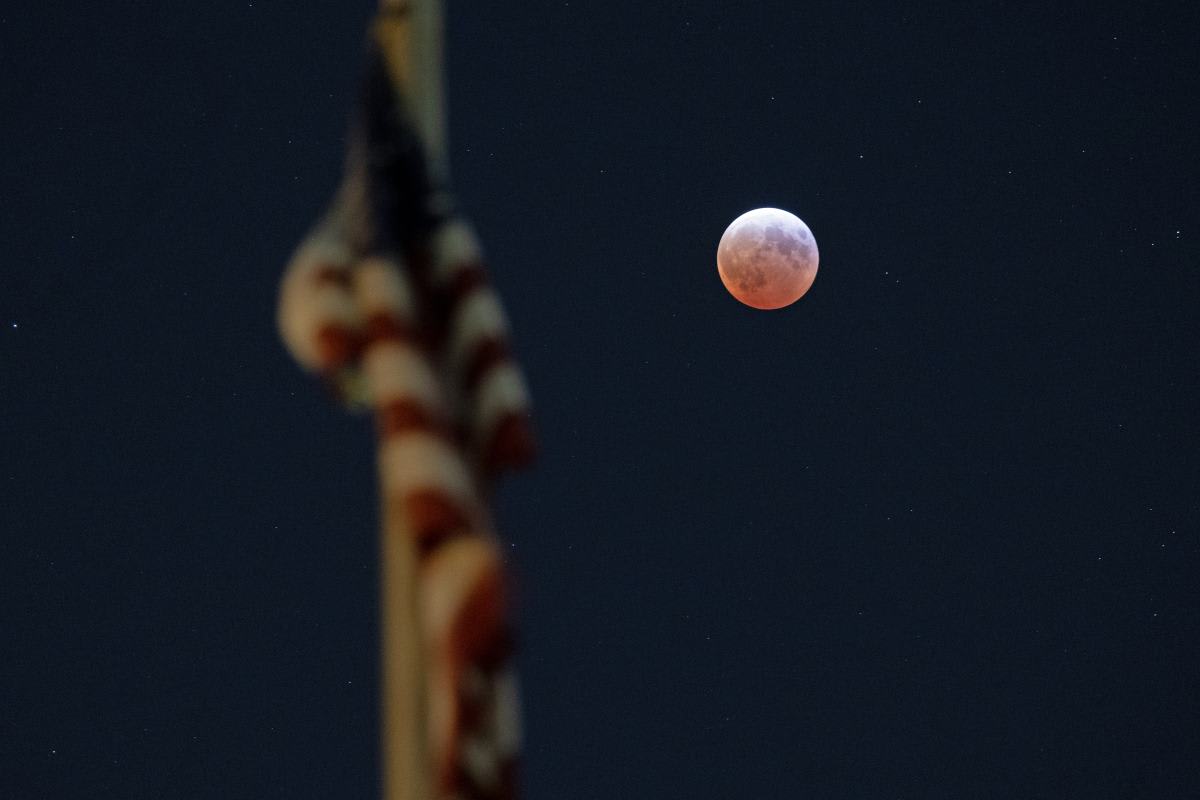
This astronomical spectacle is a result of a precise alignment: the Earth positioning itself directly between the sun and the moon, casting a shadow that cloaks our natural satellite. While the moon doesn't disappear completely, a phenomenon known as Rayleigh scattering takes over. The Earth's atmosphere filters out shorter blue light wavelengths, allowing longer red wavelengths to pass through and refract onto the lunar surface, creating the vivid crimson glow characteristic of a "Blood Moon." This same optical principle is responsible for the red colors seen during sunsets.
For those in the U.S. and other parts of the Americas who will miss out on this week's event, the next opportunity to witness a total lunar eclipse is not far off. The next "blood moon" will occur on the night of March 2-3, 2026, per Wired. This eclipse will be visible across North America, Australia, and East Asia, providing a much-anticipated spectacle for skywatchers. The September 7 lunar eclipse is significant because it's a rare and spectacular astronomical event, providing an opportunity for people worldwide to witness the unique "blood moon" phenomenon. For those who can't see it in person, the live streams provide a way to connect with a global scientific event, fostering a sense of shared human experience and curiosity about our solar system.
More on Starlust
The Moon will turn blood red this week—when and how to watch September's total lunar eclipse
Ahead of September 7 Blood Moon, effective tips for observing the total lunar eclipse