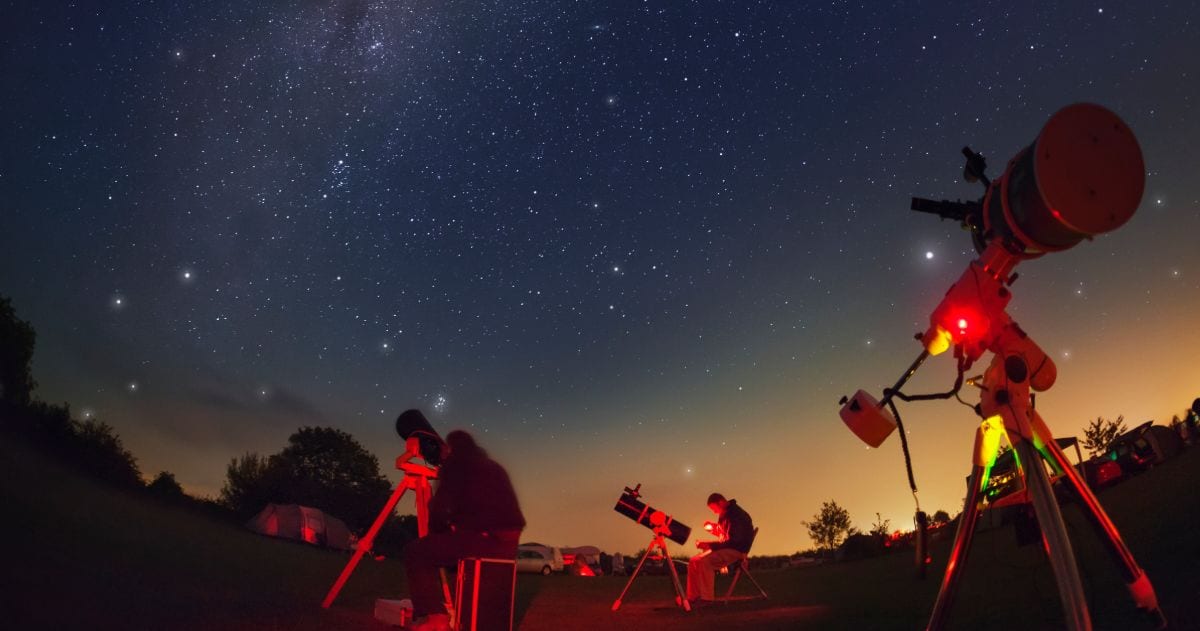
China’s top-secret space plane will pass over the U.S. this week: Here’s when and how to watch
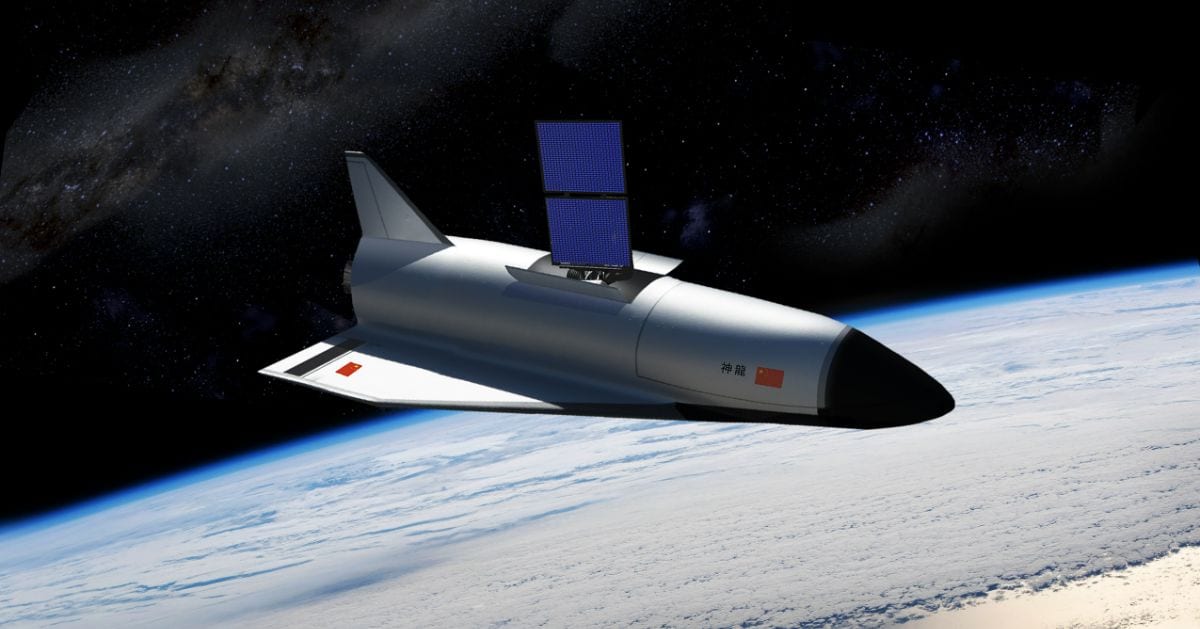
Skywatchers across the United States, set an early alarm! China’s Shenlong space plane will make several passes over the country between October 30, 2026 and early November 2026. Under good conditions, it will be bright enough to see with the naked eye. The spacecraft is on its fourth mission in orbit, and China has said very little about what it is doing up there.
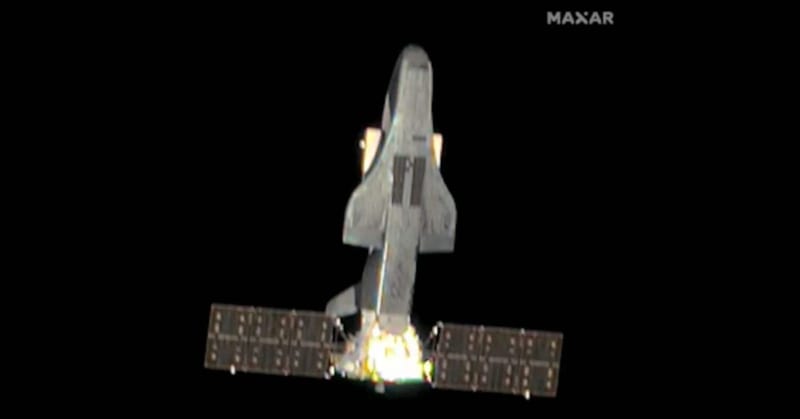
Recently, the U.S. Defense Intelligence Agency (DIA) released a clear close-up image of the plane, which was captured by geospace intelligence company Maxar Technologies in 2024. Shenlong is a reusable spacecraft that launches on a rocket and later returns to Earth for a runway landing, much like the military’s X-37B space plane. China’s space agency has said it is testing technologies that “will pave the way for more convenient and affordable round-trip methods for the peaceful use of space in the future.”

When can you watch China’s space plane in the sky?
According to satellite-tracking site Heavens-Above, the promising high-altitude passes are expected for four major US cities. It’s important to note that the time listed below is approximate and may change.
City | Date | Expected viewing time |
New York | November 1, 2026 | 5:20 to 5:28 a.m. EST |
Chicago | November 3, 2026 | 4:37 to 4:42 a.m. CST |
Denver | November 2, 2026 | 5:05 to 5:12 a.m. MST |
Los Angeles | November 2, 2026 | 5:42 to 5:51 a.m. PST |
New York | October 31, 2026 | 6:13 to 6:20 a.m. EDT |
New York | November 2, 2026 | 5:28 to 5:37 a.m. EST |
Chicago | October 31, 2026 | 6:50 to 6:59 a.m. CDT |
Chicago | November 2, 2026 | 4:29 to 4:34 a.m. CST |
Denver | November 1, 2026 | 4:57 to 5:04 a.m. MST |
Denver | November 3, 2026 | 5:13 to 5:20 a.m. MST |
Los Angeles | November 5, 2026 | 4:29 to 4:35 a.m. PST |
Los Angeles | November 6, 2026 | 4:38 to 4:43 a.m. PST |
If your city isn’t listed, you can find your own viewing times on the Heavens-Above website via the direct link here. Just enter your location in the top-right section and search for “PRC TEST SPACECRAFT 4." Then click on “visible only” to see upcoming passes.

What will the space plane look like in the night sky?
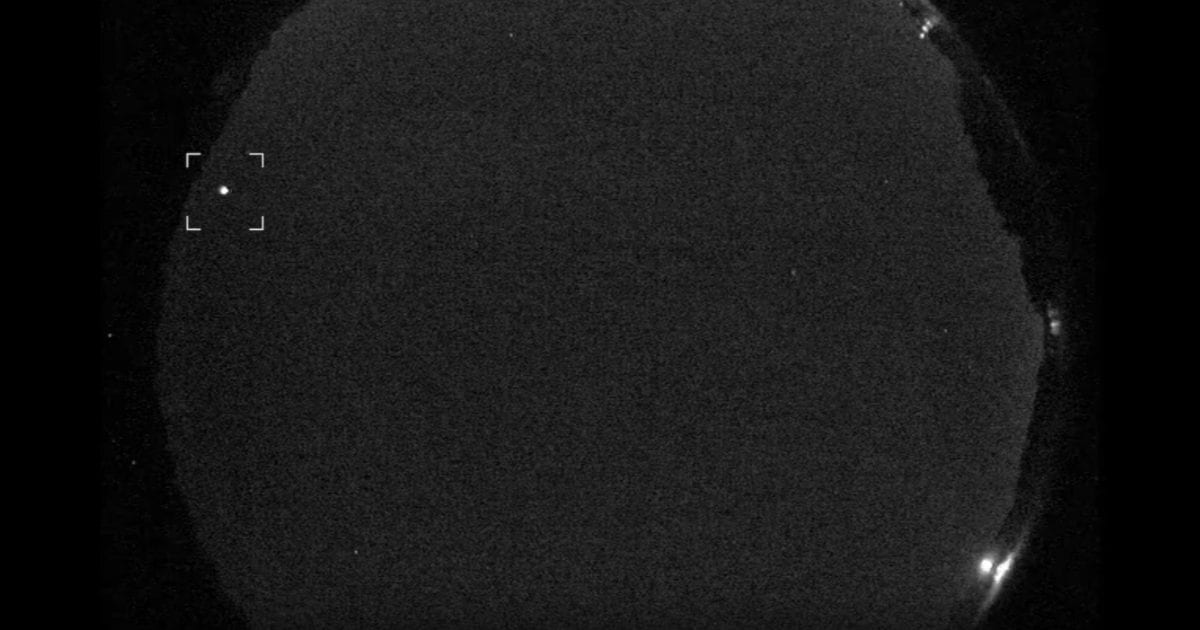
From the ground, Shenlong should look like a small point of light travelling across the sky at a steady pace. Its appearance may become brighter or dimmer at different times. According to a report by Spaceweather.com, Maley observed the spacecraft during a satellite-watching session in Paarl, South Africa, in February 2026. Shenlong can be bright enough to see without any equipment, Maley reported, particularly when there is no moonlight and the sky is dark. However, it may become much harder to pick out at times. Moving away from brightly lit areas can help.