Aurora alert: NOAA issues geomagnetic storm watch for U.S. till August 29 after recent solar eruption

The National Oceanic and Atmospheric Administration (NOAA) has issued a geomagnetic storm watch till August 29 in relation to a solar eruption that took place on August 25. The anticipated arrival of the coronal mass ejections (CMEs) that the explosion sent towards Earth is expected to trigger G2 (moderate) geomagnetic storms on August 28 and 29. NOAA’s Space Weather Prediction Center also reported that a coronal hole high speed stream (CH HSS) could arrive ahead of the CMEs and result in a G1 (minor) geomagnetic storm today, August 27.
Geomagnetic activity in response to CMEs that departed the Sun on 25 Aug is now anticipated to extend into 29 Aug. A G1 (Minor) geomagnetic storm watch remains for 27 Aug for expected CH HSS influences and a G2 (Moderate) geomagnetic storm watch is now active for 28-29 Aug. pic.twitter.com/xgOraPPqKh
— NOAA Space Weather Prediction Center (@NWSSWPC) August 26, 2026
For context, a coronal mass ejection is the expulsion of charged particles from the Sun’s corona (outer atmosphere), whereas a high speed solar stream is fast solar wind emerging from a coronal hole (a dark, less dense area) in the Sun's corona.
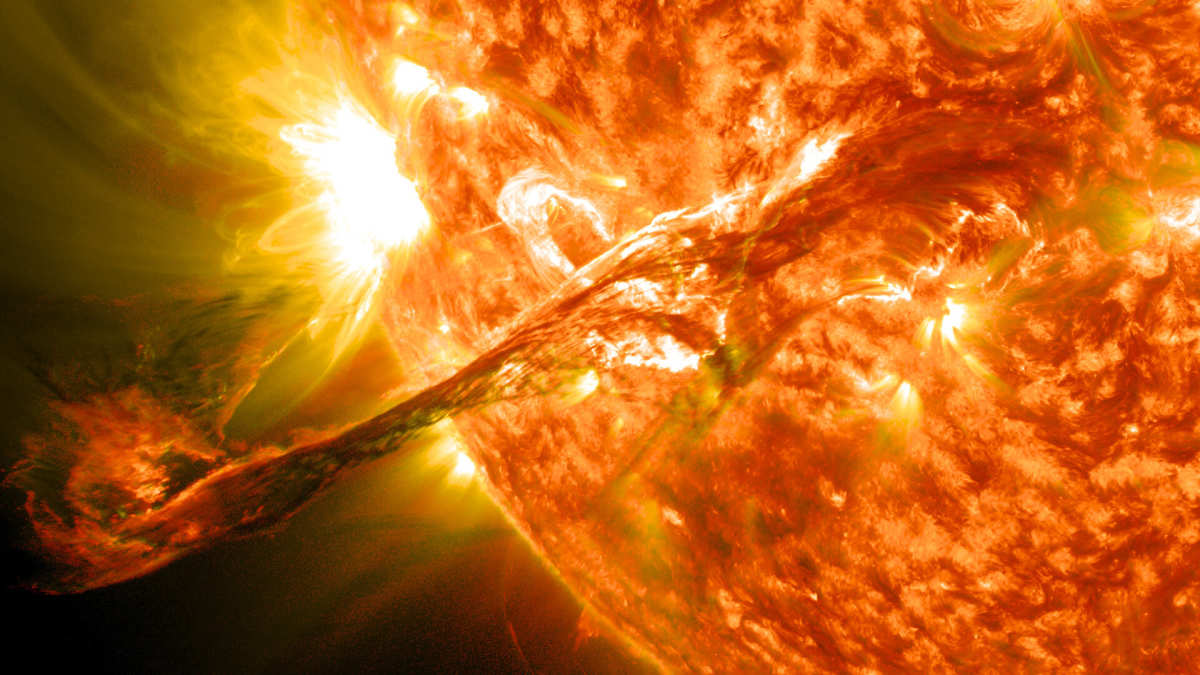
“CH HSS influences generally begin with the arrival of a compressed area of the interplanetary magnetic field; and dependent upon that intensity, geomagnetic response can escalate quickly,” the Prediction Center said. “Following CH HSS onset, CMEs are anticipated to reach Earth causing a further elevated geomagnetic response.”
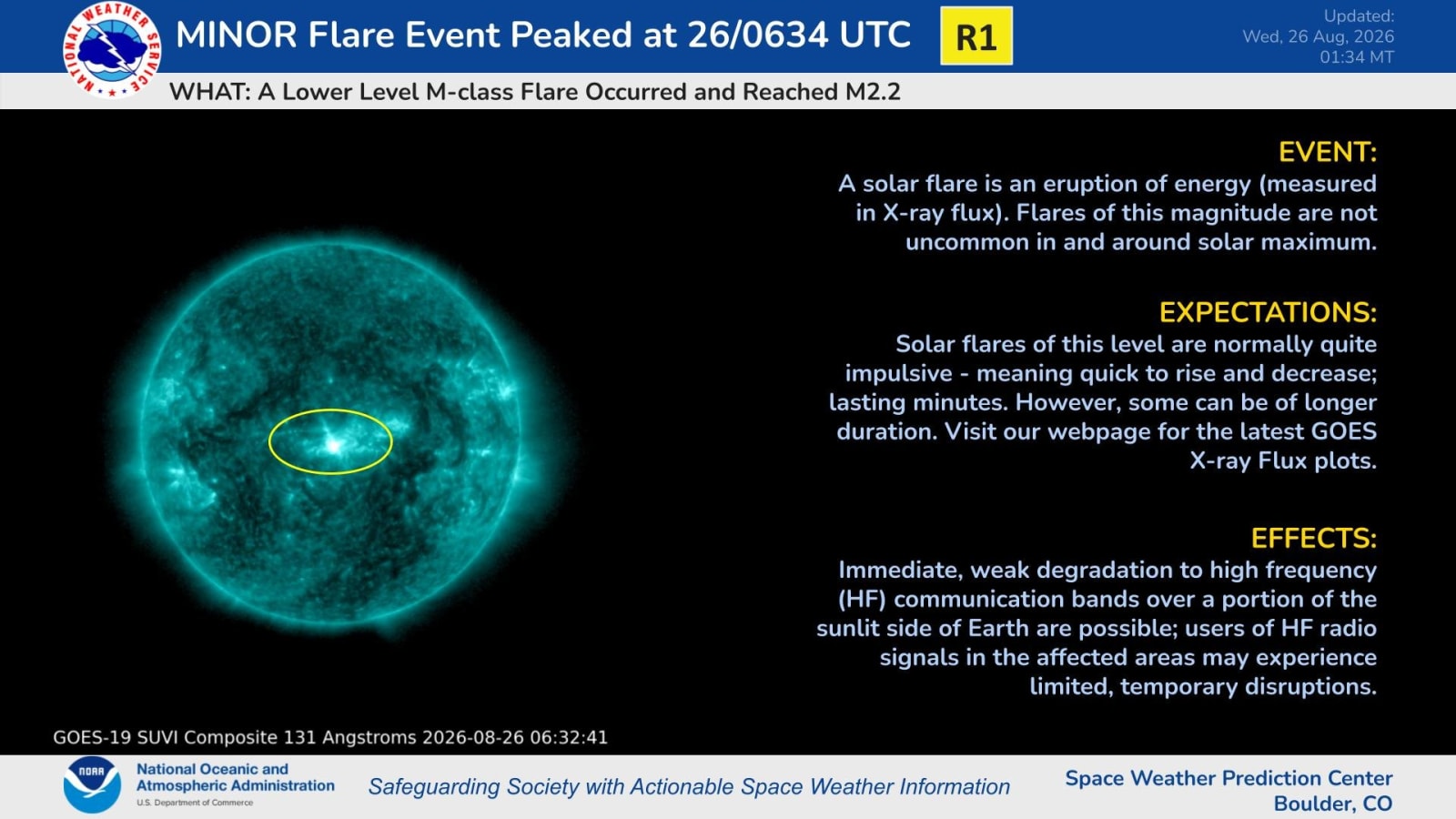
The CMEs will arrive on the back of heightened activity in sunspot region 4513, which let out an M6.9 solar flare on August 25 before erupting with an M2.2 one yesterday, according to Space Weather Live. Solar flares are bright flashes of radiation or light, and their strength is measured by categorizing them in different classes—A, B, C, M, and X—with X being the strongest. With each class, the strength of a solar flare increases by 10 times. The M6.9 flare reportedly caused radio blackouts over parts of Africa, Europe, and the Arctic, temporarily affecting high-frequency radio communications.
Will there be auroras in the U.S.?
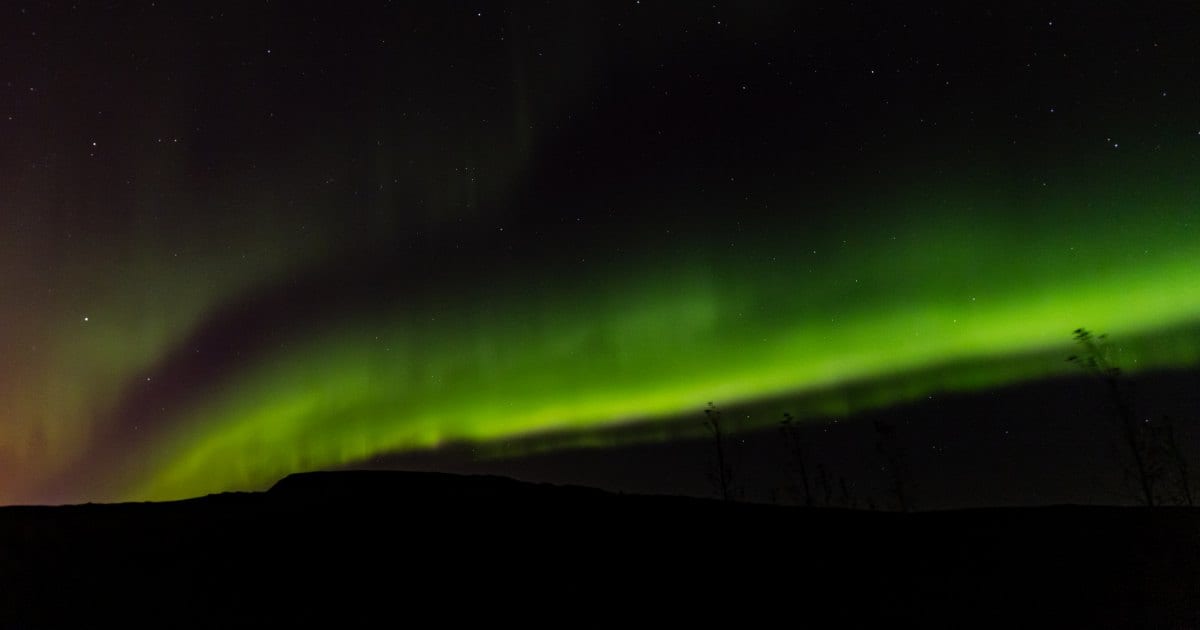
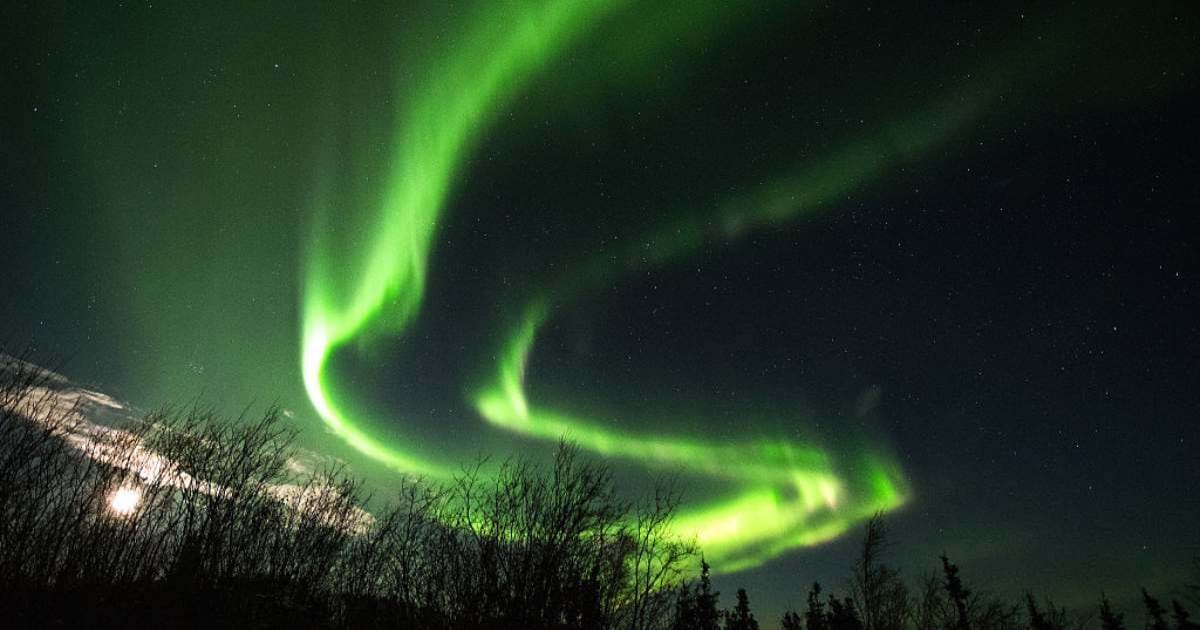
Yes, the upcoming geomagnetic storm is likely to bring auroras to the U.S. between today and August 29. NOAA says that the northern lights may be visible over some "northern and upper Midwest states from New York to Idaho." As for the effects on infrastructure such as power grids and communication systems, the storm may cause a minor but manageable impact. The forecast could, however, change, including the one about the states that may experience auroras.

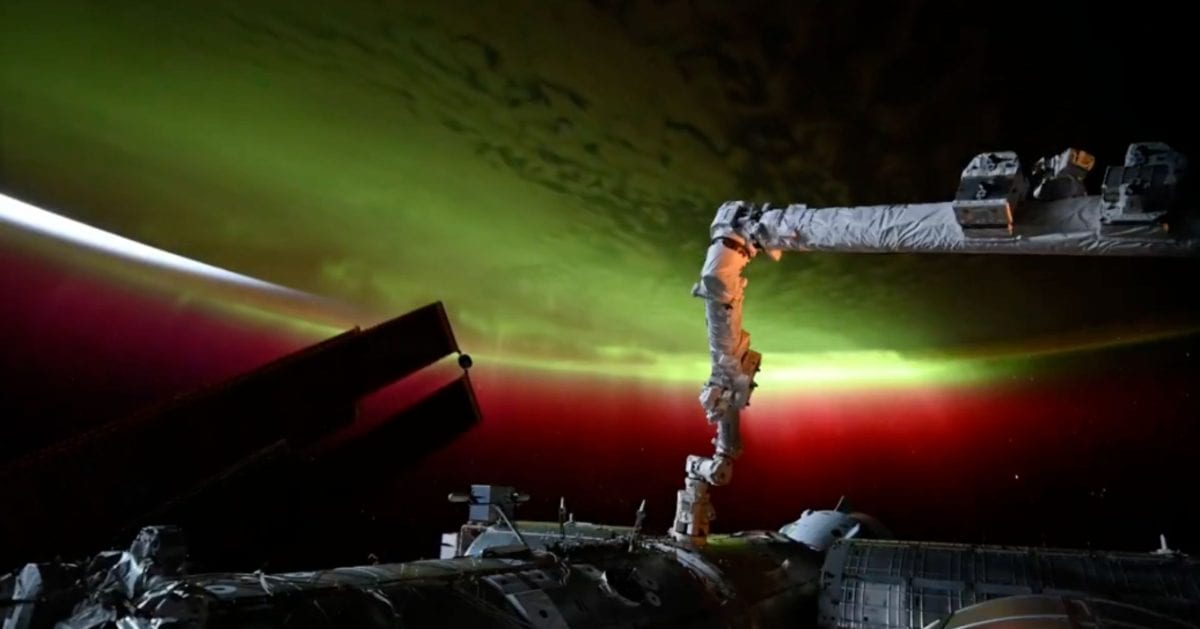
Auroras are caused when the charged particles ejected from the Sun reach Earth and get funnelled into the polar regions after interacting with our planet’s magnetosphere. During this interaction, some of these high-energy particles slam into the atmosphere and mingle with gases such as oxygen and nitrogen, causing their atoms and molecules to accumulate energy and become 'excited.' When these particles release the accumulated energy, they give off light in different colors such as green and red.
More on Starlust
Partial Lunar Eclipse on August 27-28, 2026: Will weather affect visibility in the U.S.?
2028 could be the best year yet for the Perseid meteor shower, expert says; here’s how