Aurora alert: Northern lights could be visible from several US states ahead of this weekend
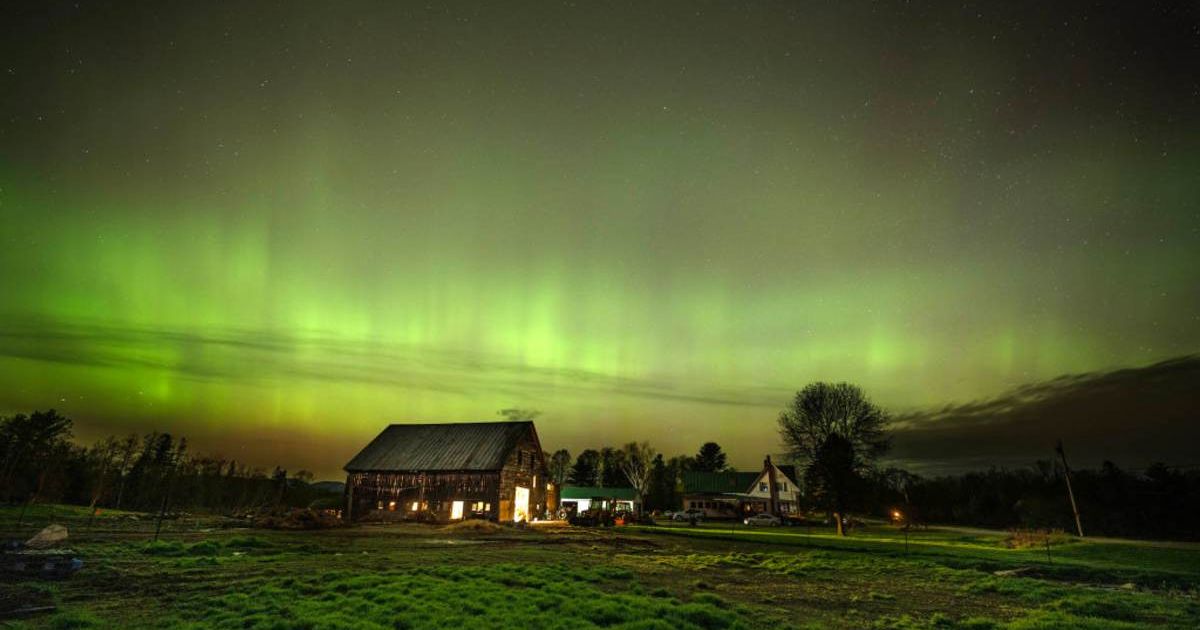
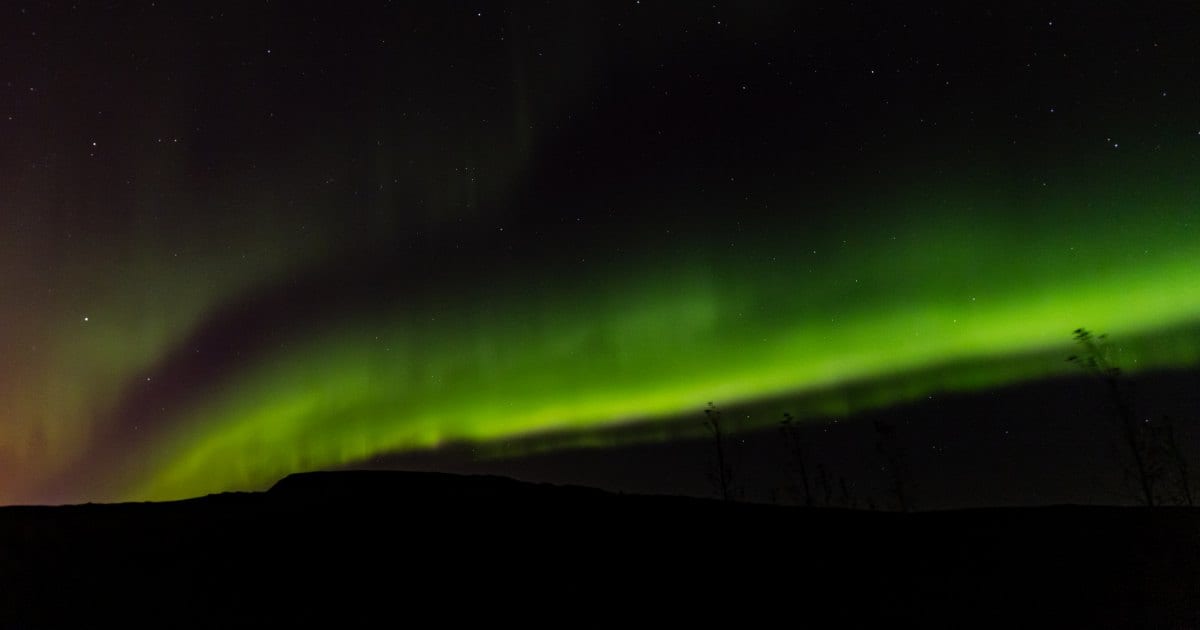
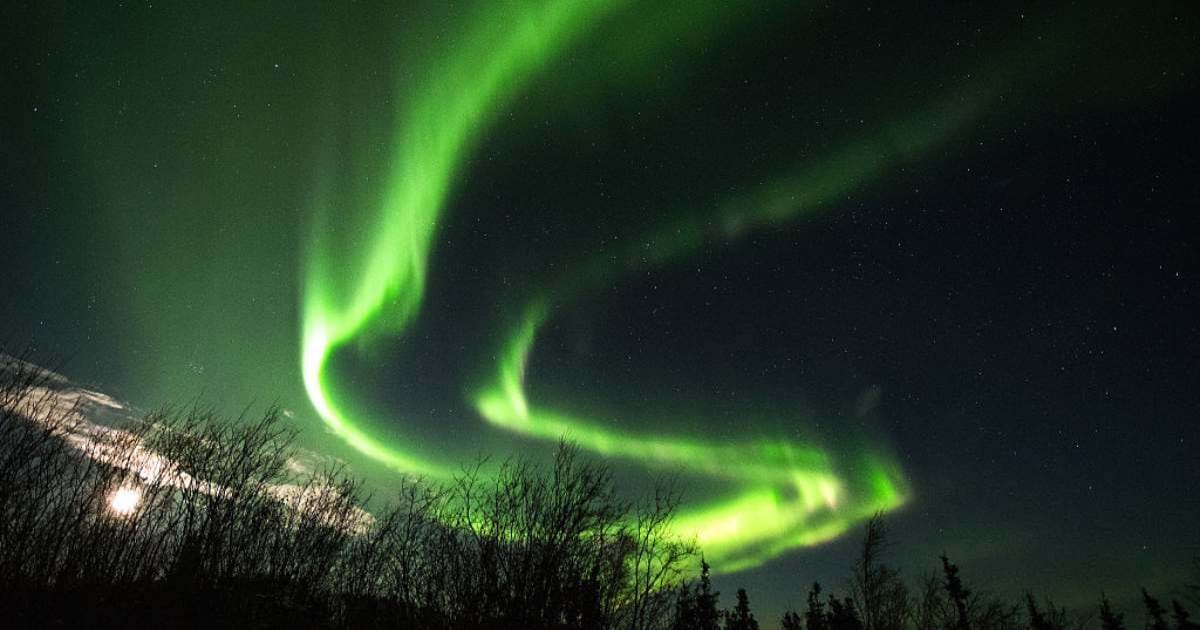
Skywatchers across the northern United States and the upper Midwest could be in for a spectacular display of Aurora Borealis early on July 3, 2026, according to space weather experts. The National Oceanic and Atmospheric Administration's (NOAA) Space Weather Prediction Center (SWPC) has issued a watch for a G2-class, or moderate, geomagnetic storm. If conditions line up, the colorful northern lights may become visible in the dark night skies above several US states, stretching all the way from New York to Idaho.
Moderate geomagnetic storm conditions are expected early on 03 July (UTC day) pic.twitter.com/bNPE4zRQZr
— NOAA Space Weather Prediction Center (@NWSSWPC) July 1, 2026
Driving this impending aurora is a massive outburst of solar plasma and magnetic fields, known as a coronal mass ejection (CME), which was launched from the Sun recently, as per an SWPC advisory released on June 30. While such alerts are not uncommon, the arrival of this specific CME is expected to elevate Earth's geomagnetic response. Whether an aurora forms depends on how the CME's magnetic fields align with our planet's magnetosphere. Apart from any vivid northern lights displays, the G2 storm is only expected to have some minor disruptive effects on communications infrastructure on Earth.
Moderate R2 radio blackout in progress (≥M5 - current: M8.54)
— SpaceWeatherLive (@_SpaceWeather_) July 1, 2026
Follow live on https://t.co/3Xxrvc3cpA pic.twitter.com/rmK2HCnazM
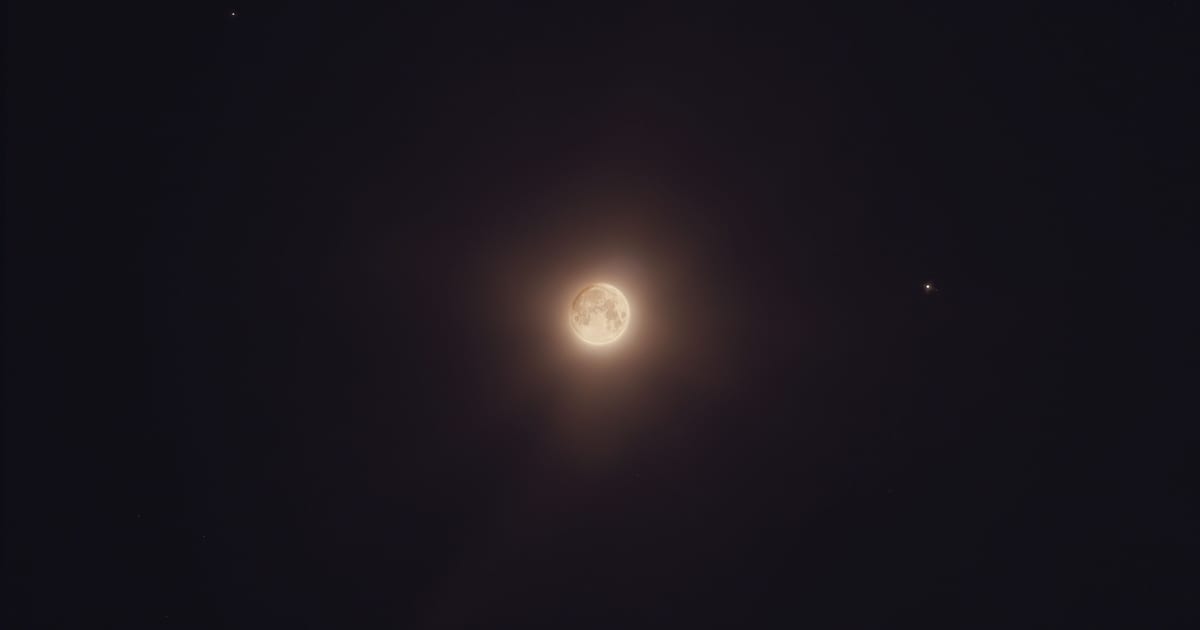
According to spaceweather.com, while a light show is certainly on the cards, skywatching enthusiasts may have to face a few hurdles that could affect the visibility of the aurora. Among these natural obstacles to a clear view is the brightness of the Moon, which is in its waning gibbous phase at the moment. Moreover, northern hemisphere viewers will also have to account for short, summer nights. Then, there's third factor. Geomagnetic storms and auroras also generally have a higher intensity around the spring and fall equinoxes in March and September, respectively, due to the alignment of the Earth's tilted axis with the solar wind, a phenomenon known as the Russell-McPherron Effect. The lack of such an optimal alignment at this time of the year could suppress the auroras produced by this particular geomagnetic storm.
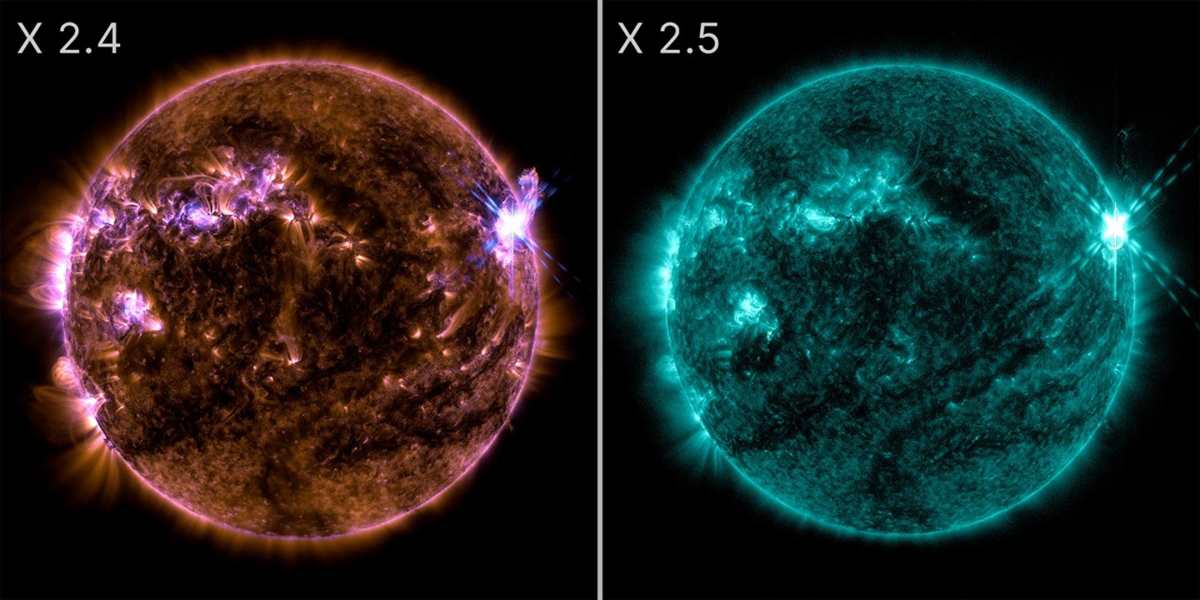
The Sun has exhibited a surge in solar activity in recent weeks, marked by a few powerful solar flares. On June 30, an X1.1-class solar flare erupted from sunspot region 4479, which led to a blackout and disruptions in high-frequency radio communication. Another Earth-facing sunspot in region 4455 has also been highly active, being the site of three solar flares within a space of 24 hours earlier in June. While solar flares and CMEs are independent events, both of these aforementioned instances have now been followed by the latter, in turn raising the alarm for strong to moderate geomagnetic storms.
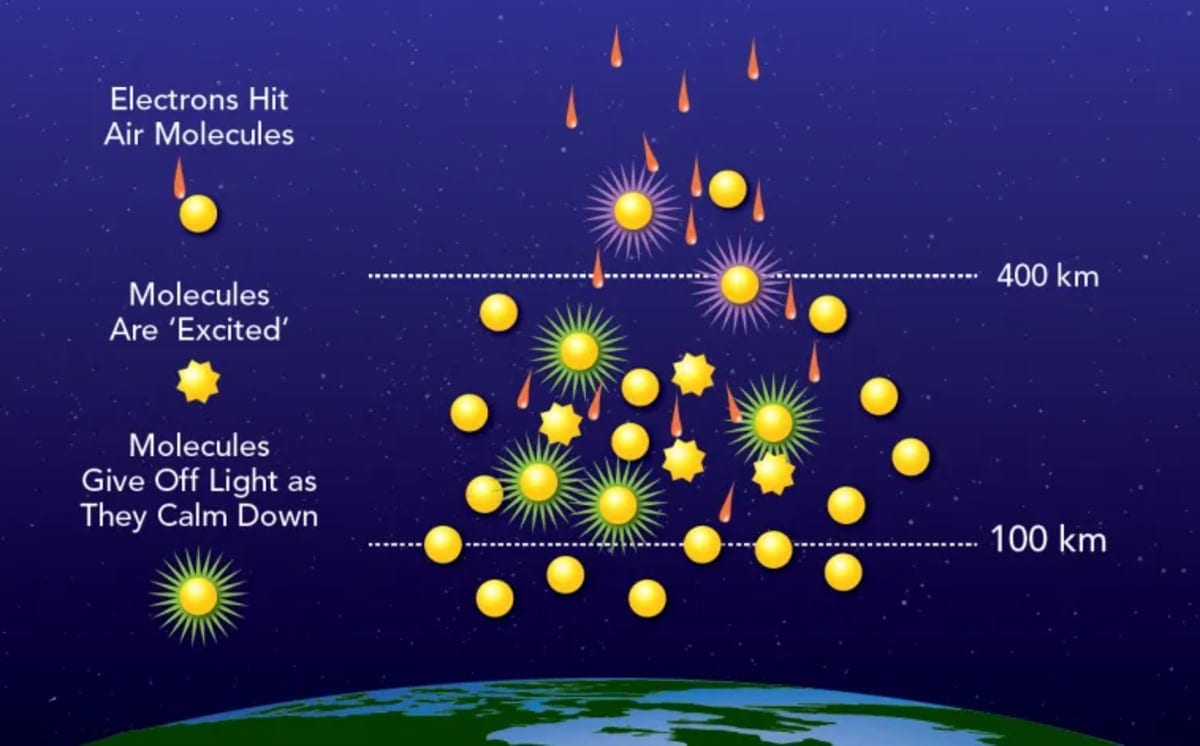
Understanding how auroras form reveals how space weather at large is linked to this spectacular phenomenon. The Sun constantly emits a stream of charged particles in all directions, which is known as the solar wind. Yet, it is not a regular solar wind that produces auroras, but CMEs that shoot out tons of magnetized plasma towards Earth. When these charged particles hit the Earth's magnetosphere, they create geomagnetic storms and auroras. These storms are the strongest when a CME's magnetic field opposes that of our planet's—such an alignment creates gaps in Earth's magnetic shield, which allows more solar particles to slip through and collide with gases such as oxygen and nitrogen in the upper atmosphere. These collisions, in turn, release energy in the form of glowing lights, giving rise to the colourful northern (Aurora Borealis) and southern lights (Aurora Australis) as we know them.
More on Starlust:
Here's why March is the best month for viewing the aurora
Auroras on Jupiter's moon Ganymede are not too different from those on Earth