Nearby supernova explosions could be behind two of Earth's mass extinctions, says new study

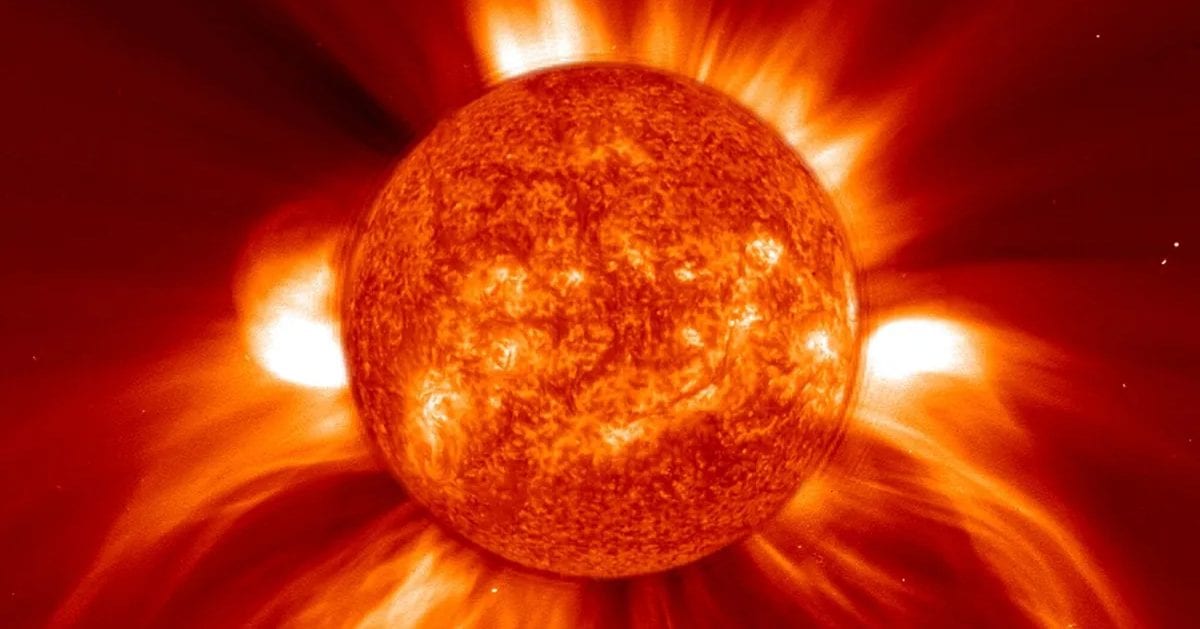
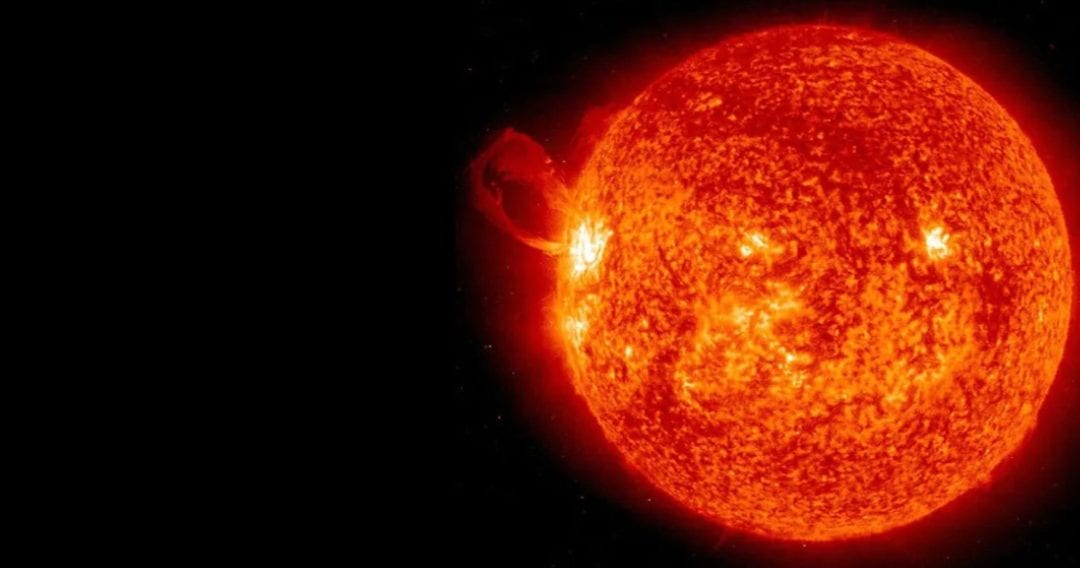
New scientific findings propose that powerful supernova explosions, the dramatic death throes of massive stars, are likely the culprits behind at least two major mass extinction events in Earth's distant past. Researchers at Keele University suggest these cosmic detonations may have triggered catastrophic environmental shifts, including ozone layer depletion, acid rain, and heightened exposure to harmful solar radiation, per The Royal Astronomical Society.

The study, published in Monthly Notices of the Royal Astronomical Society, points to a supernova as the probable cause for the late Devonian extinction, roughly 372 million years ago, and then even older Ordovician extinction, approximately 445 million years ago. These cataclysms dramatically reshaped life on Earth, with the Ordovician event wiping out 60% of marine invertebrates and the late Devonian eliminating an estimated 70% of all species. Prior investigations into these two extinction mysteries have struggled to pinpoint a definitive cause, though a link to ozone layer destruction, potentially from a supernova, has been theorized.

"Supernova explosions bring heavy chemical elements into the interstellar medium, which are then used to form new stars and planets," stated Dr. Alexis Quintana, formerly from Keele University and now at the University of Alicante. "But if a planet, including the Earth, is located too close to this kind of event, this can have devastating effects." The research team conducted a comprehensive "census" of massive stars within a 3,260-light-year radius of the Sun. This analysis allowed them to calculate the frequency of supernovae within our galaxy and, crucially, within a much closer 65-light-year proximity to Earth. Comparing these rates with known extinction events that lack other clear causes (like asteroid impacts), the scientists found a compelling correlation.
"We calculated the supernova rate close to Earth and found it to be consistent with the rate of mass extinction events on our planet that have been linked to external forces such as supernovae," explained Dr. Nick Wright, from Keele University. While supernovae are essential for dispersing the heavy elements necessary for the formation of stars and planets, their proximity can be disastrous for emerging life. This research underscores the dual nature of these celestial phenomena, both creators and destroyers. Astronomers estimate that galaxies like the Milky Way experience one or two supernovae per century, while two nearby stars, Antares and Betelgeuse, are potential supernova candidates within the next million years. Current simulations suggest their considerable distance (over 500 light-years) would likely mitigate any severe impact on Earth.

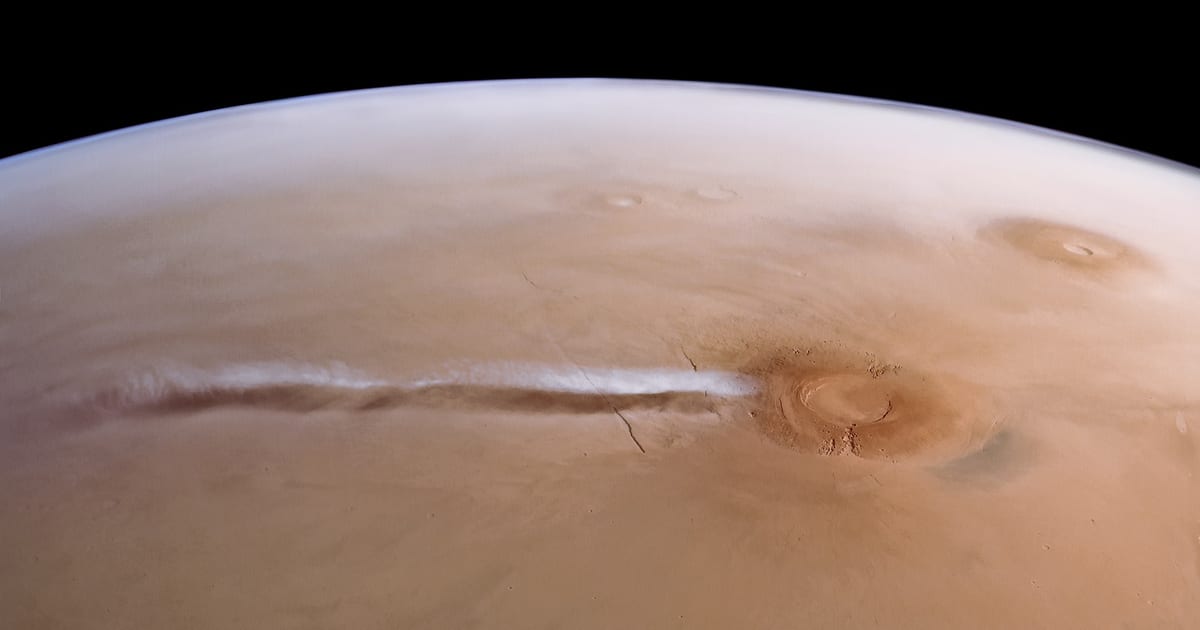
Meanwhile, as scientists uncover the cosmic forces that shaped Earth's ancient history, new research is revealing just how wet our planetary neighbor, Mars, may have been. A study led by Adam Losekoot of the Open University, and backed by the UK Space Agency, has mapped over 9,300 miles of ancient riverbeds across the Martian surface. This suggests the Red Planet may have once been home to a massive network of rivers far more extensive than scientists previously believed.

The team's breakthrough came from examining "inverted channels" in the less-studied Noachis Terra region. These raised geological features, believed to be hardened river sediment, imply that liquid water was once widespread on Mars, likely from rain. This discovery profoundly re-evaluates Mars' ancient climate, painting a picture of a planet potentially far more Earth-like.