New study reveals why galaxies at cosmic noon emitted so many high-energy cosmic rays
Roughly two billion years after the Big Bang, the Cosmic Noon saw galaxies become intensely active, with star formation rates 10 to 100 times higher than today.
PUBLISHED AUG 19, 2025
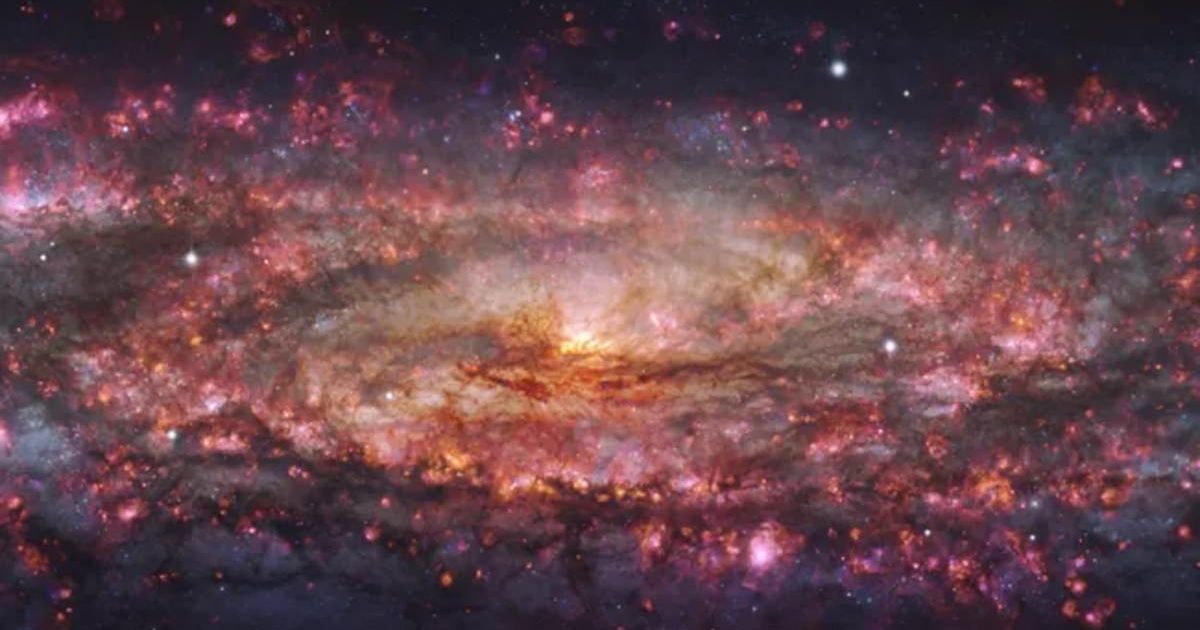
Astronomers have created a galactic masterpiece: an ultra-detailed image that reveals previously unseen features in the Sculptor Galaxy (Representative Cover Image Source: ESO)

A new study has shed light on a crucial period in the universe's history known as the Cosmic Noon, a time when galaxies were undergoing an explosion of growth and rapid star formation. The research, published in The Astrophysical Journal, suggests that these early galaxies were surprisingly efficient at producing and accelerating high-energy cosmic rays, a process potentially driven by highly turbulent magnetic fields, as per Universe Today

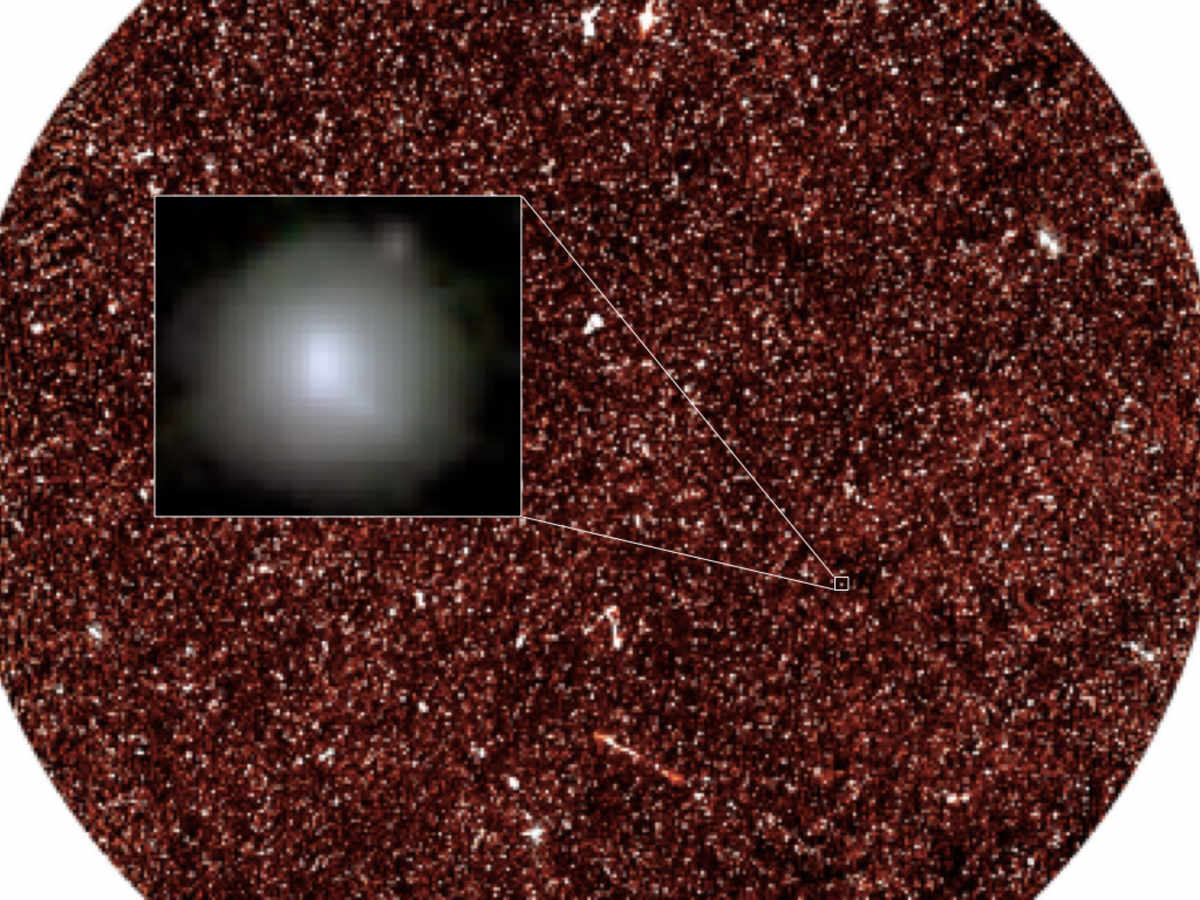
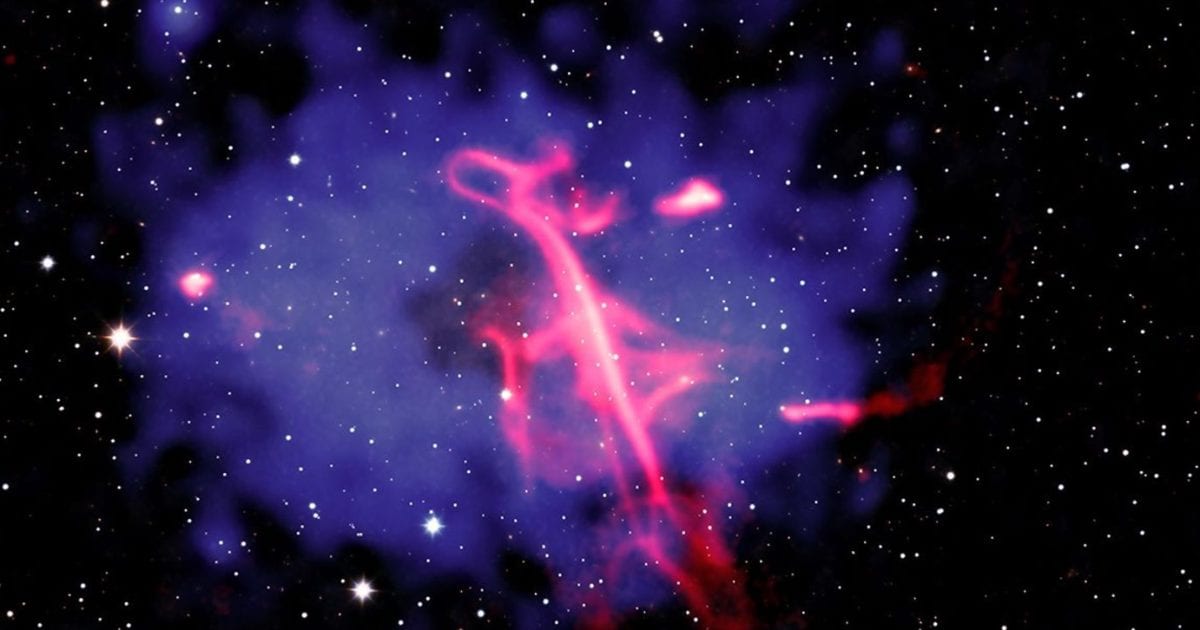
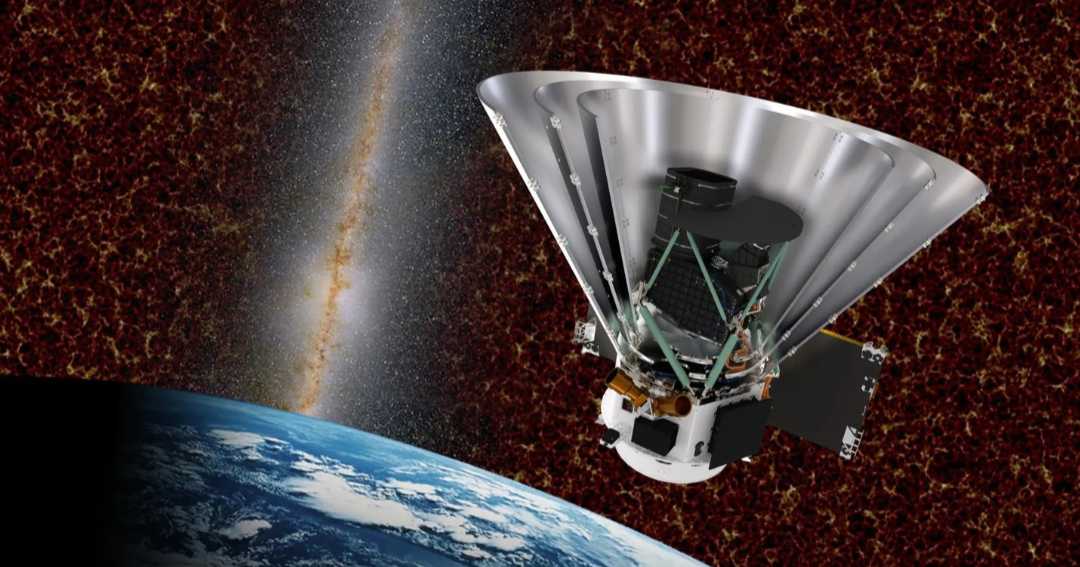
The image in background shows the COSMOS field observed with the South African MeerKAT radio array at 1.3 GHz frequency (Heywood et al. 2022). Overlaid is an artistic illustration of the high-energy cosmic ray halo of a star-forming galaxy at cosmic noon (Image Source: Inter-University Institute for Data-Intensive Astronomy)
COSMOS field with the South African MeerKAT radio array at 1.3 GHz (Heywood et al. 2022). Overlaid is high-energy cosmic ray halo of star-forming galaxy at cosmic noon (Image Source: Inter-University Institute for Data-Intensive Astronomy)

Cosmic Noon, which occurred roughly 2 billion years after the Big Bang, was a time of intense galactic activity. Galaxies were forming stars at a rate 10 to 100 times higher than they do today, and they were growing in size through mergers and dark matter halo expansion. However, observing this period has been a challenge for astronomers because the optical light from these galaxies is often blocked by immense clouds of interstellar dust. 
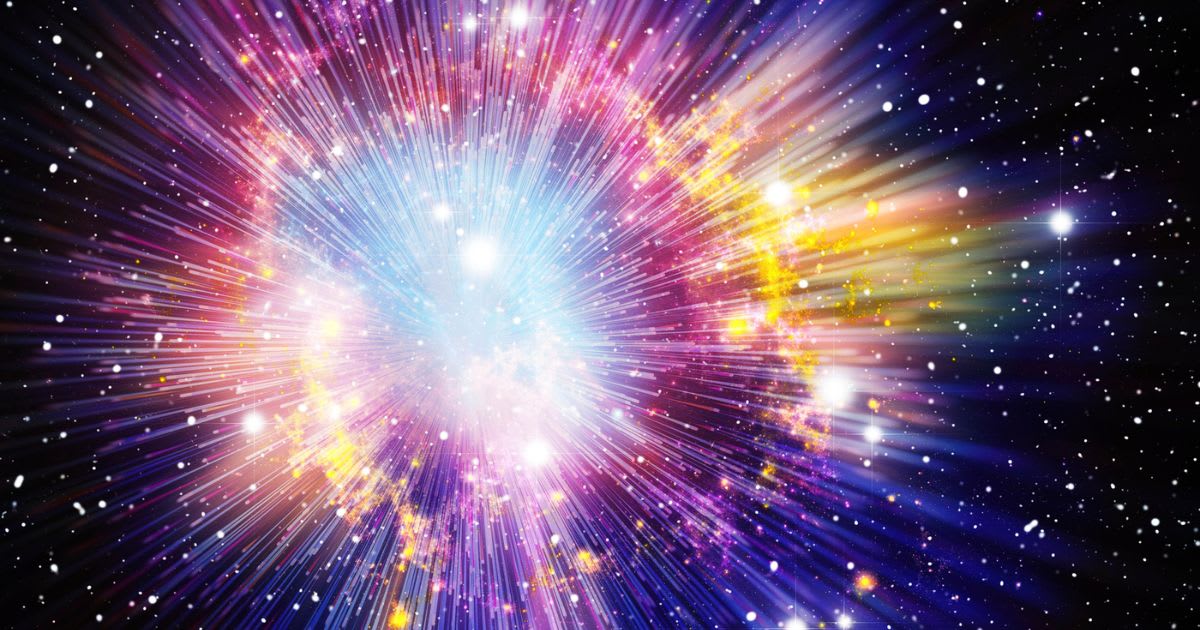
Conceptual image of the Big Bang, a computer illustration representing the origin of the universe (Representative Cover Image Source: Getty | ALFRED PASIEKA/SCIENCE PHOTO LIBRARY)
Conceptual image of the Big Bang, a computer illustration representing the origin of the universe (Representative Image Source: Getty | ALFRED PASIEKA/SCIENCE PHOTO LIBRARY)

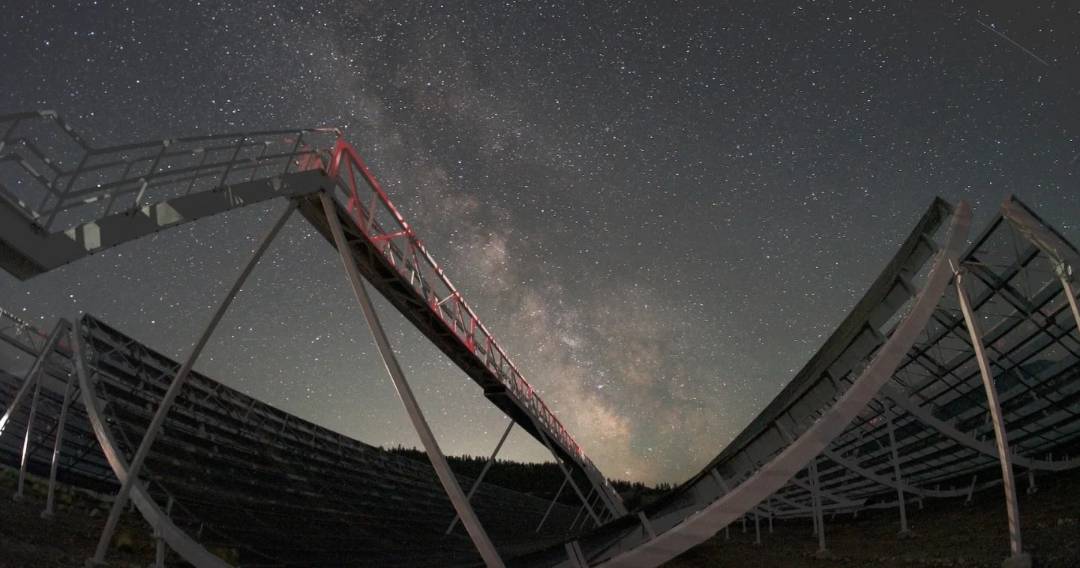
To overcome this obstacle, a team of international researchers led by Dr. Fatemeh Tabatabaei of the Institute for Research in Fundamental Sciences (IPM) in Tehran, Iran, used radio waves, which can pass through dust unimpeded. The study analyzed the radio spectral energy distributions (SEDs) of 160 galaxies from the Cosmic Noon using data from three powerful radio telescopes: the MeerKAT, the Very Large Array, and the Giant Metrewave Radio Telescope.

"Studying the radio spectral energy distribution (SED) of distant galaxies is essential for understanding their assembly and evolution over cosmic time," the researchers wrote in their article. The researchers found that the radio spectrum of these galaxies evolves with their star formation rate, a key finding that challenges previous assumptions based on visible light observations. They specifically measured the synchrotron spectral index, a critical parameter for understanding cosmic rays and magnetic fields. This index was found to flatten in galaxies with higher star formation rates, indicating a greater abundance of high-energy cosmic ray electrons.
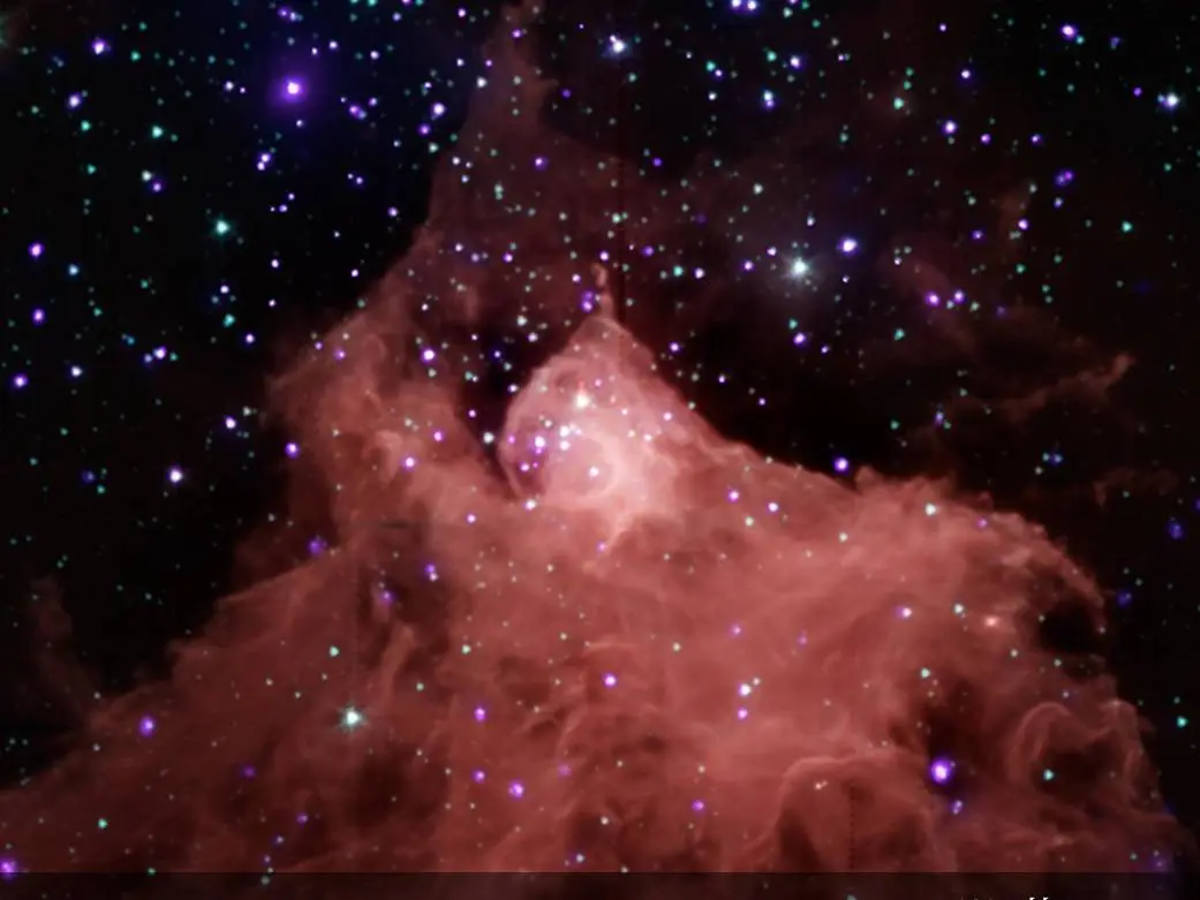
Cepheus B, a molecular cloud located in our Milky Galaxy about 2,400 light-years from the Earth, provides an excellent model to determine how stars are formed (Image Source: NASA)

The discovery presented a paradox: cosmic rays are known to lose energy rapidly as they travel through magnetic fields. So, why were these early galaxies so rich in high-energy cosmic rays?

The study's findings point to a surprising explanation: the magnetic fields within these galaxies were likely highly tangled and turbulent. According to Professor Tabatabaei, this can occur "if magnetic fields are highly tangled and turbulent in these systems." These chaotic fields acted as powerful accelerators, boosting the cosmic rays to higher energies before they could lose their momentum. This process would also explain why the infrared-radio correlation (IRRC) remained constant with redshift, as these turbulent systems would be surrounded by vast clouds of high-energy cosmic rays, as mentioned by the outlet.
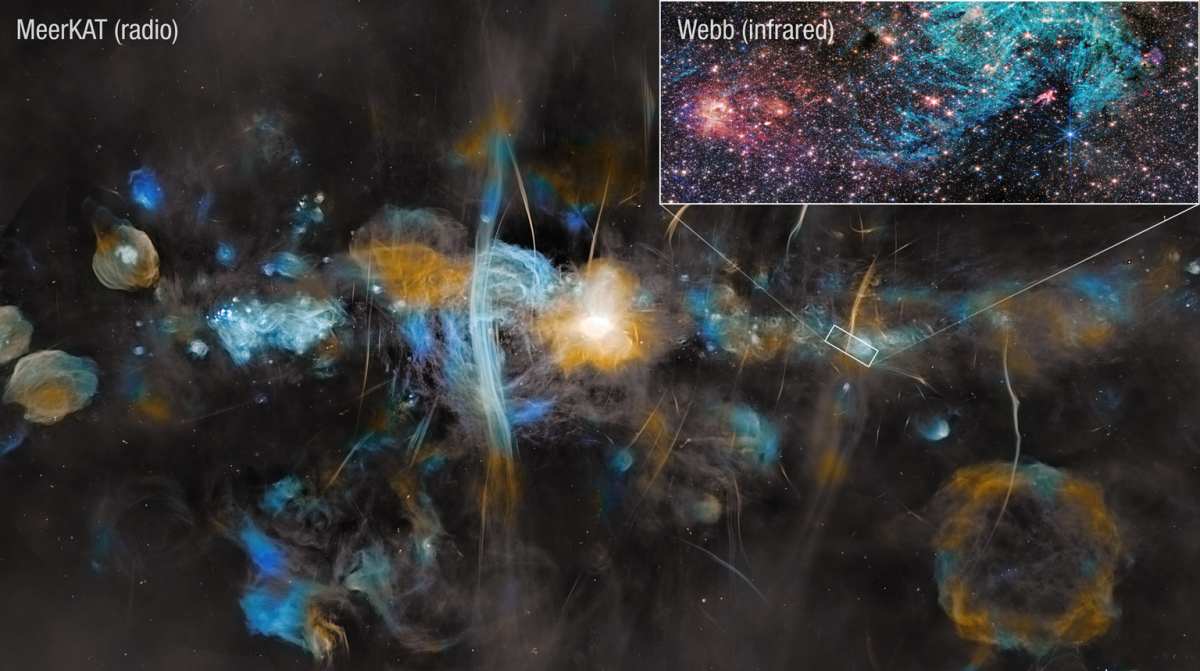
An image of the Milky Way captured by the MeerKAT radio telescope array puts the James Webb Space Telescope’s image of the Sagittarius C region in context (Image Source: NASA | Samuel Crowe)

The research not only provides a new window into the Cosmic Noon but also validates the use of radio observations as a reliable tool for measuring star formation in the early universe. This is a crucial step forward as astronomers prepare for the launch of the Square Kilometer Array (SKA), a next-generation radio observatory expected to map a billion galaxies and revolutionize our understanding of cosmic evolution. "The work presented in this paper will benefit from the upcoming deep and multifrequency SKA surveys, which will help to perform a more robust SED analysis in more complete samples," the study concludes. 
MORE STORIES

Captured by the Gemini Multi-Object Spectrograph on November 26, 2025, this striking green hue replaces the comet's previously observed reddish color.
19 hours ago
'The ice giant classification is oversimplified as Uranus and Neptune are still poorly understood,' said experts.
23 hours ago
The discovery is based on observations made during the probe's record-setting dive in December 2024, when it came within a mere 3.8 million miles of the Sun.
3 days ago
University of Rochester researchers have evidence that Earth's magnetic field may have funnelled key elements from our atmosphere to the Moon.
3 days ago
The spider-like feature may offer clues about subsurface liquid water on Europa.
4 days ago
The 17-hour X-ray study, performed in late November 2025, captured a subtle X-ray glow emanating from 3I/ATLAS's core.
4 days ago
The degree of space weather impact determines how bright soils appear.
4 days ago
Astronomer Dr. Christopher Manser has stated that the Sun will run out of hydrogen in its core as it dies, becoming a red giant in about 5 billion years.
6 days ago
The enormous burst of energy, which peaked at 12:01 a.m. on December 8, was imaged by NASA's Solar Dynamics Observatory.
6 days ago
The findings represent the first major results from OASIS, a program that uses advanced telescope instruments to seek out large planets and brown dwarfs.
7 days ago