Micrometeorites provide new method for reconstructing Earth's past climate, says new study
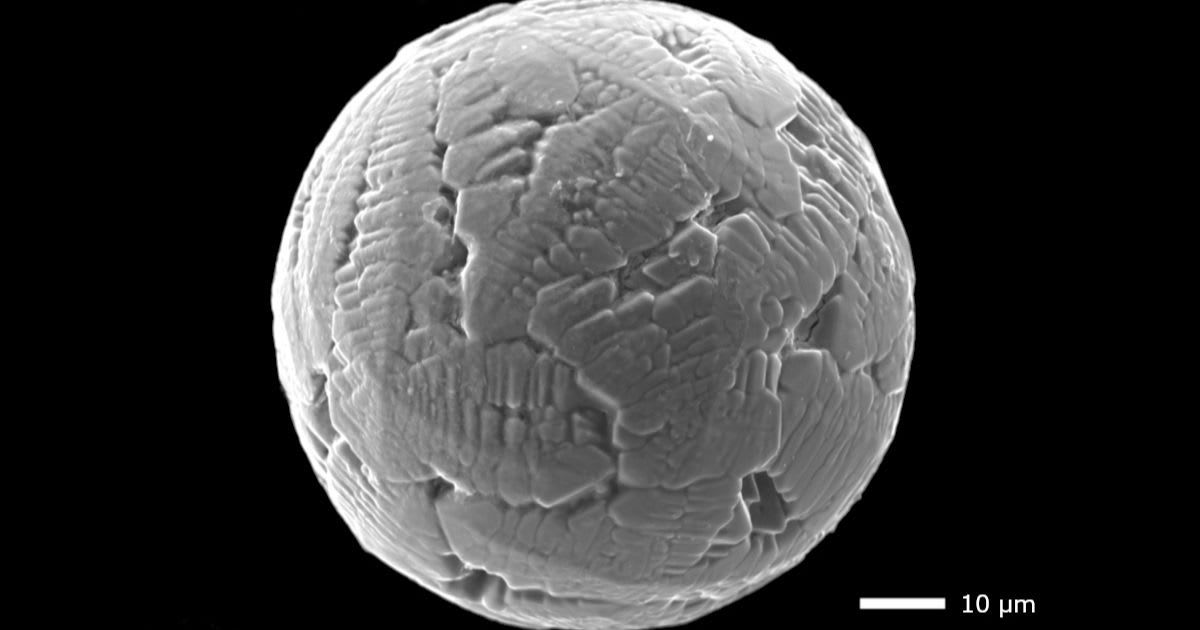
A new study has revealed that ancient micrometeorites hold a unique record of Earth's atmospheric history, providing scientists with a new tool for climate reconstruction. The international research team, led by Göttingen University, has developed a method to analyze the chemical makeup of these fossilized space particles to determine the composition of the air from billions of years ago, according to the University of Göttingen.
The findings, published in Communications Earth & Environment, center on metallic micrometeorites that melt upon entering Earth's atmosphere. During this process, their iron and nickel content oxidize, forming tiny spherical structures with oxygen atoms from the surrounding air. These microscopic "fossilized spheres" fall to Earth, where they are preserved in rock layers, creating a chemical archive of the atmosphere at the time they were formed. The new technique allows researchers to precisely measure the oxygen and iron isotopes within these fossilized micrometeorites. The isotopic ratios can then be used to infer past atmospheric conditions, including carbon dioxide concentrations and the global formation of organic matter through processes like photosynthesis.
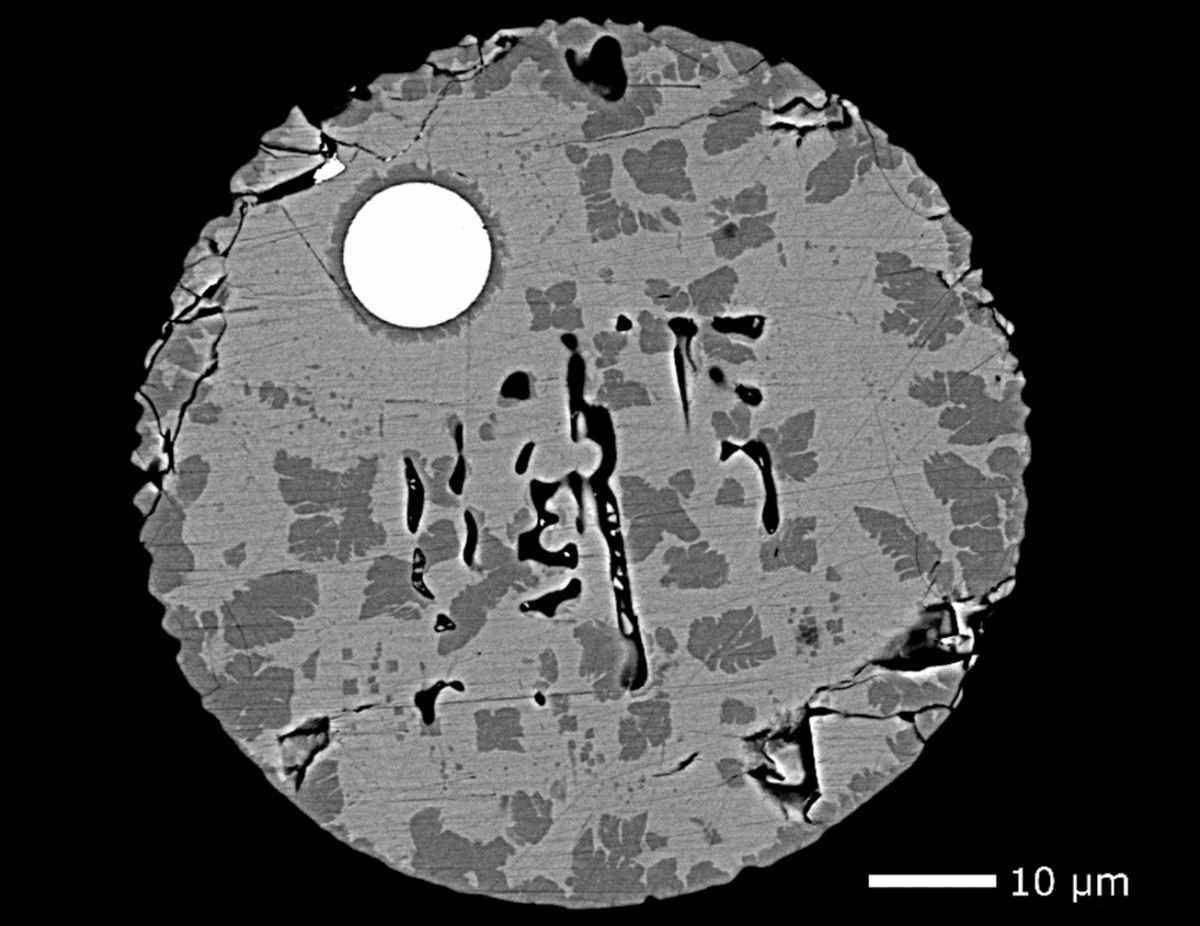
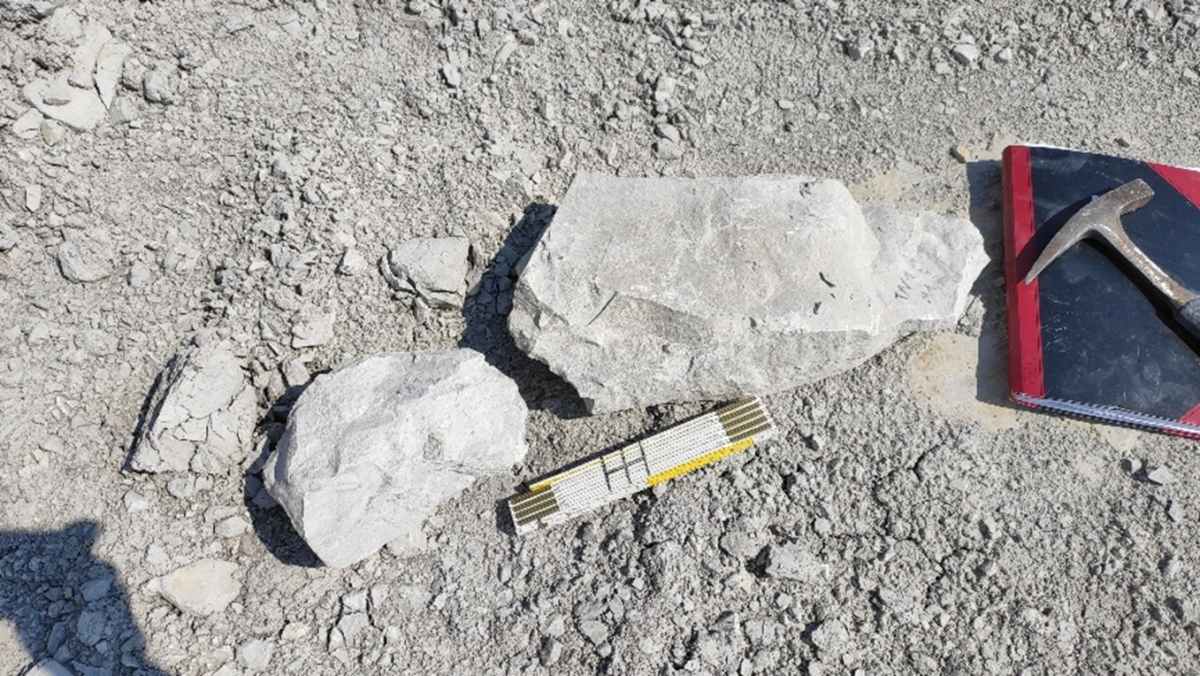
According to lead author Dr. Fabian Zahnow, the study demonstrates that these tiny spheres can preserve reliable isotopic traces for millions of years. “Our analyses show that intact micrometeorites can preserve reliable traces of isotopes over millions of years despite their microscopic size,” he explained. However, the researchers also stress the importance of careful geochemical analysis, as post-landing processes in soil and rock can alter the micrometeorites. This innovative approach offers a valuable complement to existing methods in geological climate research, offering a new window into the planet's distant past.
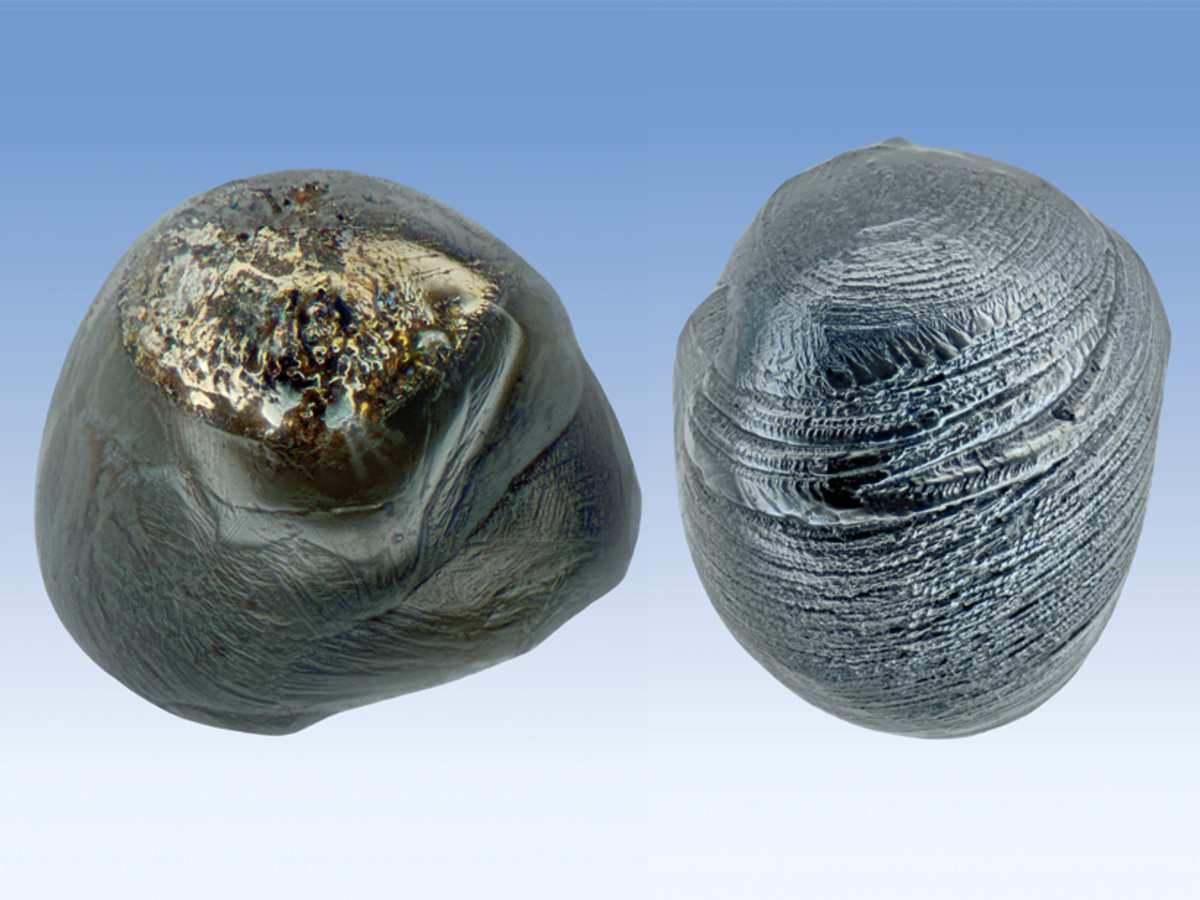
This new research builds on a 2016 study led by Monash University's Dr. Andrew Tomkins. His team analyzed the oldest fossilized micrometeorites ever found, 2.7 billion-year-old cosmic dust from ancient sedimentary rocks in Western Australia. The findings, published in the journal Nature, challenged the long-held belief that Earth's ancient atmosphere was universally oxygen-poor, as per ANSTO.
Using advanced microscopes, the researchers discovered that the majority of these metallic micrometeorites had been oxidized into iron oxide minerals upon entry, suggesting a surprisingly high concentration of oxygen in the upper atmosphere. Calculations by Imperial College's Dr. Matthew Genge indicated that these oxygen levels were similar to what we see today. This created a puzzle: how could the upper atmosphere be rich in oxygen when the lower atmosphere was known to be oxygen-starved?

Dr. Tomkins proposed that Earth's atmosphere at the time was layered, with little vertical mixing. A layer of methane haze in the middle atmosphere could have absorbed ultraviolet light, creating a warm barrier that separated the oxygen-rich upper atmosphere from the oxygen-poor air below. The upper-atmospheric oxygen would have been produced by the sun's UV rays breaking down carbon dioxide. These incredible findings show that by studying fossilized space dust barely the width of a human hair, scientists can gain new insights into the chemical makeup of our planet's atmosphere from billions of years ago. The next step, Dr. Tomkins noted, is to continue extracting and studying micrometeorites from rocks spanning a billion-year period to better understand how atmospheric chemistry and structure evolved over time.