Astrophotographer captures rare footage of Hubble Space Telescope crossing the Sun
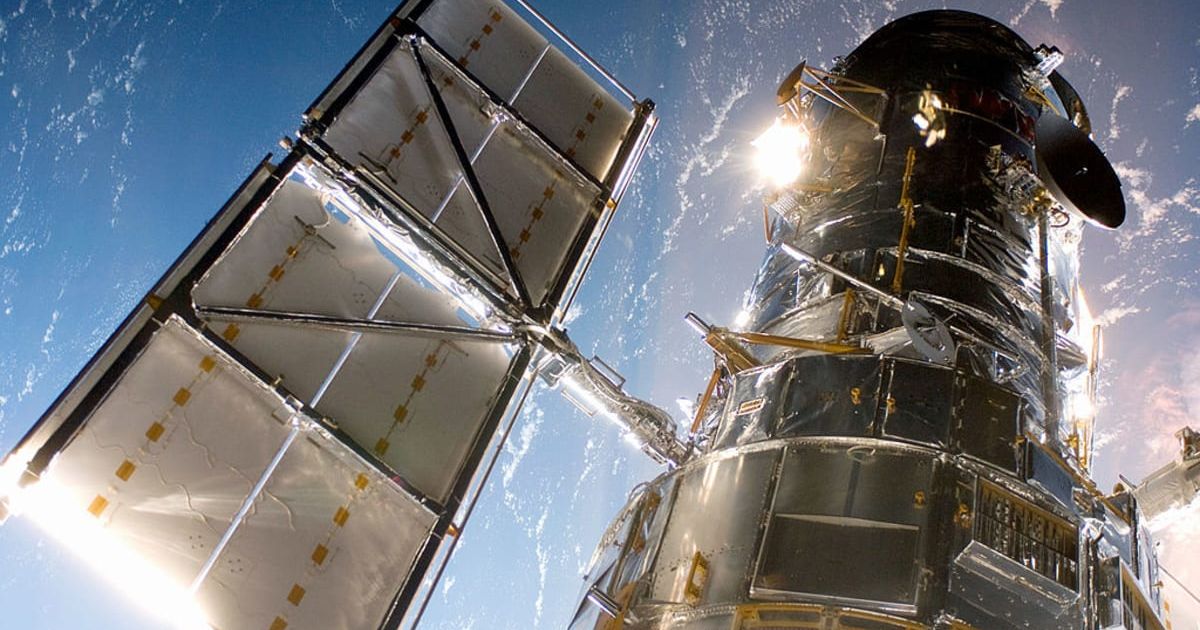
For more than 35 years, the Hubble Space Telescope has circled Earth, reshaping humanity’s view of the universe. Orbiting about 340 miles above the planet at speeds near 17,000 miles per hour, Hubble completes one trip around Earth every 95 minutes. From this unique point above the atmosphere, it has delivered some of the most detailed and influential astronomical pictures. That iconic observatory recently became the subject of an extraordinary Earth-based capture. On December 15, 2025, astrophotographer Efrain Morales filmed the Hubble Space Telescope as it crossed directly in front of the Sun. Recorded from Aguadilla, Puerto Rico, the video shows Hubble as a tiny, sharply defined silhouette gliding past the sunspot known as AR4308.
Space.com says that the entire solar transit lasted just 1.01 seconds. So from Morales’ location, the telescope’s passage across the Sun was so brief that missing the precise moment would have meant losing the opportunity altogether. Moreover, catching Hubble against the Sun is exceptionally difficult. Transit predictions showed that the alignment was visible only within a narrow corridor about 4.68 miles wide on Earth. Anyone hoping to capture the event had to be positioned in exactly the right spot. Even then, Hubble’s small size meant it took just over a second to cross the Sun’s face.
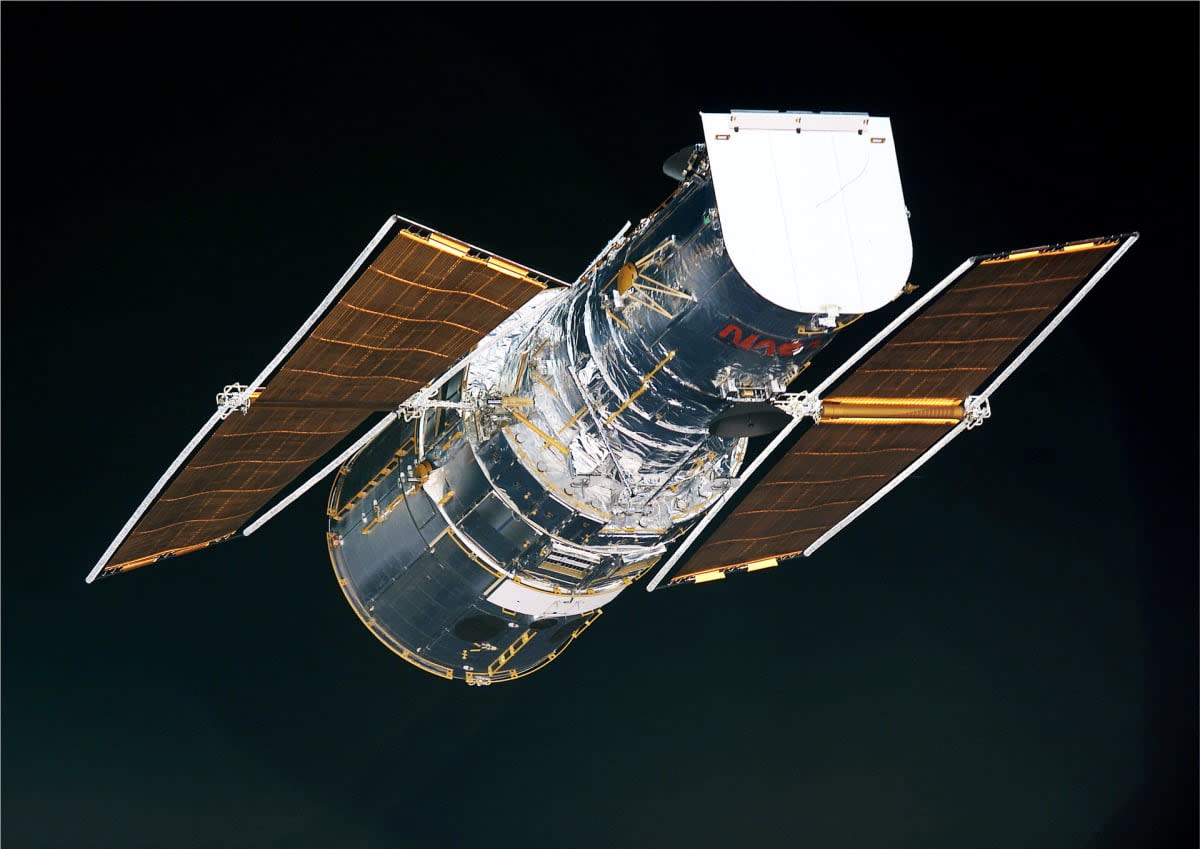
To make the capture possible, Morales relied on transit prediction software to calculate the telescope’s exact path. He paired that timing with a high frame rate imaging setup, recording the footage using a Lunt LS50THa solar scope mounted on a CGX L, along with an ASI CMOS camera and Cemax 2x Barlows. Such specialized equipment is essential for safely observing the Sun, where every frame counts. Unlike the International Space Station, which is frequently photographed during solar transits due to its large size, Hubble presents a far greater challenge. Measuring about 43 feet long, the telescope is roughly ten times smaller than the ISS, making it much harder to resolve against the Sun’s brilliant surface.
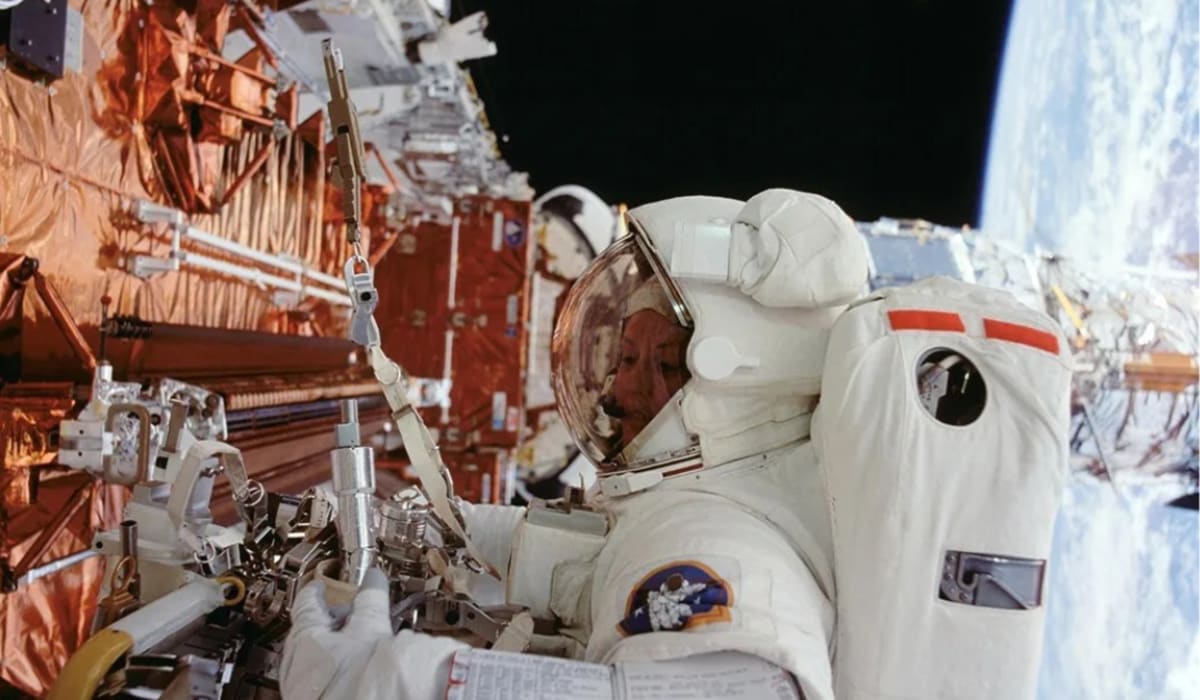
Launched and deployed in 1990, Hubble’s scientific power has grown significantly over time. Its capabilities were expanded through five astronaut servicing missions, during which new instruments were installed and aging components replaced. According to NASA, these upgrades greatly extended the telescope’s lifetime and allowed it to remain at the forefront of astronomy for decades. Hubble observes the universe across a wide range of light, from ultraviolet through visible and into the near infrared. This range has enabled it to capture stunning images of stars, galaxies, and other cosmic objects that have inspired people around the world.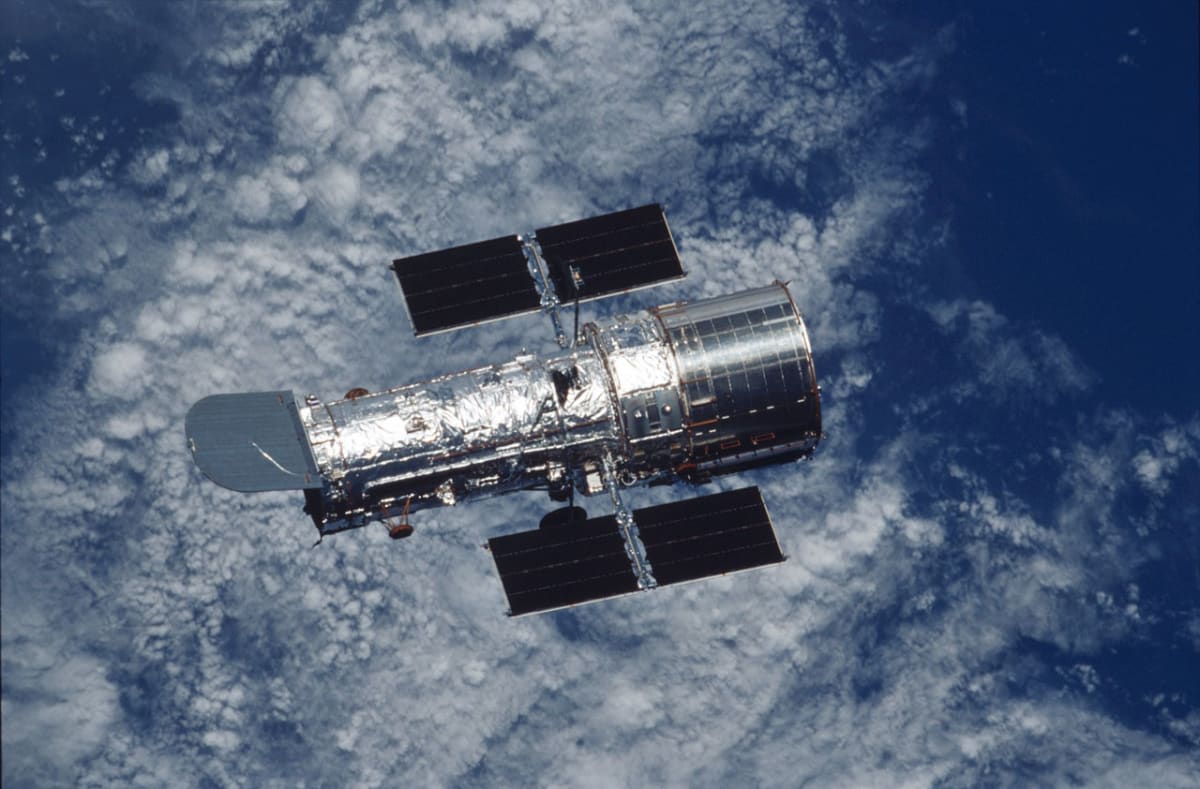
Over its lifetime, Hubble has made more than 1.7 million observations and contributed to over 22,000 peer-reviewed scientific papers. Every modern astronomy textbook includes discoveries made by the observatory. Hubble has tracked interstellar objects passing through our solar system, watched a comet collide with Jupiter, and discovered moons orbiting Pluto. It has revealed dusty disks and stellar nurseries within the Milky Way, studied the atmospheres of planets around other stars, and looked back more than 13.4 billion light-years to observe galaxies merging and supermassive black holes shaping the early universe.
More on Starlust
A look at 5 extraordinary images taken by Hubble Space Telescope in 2025
NASA’s Hubble Space Telescope captures sharpest-ever picture of interstellar comet 3I/ATLAS