Jupiter to reach opposition on January 10—how to see it when it's brightest and closest to Earth
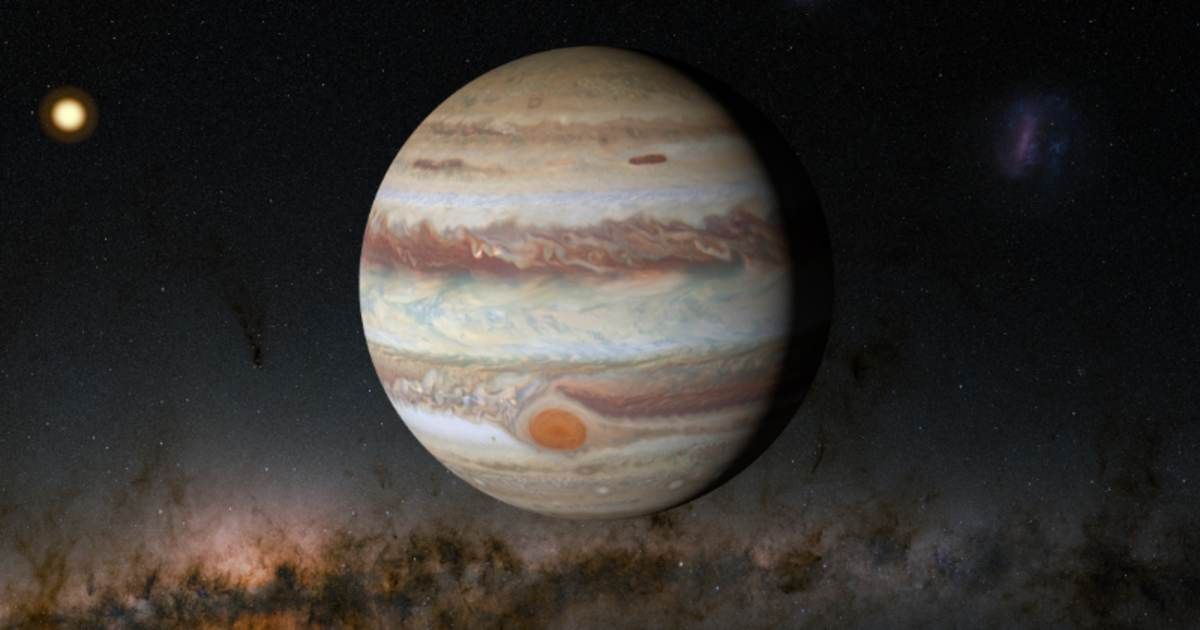
Next week is going to bring with it the best opportunity in over a year to view the giant planet Jupiter. That's because on January 10, 2026, the largest planet of the solar system will reach "opposition," a point at which its size and brightness are considerably enhanced, according to EarthSky.
Opposition implies that Earth will come between Jupiter and the Sun. With the two planets being aligned at opposite ends of our sky, Jupiter will be rising in the east just as the Sun sets in the west, thereby being visible all night long. Although the official alignment occurs at 9:00 UTC on January 10, Jupiter will actually be at its closest to Earth, about 393 million miles away, one day before, on January 9.
Jupiter will be pretty easy to spot on the day since it will be the fourth brightest heavenly body in the sky, behind the Sun, the Moon, and Venus. In fact, Venus will be behind the Sun during the middle of this month, which means that Jupiter will be the brightest star-like object in the night sky. During opposition, the planet will be in the constellation Gemini, where it will dazzle with extraordinary light. Observers with a basic pair of binoculars will see Jupiter as a clear disk instead of a faint dot. In fact, they might even get to see some of the four biggest moons of Jupiter—called the Galilean satellites—as tiny dots of light on either side of the giant planet.
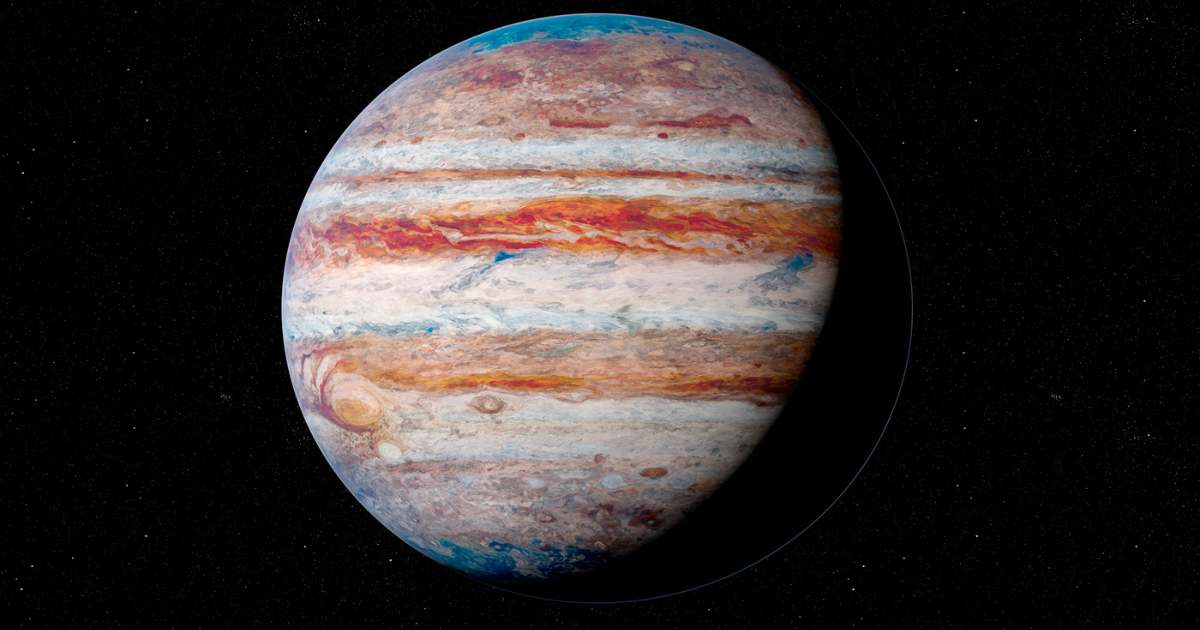
Jupiter's opposition happens once every 13 months. And since we recognize 12 zodiac constellations, after completing its 12-year orbit journey around the Sun, the giant planet shifts into a new zodiac constellation during each opposition. This is why it will appear in front of Gemini—the Twins.
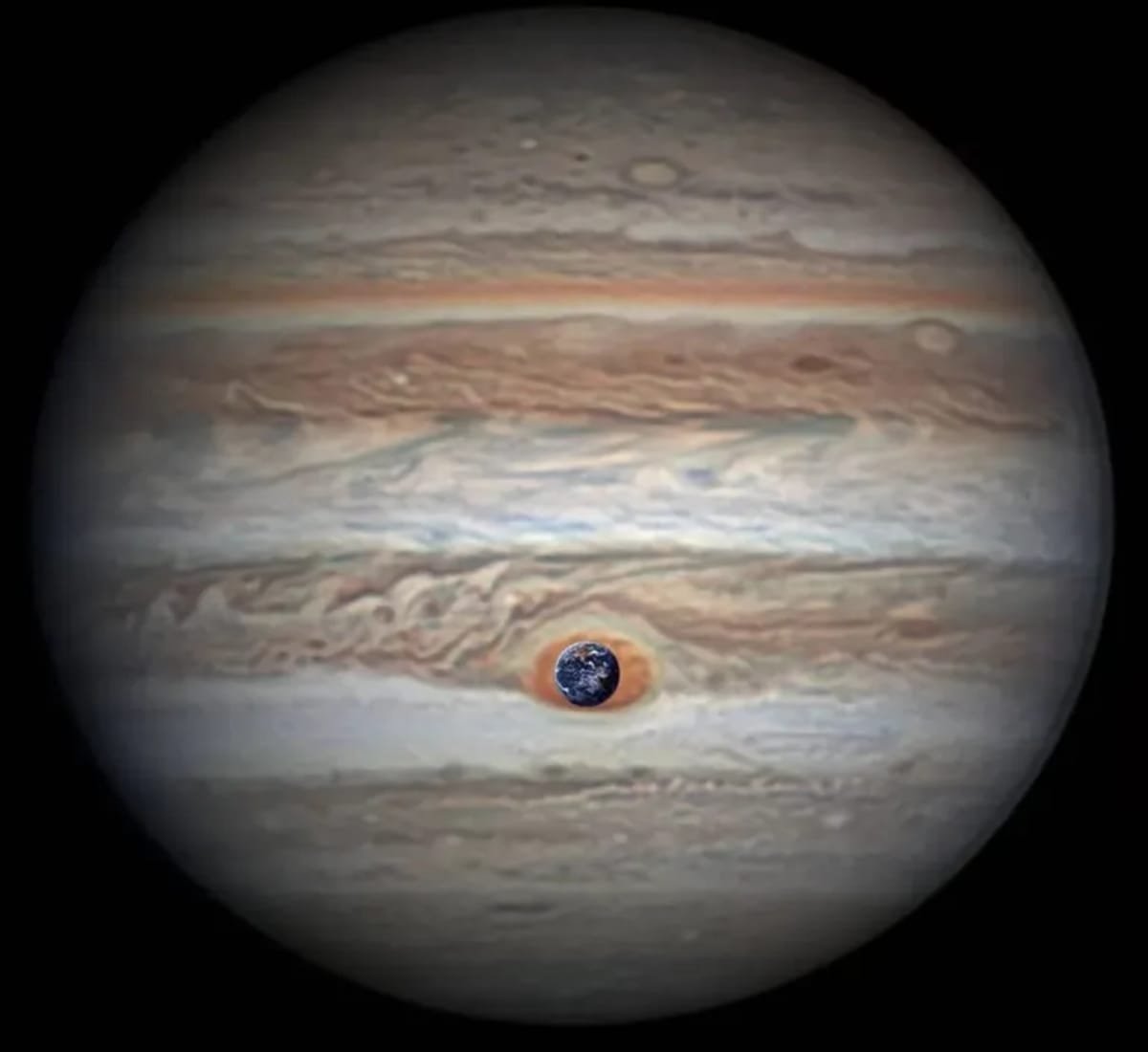
Speaking of constellations, Jupiter is often referred to as a "failed star" on account of its size. To put things into perspective, it accounts for 0.1% of the total mass of the solar system, while the Sun holds 99.86% of it. That makes Jupiter more massive than all the other planets, moons, and asteroids combined.
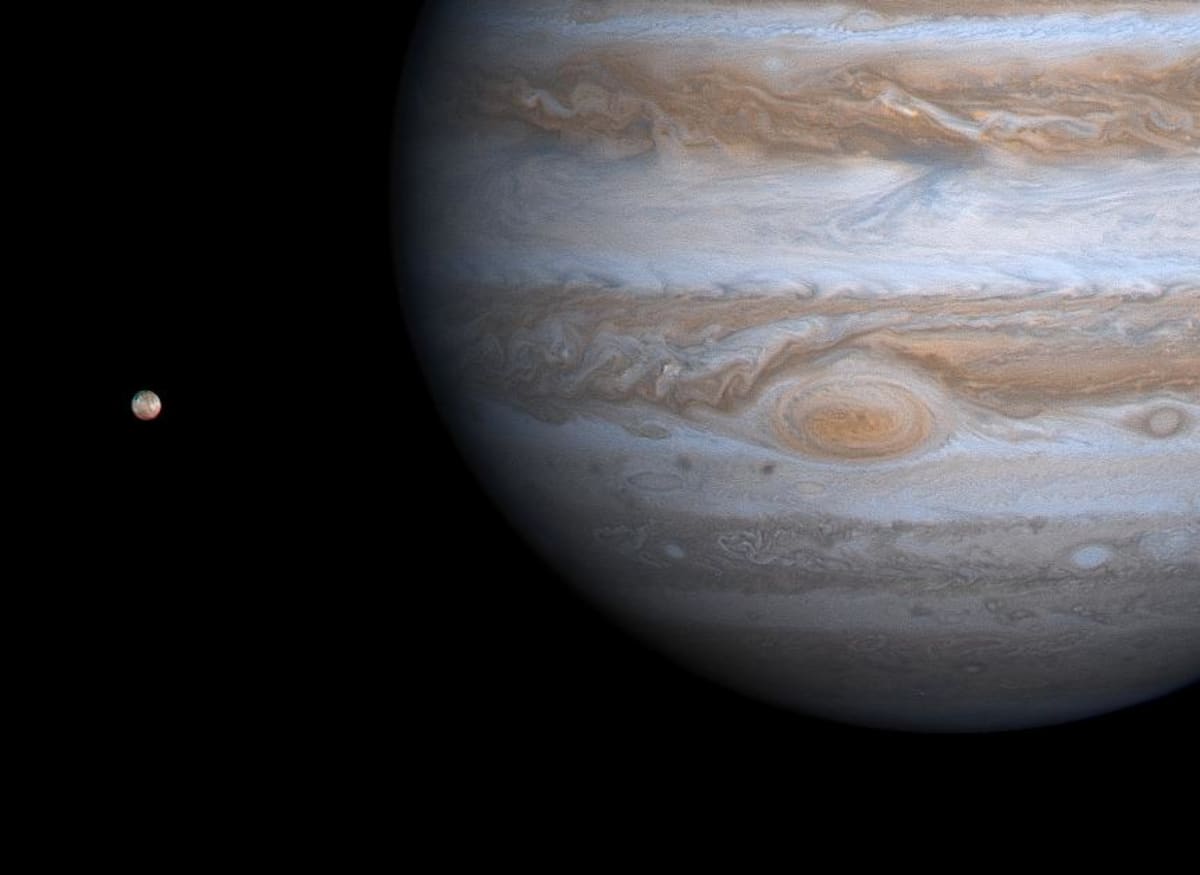
However, the gigantic planet, despite its enormous size, is not big enough for thermonuclear fusion, which is the process that keeps stars like our Sun shining. Scientists think that at least 80 Jupiter-sized planets would have to be combined into one for a star to be formed. Since it cannot produce its own energy, the planet appears in our night sky as a reflector of the sunlit Earth. And in case it did have the necessary size and heat to become a star, then we'd have no night at all during Jupiter's opposition, as it would be shining all day as a second Sun. Makes you think that all things happen (or don't happen) for a reason, doesn't it?
More on Starlust
2025 supermoons recap: 10 best images of the year's grand lunar events
10 jaw-dropping images captured from the International Space Station in 2025