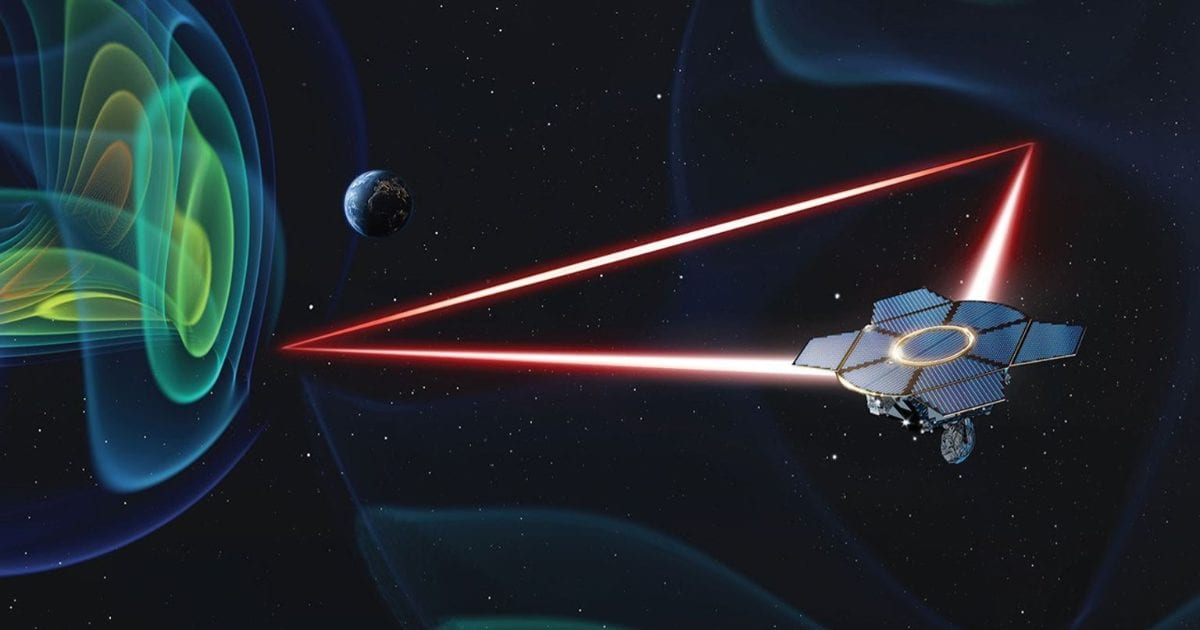
Sentinel-1D becomes fully operational, marking major milestone in Europe's Earth observation mission
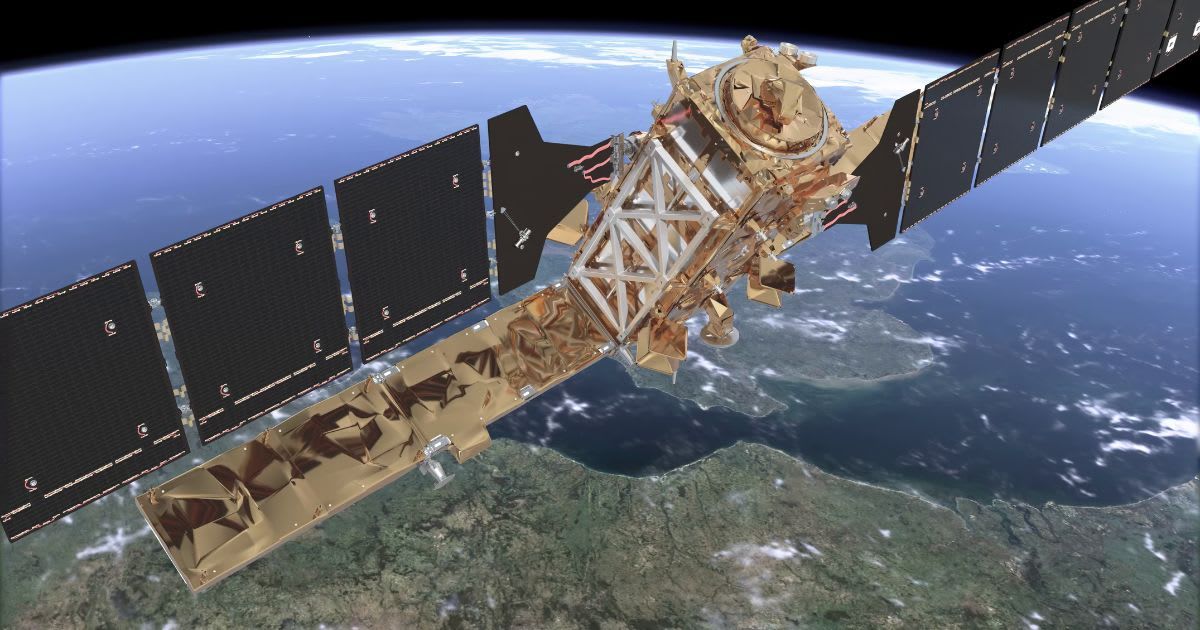
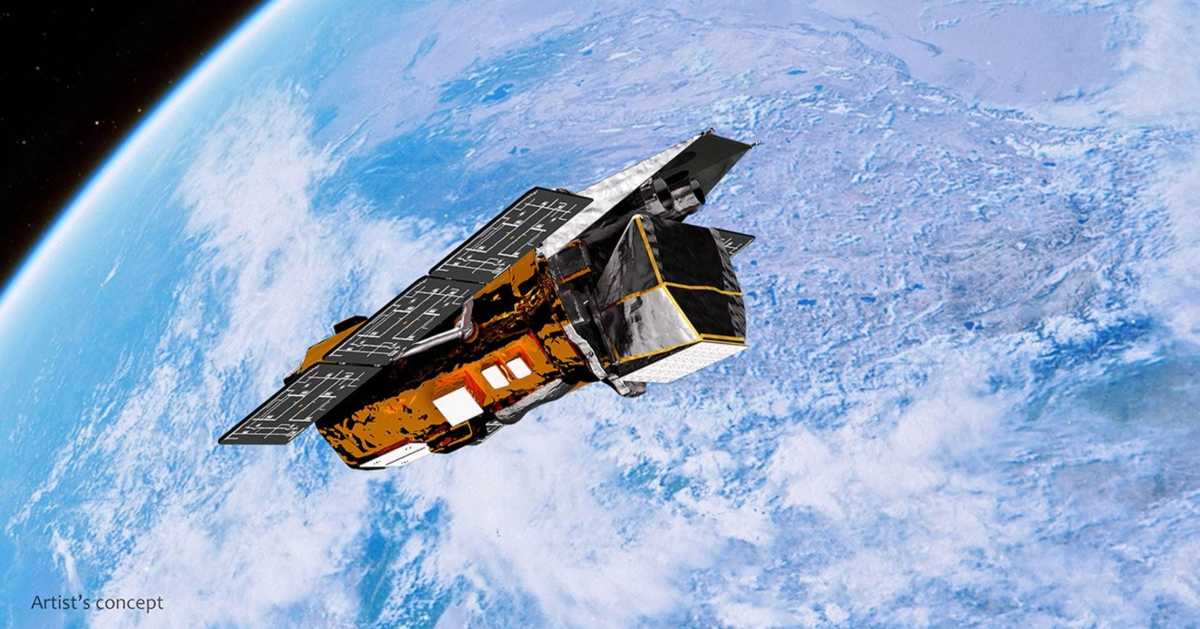
ESA has confirmed that the Sentinel-1D satellite is now fully operational after completing its in-orbit commissioning phase. The radar mission satellite launched last November represents the fourth and final component of the Sentinel-1 constellation — part of Europe's flagship Earth observation program Copernicus. The system was originally planned with just two satellites orbiting Earth 180 degrees apart to ensure continuous global coverage. The addition of newer satellites like the now-functioning Sentinel-1D improves this capability and extends the observation datasets.
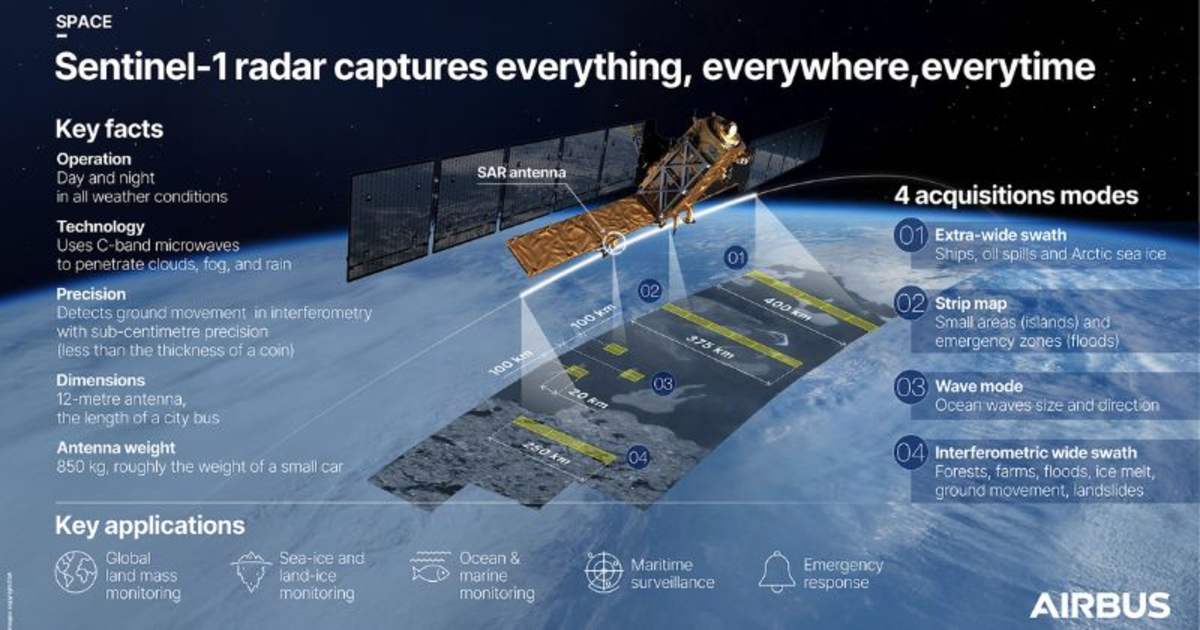
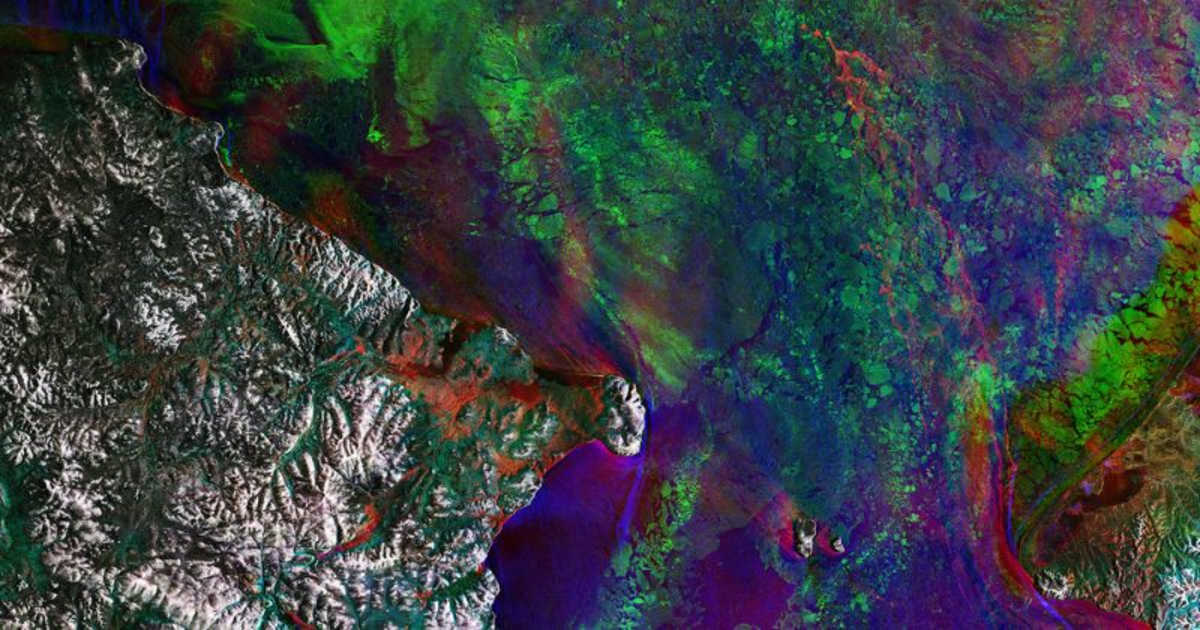
Sentinel-1 provides high-resolution C-band SAR imaging—short for Synthetic Aperture Radar—of Earth’s surface. The system works day and night, capable of continuous monitoring in all weather conditions. The collected data helps keep track of natural disasters, sea ice to land deformation, and deforestation. For these reasons and more, Sentinel-1 has become a crucial tool for emergency response teams, environmental policymakers, maritime authorities, and climate scientists, who depend on a constant influx of relevant data.
📷 JUST IN: new photographs of the Ariane 6 #VA265 @CopernicusEU Sentinel-1D launch earlier this week by our ESA and CSG photographers.
— European Space Agency (@esa) November 6, 2025
More at 👇 https://t.co/U6DTA10jD0
(Pics: ESA-S. Corvaja / ESA-CNES-ArianeSpace-ArianeGroup-Optique video du CSG- P. Piron) pic.twitter.com/W5kq8Bnkbo
On November 4, 2025, Sentinel-1D was launched on board an Ariane 6 heavy-lift launcher from Europe’s Spaceport in French Guiana. Two days later, its 12-meter-long SAR instrument captured its first images over the Antarctic Peninsula, the Tierra del Fuego and the Thwaites Glacier. Hours later, it also captured images over Germany’s Bremen and downlinked the data to the ground station in Matera, Italy, which is part of the Copernicus Ground Segment. This 50-hour phase from launch to data delivery is one of the shortest of its kind for a radar-based Earth observation satellite.
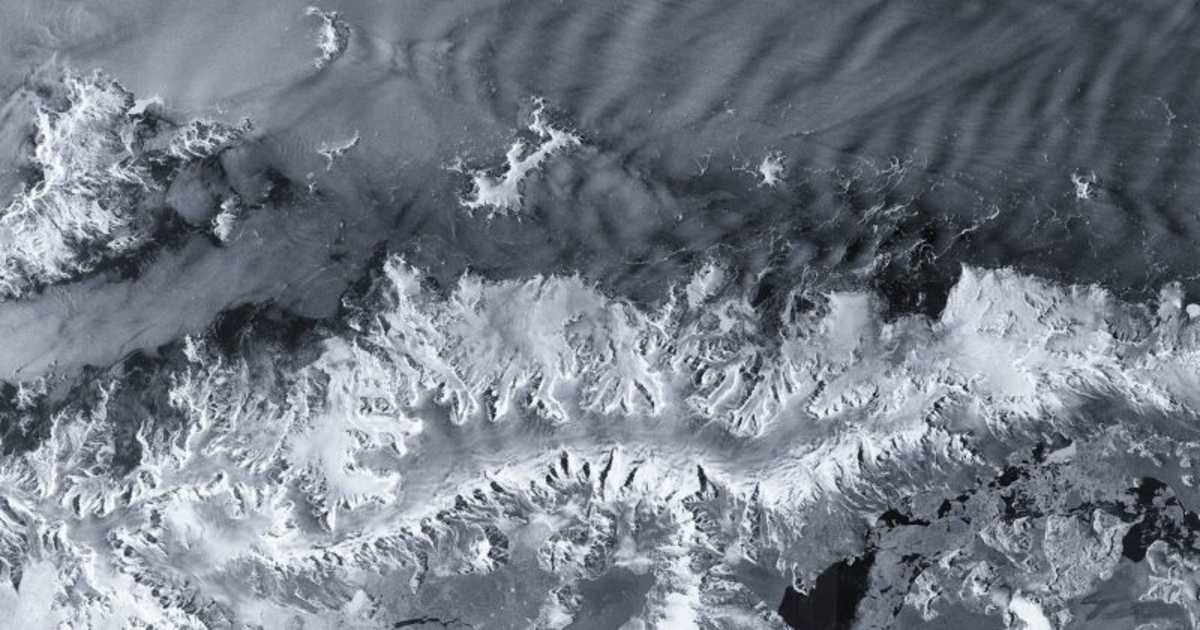
Sentinel-1’s three previous satellites were deployed in 2014, 2016, and 2024, respectively. ESA had to overcome some setbacks to rebuild the mission into what it is today. The Sentinel-1B satellite stopped functioning in August 2022 due to a technical anomaly. To restore the constellation, Sentinel-1C and Sentinel-1D were launched a year apart from each other. Together, they ensure that Europe’s all-weather radar observation prowess remains intact.
The @CopernicusEU Sentinel-1D satellite is now safe and snug inside Ariane 6's fairing. The blue tiles inside the fairing serve as acoustic protection, dampening the noise created during launch. Liftoff for #VA265 is scheduled for 4 November at 21:02 GMT/22:02 CET (18:02 Kourou… pic.twitter.com/juMK45Fknd
— European Space Agency (@esa) October 29, 2025
According to ESA, the Sentinel-1 series is on track to deliver nearly 20 years of uninterrupted radar data. In fact, Sentinel-1C and Sentinel-1D also introduced the integrated Automatic Identification System (AIS), which monitors maritime traffic. Not to mention, the two new satellites also feature a new separation mechanism to avoid space debris, adhering to ESA’s clean space principles.
With the Sentinel-1 constellation now complete and fully operational, ESA’s attention now moves to what’s next. ESA’s Sentinel-1 Mission Manager, Nuno Miranda, remarked, “Sentinel-1 began as a trailblazer. With the successful commissioning of Sentinel-1D, it now stands as a cornerstone—reflecting Europe’s achievements while serving as a launchpad for what comes next.” Miranda discussed further progress with Sentinel-1 Next Generation—a follow-on mission with enhanced performance and new capabilities to ensure continued observations well into the mid-2030s.
More on Starlust
Sentinel-6B now orbits Earth—5 ways the satellite will advance the study of our seas
SpaceX to launch NASA-ESA's Sentinel-6B climate satellite aboard Falcon 9 today