Astronomers discover star with a powerful magnetic field and an activity cycle 10 times faster than our Sun’s
The intricate magnetic lifecycle of Iota Horologii (ι Hor), a 600-million-year-old Sun-like star, was successfully mapped by scientists at the Leibniz Institute for Astrophysics Potsdam.
PUBLISHED OCT 13, 2025
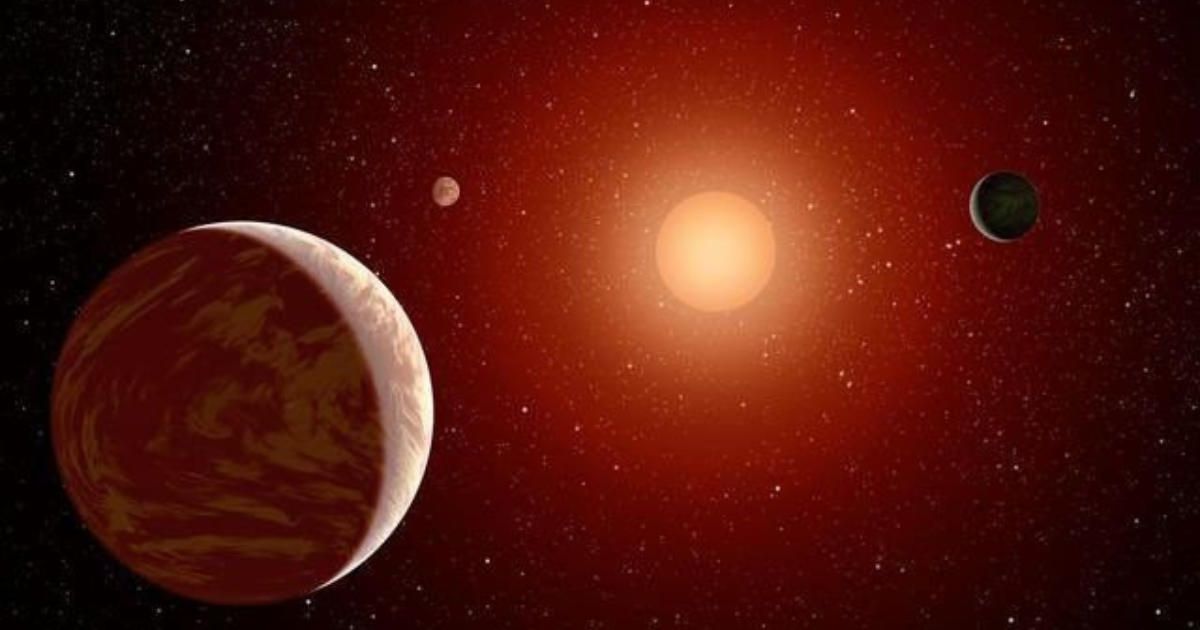
This artist's concept illustrates a young, red dwarf star surrounded by three planets. Such stars are dimmer and smaller than yellow stars like our sun (Representative Cover Image Source: NASA/JPL-Caltech)

A star remarkably similar to our Sun but far younger has revealed an extremely rapid magnetic reversal cycle, completing a full switch of its magnetic poles in less than three years, a rate nearly ten times faster than the Sun's 22-year rhythm, according to Leibniz Institute for Astrophysics Potsdam

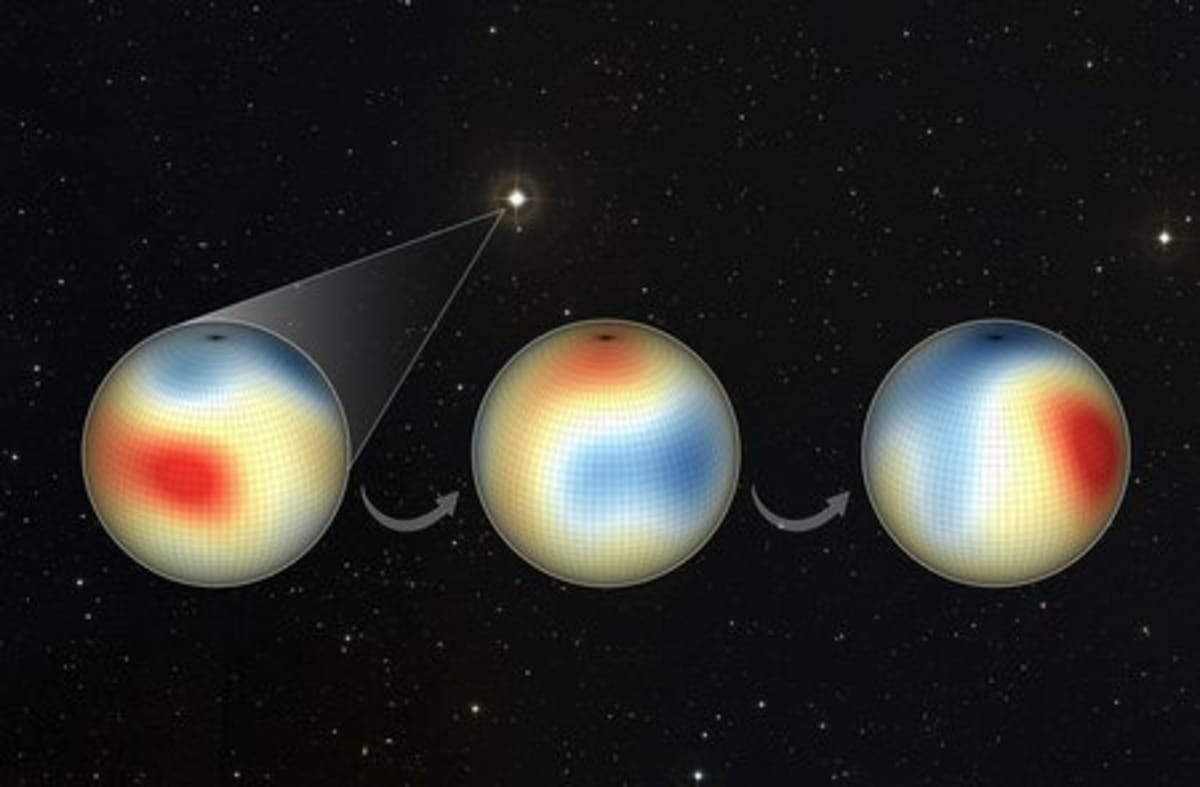
The varying magnetic field of the star Iota Horologii at three different times, showing a double polarity reversal (magnetic cycle) (Image Source: Leibniz Institute for Astrophysics Potsdam)

Scientists at the Leibniz Institute for Astrophysics Potsdam (AIP) have successfully charted the magnetic lifecycle of Iota Horologii (ι Hor), a 600-million-year-old star located about 56 light-years away. The full findings were published in the journal Astronomy & Astrophysics. The star, which spins and flares with significantly greater vigor than our 4.6-billion-year-old Sun, provides an unprecedented window into the evolution of stellar magnetic dynamos. Using the HARPS polarimeter at the European Southern Observatory’s La Silla Observatory in Chile, researchers amassed data over six observing seasons. An advanced mapping technique, Zeeman Doppler Imaging (ZDI), converted these observations into 18 detailed magnetic field maps across 140 stellar rotations.
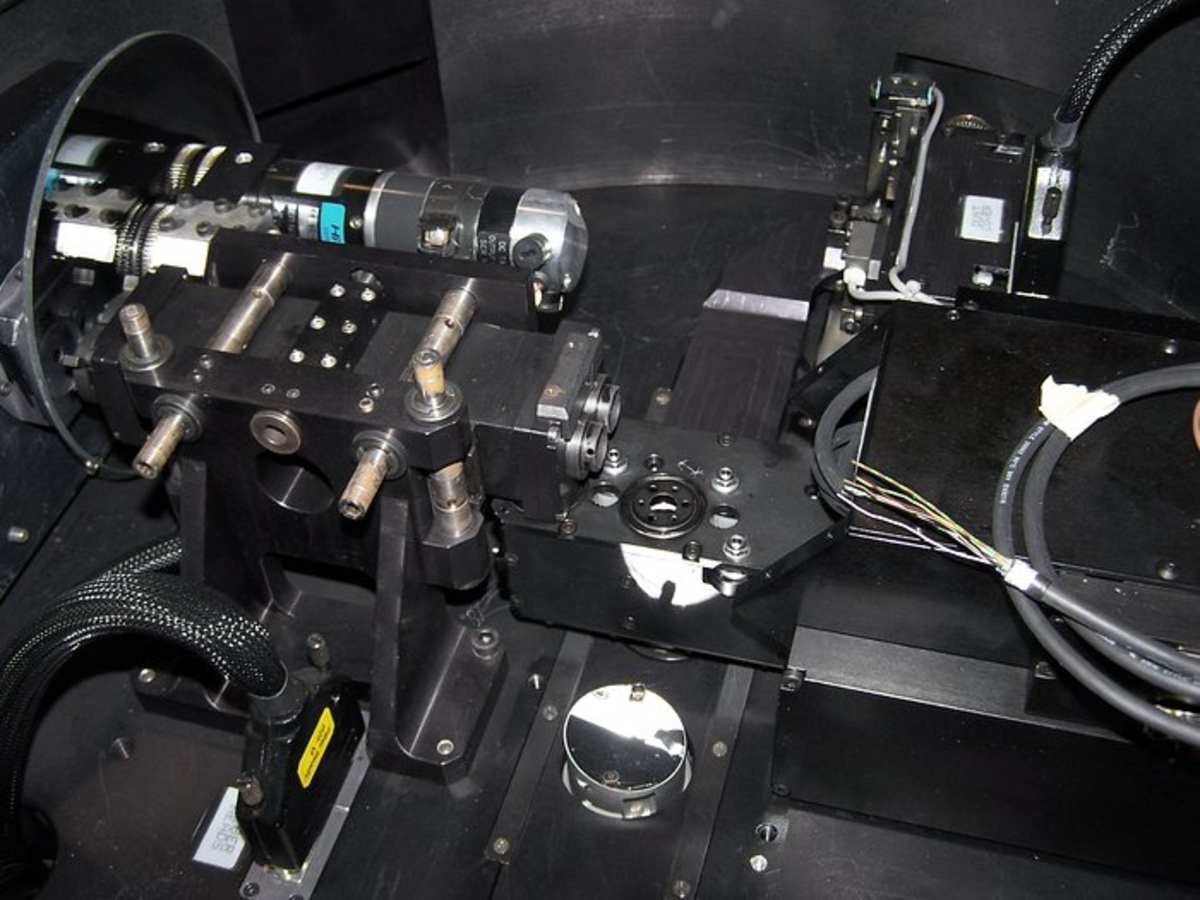
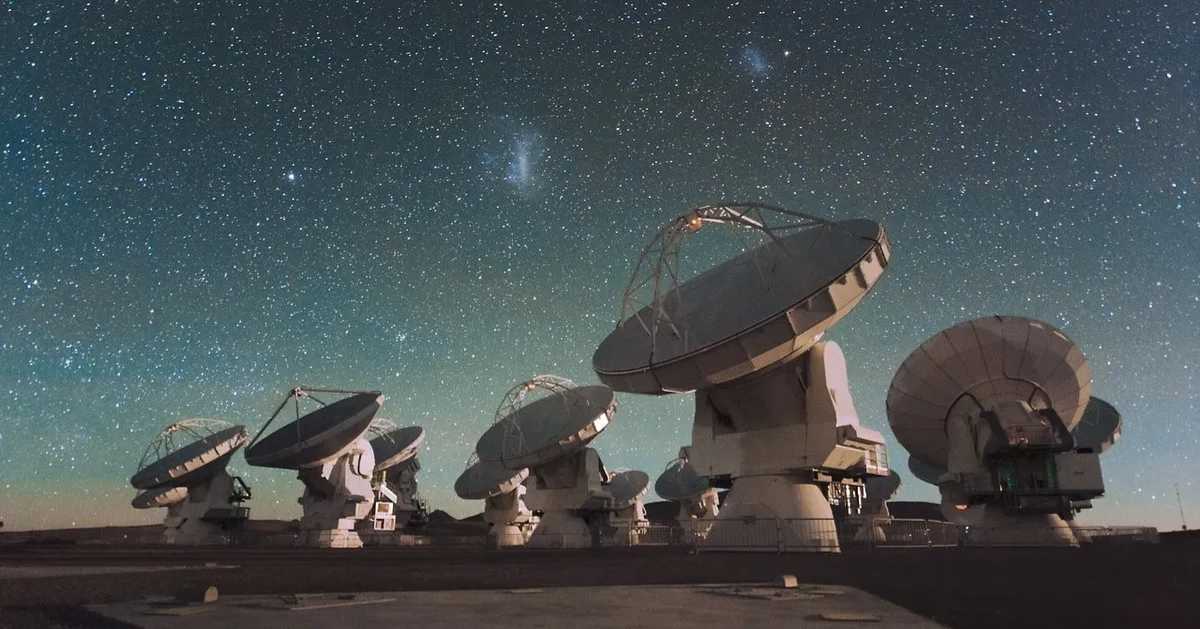
The very successful HARPS spectrograph, attached to ESO’s 3.6-metre telescope at La Silla, Chile, has been enhanced with a new capability: the most precise polarimeter in the world (Image Source: ESO)
The very successful HARPS spectrograph, attached to ESO’s 3.6-metre telescope at La Silla, Chile, has been enhanced with a new capability: the most precise polarimeter in the world (Image Source: ESO | F. Snik)

The most striking revelation is ι Hor's rapid magnetic heartbeat: its north and south magnetic poles completely reverse polarity and return in just 773 days (a little over two years). This hyper-fast cycle dramatically contrasts with the Sun's more sedate, decades-long reversal. Furthermore, the team created the first-ever "magnetic butterfly diagrams" for a star other than the Sun. These diagrams, which on the Sun track the migration of sunspots, for ι Hor map the movement of its magnetic regions, demonstrating how they drift poleward and equatorward during the cycle.

These diagrams allowed scientists to measure the colossal surface flows driving the magnetic activity. The magnetic field regions are migrating at speeds comparable to high-speed trains (15–78 m/s) toward the poles and at average car speeds (9–19 m/s) toward the equator, flows substantially quicker than those observed on the Sun. This marks the first direct measurement of such flows on an external star.

Illustration of an extrasolar planet, a planet orbiting a star other than the Sun that is somewhat like the Earth. (Representative Photo by MARK GARLICK / SCIENCE PHOTO LIBRARY / Getty Images)
Illustration of an extrasolar planet, a planet orbiting a star other than the Sun that is somewhat like the Earth. (Representative Image Source: Getty | MARK GARLICK / SCIENCE PHOTO LIBRARY)

"These results offer a critical benchmark," stated lead investigator Dr. Julian Alvarado Gómez. “By comparing ι Hor’s rapid magnetic cycle and strong activity to the Sun’s more leisurely 22-year rhythm, we gain deeper insight into how factors like rotation rate and age influence magnetic evolution.” The star’s magnetic activity governs phenomena like powerful flares and stellar winds, which can dramatically influence the atmosphere and surface conditions of orbiting planets. Given that ι Hor hosts at least one known exoplanet, the findings are vital for assessing the habitability of worlds around young, Sun-like stars.
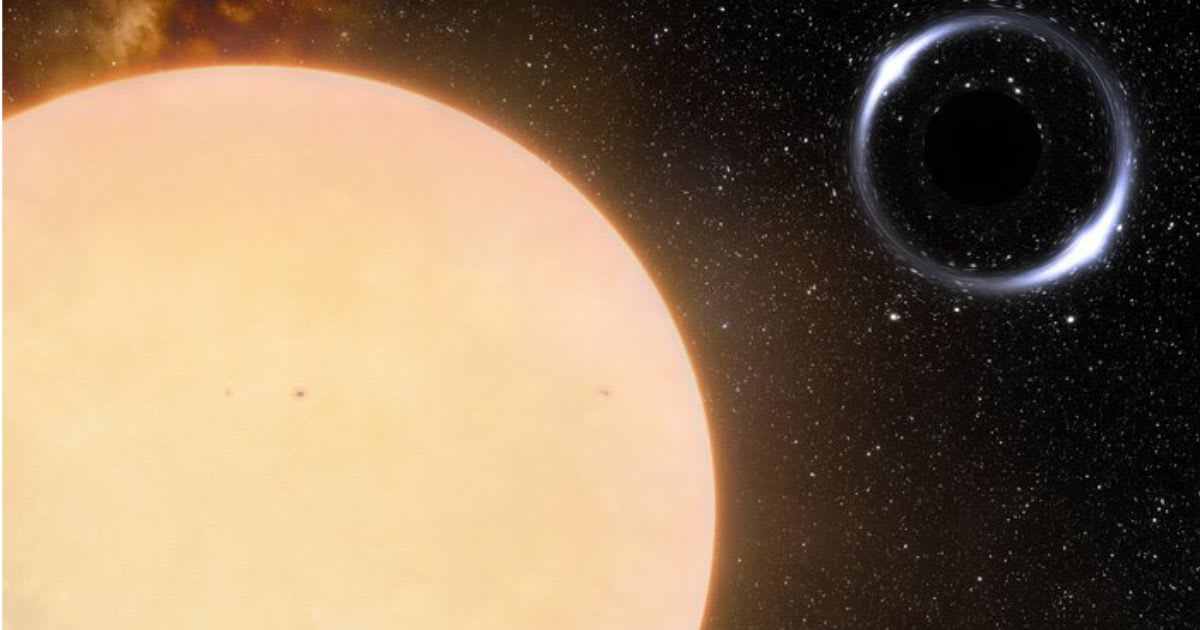
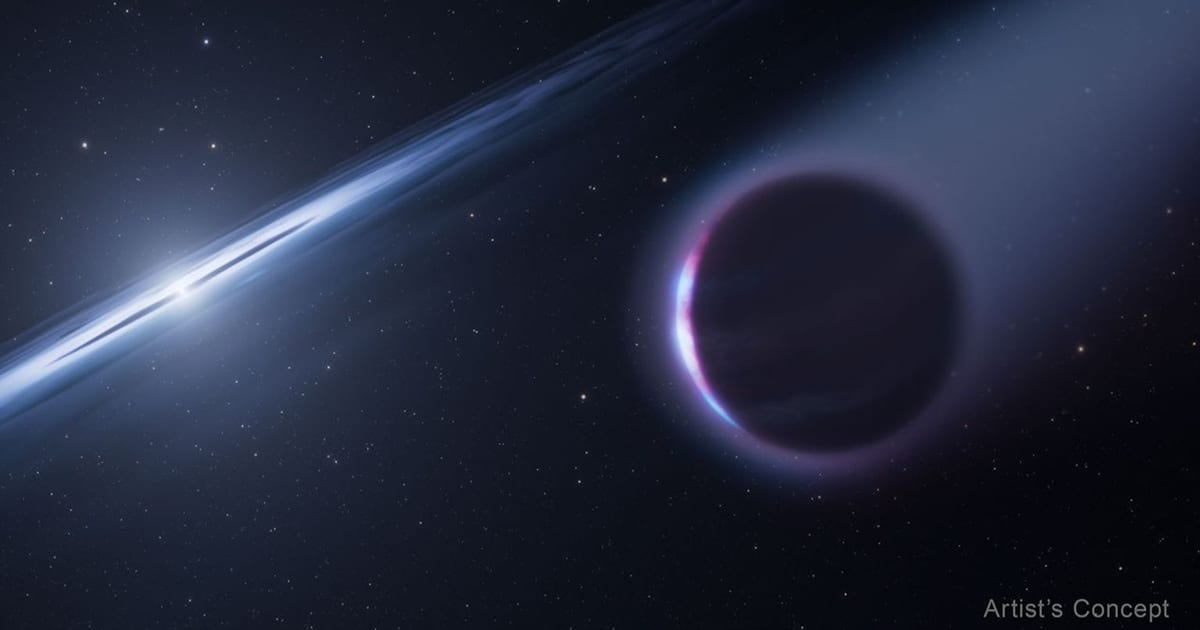
Artist’s impression of the closest black hole to Earth and its Sun-like companion star (Cover Image Source: International Gemini Observatory)
Artist’s impression of the closest black hole to Earth and its Sun-like companion star (Representative Image Source: International Gemini Observatory)

The search for life beyond our solar system has received a significant boost. New analysis of data from NASA's retired Kepler space telescope suggests that roughly half of all stars with temperatures similar to the Sun could host a rocky planet capable of maintaining liquid water on its surface, as mentioned on NASA's official site. This finding brings humanity one step closer to answering the long-standing question of how many of the confirmed exoplanets, planets outside our solar system, might harbor life.

More on Starlust

NASA just confirmed 6,000 alien worlds—and 8,000 more waiting to be verified

Astronomers in search of habitable worlds rule out atmospheric scenarios on exoplanet TRAPPIST-1e
MORE STORIES

The celestial event this month is a rare one, with the Moon retreating to an apogee from Earth's center.
1 hour ago
The three interstellar objects are unique, billion-year-old fragments and kinetic artifacts collected from countless extrasolar systems across the galaxy.
5 hours ago
English physicist and science communicator Professor Brian Cox draws parallels between the journey of 3I/ATLAS and that undertaken by humanity.
9 hours ago
Conspiracy theories can be put to rest as new evidence from the MeerKAT radio telescope has emerged.
1 day ago
Consecutive X-class solar flares have set the stage for severe space weather to strike on November 11 and 12.
1 day ago
The observation, made on November 9, unveiled a shockingly complex jet system that overshadows prior data, immediately casting doubt on the comet's origin.
2 days ago
The object, discovered by Gennady Borisov on November 2, 2025, quickly became the focus of speculation amid the curiosity surrounding 3I/ATLAS.
2 days ago
To assess Martian viability, scientists subjected yeast cells to Mach 5.6 shock waves and the corrosive perchlorate salts common on the Red Planet.
6 days ago
These impacts pack surprising power; a mere 11-pound meteoroid can blast a 30-foot (9-meter) crater, ejecting 75 metric tons of lunar soil.
6 days ago
Sunspot AR3474 detonated with an X1.8 solar flare on November 4, sending an ultraviolet wave silencing South America's shortwave radio communications.
7 days ago